
- Authenticity guaranteed
- 2-year Luxury Bazaar warranty
- 8,823 reviews
Shop by model
From Grey Market Magazine
Portugieser guides
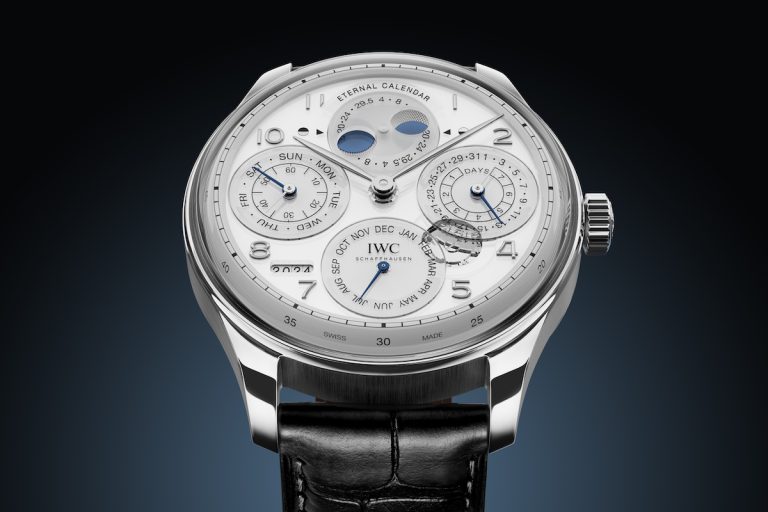 New releases
IWC 2024 Watches and Wonders Releases
Read article →
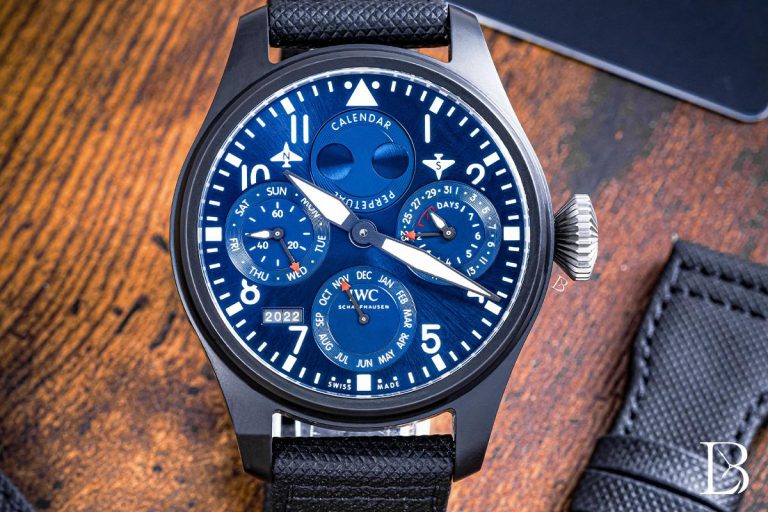 Buying guide
The Best IWC Watches
Read article →
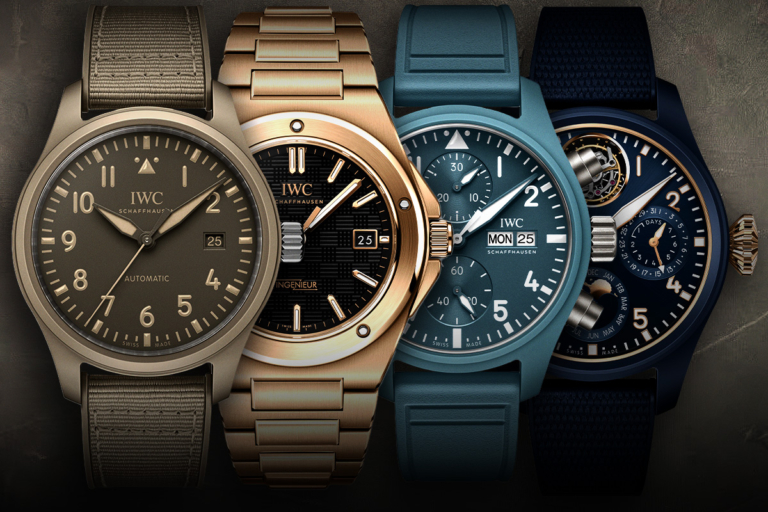 New releases
All the 2025 IWC Watch Releases
Read article →
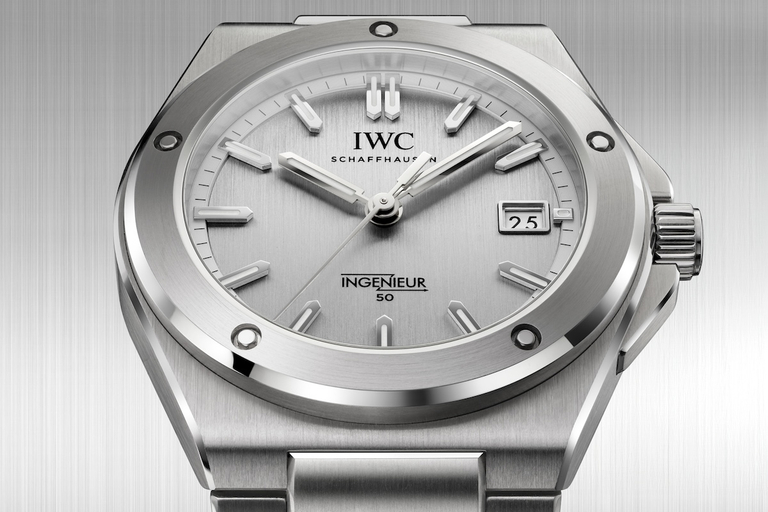 New releases
All the 2026 IWC Watch Releases
Read article →
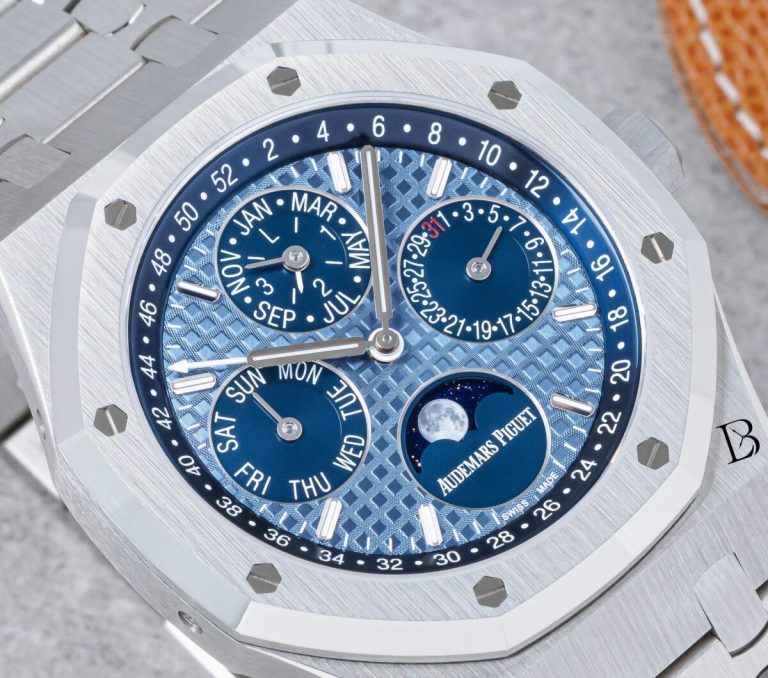 Explainer
What Is a Perpetual Calendar Watch?
Read article →
 The best
Top 10 Platinum Watches
Read article →
 Collectors
The Watches Tom Brady Sold at Sotheby’s
Read article →
 Opinion
Is IWC a Good Watch Brand?
Read article →
IWC Portugieser History: From 1939 to Today
The IWC Portugieser began in 1939, when two Portuguese merchants asked IWC for large, highly precise wristwatches. IWC answered by fitting a slim pocket-watch movement into an oversized wristwatch case, giving the watch its big, open dial and clean proportions. It was ahead of its time, and the design stayed in IWC’s archives for decades.
In the 1990s IWC revived the design, and the modern Portugieser collection grew from there into chronographs, seven-day automatics, perpetual calendars and tourbillons. The watch was long sold in English as the IWC Portuguese, and IWC now uses the name Portugieser everywhere. At Watches & Wonders 2024, IWC focused its entire launch on the Portugieser, refreshing the collection with new dials in Horizon Blue, Dune, Obsidian and Silver Moon. See every model in IWC’s 2024 Watches and Wonders releases.
What Makes an IWC Portugieser Different
- A large, open dial with a slim bezel, so the watch looks bigger and cleaner than most dress watches.
- Applied Arabic numerals and slim leaf-shaped hands, taken straight from the pocket-watch style of the 1939 original.
- A railway-style minute track around the edge of the dial for easy reading.
- In-house movements across most of the range, from the Chronograph’s automatic Caliber 69355 to seven-day Pellaton movements and perpetual calendars.
IWC Portugieser Models to Know
Portugieser Chronograph
The IWC Portugieser Chronograph is the collection’s best-known model and one of the most recognized dress chronographs in the world. It has a 41mm case, two vertically stacked sub-dials and IWC’s self-winding Caliber 69355 with a 46-hour power reserve. Earlier references such as the IW3714 are popular pre-owned choices, while the current IW3716 range comes in steel and 18k gold.
Portugieser Automatic 40 and 42
The time-only Portugieser Automatic is the purest version of the design. The Automatic 40 uses IWC’s Caliber 82200 with a 60-hour power reserve, while the larger Automatic 42 adds a power reserve display and date, and comes in steel, white gold and pink gold.
Portugieser Perpetual Calendar
The first Portugieser perpetual calendar arrived in 2003. The redesigned Portugieser Perpetual Calendar 44, launched in 2024, shows the date, day, month, year and moon phase, and comes in 18k white gold or IWC’s Armor Gold.
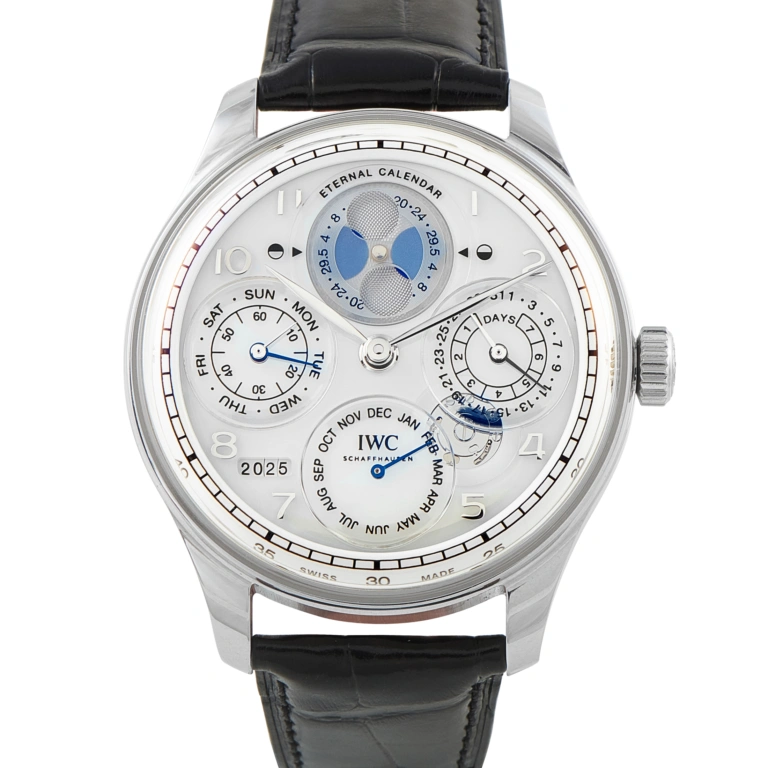
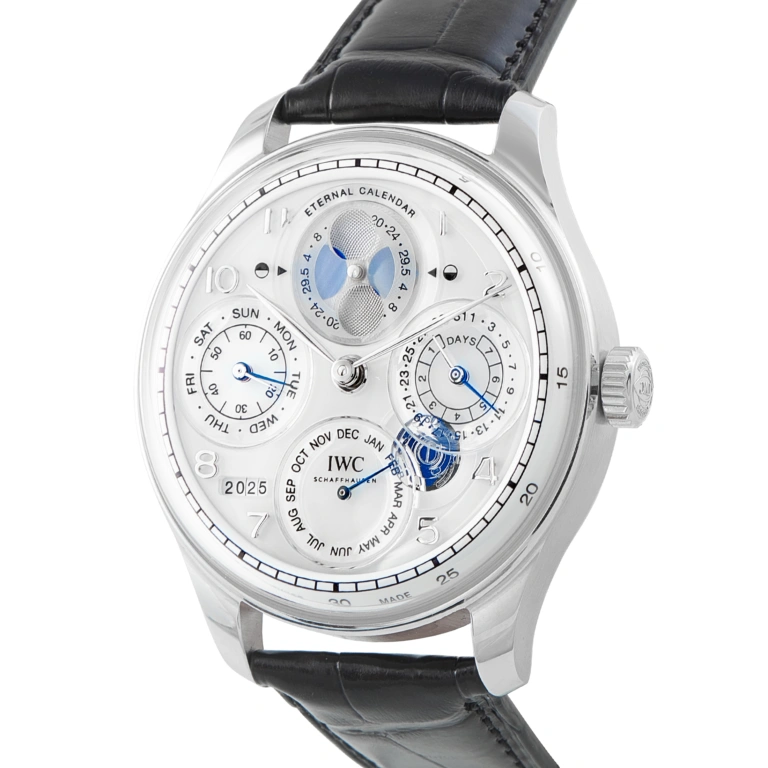
Portugieser Eternal Calendar
Introduced in 2024, the Portugieser Eternal Calendar (Ref. IW505701) is IWC’s secular perpetual calendar. Its 44.4mm platinum case houses a 400-year gear that recognizes the irregular leap years of the Gregorian calendar, plus a moon phase accurate for 45 million years. It is one of the most advanced calendar watches ever made.
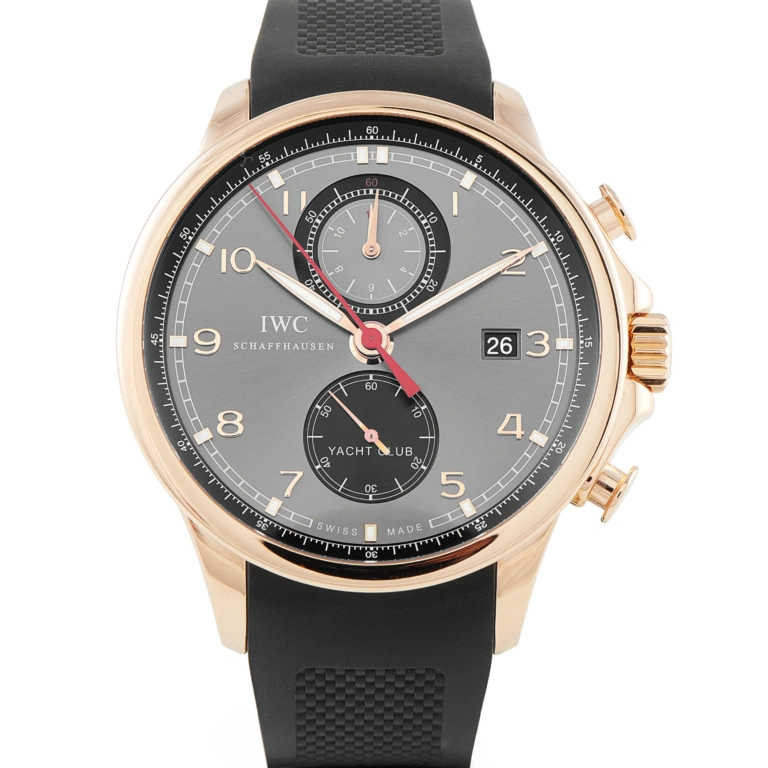
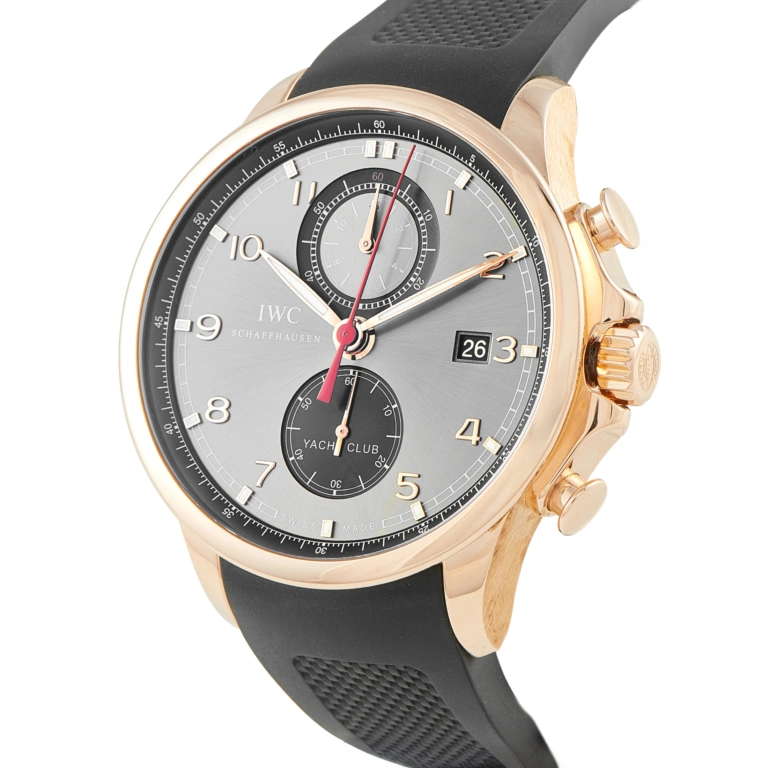
Portugieser Yacht Club
The Portugieser Yacht Club Chronograph takes the collection in a sportier, nautical direction, with a more rugged case and rubber strap options for everyday wear.
Hand-Wound and Tourbillon Models
Hand-wound Portugieser models offer an impressive eight-day power reserve, and high-end pieces such as the Portugieser Hand-Wound Tourbillon Day & Night add a flying tourbillon and a globe-shaped day and night display.
Which IWC Portugieser Size Is Right for You?
Most Portugiesers fall between 40mm and 44mm. The Automatic 40 is the most versatile size and wears like a classic dress watch. The 41mm Chronograph is the everyday favorite, while the Automatic 42 and the 44mm calendar models have a bolder presence thanks to their wide dials and slim bezels.
Buying a Pre-Owned IWC Portugieser
Buying pre-owned is the smartest way to own a Portugieser: you get IWC’s in-house movements for less than retail, plus discontinued references and dial colors that are no longer made. Every pre-owned IWC Portugieser we sell is:
- Authenticated by our in-house watchmakers
- Inspected and graded, with box and papers listed when included
- Backed by our 2-year Luxury Bazaar warranty
Looking for a specific reference? Our client advisors source Portugiesers worldwide. You can also browse all pre-owned IWC watches, the IWC Big Pilot, or our guide to the best IWC watches.
Frequently Asked Questions About the IWC Portugieser
Is the IWC Portugieser a dress watch?
Mostly, yes. The Portugieser has a dress-watch design, but its 40mm to 44mm cases give it enough presence to wear casually too. Most models are only lightly water resistant, so keep them away from swimming.
What is the difference between the IWC Portugieser and the IWC Portuguese?
There is no difference. Portuguese was the English name IWC used for years, and the brand now uses Portugieser, the German name, in every market.
How do I wind an IWC Portugieser Chronograph?
The Portugieser Chronograph is automatic, so wearing it keeps it running. If it has stopped, turn the crown clockwise several times in its normal pushed-in position to start the movement, then pull it out to set the time.
How much does an IWC Portugieser cost?
At retail, the steel Portugieser Chronograph was $8,400 in 2024, while complicated models such as the Hand-Wound Tourbillon Day & Night reached $79,300. Pre-owned Portugiesers usually cost less than retail, depending on the reference, condition and whether box and papers are included.
Is the IWC Portugieser worth it?
For most buyers, yes. It has an 85-year design history, in-house movements and a timeless look that does not date. Buying pre-owned makes it even better value.
How do you pronounce Portugieser?
It is pronounced “por-too-GHEE-zer.” It is the German word for Portuguese, a nod to the two Portuguese merchants who inspired the original watch.