The Best Luxury Sports Watches Explained

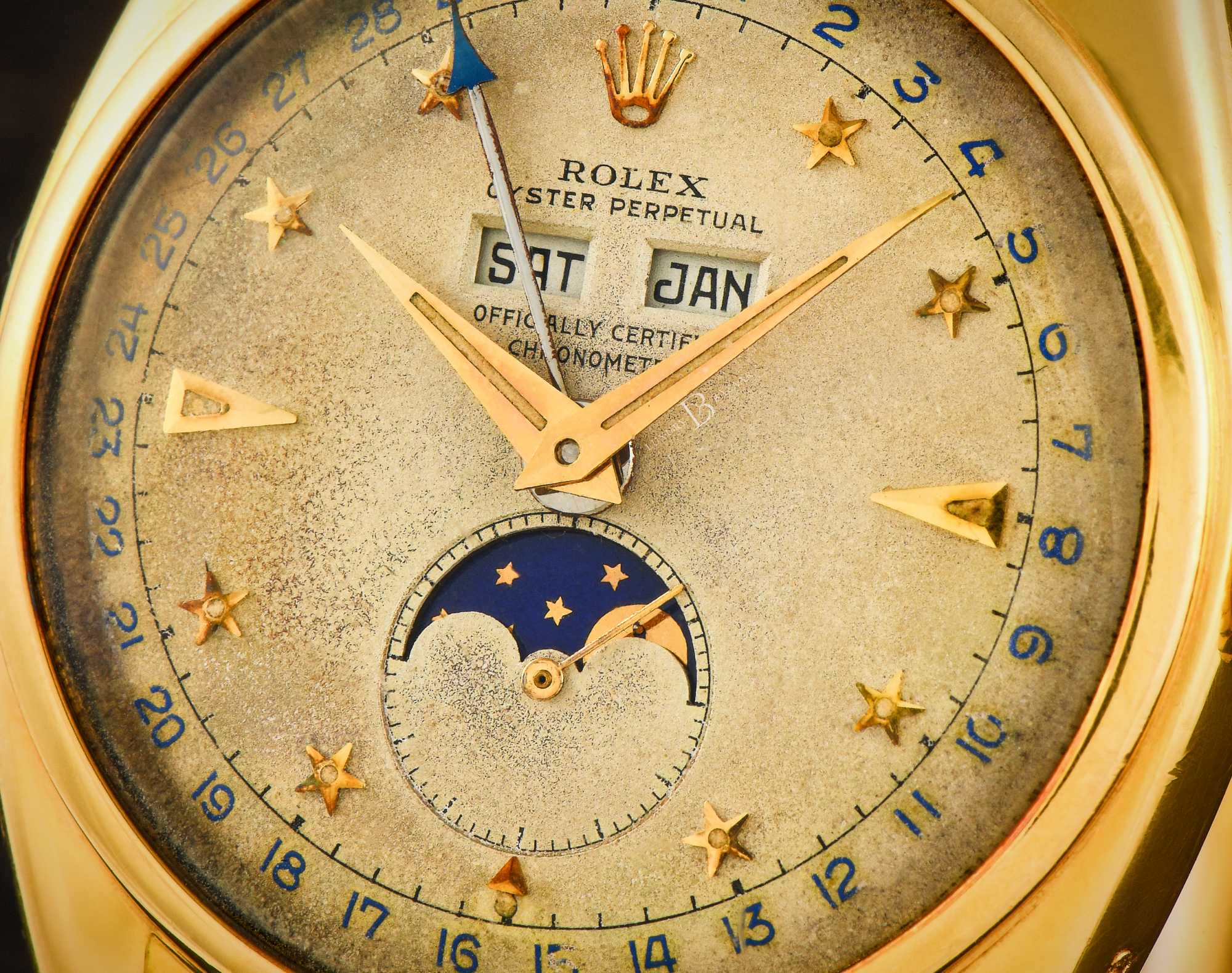
For most of history, watches–especially highly complicated ones–were extremely delicate items. As recently as the 1990s, dress watches like the Gérald Genta Grande Sonnerie were the biggest flexes around, and old gold Rolex dress watches could sell for as much as a Paul Newman Daytona. Nowadays, though, sports watches dominate the luxury watch market. Modern luxury watch buyers tend to prefer sports watches largely because you can live your everyday life with them, without worrying if a knock on a doorjamb or a splash of water will hurt it. Here’s our high-level but thorough guide to the world of luxury sports watches, including all the famous and enthusiast-favorite models you should know about.
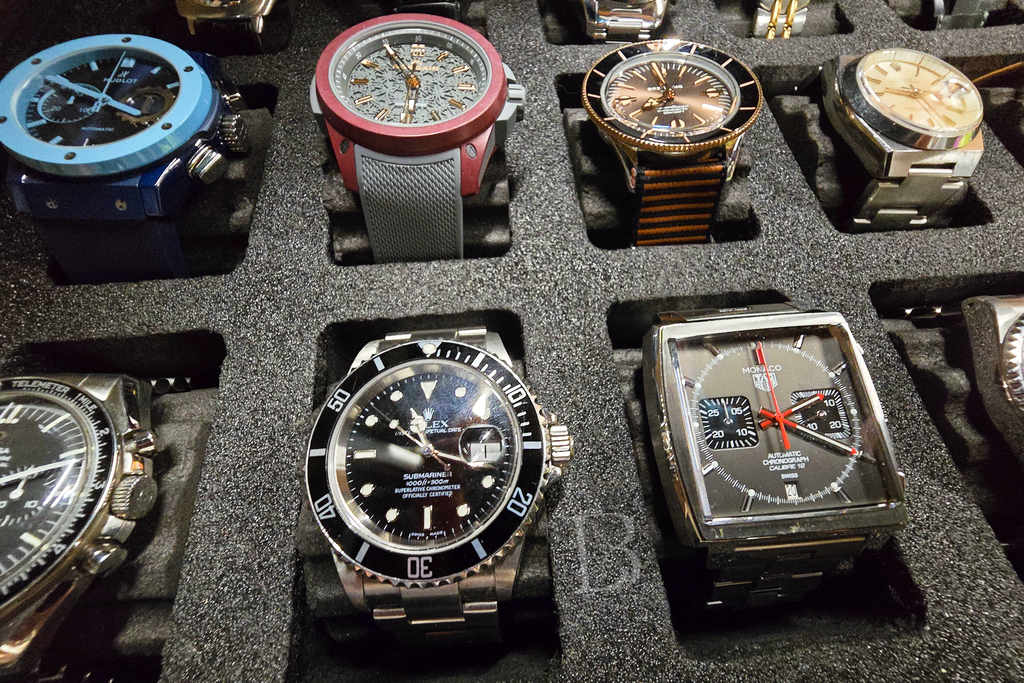
What is a Luxury Sports Watch?
Broadly speaking, a sports watch is defined by being shock-resistant and water-resistant, typically with a screwdown crown. The definition of “luxury” is arbitrary, but in common parlance “luxury watches” are usually at least $2,000 pre-owned or $5,000 new. There are a ton of respectable brands in the $500-$1,500 space selling quality watches these days (like Traska for instance), but when collectors talk about luxury sports watches they’re generally talking about at least one tier above that.
Sports watches tend to be thicker than dress watches, as thickness inevitably correlates with impact resistance. They’re also usually automatic and stainless steel, though those aren’t requirements. Titanium, ceramic and carbon have become popular materials in watchmaking, but plenty of luxury sports watches are made of precious metals, too.
For pre-owned sports watches in the $2,000-$5,000 range, there are three brands I generally recommend checking out first: Tudor, Breitling, and Omega. All three brands have made a wide variety of luxury sports watches in relatively high volumes over the years, so secondhand shoppers have a plethora of options. We’ll tell you about all the other top luxury watch brands with sporty offerings you should know about in higher price ranges, too. Let’s start with Tudor and roughly work our way upscale.
Tudor
Tudor was in a dark place in the early 2000s, when they were in their Hydronaut era and had no official sales presence in the USA or UK. But they’ve been on a tear since 2012, and that’s largely thanks to their two core dive watch families launched that year: the vintage-inspired Black Bay and the utilitarian Pelagos. Both families now include GMT and chronograph options.
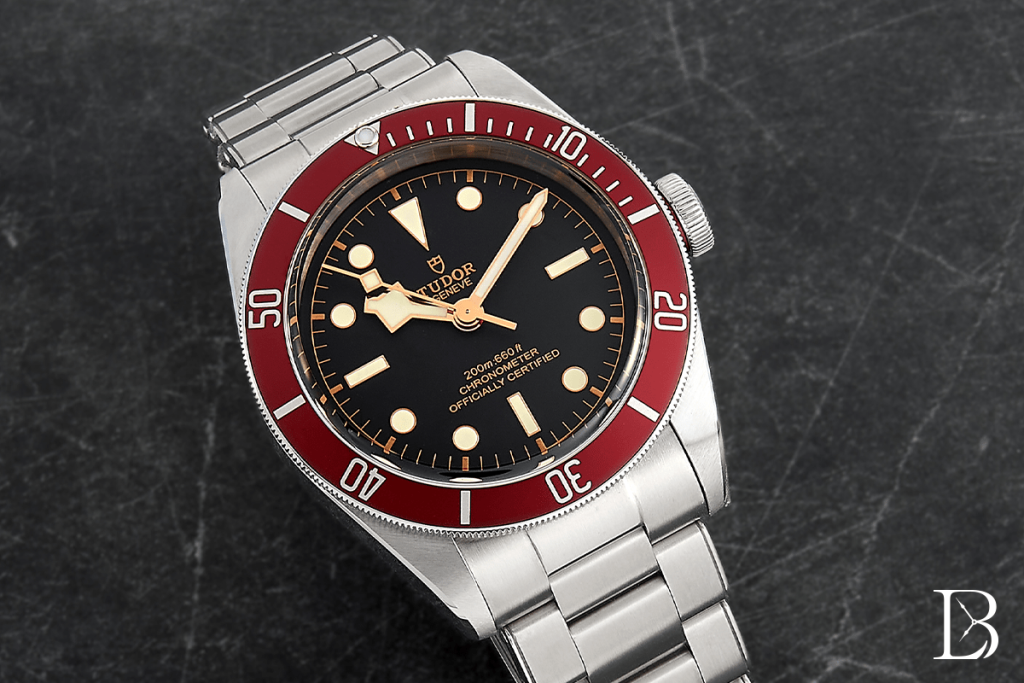
Tudor Black Bay watches with 60-minute dive bezels have been offered in sizes ranging from 37mm to 43mm, while simple smooth-bezel models (now called “Black Bay One”) range from 31mm to 41mm. The current generation uses Master Chronometer-certified in-house movements.
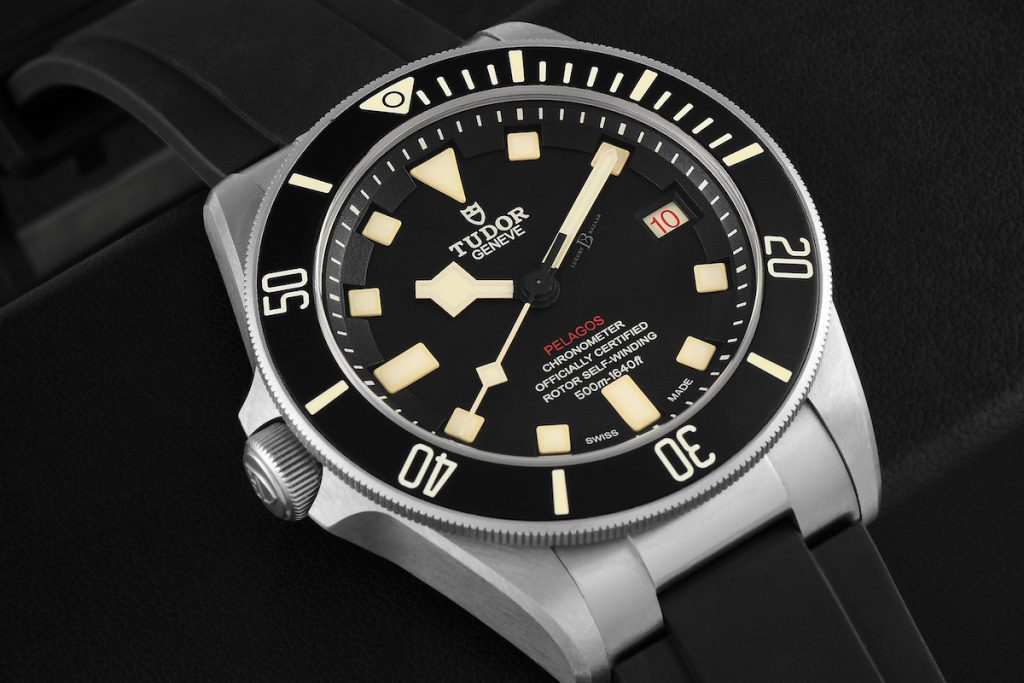
All Tudor Pelagos models are made of either titanium or carbon composite, so they’re very lightweight. 42mm was the original size, but enthusiasts particularly seem to love the Pelagos 39 launched in 2022. Typical Pelagos models come with both a rubber strap and a bracelet, while Pelagos FXD models (“FXD” meaning “fixed springbars”) have NATO straps.
While some of the hottest Tudors (like the Black Bay Chrono Pink) can sell for around $10,000, in general, Tudor offers some of the best luxury watches under $5,000 secondhand, and they’re almost all sports watches. You can also see our guide to Tudor chronographs to learn about the numerous discontinued chronograph models they used to offer.
More on Tudor:

TAG Heuer
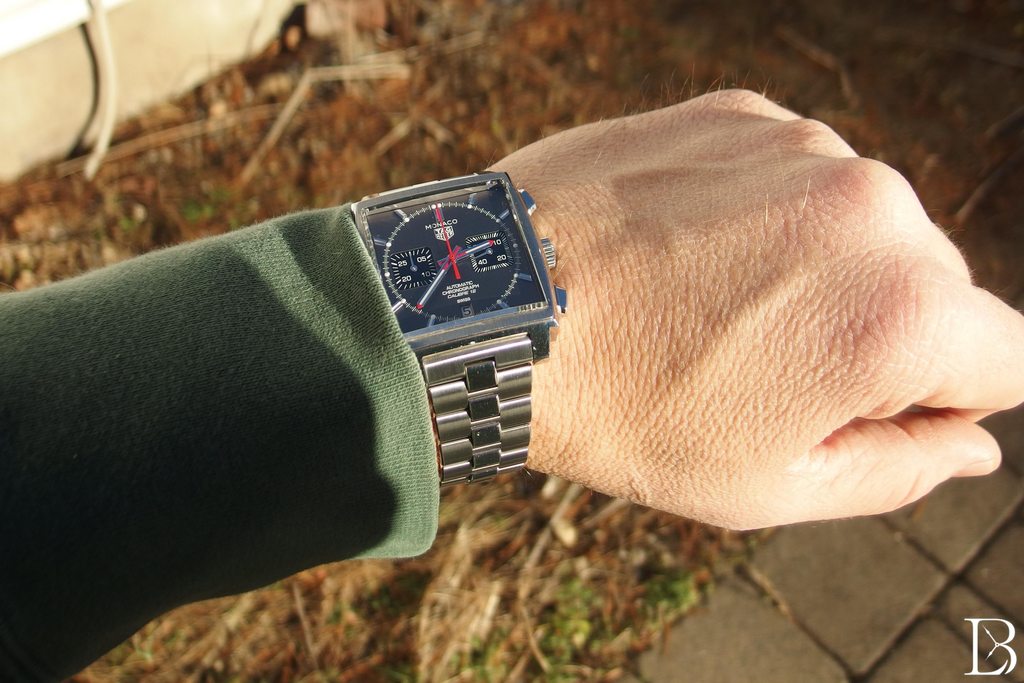
When it comes to pre-owned luxury watches under $5,000, particularly sports watches, TAG Heuer offers several choices. Their Aquaracer dive watch and Formula One chronographs sell decently, but there are three classic TAG Heuer models that enthusiasts generally focus on: The square Monaco chronograph, famously worn by Steven McQueen, is the most iconic of all.
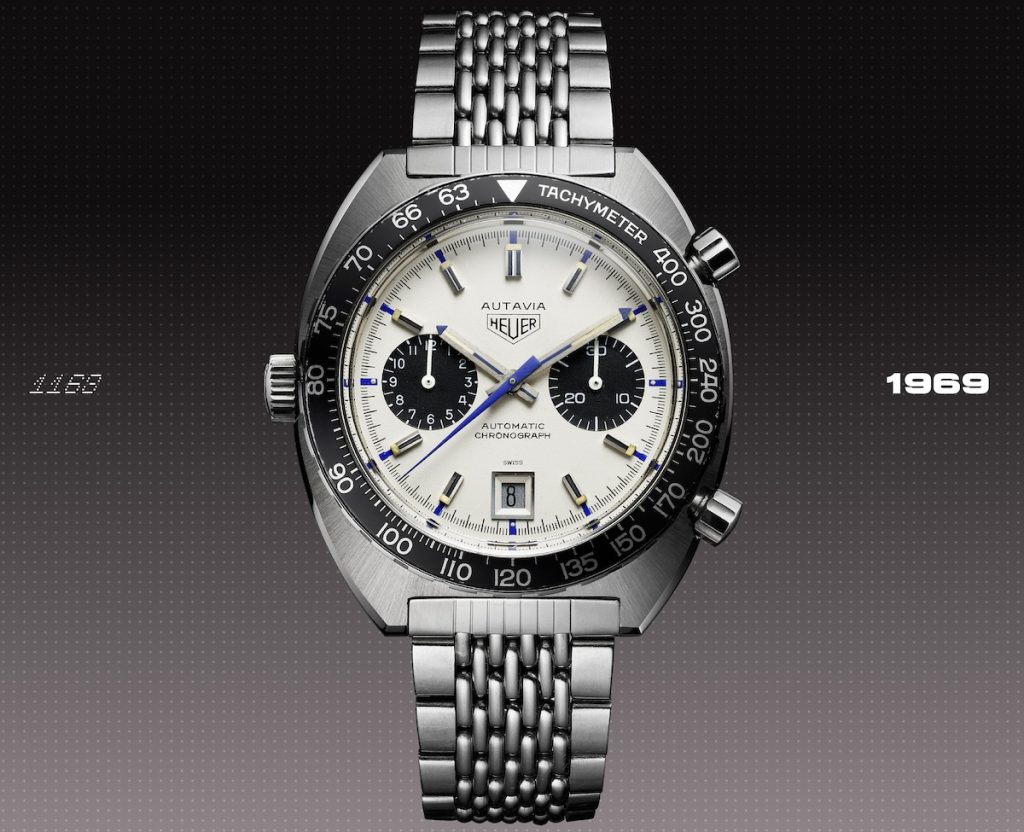
The Carrera racing chronograph and cushion-case Autavia also get a lot of love from collectors. TAG Heuer Carrera Chronograph “Glassbox” models, first seen in 2015, have a curved crystal that also serves as the bezel.
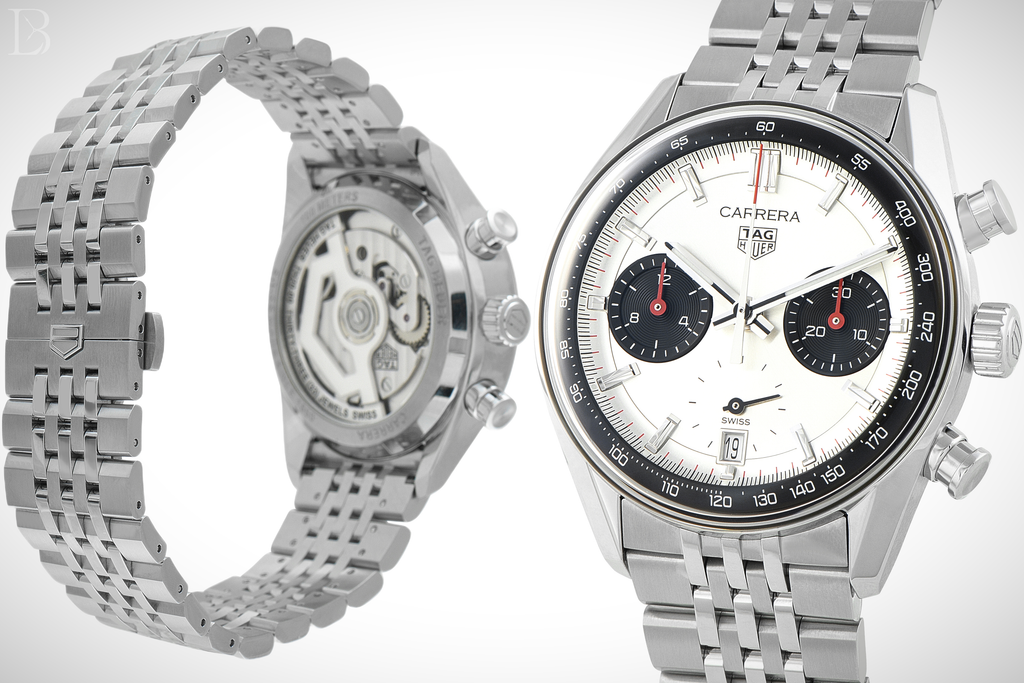
The Autavia has been made in many forms, most of them chronographs, and the most popular ones have the classic C-Case shape. Prime vintage examples (from back when the brand was just “Heuer”) can sell for big money these days, but modern used TAG Heuers can be relatively attainable.
Breitling
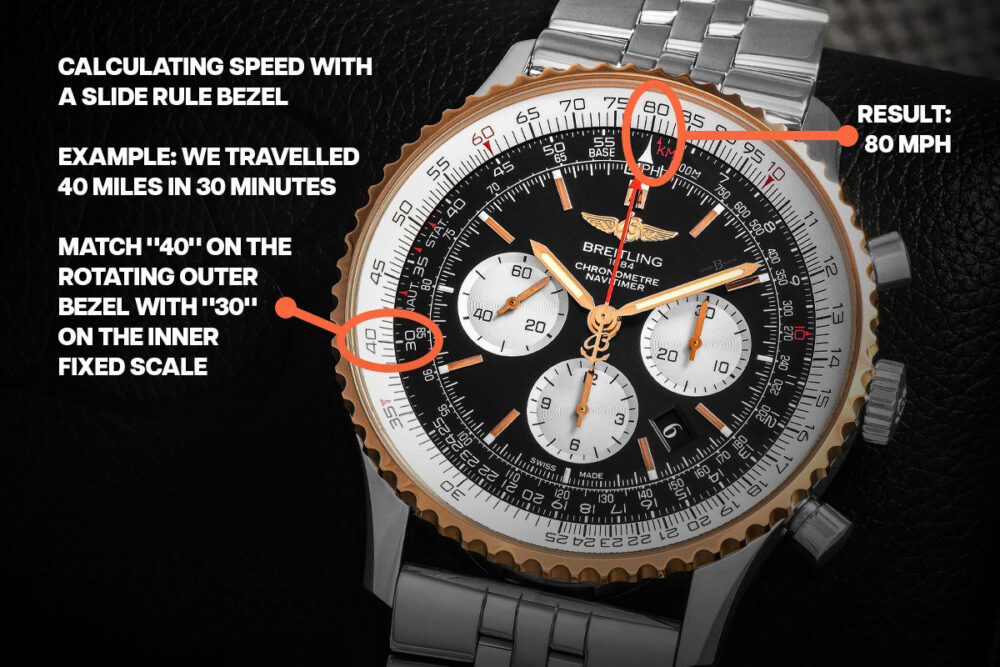
Aside from the dressy Premier line, just about every watch in the Breitling catalog is a luxury sports watch that can take a beating. The pilot-oriented Navitimer, known for its rotating slide rule bezel, is Breitling’s most iconic offering. It doesn’t have a screwdown crown and isn’t particularly water-resistant, but it’s still without a doubt a luxury sports watch. Breitling is known for their chronographs in general, and the B01 in-house movement they introduced in 2009 has proven to very reliable.
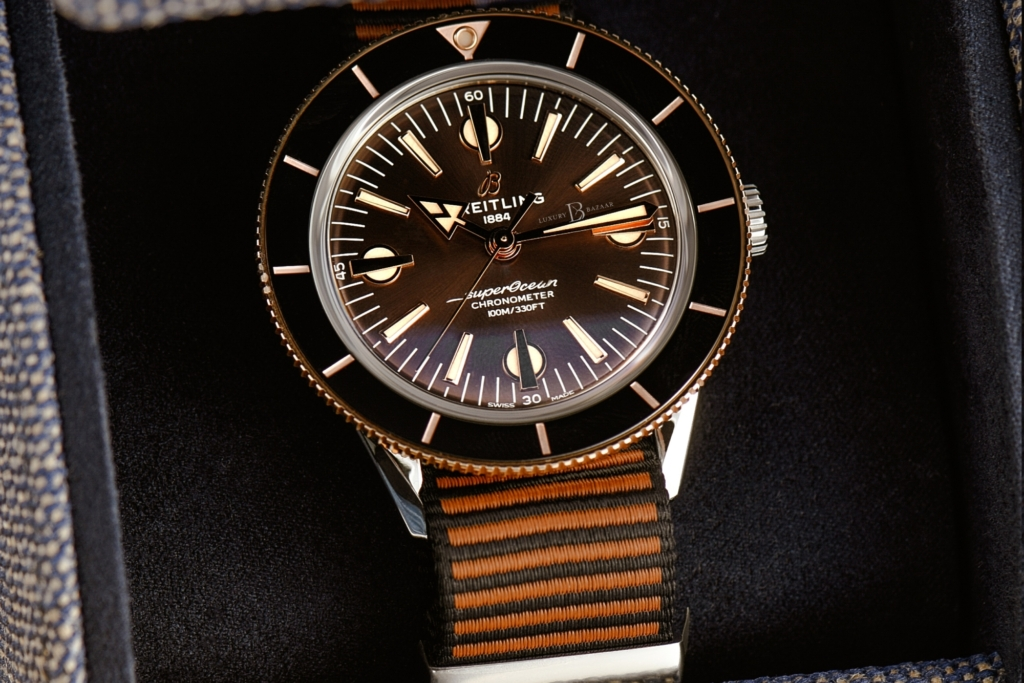
For a bit more water resistance, the Chronomat lineup is full of options for GADA watches (“go anywhere, do anything”) in various sizes. The Breitling Superocean is the brand’s meaty dive watch lineup, and there’s also the Avenger:
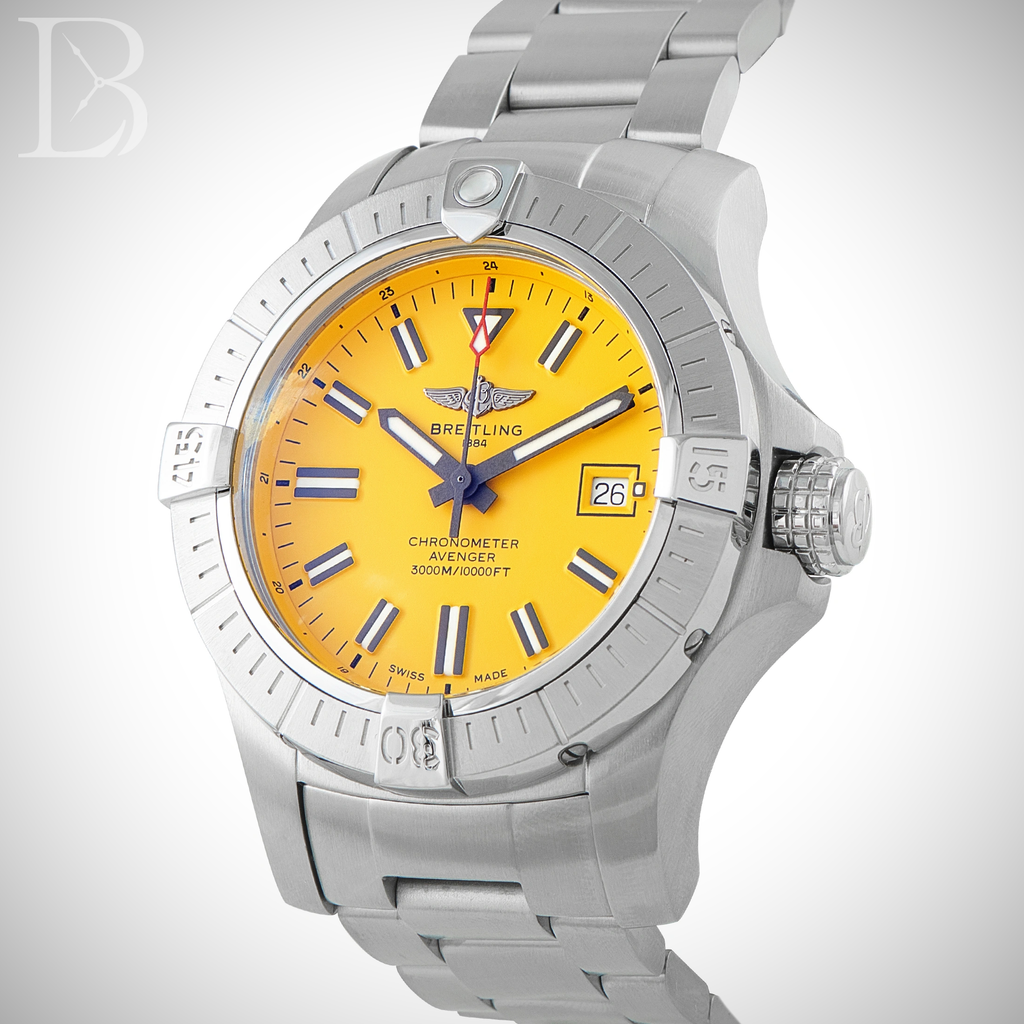
If you have $4,000-$7,000 to spend and you like big shiny watches, the world of pre-owned Breitling watches is pretty much your oyster. But if you’re not a fan of chunky cases, I recommend checking out the surprisingly thin Superocean Heritage ’57 lineup, with a case height under 10mm.
More on Breitling:
| ➢ | A Timeline of Breitling Superocean Models |
| ➢ | The Best Entry-Level Breitling Watches |
| ➢ | The Best Breitling Watch |
| ➢ | 2025 Breitling Releases |
| ➢ | Who is Universal Genève and Why Did Breitling Buy Them? |
The King of Square Luxury Sports Watches: Bell & Ross
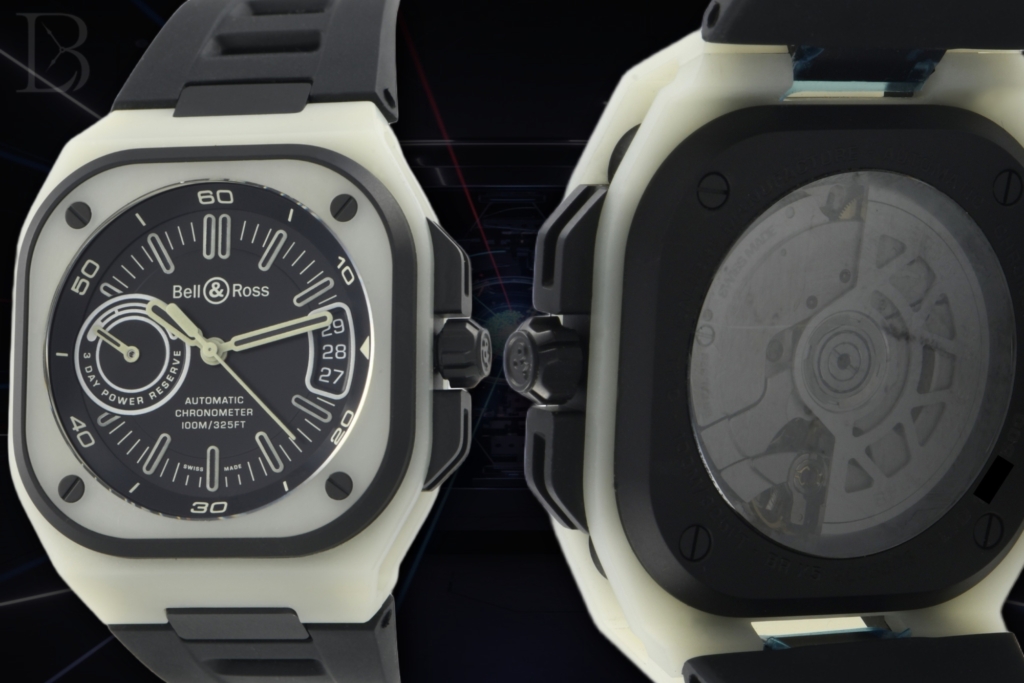
Bell & Ross started as a university design project in the early 1990s, with production outsourced to Sinn. But Chanel started investing in luxury watch brands in the 1990s, including Bell & Ross, and soon the brand had their own manufacturing space within Chanel’s G&F Châtelain facility. Bell & Ross made their first square watch in 2005, and now that’s all they do.

You can see our Bell & Ross guide for a deeper understanding of the brand’s offerings, but if you have $3,000-$5,000 to spend, you have a ton of (square) options with various materials and colors to choose from. Bell & Ross does some more expensive stuff too, and their BR-X5 models with fully luminous cases always sell quickly around the $11,000 price point pre-owned.
Panerai
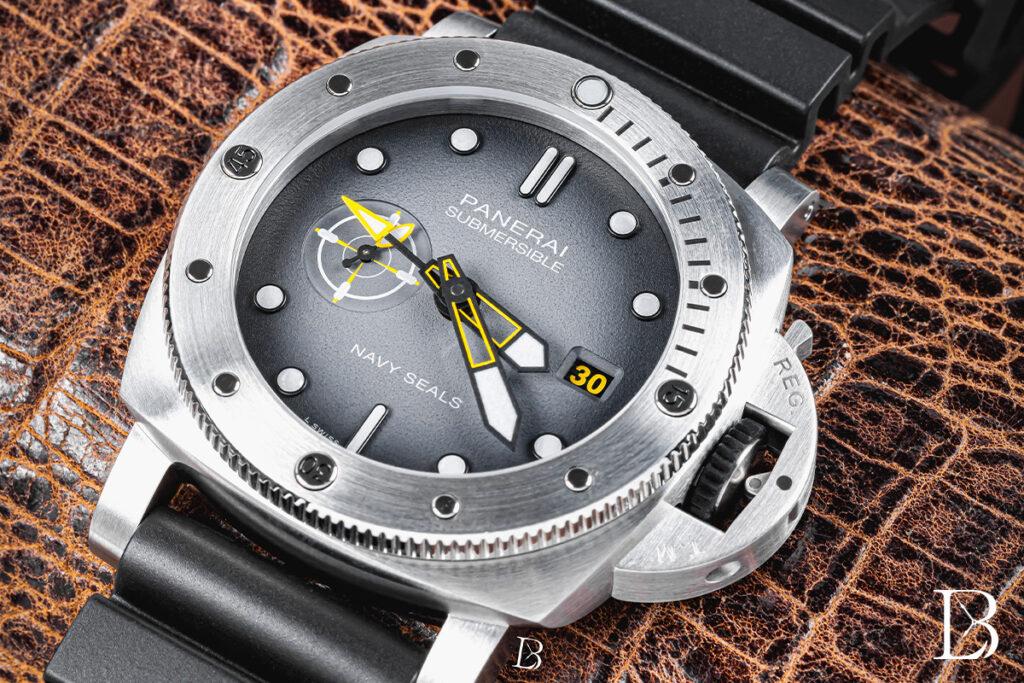
Panerai has made a lot of luxury sports watches that today can be purchased for $4,000-$10,000 pre-owned. They’re known for making large watches with cushion cases in three forms: Radiomir (no crown guard), Luminor (enormous flip-lock crown guard), and Submersible (a Luminor with a dive bezel).
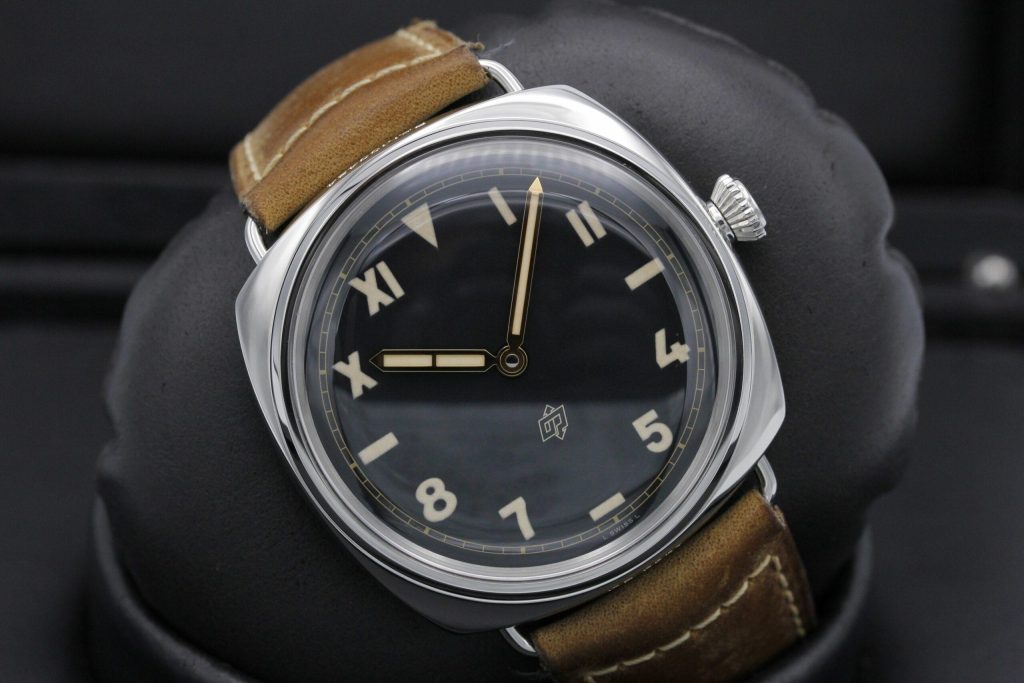
The original Panerai watches, supplied to the Royal Italian Navy as early as the 1930s, were just large white-label Rolex Oysters with pocket watch movements. But to their credit, the Luminor’s trademark backwards-C-shaped crown guard was Panerai’s addition. Panerai pretty much sticks to what they do best; they’ve made a ton of subtle variations of their three core watches in various colors and sizes. Panerai did go through some controversy about misconstruing third-party movements, so once you find a model that you like, it’s worth quickly researching what’s actually inside.
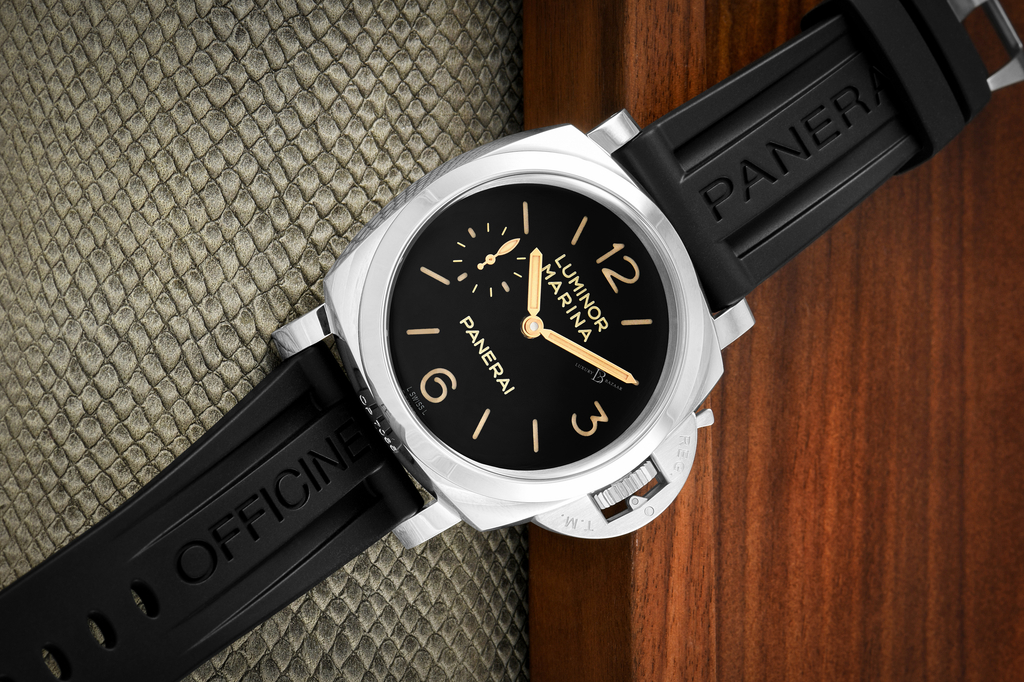
Panerai also caught heat from once-hardcore fans who bought “limited edition” models only to find them release shockingly similar regular-production models soon thereafter. So, the brand isn’t nearly as hot as they were in 2010, but they got hot for a reason–they’re cool-looking, well-built watches. And the relative lull in hype nowadays means you can find a lot of value on the secondhand market. In general, I prefer models with proper “sandwich dials,” which have multi-tiered dials with lume sandwiched in between, but there are plenty of nice-looking standard Panerai dials too.
For the Widest Variest of Luxury Sports Watches: Omega
Although Omega lost the #2 spot among luxury watchmakers to Cartier in recent years, they’re still a highly relevant brand with numerous (arguably too numerous) sports luxury watches on offer. To their credit, though, Omega has been streamlining their lineup a bit recently. In addition to a plethora of throwback “heritage” models released over the years, there are four main categories of Omega luxury sports watches to know about.
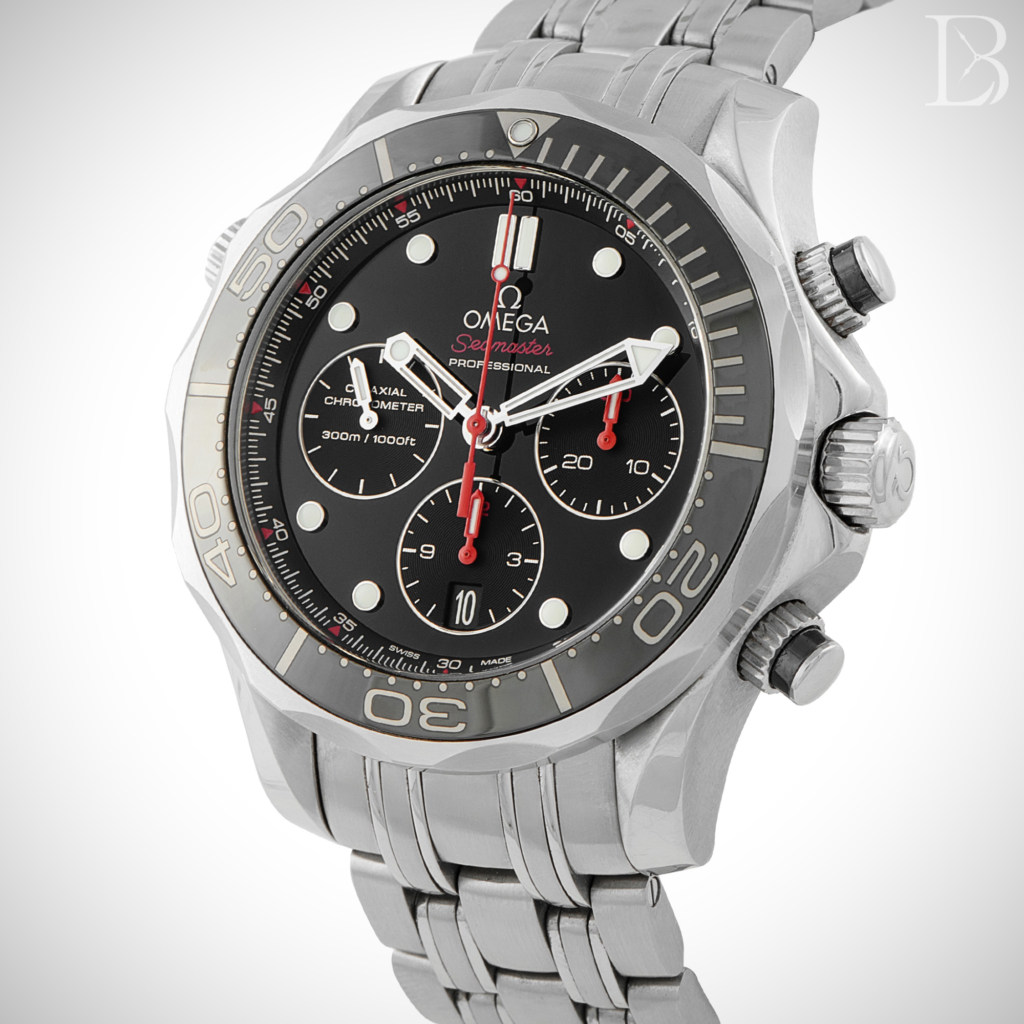
The first is the classic Seamaster Diver 300M. Chronograph versions of the Diver 300M like the one shown above are among the few luxury chronographs that can be activated underwater. Omega has put a ton of watches under the Seamaster moniker over the years, but if someone just says “Seamaster” (or “Bond Seamaster”) they’re most likely talking about a Diver 300M. When enthusiasts talk about the Seamaster Planet Ocean 600M, they just call it a “Planet Ocean.”
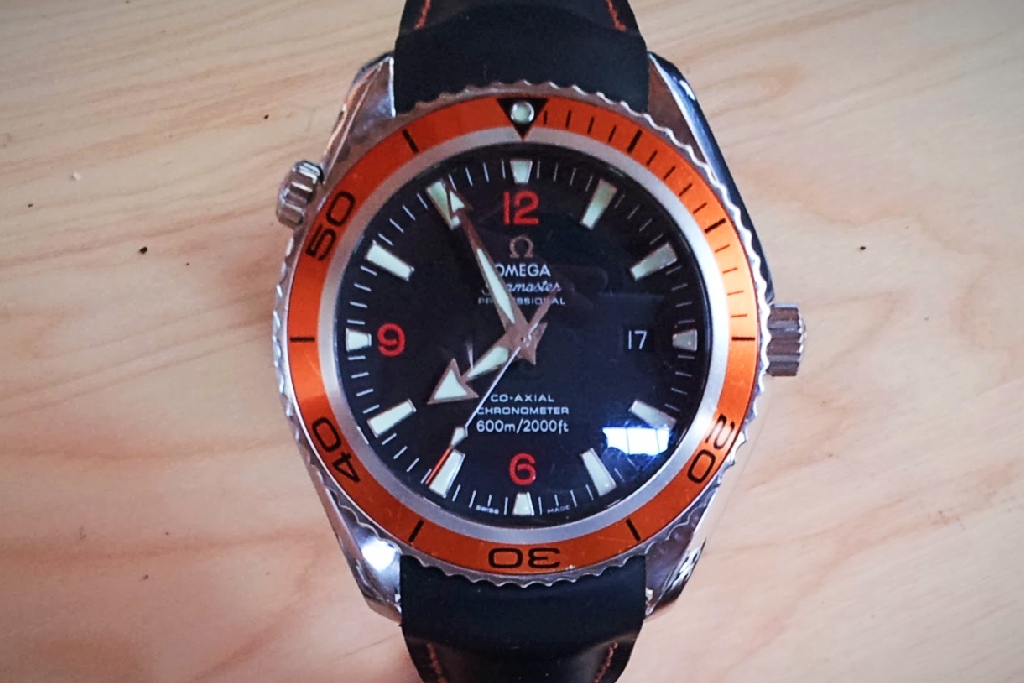
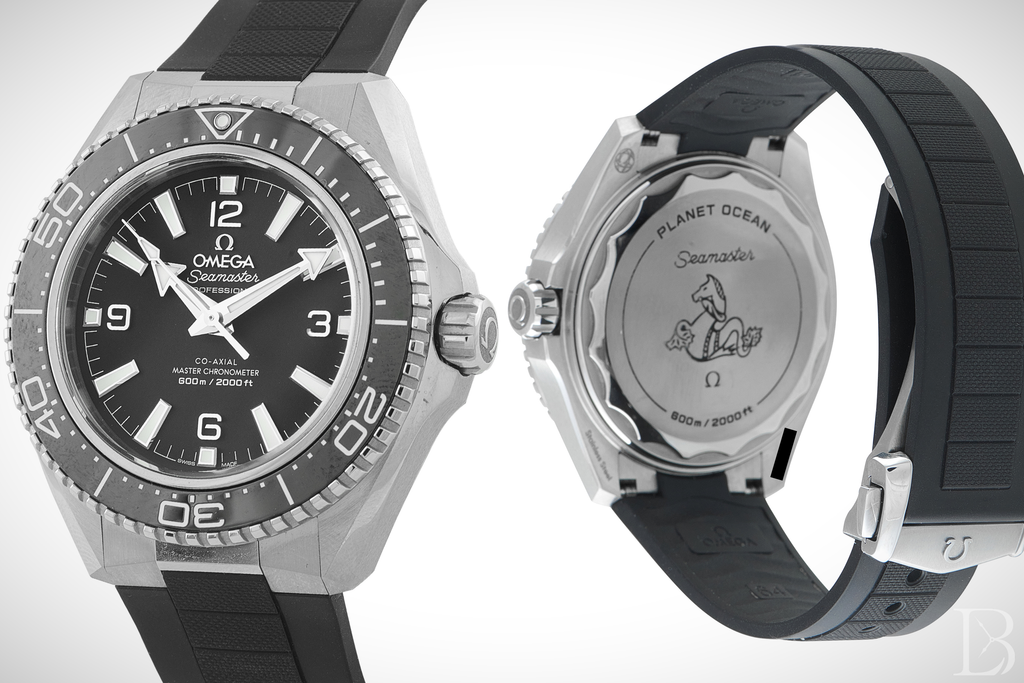
The Planet Ocean has a whole different look than the Diver 300M, and it was hugely popular when the first version of it (shown above) debuted in 2005. The newest version, which was among the 2025 Omega releases, has a more angular look and sells for about $8,000 in stainless steel pre-owned:
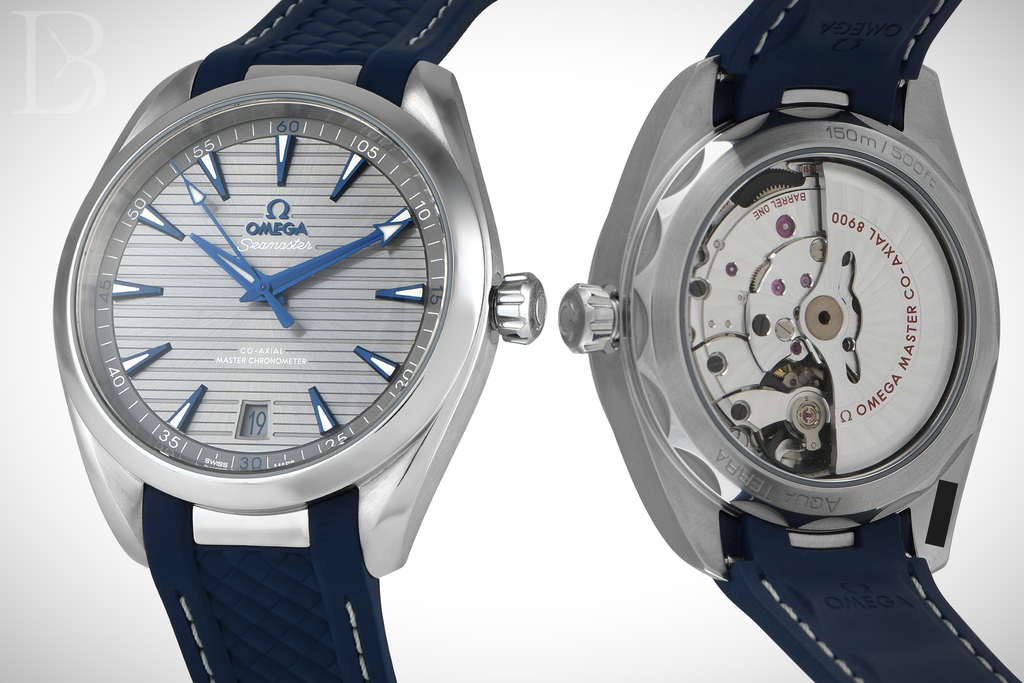
There’s also the Seamaster Aqua Terra, but again, everyone just calls it the “Aqua Terra.” It has a screwdown crown and 150m of water resistance, so it’s a proper luxury sports watch, but it has no rotating bezel. It’s just a regular time-and-date watch. Frankly, I think Omega should drop the “Seamaster” moniker from the Aqua Terra altogether, but regardless, it’s a great lineup to check out if you have $4,000-$8,000 to spend on the secondhand market. There are plenty of color and size options to choose from.
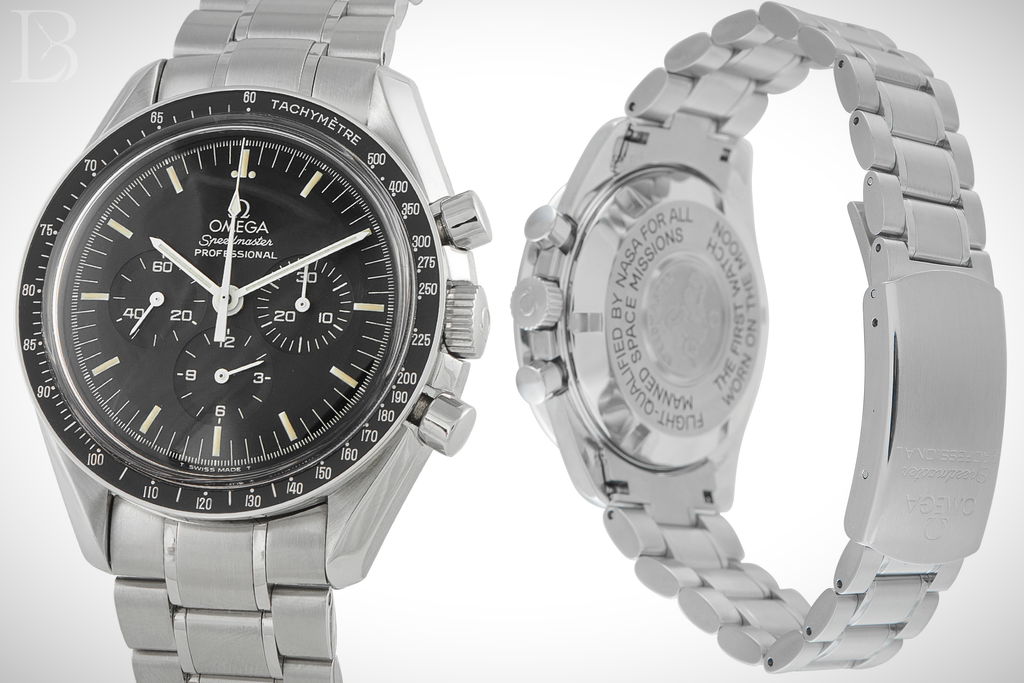
The famous Speedmaster is the certainly the family of luxury sports watches that Omega fans nerd out about the most. The Speedmaster has been offered in thousands of configurations, and they’re all chronographs between 38mm and 44.25mm in diameter. Most are automatic, but the Speedmaster Professional Moonwatch models, with 42mm cases and manual-wind movements like the first watches worn on the moon did, get the most attention. A basic pre-owned Speedmaster Professional like ref. 3570.50.00 (made from 1996-2014) is always an outstanding choice for a luxury sports watch in the $6,000 range.
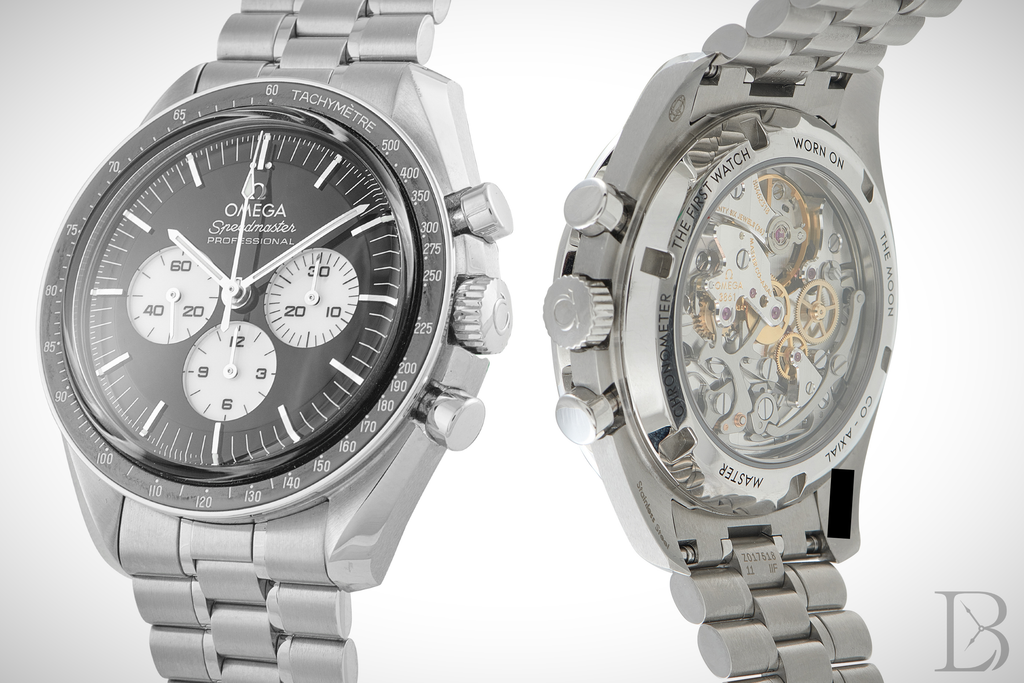
The latest and greatest versions, like the reverse panda Speedmaster Professional that was among the 2026 Omega releases, feature ceramic bezel inserts and Master Chronometer-certified movements. They’re worth closer to $10,000.
More on Omega:
Zenith
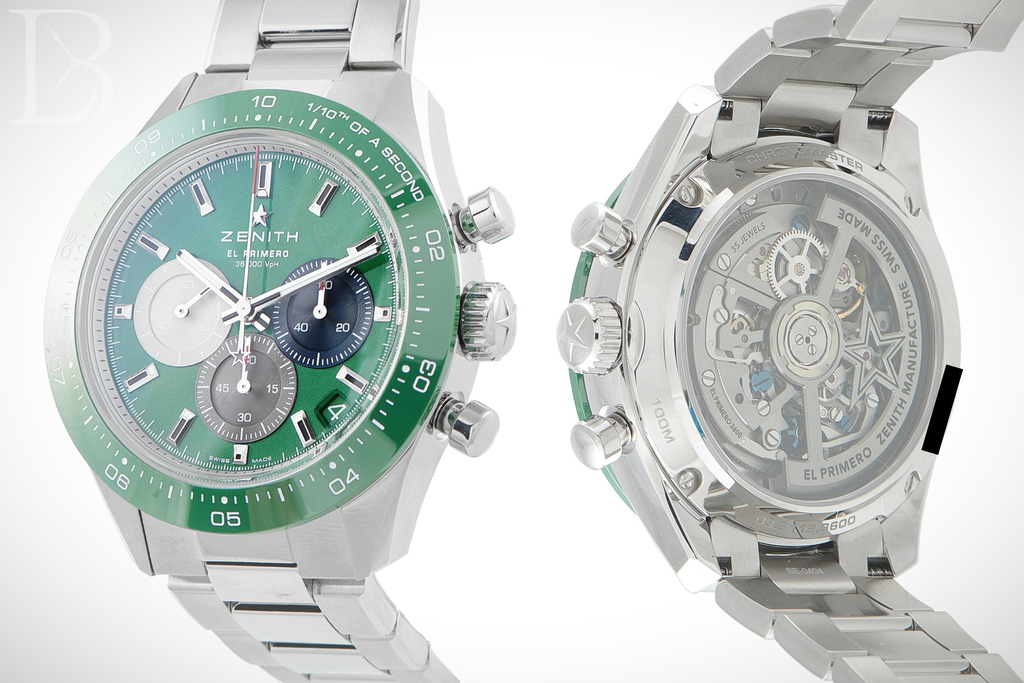
Zenith is another brand with strong secondhand offerings available particularly in the $4,000-$10,000 range. Zenith is famous for their high-beat El Primero chronograph movement, which was one of the first automatic chronograph movements and was also used in the Rolex Daytona from 1988-1999. Numerous attractive chronographs have been made as part of the Zenith Chronomaster line.
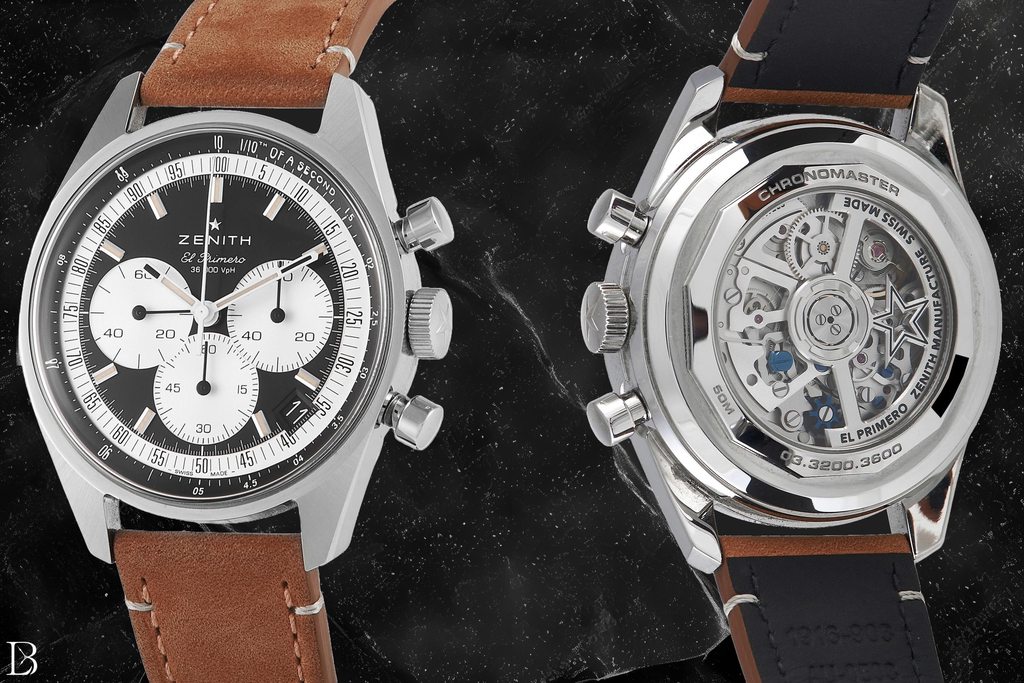
Chronomaster Sport models have a bezel to clearly read the unusual “tenths-of-a-second hand” (which makes a complete rotation every ten seconds) on the El Primero 3600 movement:
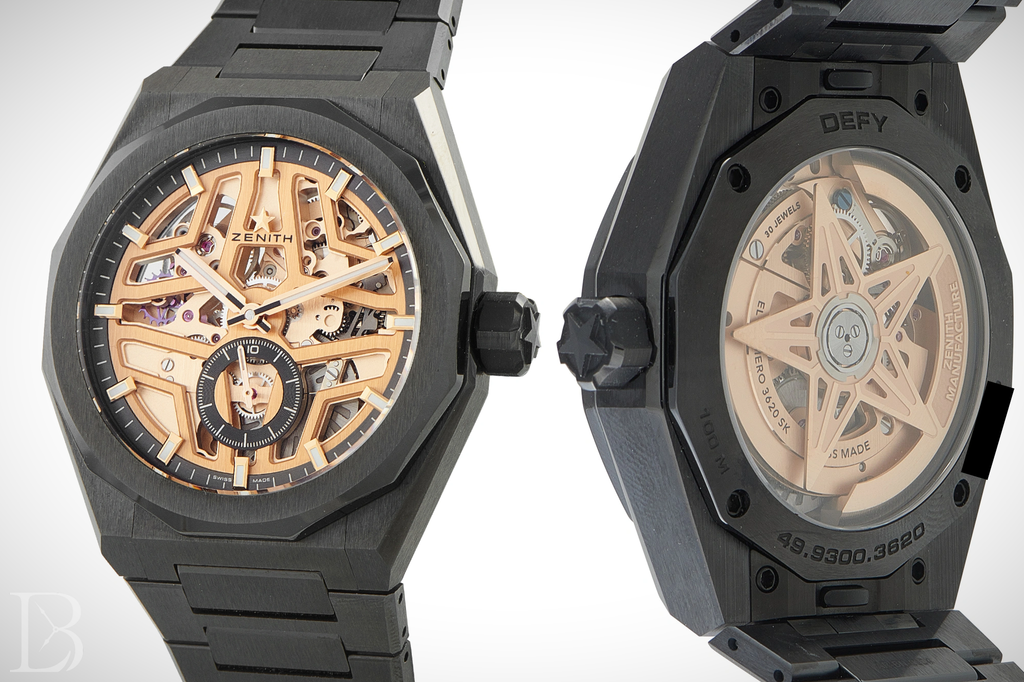
If you’re a fan of angular cases, the Zenith Defy line is also worth checking out. Recently Zenith has been focusing a lot on skeletonized movements along with full ceramic cases/bracelets.
Norqain
Norqain was launched in 2018 by the Küffer family, who owns the Roventa-Henex private label Swiss watch production facility. Their initial offerings were decent, but not very distinctive. In my opinion Norqain came into their own in 2022 when watch industry legend Jean-Claude Biver began to mentor CEO Ben Küffer, insisting upon making a sports watch that was extremely lightweight, shock-resistant, and different (so no steel or titanium). The result was Norqain’s now-definitive luxury sports watch, the Wild One.
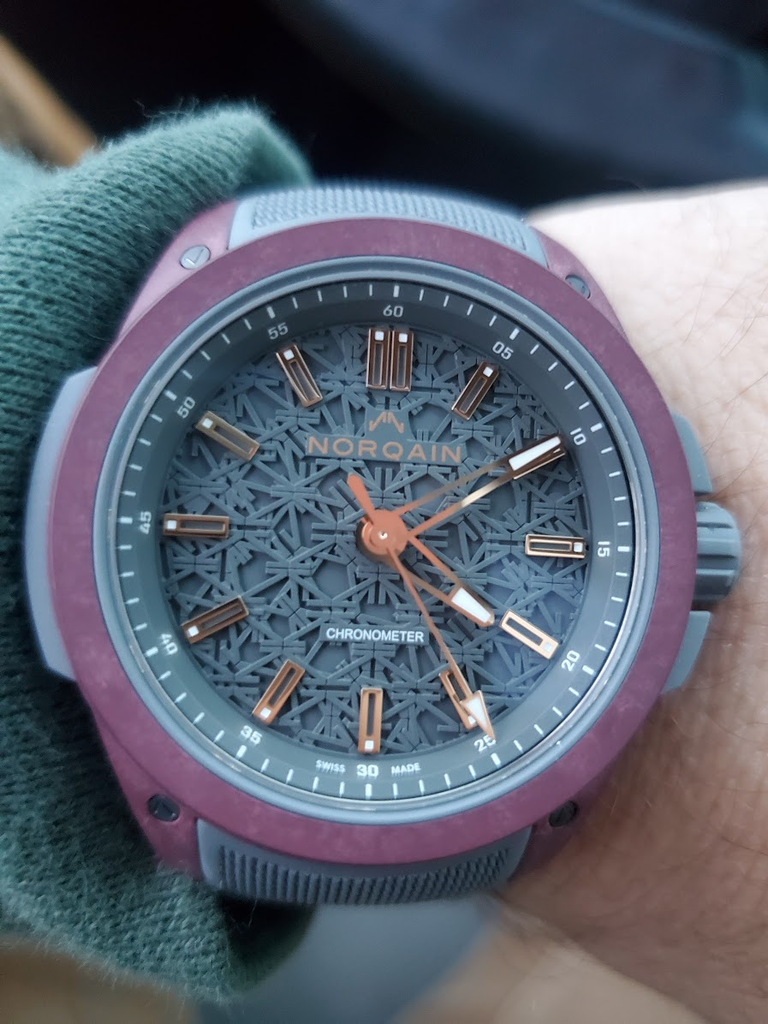
To maximize shock resistance, the movements (supplied by Kenissi and Sellita) sit in a titanium container surrounded by a colored rubber shock absorber, which is in turn clamped between two sections of Norteq. Norteq is a proprietary carbon fiber composite made with a polymer matrix mostly devised from castor oil. It’s very lightweight and scratch-resistant.
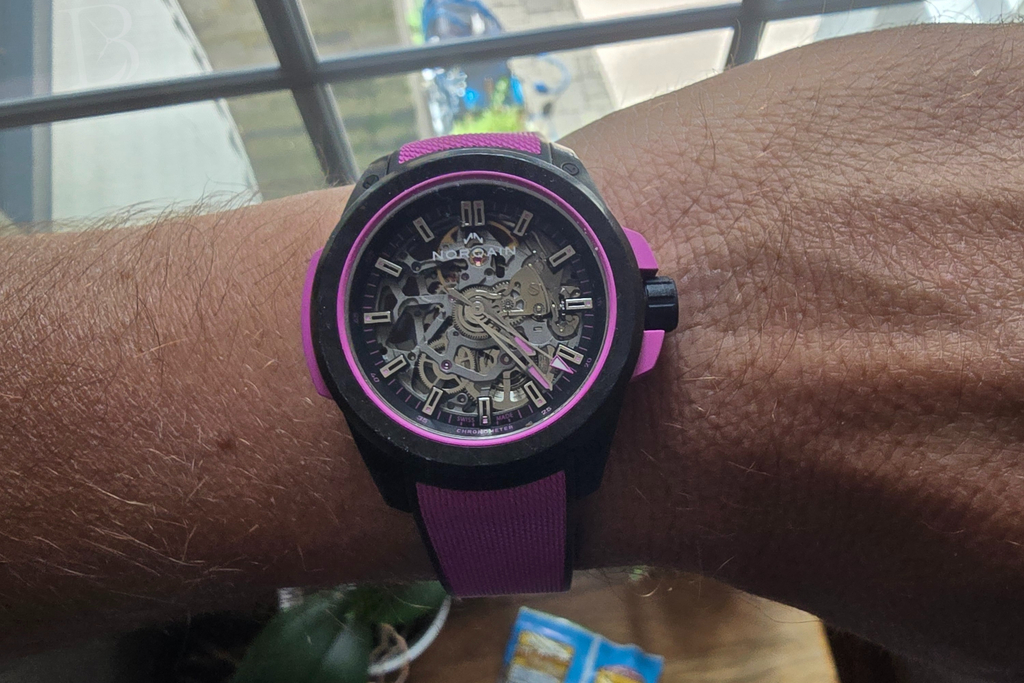
The original Norqain Wild One is 42mm, and can be found around $5,000 pre-owned. The Wild One Skeleton (which Mark Wahlberg wears on occasion) is available in 42mm or 39mm, and sells for around $6,000. They’re all very comfortable watches, and I highly recommend trying one on.
IWC
IWC is, according to Morgan Stanley’s estimates, the #12 Swiss luxury watch brand in the world in terms of revenue. In the 1980s they made the world’s first ceramic watch, and they also made another crucial breakthrough: Kurt Klaus’s fully crown-activated perpetual calendar. Most perpetual calendar watches have buttons on the case (which compromise water resistance) to adjust the various indicators, but the Klaus design advances everything by one day with one push.
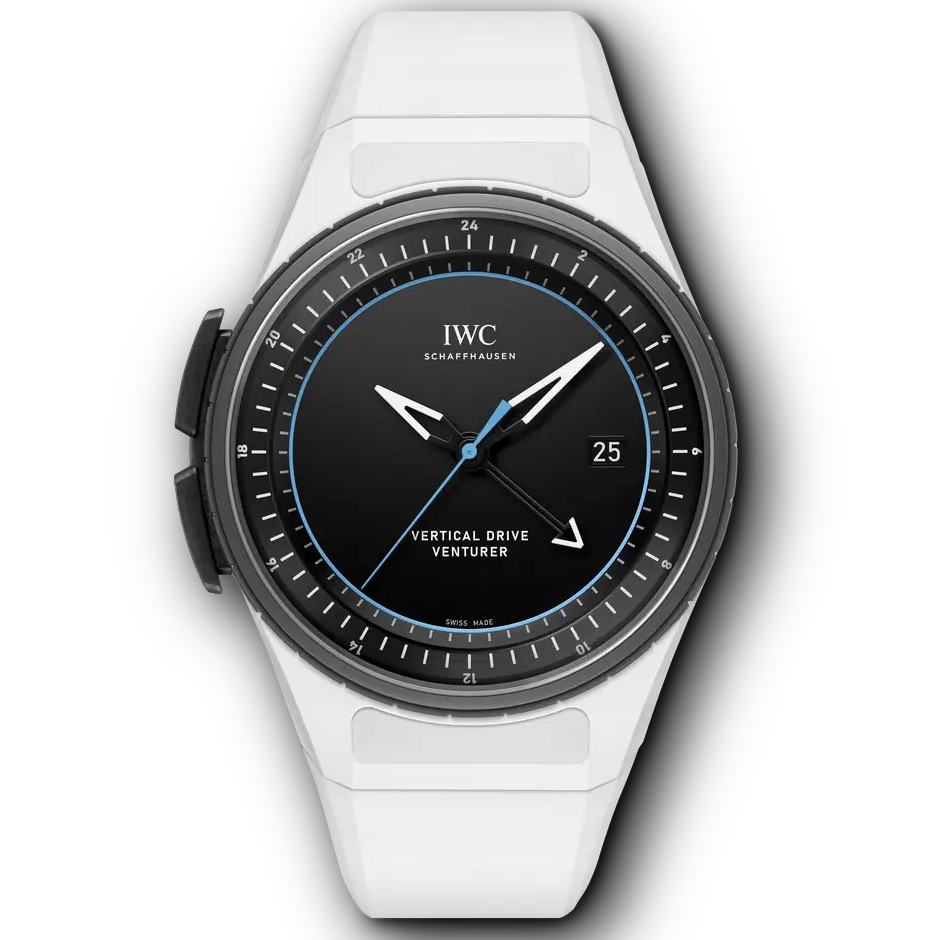
IWC hasn’t stopped innovating, and one of the best releases of Watches & Wonders 2026 was the crownless spaceflight-optimized IWC Pilot’s Venturer Vertical Drive. It lists for $28,200.
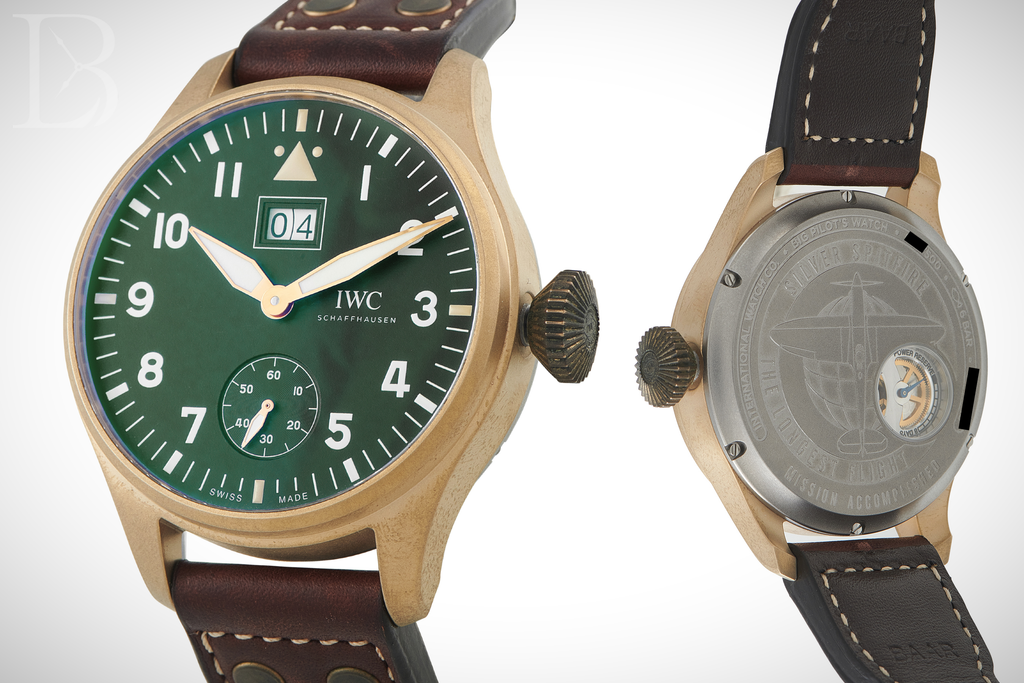
Overall, however, IWC is mostly known for their wide selection of pilot’s watches, like the Big Pilot and Mark models.
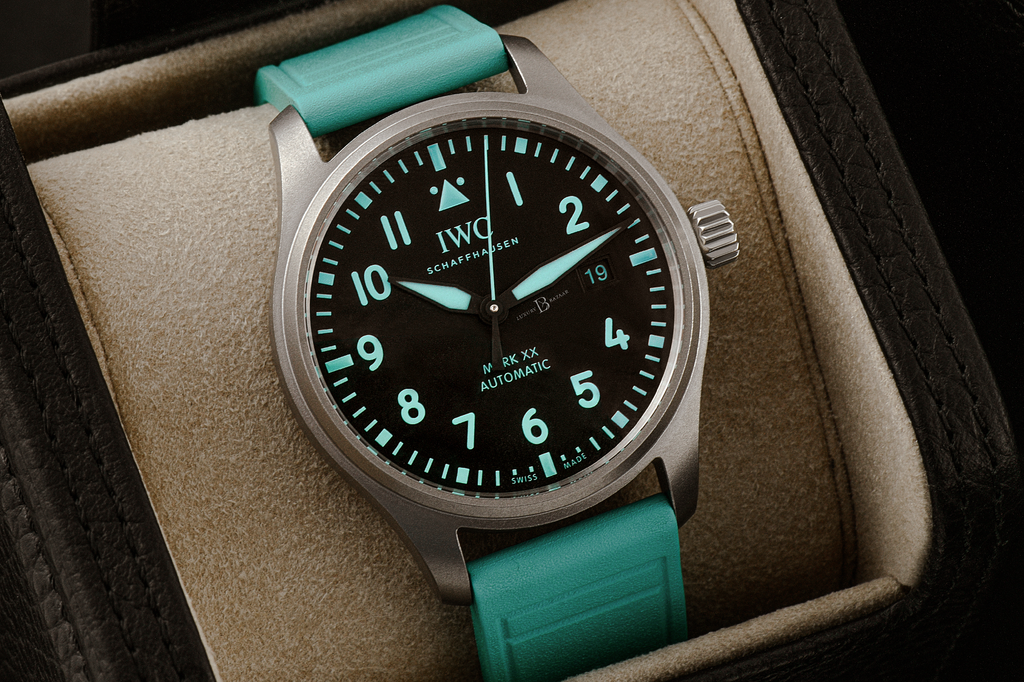
Pre-owned time-and-date watches like the Mark XVI and Mark XVII can be found for $3,500, and even current Mark XX models (featuring the IWC caliber 32111 with a 120-hour reserve) like the AMG-Petronas version below can be had for about $6,000.
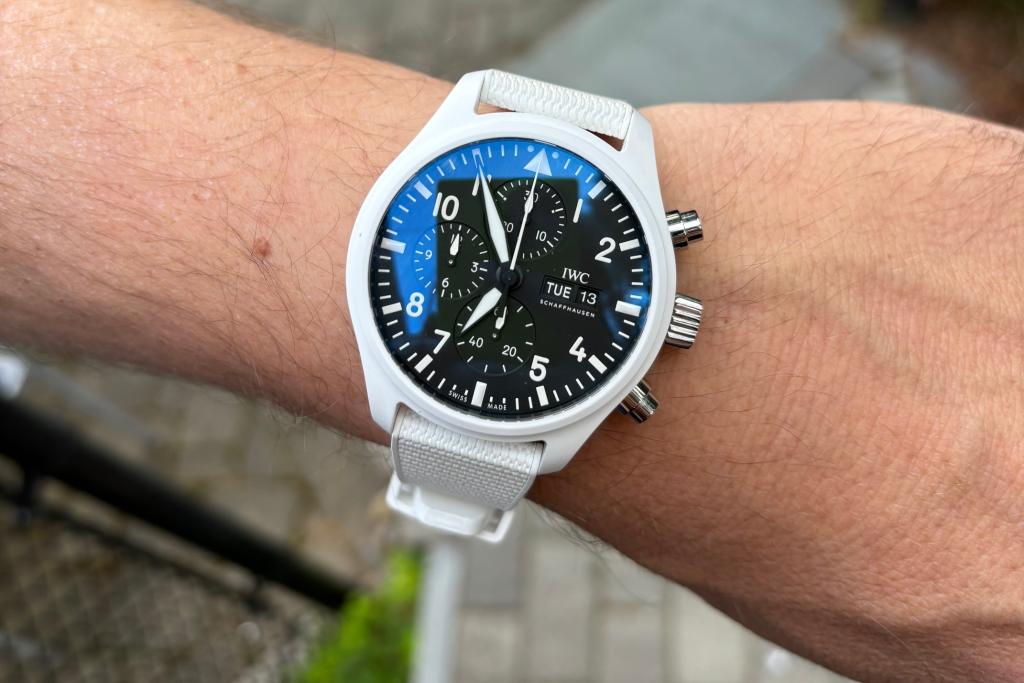
And if you can handle a fairly big watch that’s about 15mm thick, there are a lot of IWC chronographs worth a look in the $10,000 used range, like the IWC Pilot’s Watch Chronograph Top Gun Edition “Lake Tahoe.”
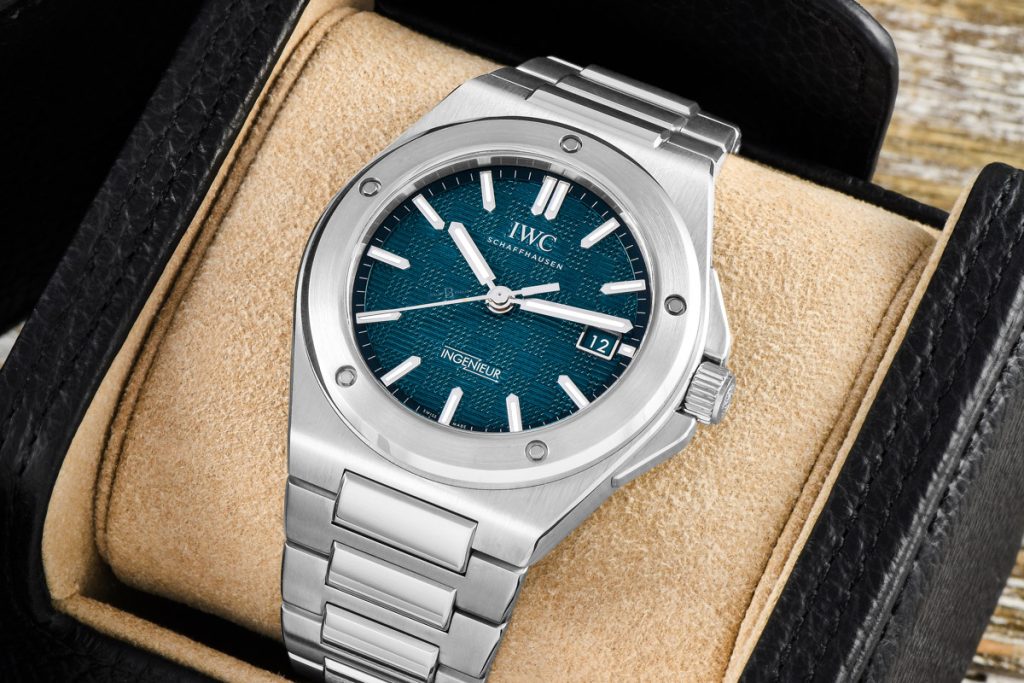
In that same price range, the IWC Ingenieur is also gaining steam, despite much competition in the world of luxury watches with integrated bracelets.
Jaeger-LeCoultre
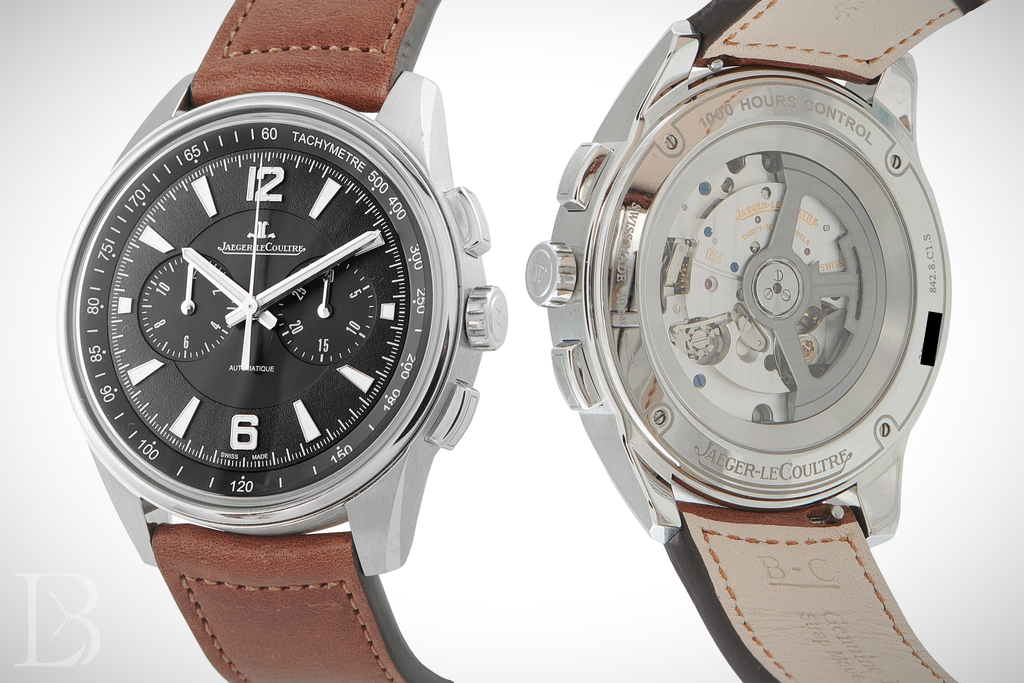
Jaeger-LeCoultre is highly respected among watch collectors, and they’re known as the “watchmaker’s watchmaker” for good reason. But they mainly do dress watches. Even their most famous watch, the Reverso, which was supposedly invented for a sport (polo) is regarded as a dress watch today. But there are a couple of underrated JLC sports watch lines worth knowing about. The Polaris, re-launched in 2018, is an understated and classy line of luxury sports watches.
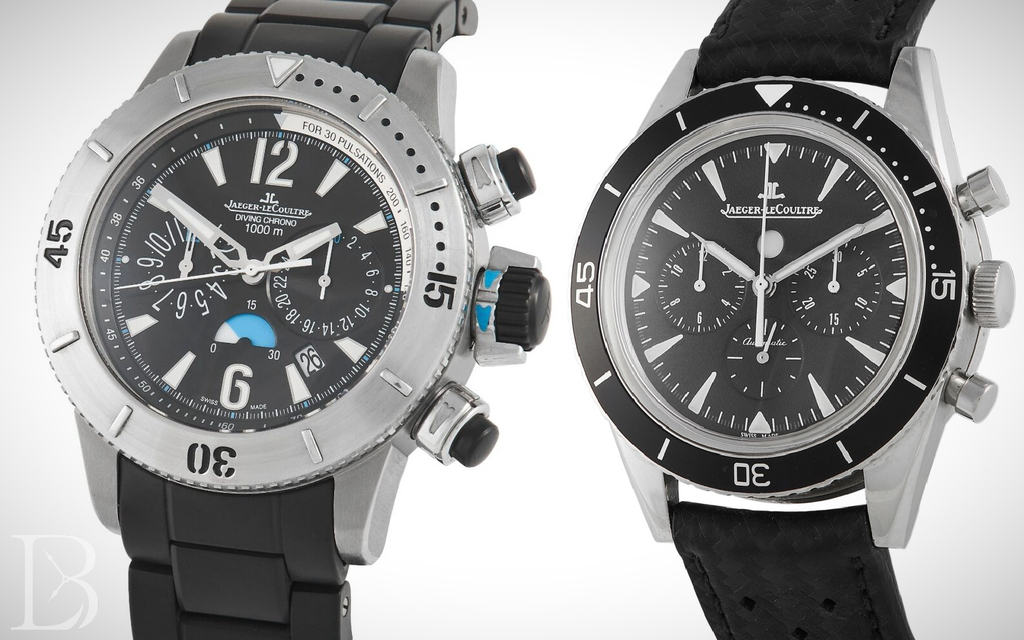
Before the Polaris there was the Master Compressor. Both the Master Compressor Diving Chronograph and its replacement, the Master Compressor Deep Sea Chronograph, have chronograph pushers that can be used underwater.
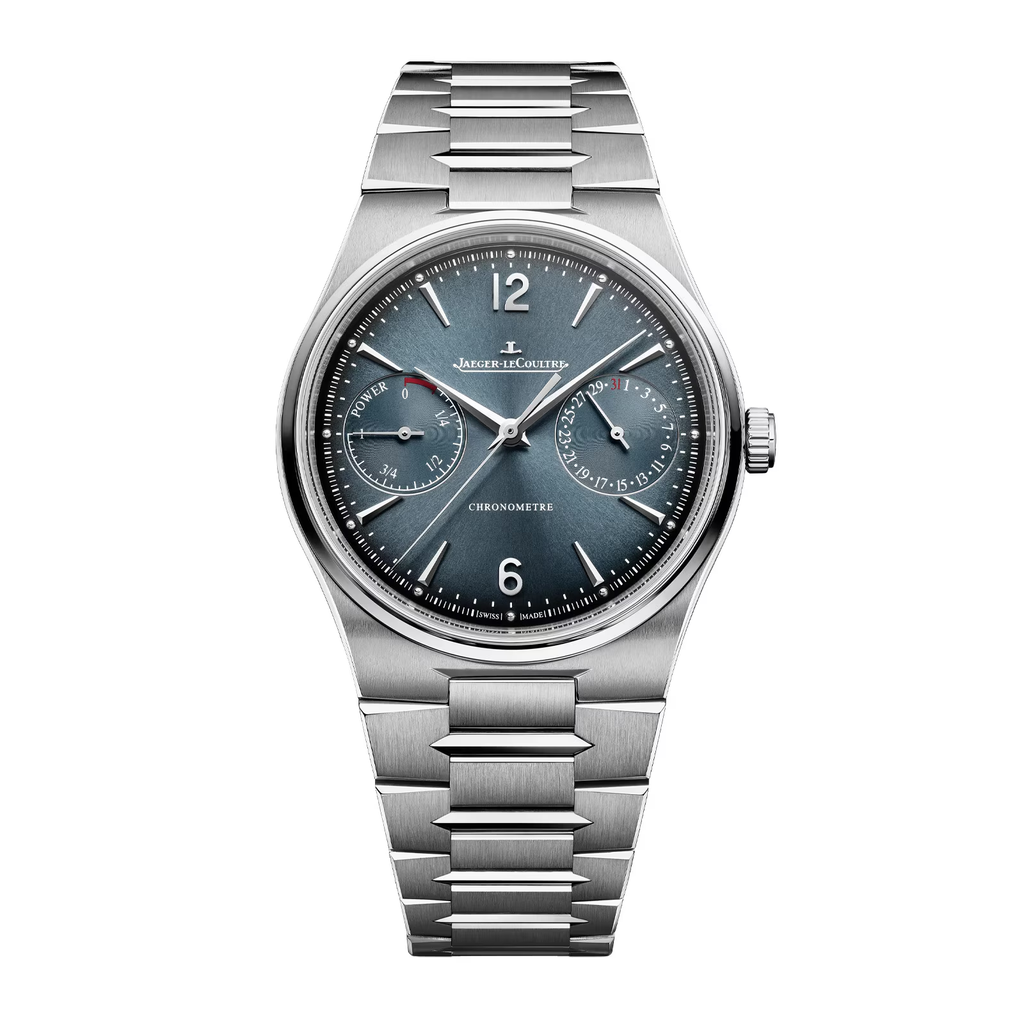
Among the 2026 JLC releases was a new Master Chronometre lineup with integrated bracelets. I’m a particular fan of the stainless steel version with a power reserve and date indicator, with a list price of $17,000. It’s pretty dressy, but I’d still consider it a luxury sports watch.
Grand Seiko
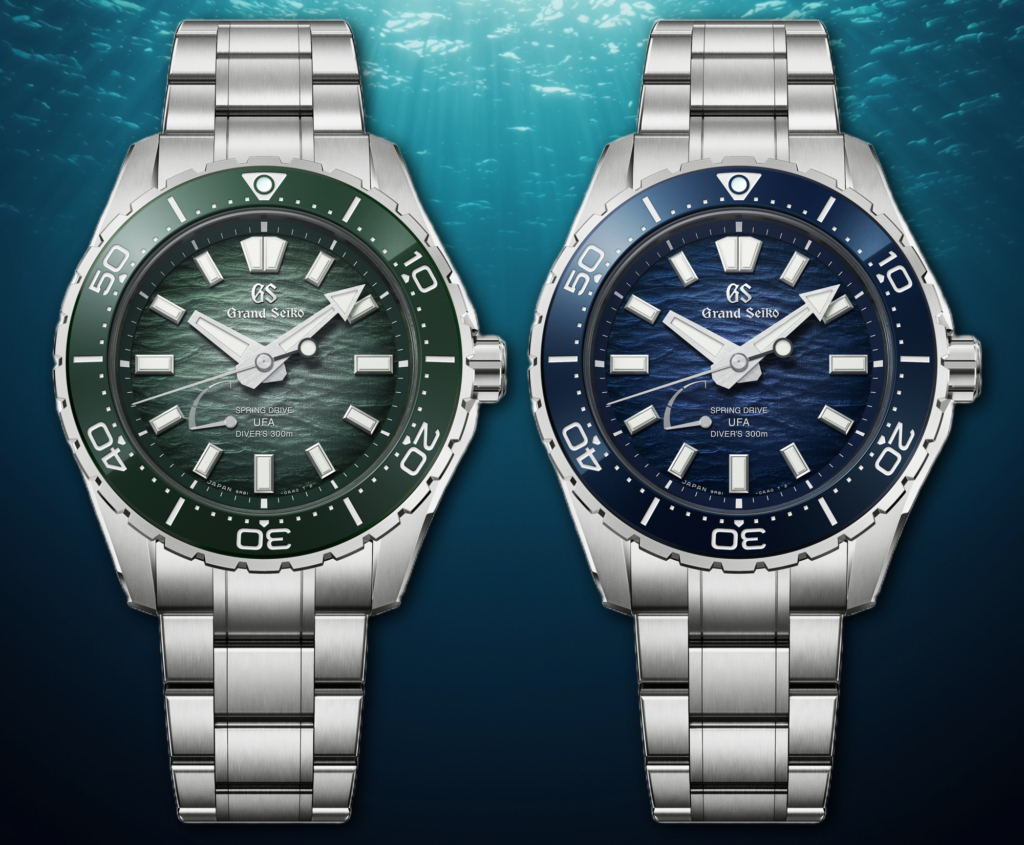
Grand Seiko offers a lot of value for the money; their fit and finish is exceptional and it’s no secret that their dials look better under a microscope than just about anything else in the $5,000-$15,000 range. But in my opinion, their forte is semi-dressy everyday watches, not luxury sports watches per se. Historically, most Grand Seiko chronographs and other sports watches have been, frankly, too clunky and thick to catch on. But the 2026 Grand Seiko releases included their first reasonably-sized dive watch, the Ushio Diver, featuring a killer new UFA Spring Drive movement that keeps time within ±20 seconds per year.
For Luxury Sports Watches with Advanced Materials: Hublot
When it comes to materials used in watchmaking, Hublot is one of the most innovative brands there is, having used everything from a cement-based composite to recycled Nespresso pods. They make sapphire-case watches as well as ceramic-case watches in more colors than any other brand. In 2005, when the Big Bang came out, Hublot was red hot. They were a big part of the shift towards aggressive modern luxury sports watches that continues today. I also think they helped popularize luxury watches with rubber straps in general.
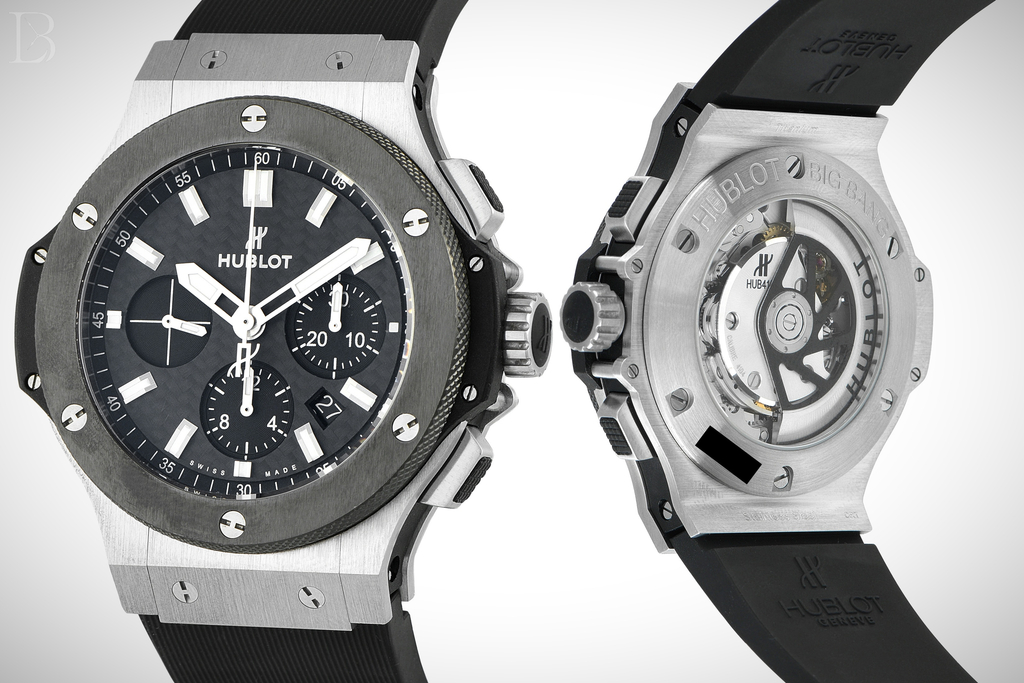
Hublot’s popularity hit a peak in 2011 when Jay-Z shouted them out in the song “Otis,” but by about 2020 the tides had turned and it was inexplicably fashionable (almost conventional wisdom) to mock Hublot on watch forums online. I’ll admit I cracked a couple of Hublot jokes back in the day, but when you see them in person, well, they’re awesome. Now the tides are turning in favor of Hublot again, and I happily own one.
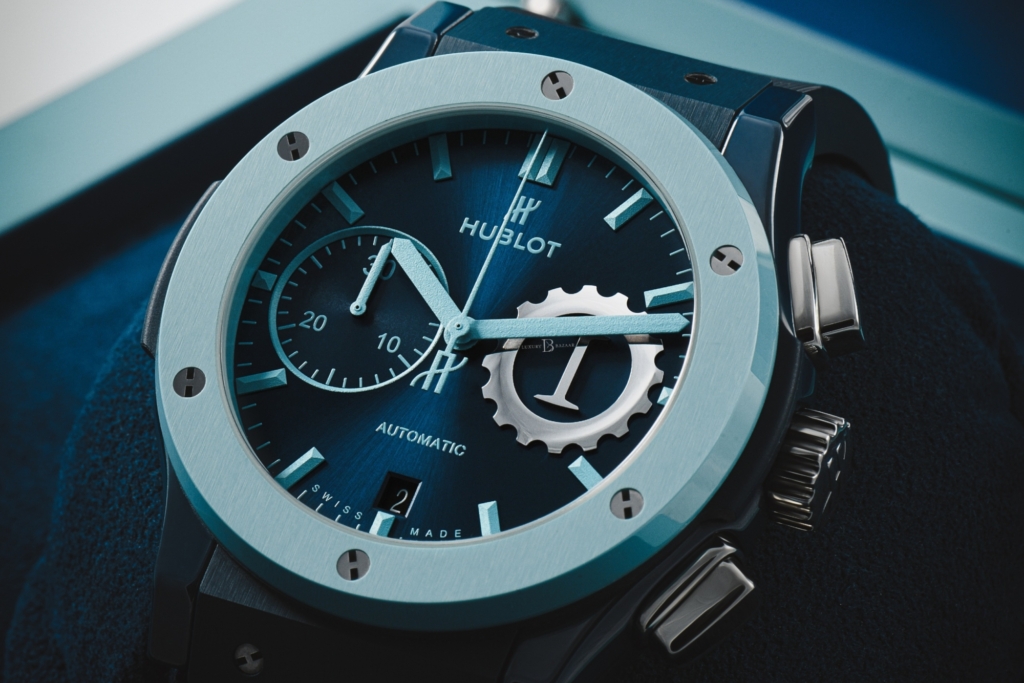
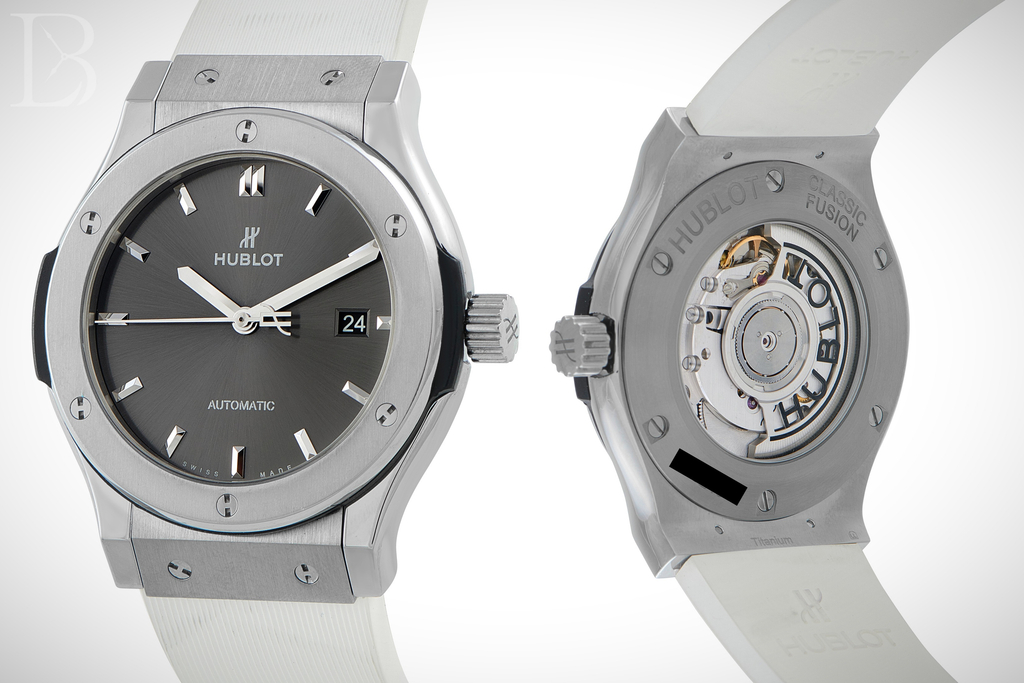
At the high end, in addition to their solid sapphire watches, Hublot offers things like double-axis tourbillons, 50-day power reserves and exotic artist collaborations that can reach into six figures. Most of their chronographs feature their excellent Unico in-house movement, and $15,000 gets you a lot of watch in the pre-owned Hublot market. But Hublot also excels in the $4,000-$8,000 used price range, with Classic Fusion models (with common but reliable ETA/Sellita movements) readily available for sale in numerous colors and configurations.
The King of Luxury Sports Watches: Rolex
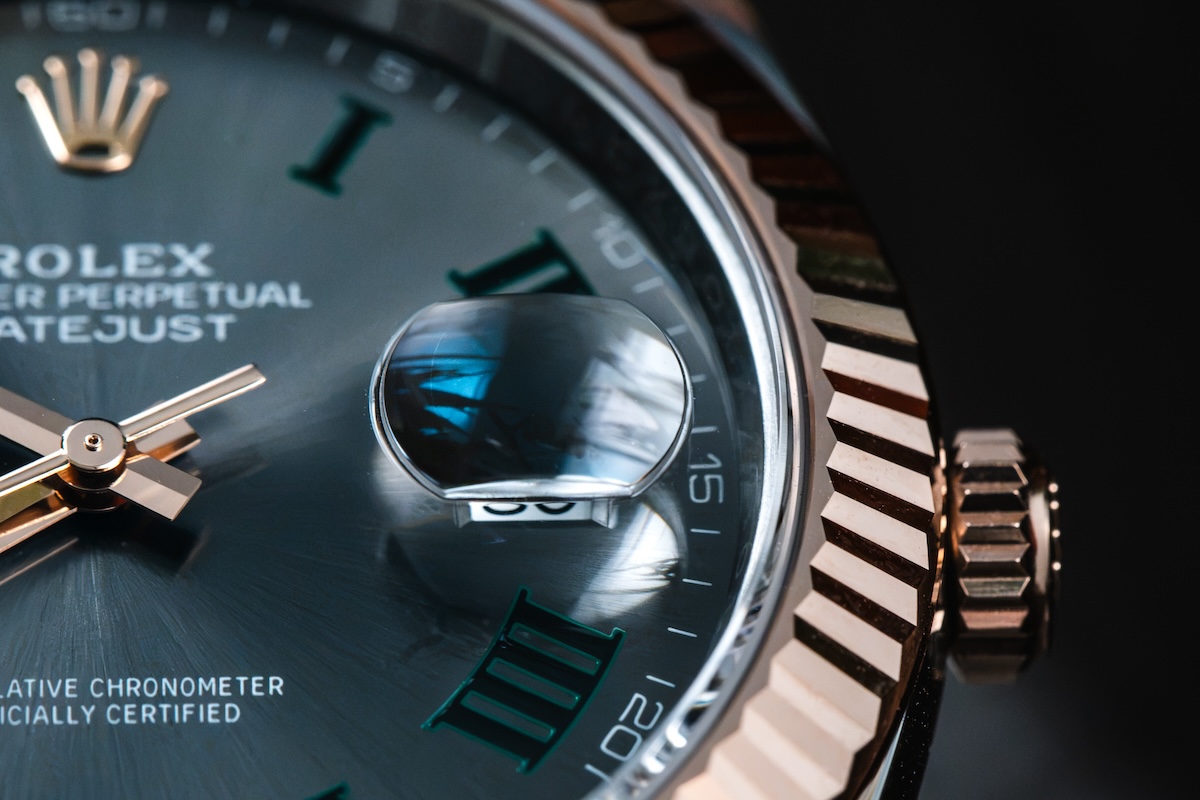
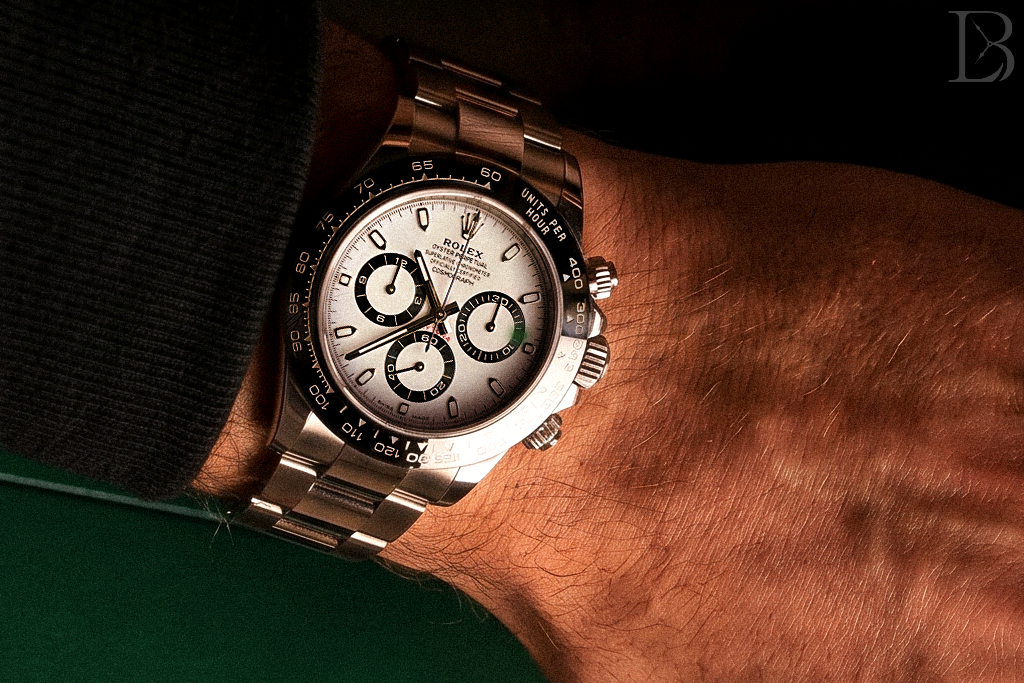
Rolex, simply, dominates the world of luxury sports watches. When people refer to “Rolex sports watches” they’re usually talking about models with numbered bezels (i.e. the Professional Models–Daytona, GMT, Submariner etc.) but in my opinion the basic Oyster Perpetual is the quintessential sports watch. It’s waterproof and shock-resistant, and only offered with a stainless steel case/bracelet. The Explorer and Air-King are just Oyster Perpetuals with different hands and dials.
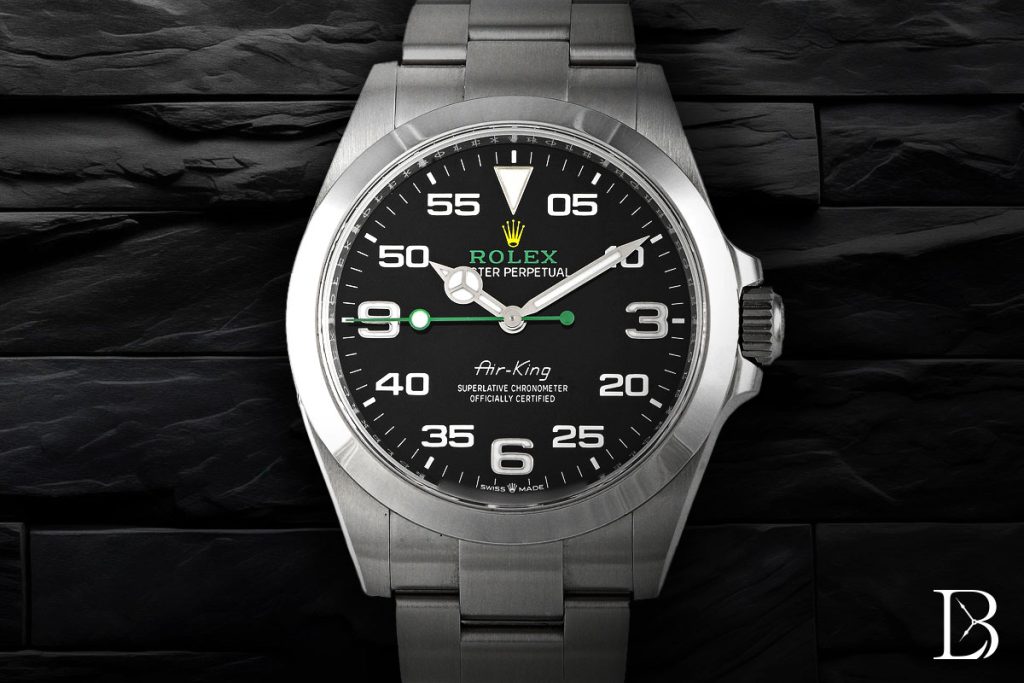
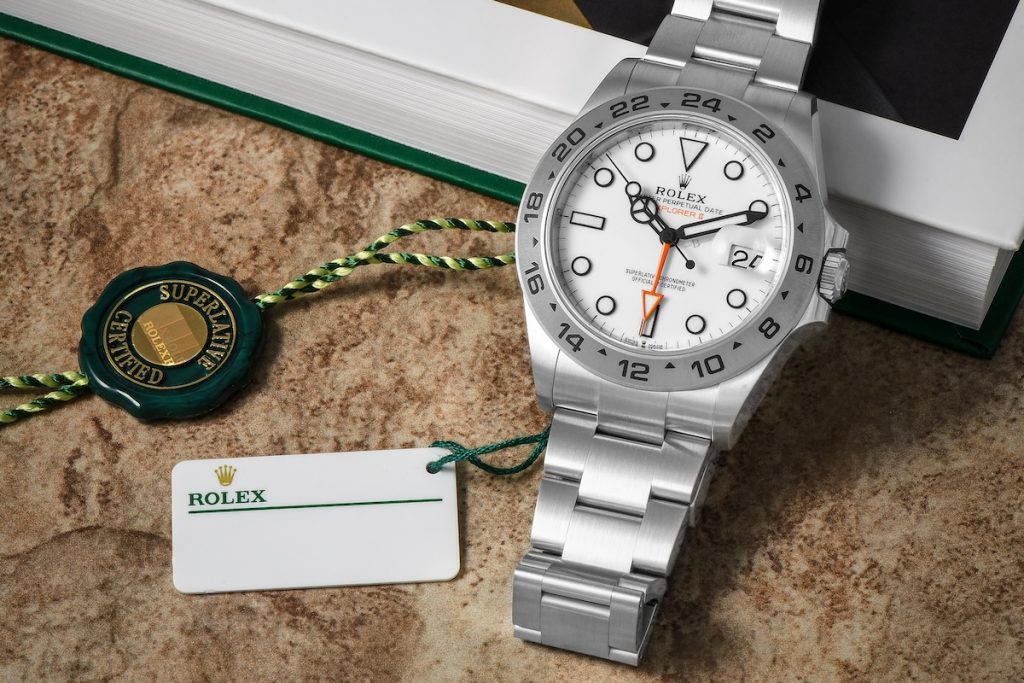
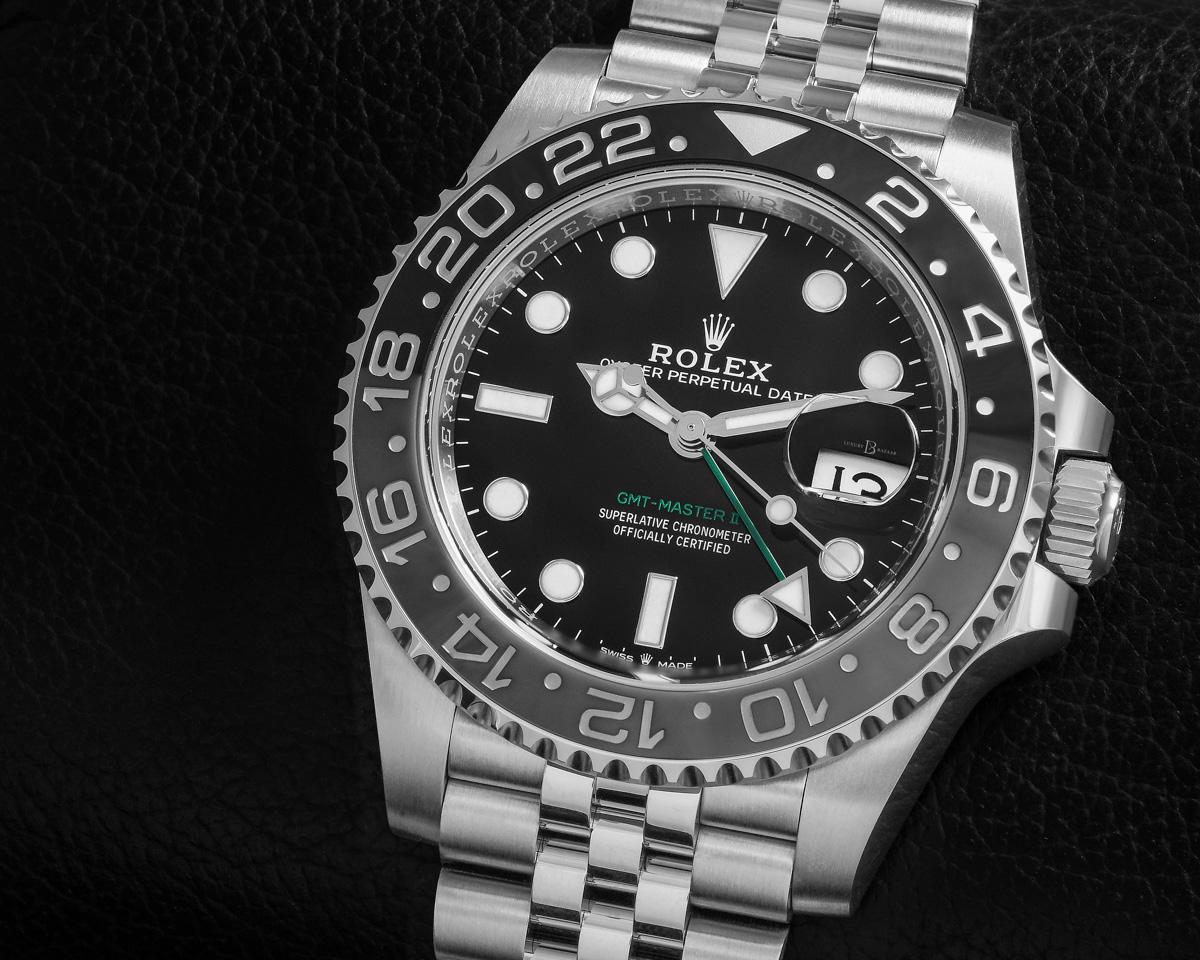
And technically, all the watches Rolex offers, except for the 1908 Perpetual dress watch, are Oyster Perpetual models. The GMT-Master II is an Oyster Perpetual with a 24-hour hand and a rotating 24-hour bezel. The latest Explorer II is like an upsized GMT-Master II except with a fixed steel bezel, and so forth.
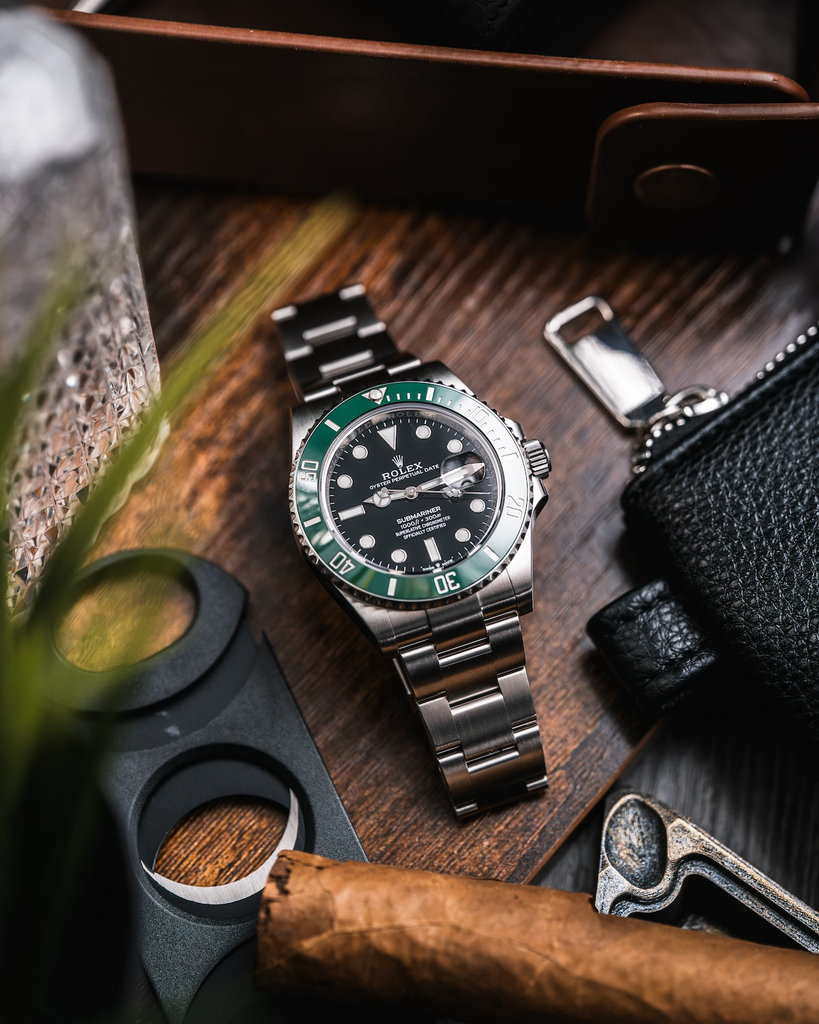
The thickness of a Rolex Submariner, Sea-Dweller or Deepsea is greater than other Oyster Perpetual models in order to achieve greater water resistance. But aside from that, a Submariner is essentially an Oyster Perpetual with a rotating 60-minute bezel.
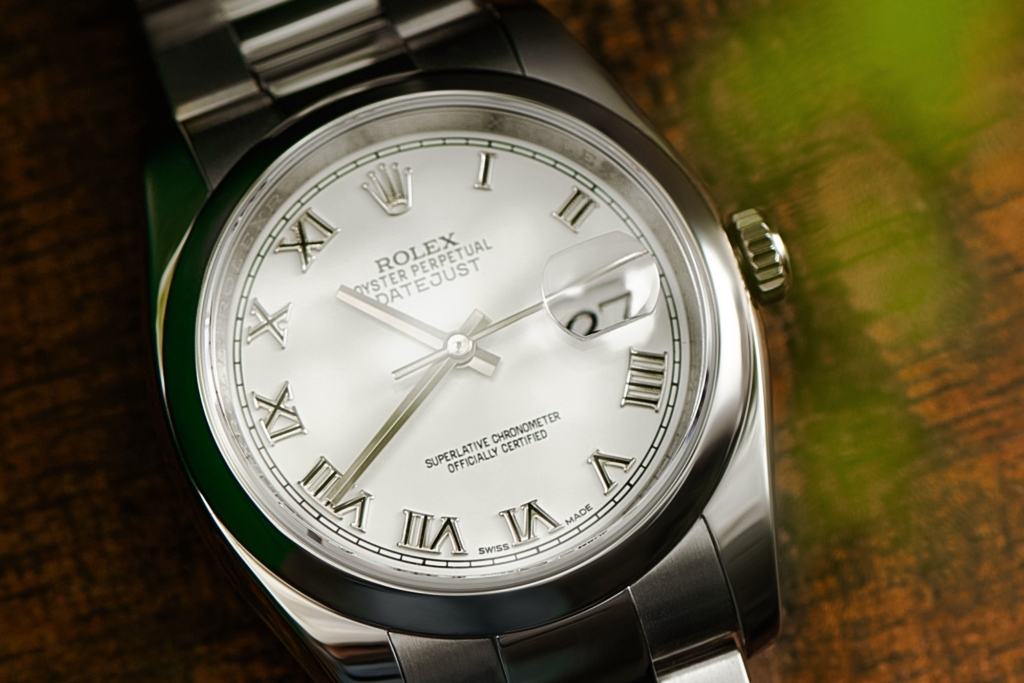
You can browse countless articles here on Grey Market to learn about the minutiae of the Rolex market, but I’ll sum up what first-time buyers should know: Unless you’re cool with small/vintage models, you need about $7,000 for a model worth getting, like a previous-generation-but-still-pretty-new Datejust 36 (ref. 116200) or Explorer (ref. 114270).
$8,500 or so is enough for neo-vintage sports models like a Rolex Submariner 16610 or a Rolex Explorer II 16570. Thanks to the infamously long Rolex waiting list, many of the most popular Rolex models in the current lineup sell for well over MSRP. Stainless steel GMT-Master II models like the “Bruce Wayne” and “Batman” can sell for around $20,000 secondhand, which is roughly the price that most Rolesor (two-tone) Rolex sports watches actually sell for.
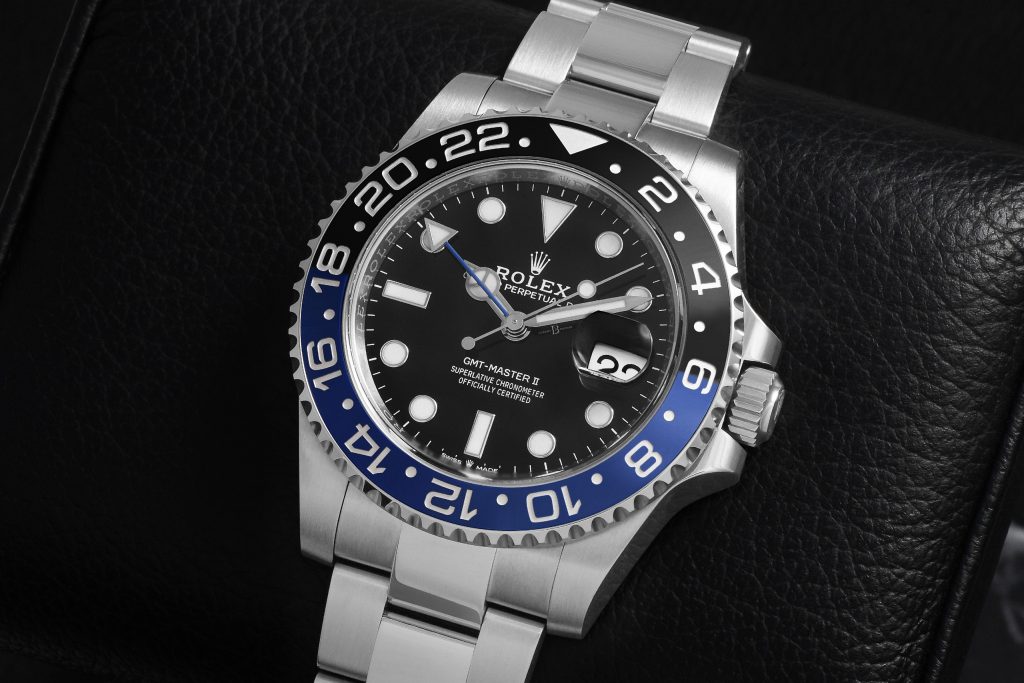
When you get just above that price range, there are numerous badass options to choose from, which is why we specifically wrote a guide to the best $25,000 Rolex watches. And for luxury sports watches above that price range, although there are some very expensive precious metal Rolexes worth considering, many other brands deserve a look. Let’s talk about some.
More Rolex Price Guides:
Girard-Perregaux
We’ve consistently said that Girard-Perregaux is one of the most underrated luxury watch brands on the market today. But although they’ve made numerous contributions to watchmaking, much like JLC, they’re not really known for sports watches. They do have one, though: The Girard-Perregaux Laureato, which first appeared in the 1970s to compete with the Audemars Piguet Royal Oak. In my opinion, the thin and iconic ref. 8010 from the 1990s is the ultimate version of the Laureato. Good examples cost around $18,000 today.
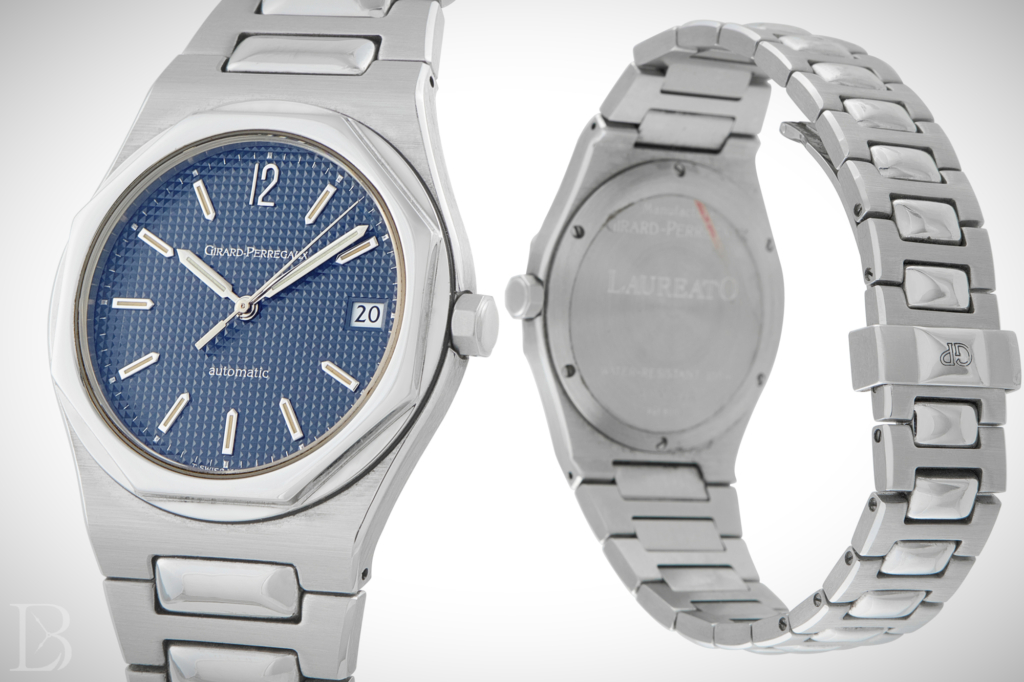
Numerous modern versions of the GP Laureato can be found for around $10,000 in 38mm and 42mm sizes, almost always with hobnail dials.
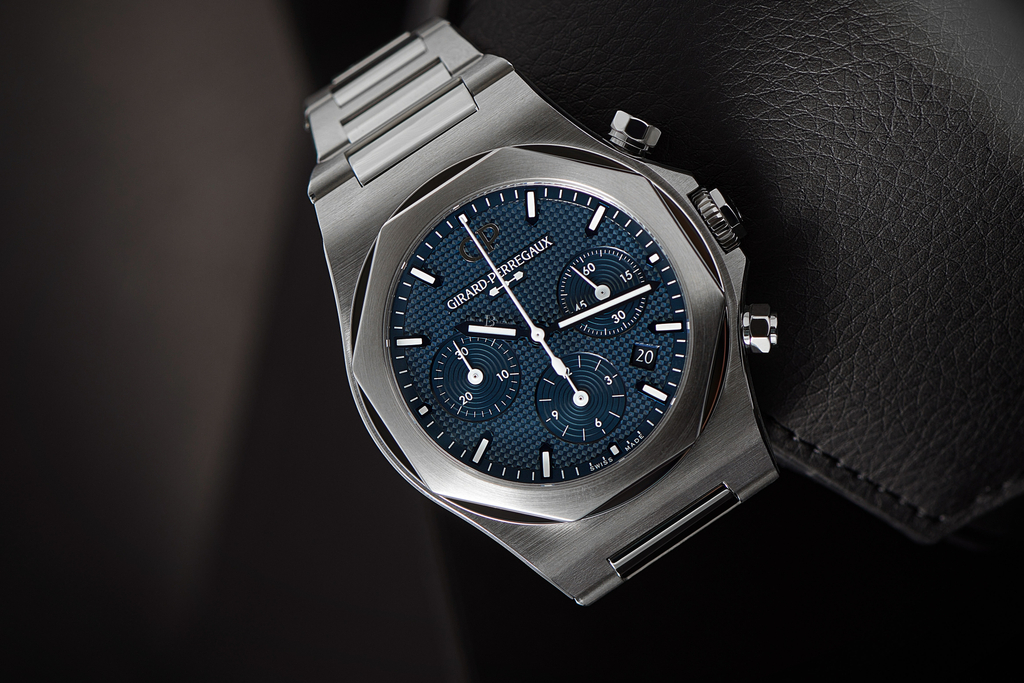
Laureato Fifty models, which first appeared among the 2025 Girard-Perregaux releases, come with even fancier movements and >$20,000 price tags.
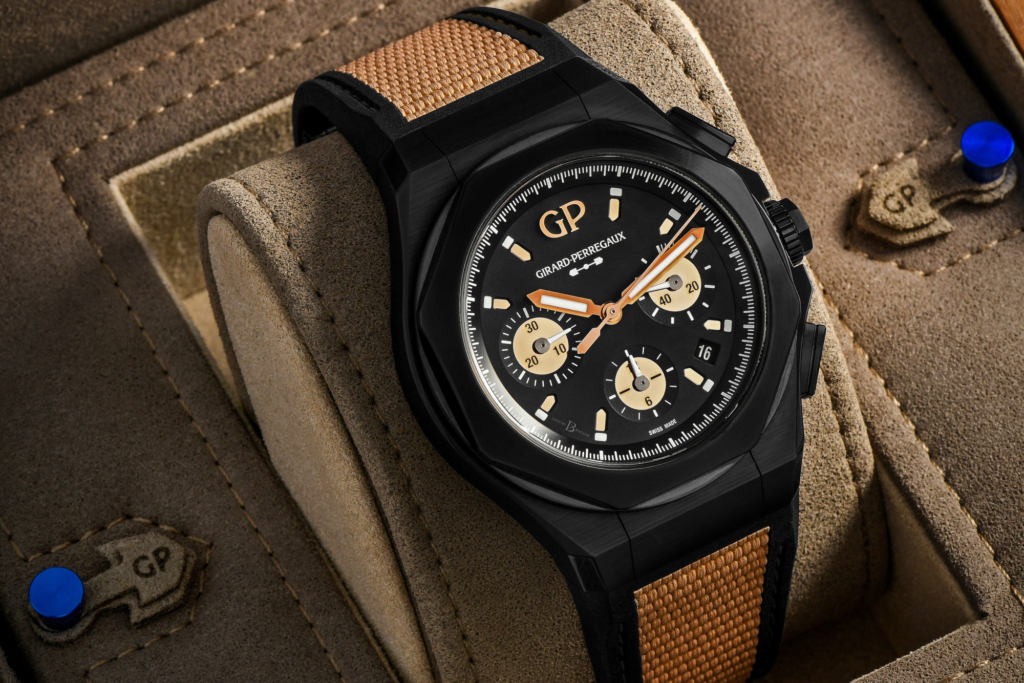
There are also two generations of aggressive 44mm versions–the Laureato Evo3 from the early 2000s, and the Laureato Absolute, which is in the current lineup.
More on Girard-Perregaux:
Ulysse Nardin
Ulysse Nardin, Girard-Perregaux’s sister company under the Sowind umbrella, has a long history of making maritime chronometers and, in recent years, excellently-finished watches with bold designs. Some were arguably too bold and too, well, anchor-themed. But I have to give UN credit for making some good moves recently, particularly since the Sowind management team bought the company in 2022. The Diver Air, one of Ulysse Nardin’s 2025 releases, is the lightest dive watch in the world, and it’s a hit. Used ones sell for $45,000, roughly their full new list price.
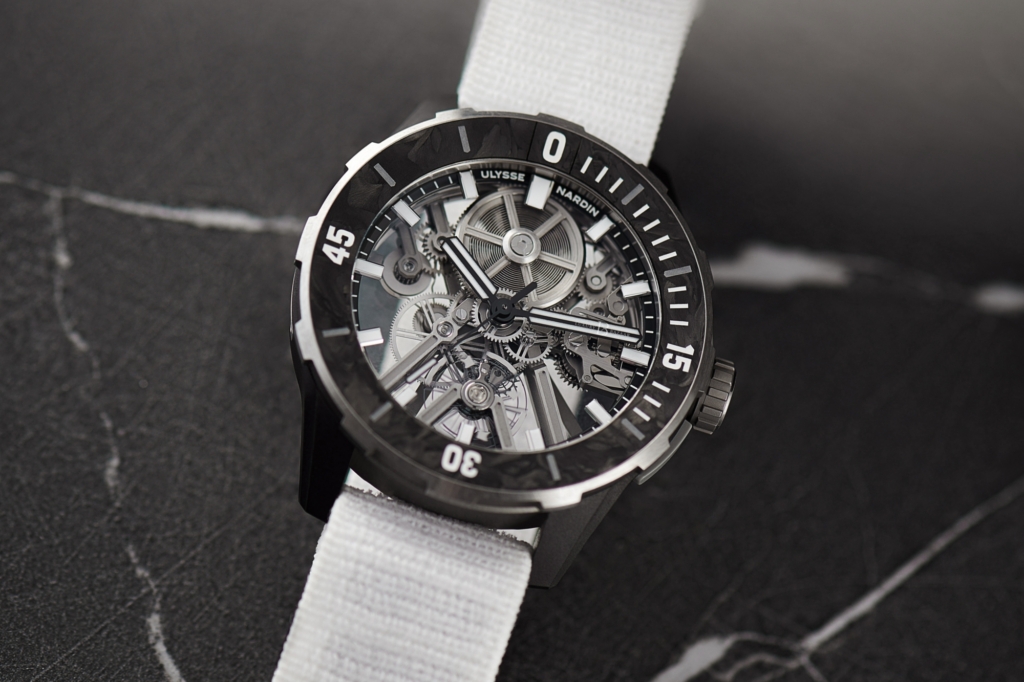
UN has made another contribution to the world of luxury sports watches that absolutely has to be mentioned: the Freak. Introduced in 2001, the Freak is Ulysse Nardin’s defining high-concept watch family, conceived by Carole Forestier-Kasapi and further developed by Ludwig Oechslin and Pierre Gygax. Its movement doubles as its display: the exposed going train rotates once per hour as the minute hand, while the barrel completes a 12-hour rotation to indicate the hour.
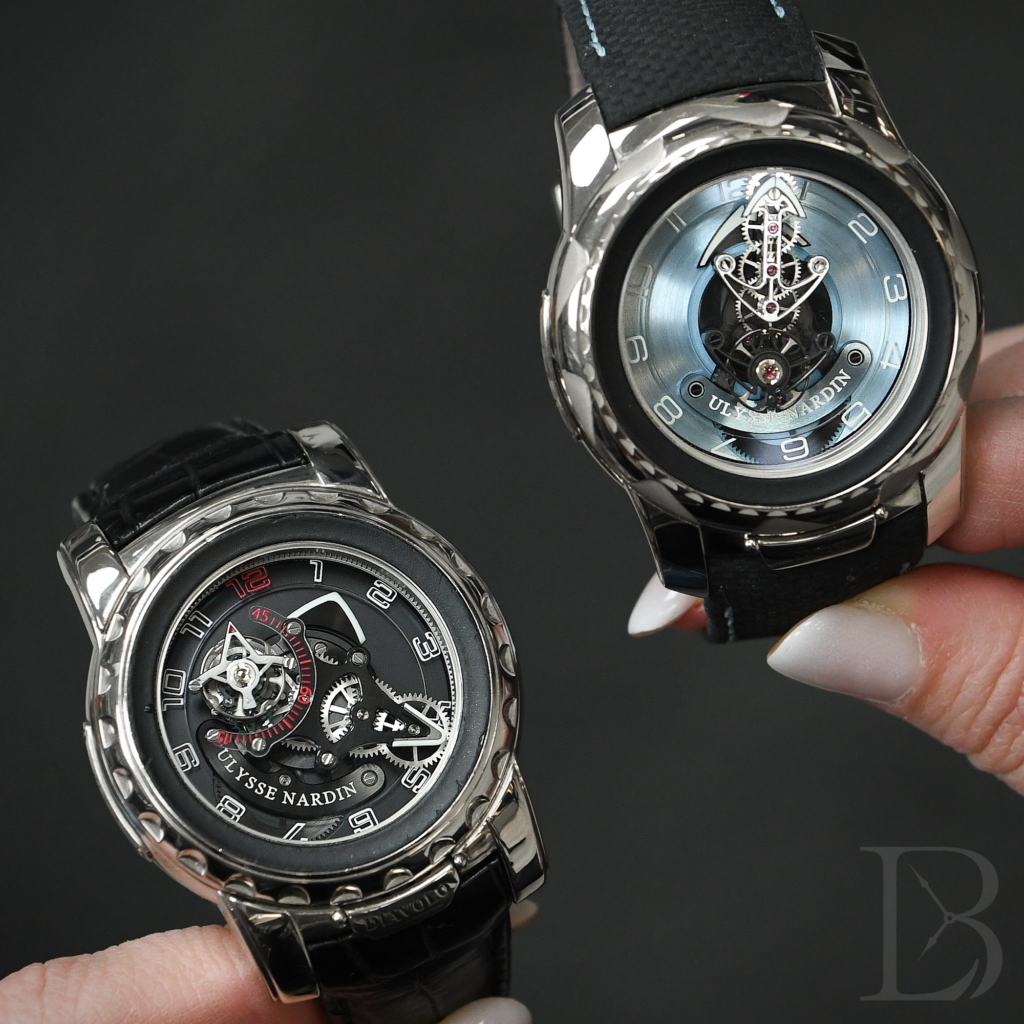
The crownless design is wound through the caseback and set via the bezel. And, importantly, the Freak was the first wristwatch to contain silicon components–now common in luxury watches.
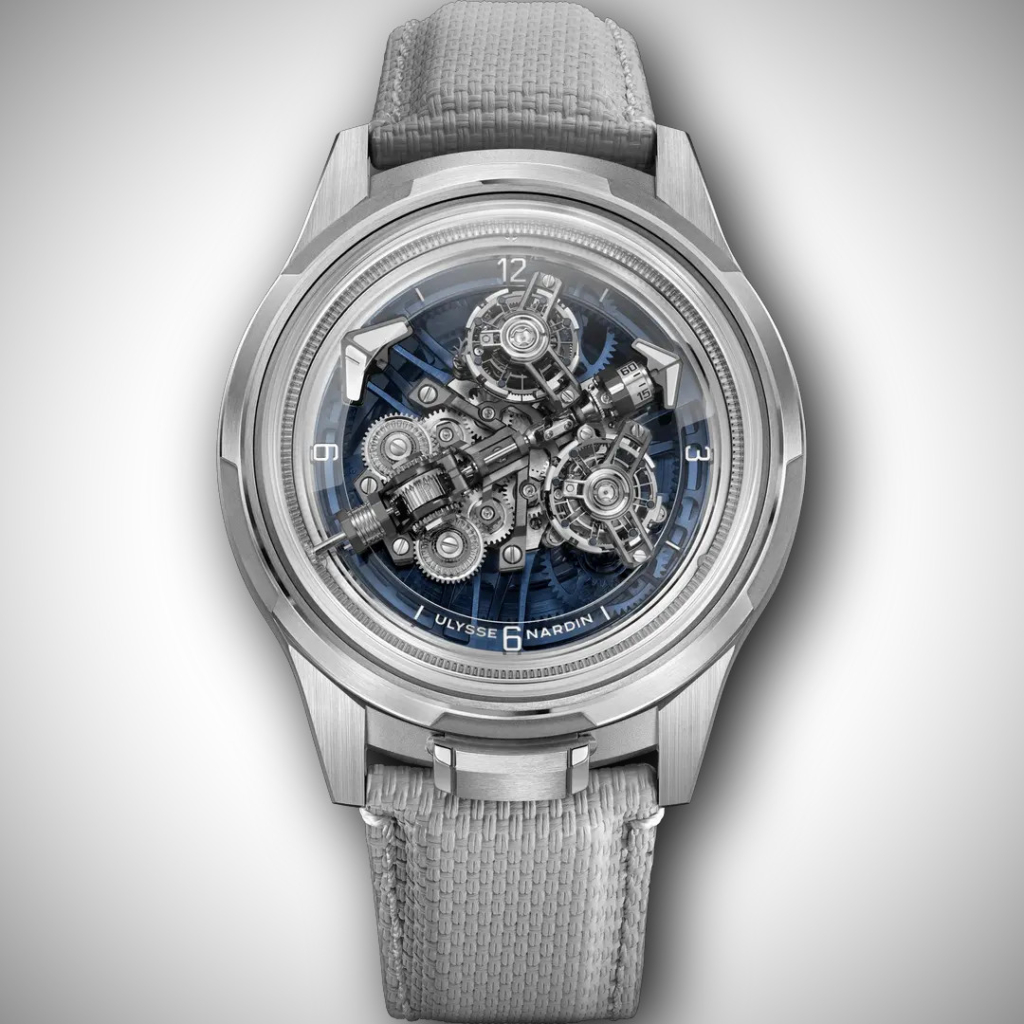
Freak models typically cost at least $70,000 secondhand, while the more affordable regular-crown Freak X models can be found for about half that. The ultra-upscale Freak S line, with twin tourbillons, reaches well into six figures, and the 2026 Ulysse Nardin releases included their most impressive watch yet: the $393,600 Super Freak.
Breguet
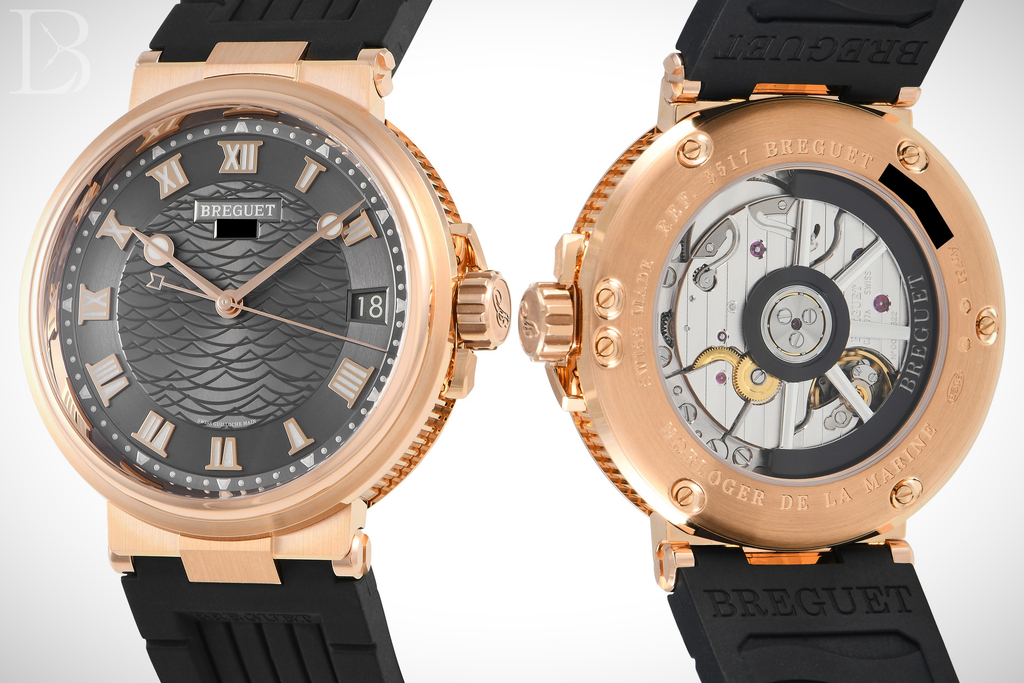
The historical importance of Abraham-Louis Breguet in the watchmaking world is difficult to overstate, with tourbillon watches and the pare-chute shock absorber being just two of his many contributions. Today, the Breguet brand, owned by Swatch, makes some outstanding dress watches with beautifully finished movements and some of the nicest guilloche dials in the industry. Luxury sports watches have never been their thing, but there are two types of Breguets that do fall into that category. The Marine is their watch aimed at, well, marine activity. They all have crown guards with screwdown crowns and, aside from a couple of ladies’ models, 100m of water resistance.
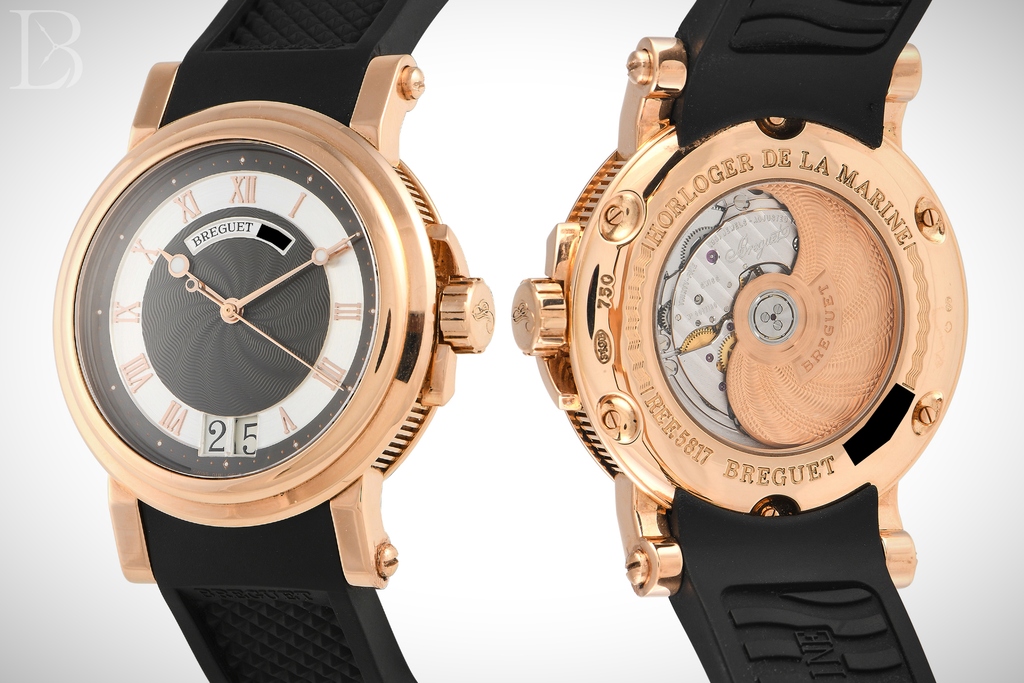
Personally I prefer the previous-generation Marine (ref. 5817, shown above), which has a big date, to the current one (ref. 5517, shown below). Stainless steel 5817 models can be found for around $10,000 secondhand, which is a lot of quality for the money.
The Marine is available in tourbillon and chronograph versions as well. Breguet also makes a classy pilot’s chronograph lineup. The Type 20 began as a post-war French military spec, not a trademarked Breguet model name. It specified a robust, manually wound, flyback chronograph for pilots; Breguet simply became the best-known supplier of them.
Breguet launched their Type XX for the civilian market in 1954, featuring Roman numerals instead of the Arabics found on the Type 20, but with the same familiar 38mm case. In 1995, after a quarter-century of dormancy, the Type 20/XX line was relaunched with the Transatlantique model in a 39mm size:
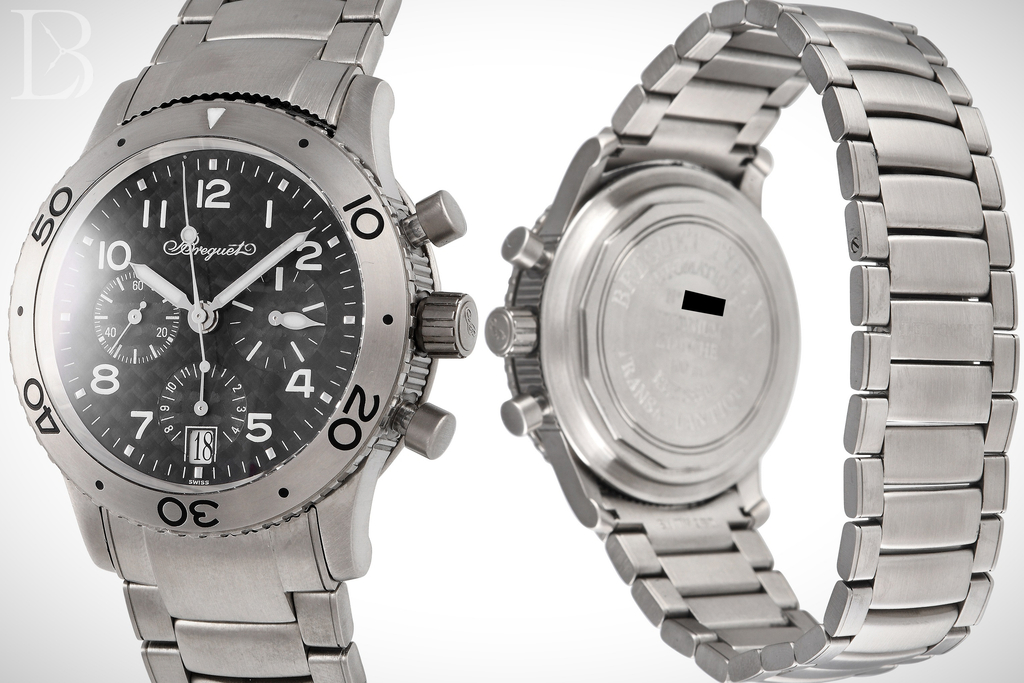
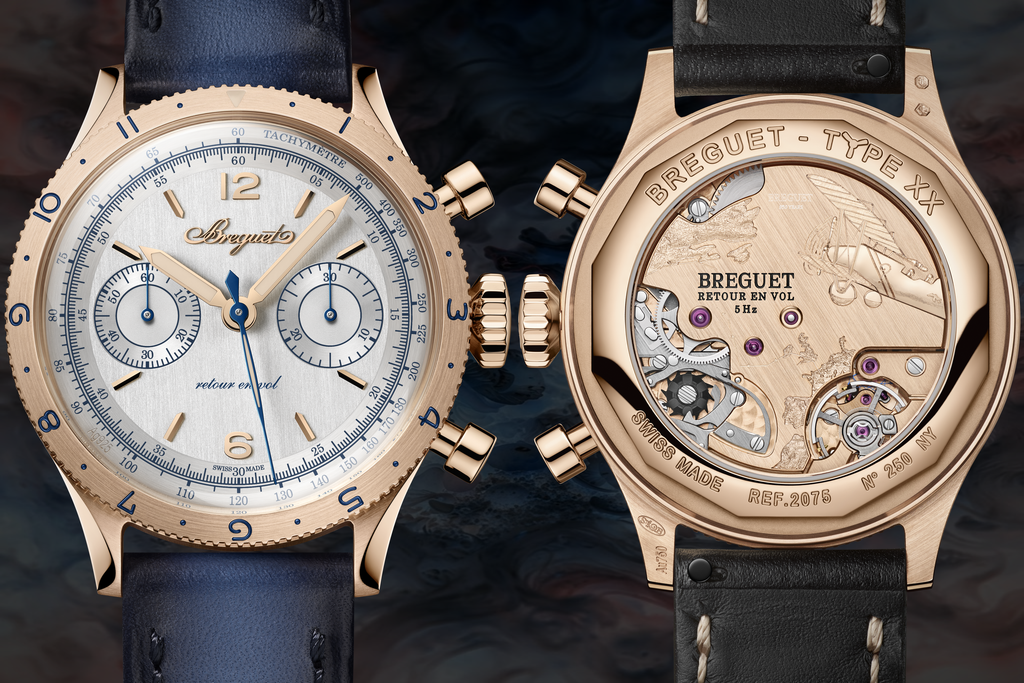
Some larger models (Type XXI and XXII) were added and since removed in favor of focusing on the classic size/look found in the current lineup. They’ve also stepped up the finishing compared to the 1990s and early-2000s models. Today’s 38.3mm Type 20 Chronographe 2057 starts at $23,300 in stainless steel, while the Type XX ref. 2075BH/G9/398 shown below is made of a proprietary gold alloy known as Breguet gold and costs $53,800.
More on Breguet:
| ➢ | 2026 Breguet Watch Releases |
| ➢ | 2025 Breguet Watch Releases |
| ➢ | Breguet Serial Numbers Explained |
| ➢ | The Ultimate Breguet Watch Price Guide |
Blancpain
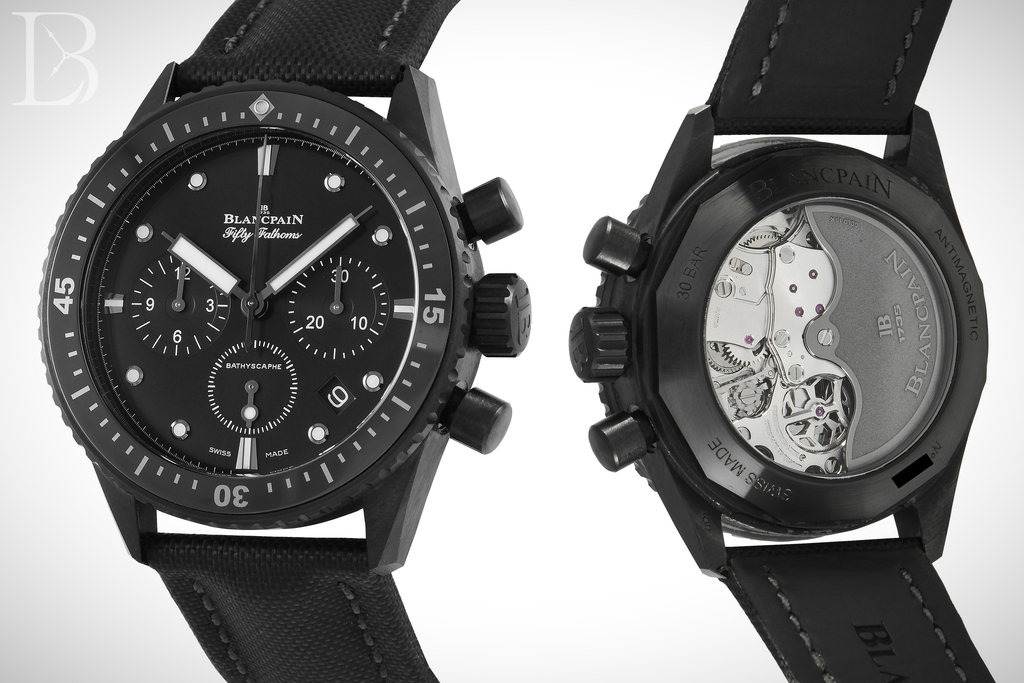
Founded in 1815 (the brand’s claim to 1735 isn’t particularly credible) by Frédéric-Louis Blancpain and today owned by the Swatch group, Blancpain makes some of the most impressive and highly complicated dress watches on the market. But they’re known for one luxury sports watch in particular: the Blancpain Fifty Fathoms, largely regarded as the world’s first dive watch since its launch in 1953. The finishing is definitely a step up from a Rolex Submariner, and given their similar pricing on the secondhand market, many enthusiasts choose the Fifty Fathoms.
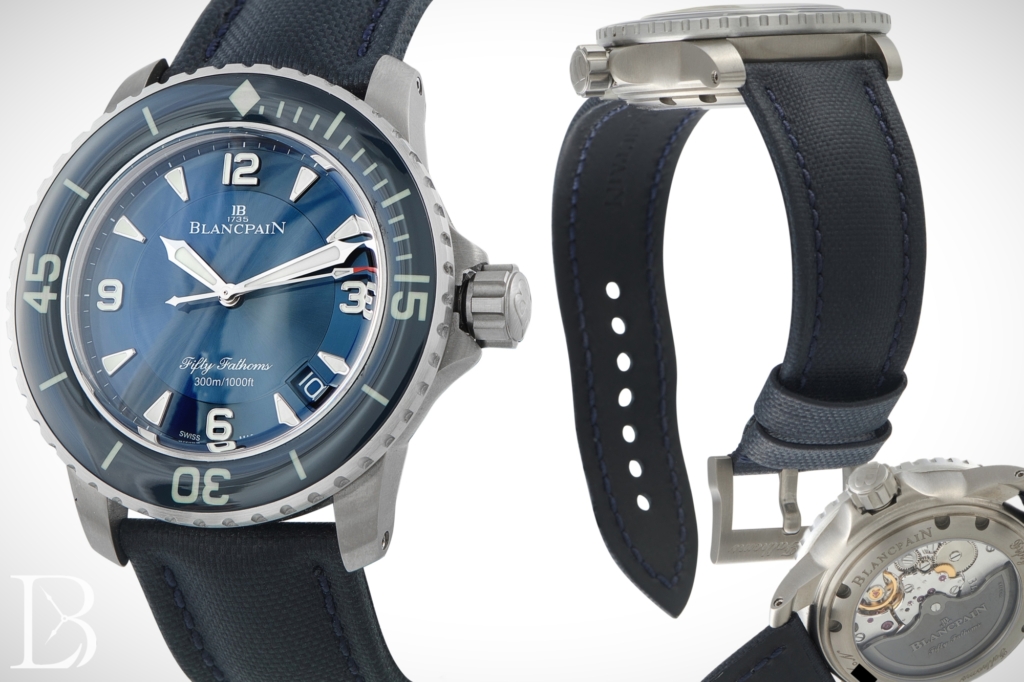
The standard FF is a big watch (45mm) that not everyone can pull off, so the brand later added 38mm, 40.3mm and 42.3mm variants. For other less-chunky luxury sports watches from Blancpain you can consider the Fifty Fathoms Bathyscaphe sub-family, with a slimmer bezel and more subtle overall appearance. Even ceramic chronograph versions can be found secondhand for under $12,000.
More on Blancpain
| ➢ | The Best Entry-Level Blancpain Watches |
| ➢ | Blancpain 2026 Releases |
| ➢ | Blancpain 2025 Releases |
| ➢ | Blancpain 2024 Releases |
| ➢ | Blancpain x Swatch: Can Swatch Revive Blancpain? |
| ➢ | Blancpain Fifty Fathoms 42.3mm Models |
Urwerk
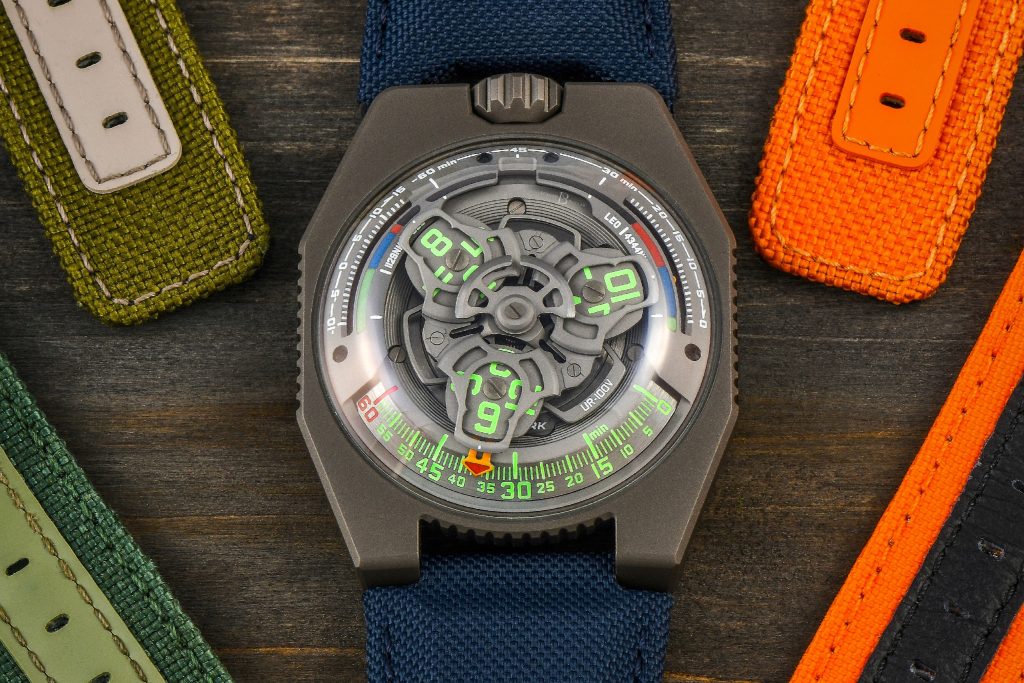
While Breguet and Blancpain are two of the most classic and traditional brands in the luxury watch world, Urwerk is at the other end of the spectrum. The brand is known for using satellite hours and other unconventional time displays in unusual angular cases. Even their least popular models tend to sell for over $35,000 pre-owned, with most examples costing $50,000 or (sometimes much) more. Personally I love the case shape of the Urwerk UR-100 and UR-100V.
The Original Luxury Sports Watches: Audemars Piguet
Many people would say Audemars Piguet invented the very concept of luxury sports watches when they released the Royal Oak in 1972, famously designed by Gérald Genta. Despite being made of stainless steel, it was shockingly expensive–roughly 4x the price of a Rolex Submariner Date at the time.
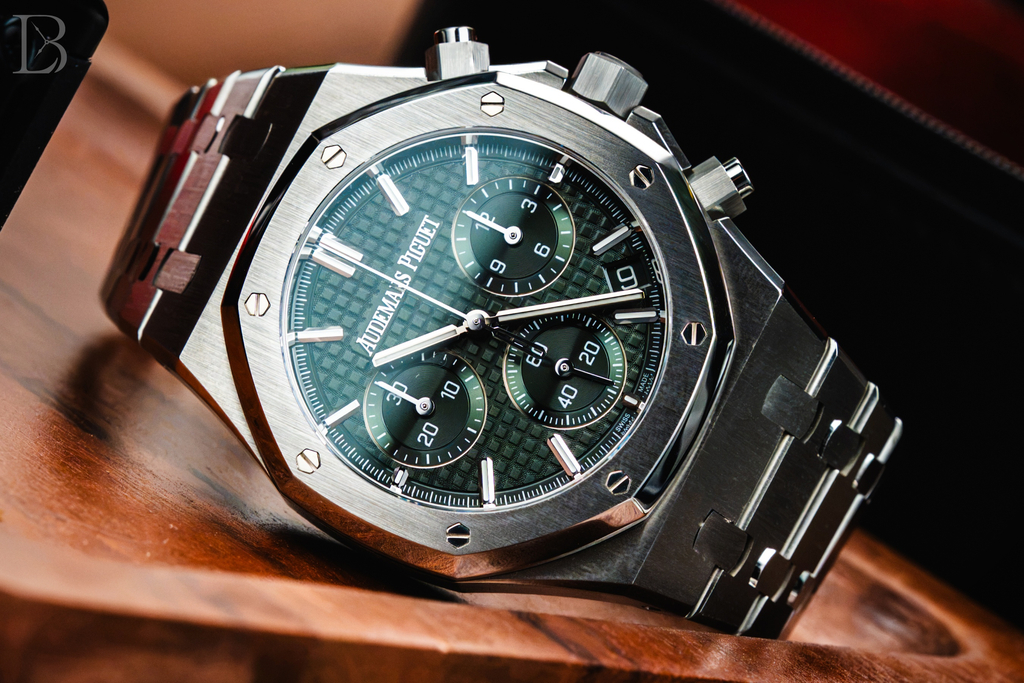
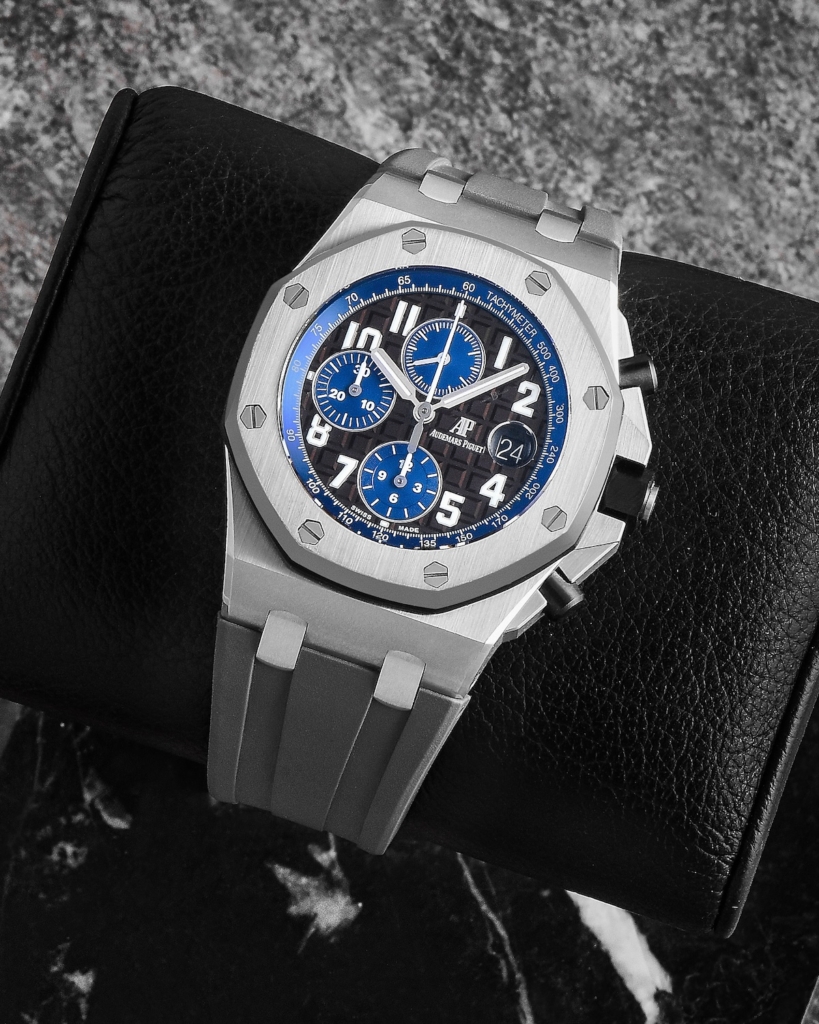
The integrated bracelet and octagonal bezel have remained iconic ever since, and at this point the complications offered on the AP Royal Oak and its offshoots over the years are innumerable. The first major offshoot of the Royal Oak line was the AP Royal Oak Offshore in 1993, a bulkier and sportier reinterpretation. Although Genta initially felt that Emmanuel Gueit, the designer of the Offshore, “ruined” his Royal Oak, it has now become a luxury sports watch icon in its own right. Most versions can be found between $25,000-$45,000 secondhand, and many come on rubber straps.
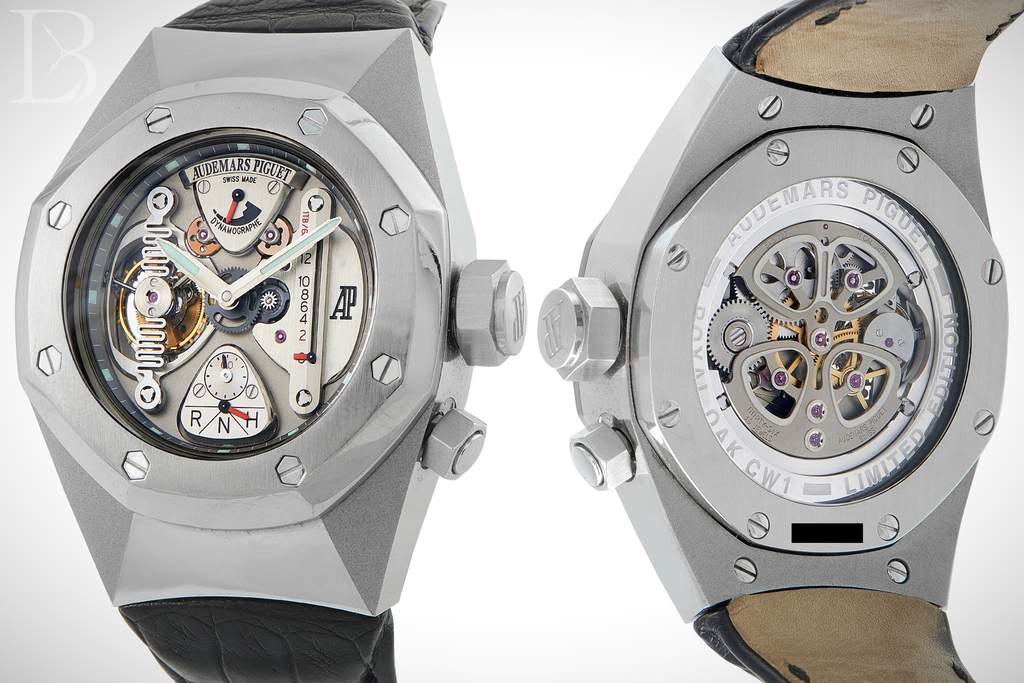
The most futuristic/expensive arm of the Royal Oak family is the Royal Oak Concept, which competes with the likes of Richard Mille with $150,000+ price tags and unusual complications. The original CW1, for instance, had a dynamograph torque indicator as well as a tourbillon…all housed in a cobalt-alloy case.
Chopard
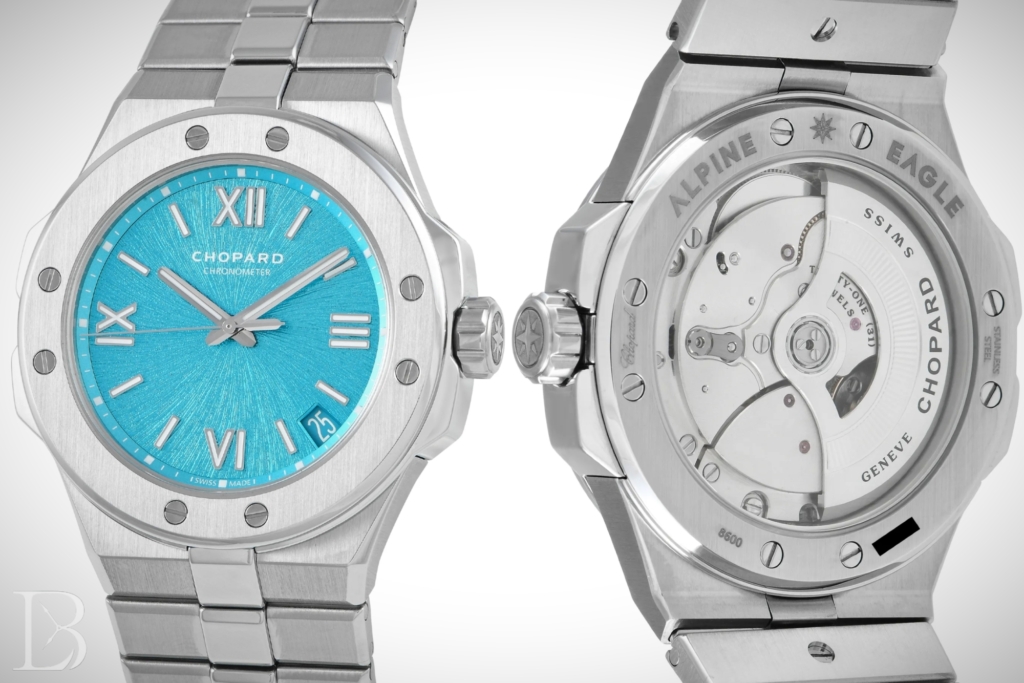
Like the Girard-Perregaux Laureato and IWC Ingenieur, the Chopard Alpine Eagle is a direct competitor to the Audemars Piguet Royal Oak. But it’s a credible one. Chopard’s quality is excellent, and the “eagle’s iris” dial texture on the Alpine Eagle is very attractive. Basic three-hand models have been offered in 33mm, 36mm, and 41mm diameters. Several colors have been offered, and most stainless steel versions are worth around $15,000 secondhand.
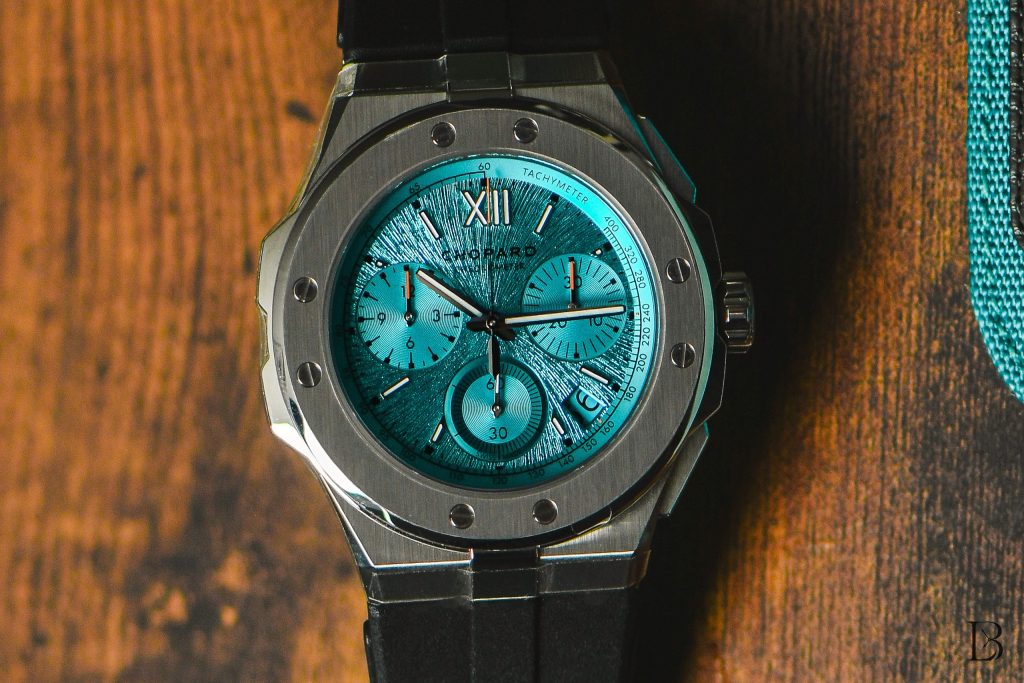
The 44mm Alpine Eagle Chronograph, which almost always comes on a rubber strap, competes more with the Royal Oak Offshore.
H. Moser & Cie
H. Moser & Cie has been a hit with luxury watch enthusiasts ever since the brand was re-launched in 2012. They’re known for a minimalist aesthetic, but also liberal usage of color. Their only luxury sports watch is the ever-popular Streamliner, first released in 2020 as a 42.3mm flyback chronograph. The lineup now includes time-only models, skeletonized tourbillons and perpetual calendars, with sizes as small as 28mm.
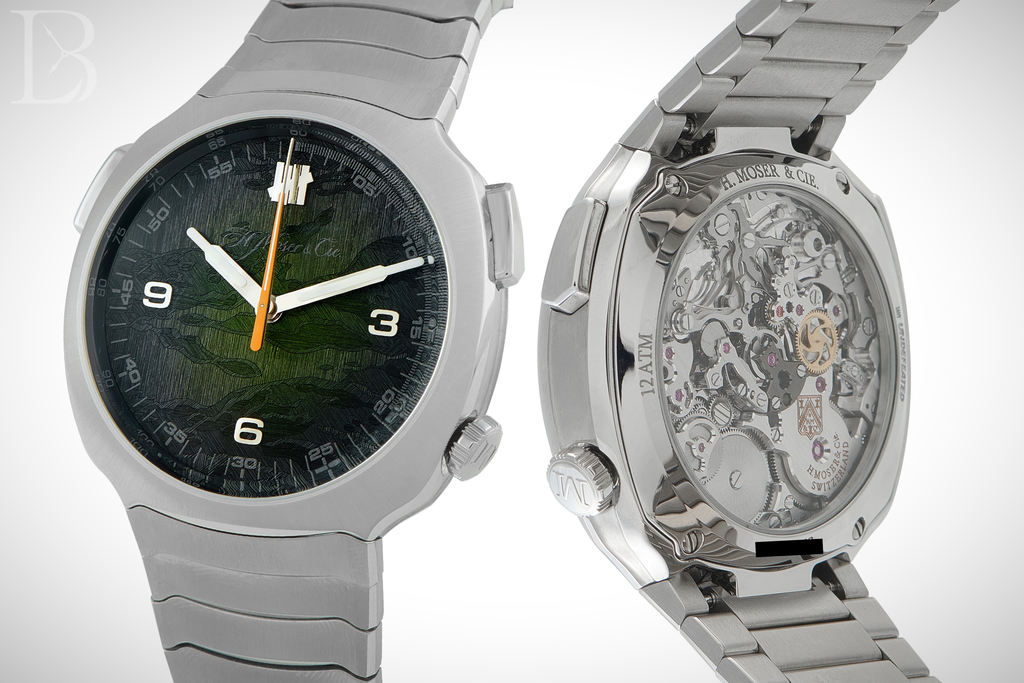
While Mosers are expensive, they manage to produce 4,000 watches per year. That’s not a lot compared to the 70,000 that Patek Philippe makes, or the 1.2 million that Rolex makes, but it’s a lot more than some of teeny ultra-upscale brands with decade-long waitlists. So you can actually find pre-owned Mosers, usually for a little bit under retail, without too much trouble. Still, expect to pay over $20,000 even for a basic steel Streamliner. There are few more-hyped integrated-bracelet luxury sports watches on the market today. But let’s talk about one.
A. Lange & Söhne
A. Lange & Söhne, based in the legendary German watchmaking town of Glashütte, is another darling of the watch enthusiast world. Their movement finishing is absolutely phenomenal, and they offer some of the finest dress watches there are. But they never made a sports watch until 2019, when the Odysseus debuted with a 40.5mm stainless steel case and an integrated stainless steel bracelet. Today it sells for about $70,000 secondhand–way above its list price.
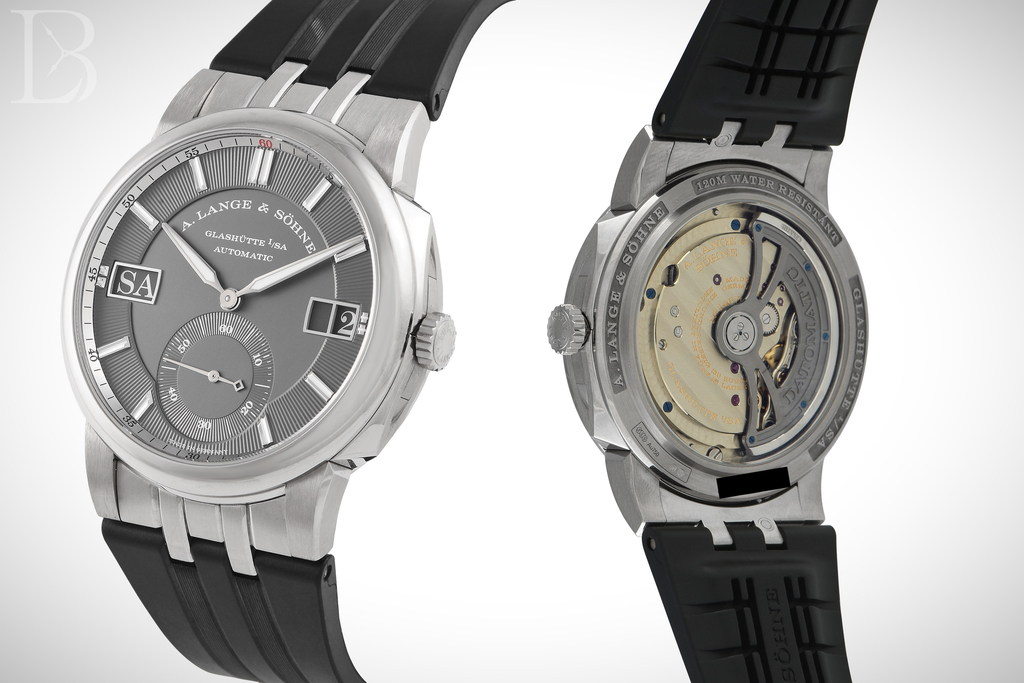
A handful of other variants have been released too, with the most attainable being white gold ones on rubber straps (as shown above), which trade around $60,000.
More on A. Lange & Söhne:
| ➢ | A. Lange & Söhne 2024 Releases |
| ➢ | 5 Entry-Level A. Lange & Söhne Watches |
| ➢ | The Most Expensive Watch Brands in the World |
Vacheron Constantin
Vacheron Constantin, founded in 1755, is the only member of the so-called “Holy Trinity” that isn’t independently owned. They’re owned by Richemont, the luxury conglomerate who owns Cartier and IWC and countless other watch brands. The other two members of the Trinity, Audemars Piguet and Patek Philippe, are still family-owned. Regardless, Vacheron Constantin is hot these days. Probably the #1 watch most recommended by watch geeks in the $30,000 price range is a stainless steel Vacheron Constantin Overseas. Models with complications, skeletonized movements and/or precious metals can cost far more, naturally.

Like several watches I’ve shown you at this point, the Overseas has an integrated bracelet. As you would expect from VC, the fit and finish is immaculate, and the current models have a quick-release feature for easy tool-free strap changes. But the Overseas wasn’t Vacheron Constantin’s first foray into luxury sports watches. It was inspired by the Vacheron Constantin 222, originally launched in 1977 on the brand’s 222nd anniversary. A very popular stainless steel Vacheron Constantin 222 reissue came in 2025. It sells for about $55,000 secondhand while a solid yellow gold version goes for about $75,000.
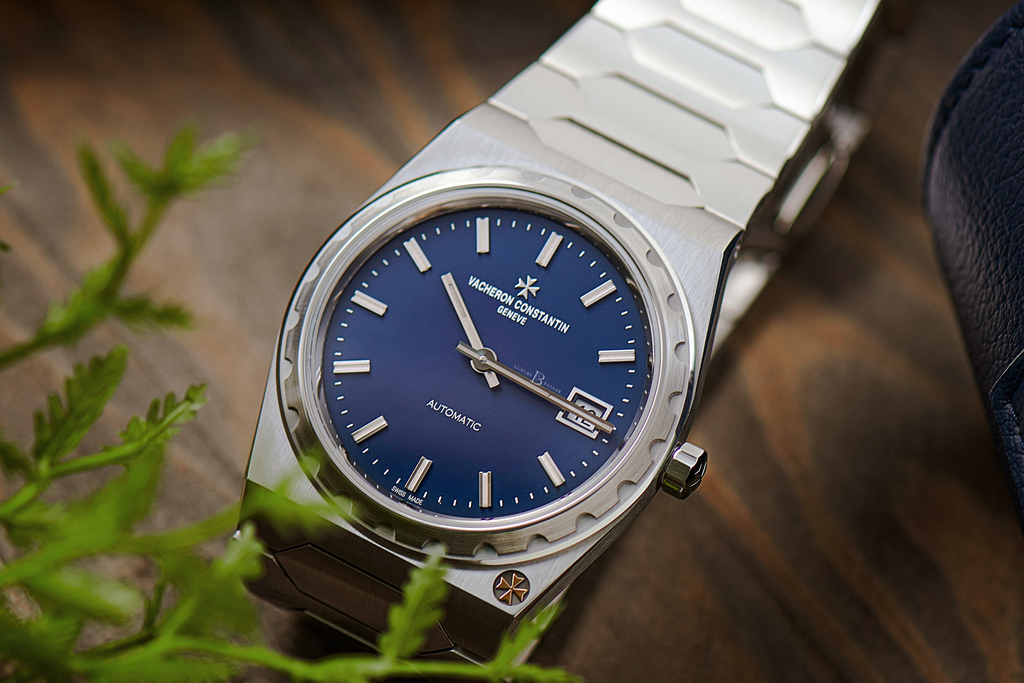
Unlike the Overseas line–which includes dual time, chronograph, perpetual calendar options and more–the 222 always just has the time and date. In fact, it doesn’t even have a seconds hand, which helps it stay nice and thin (just under 8mm).
Patek Philippe
Patek Philippe is, simply, one of the most (some would argue the most) prestigious watchmaking firms in existence. But, like many revered watchmakers, they didn’t start making proper luxury sports watches until the 1970s. The Genta-designed Patek Philippe Nautilus debuted in 1976, with a case measuring roughly 40mm wide not counting its “ears.”
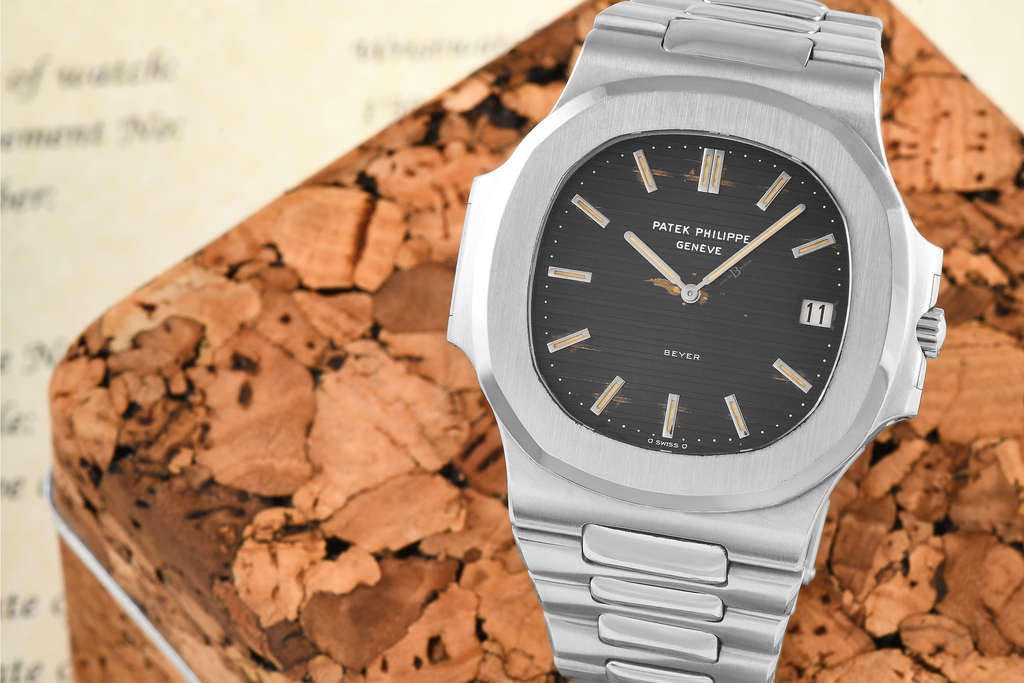
Patek his since made the Nautilus in numerous metal configurations, complications and sizes. The one that gets the most hype, though, is still probably the simple stainless steel 5711 model. Although the final list price was around $35,000 upon discontinuation in 2021, depending on dial color, steel 5711’s can sell for over $250,000 today. If you want to be treated with disdain, try walking into a Patek Philippe boutique and asking if they have any Nautiluses in stock.
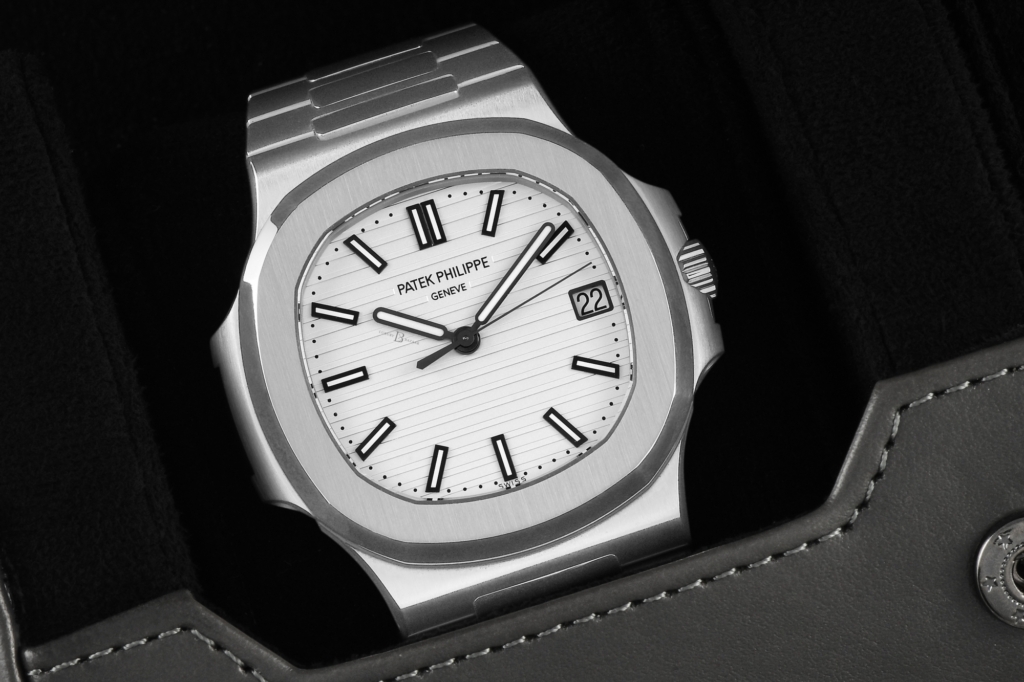
The Patek Philippe Aquanaut, their second foray into luxury sports watches, was designed in 1997 to be more attainable than the Nautilus. And for many years, it was pretty attainable. But now the basic steel men’s Aquanaut on a rubber strap, ref. 5167A-001, trades for roughly 2.5x its suggested retail price of $27,257.
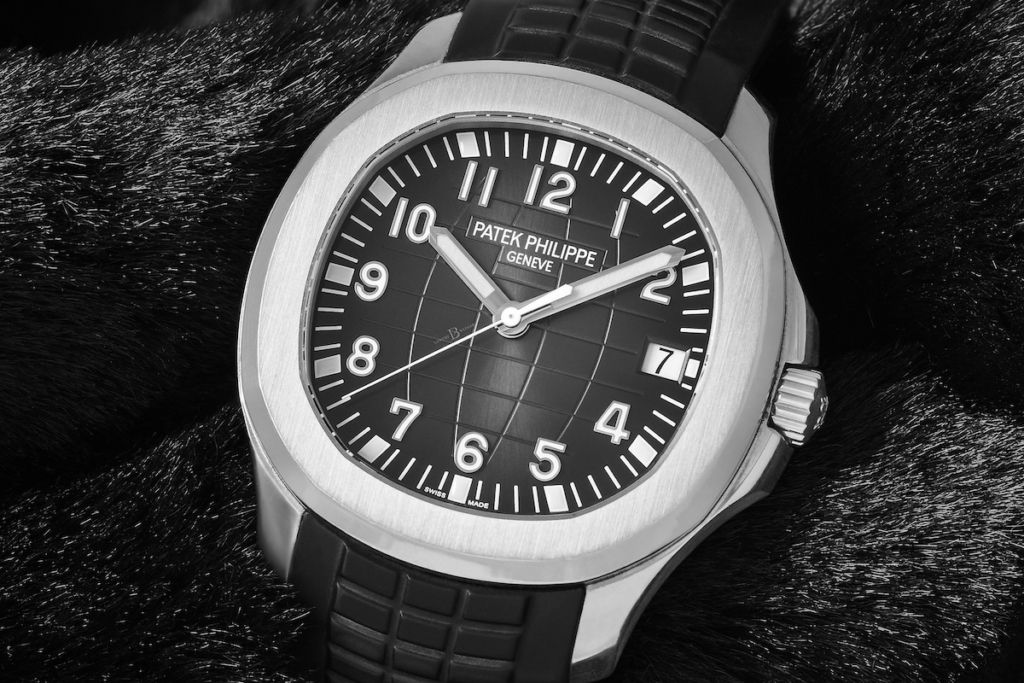
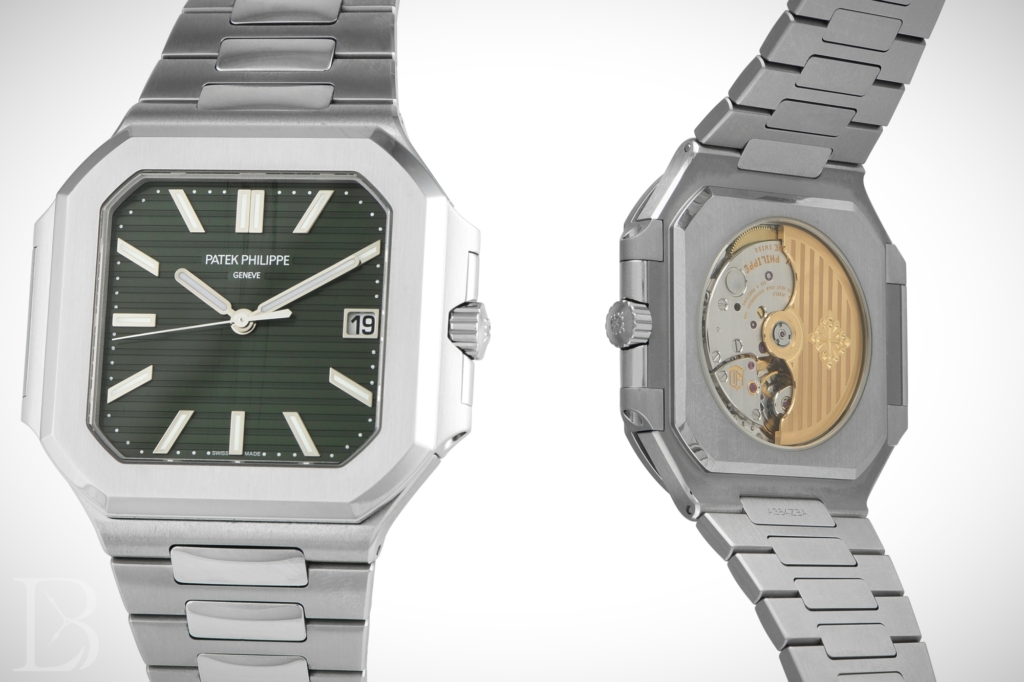
If you want any Patek sports watch, expect to spend a long time on an authorized dealer’s waitlist (if they’ll even take your info) or pay well over list. That includes their most polarizing luxury sports watch, the Patek Philippe Cubitus, which is indeed basically a cube-y Nautilus.
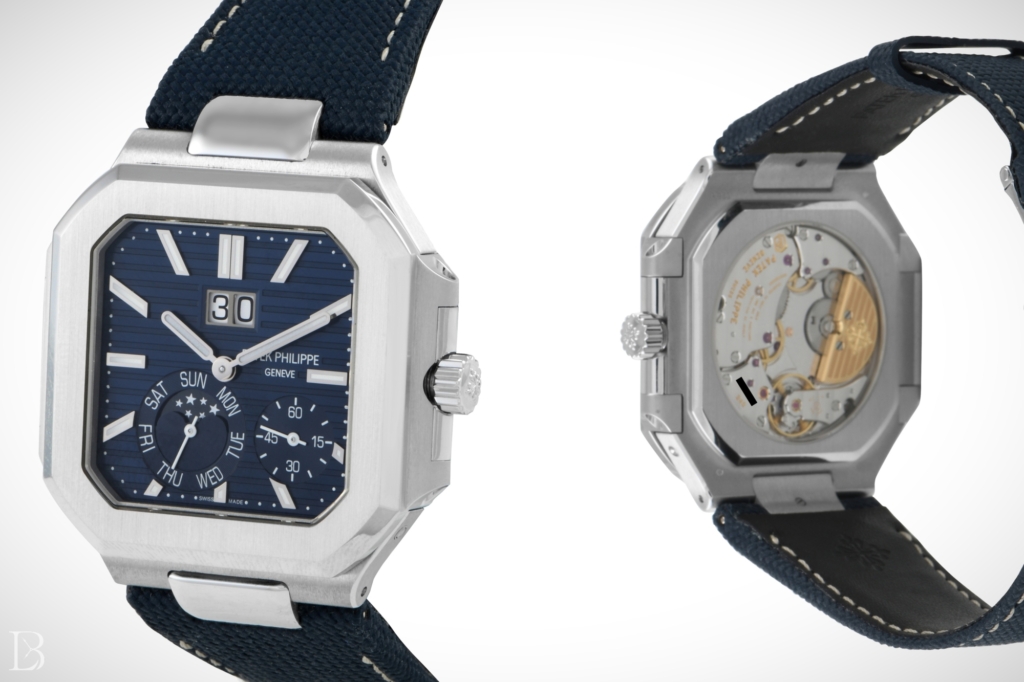
Of the six Cubitus references made so far, two are complicated platinum models. The other materials are all time-and-date models, sized in either 40mm or 45mm.
Greubel Forsey
Greubel Forsey makes only about 250 watches per year, and they generally sell for at least a quarter-million dollars each for good reason. GF is known for making some of the most advanced tourbillon watches on the market moreso than for making luxury sports watches. But their Balancier S (along with the newer Balancier S2) is undeniably sporty.
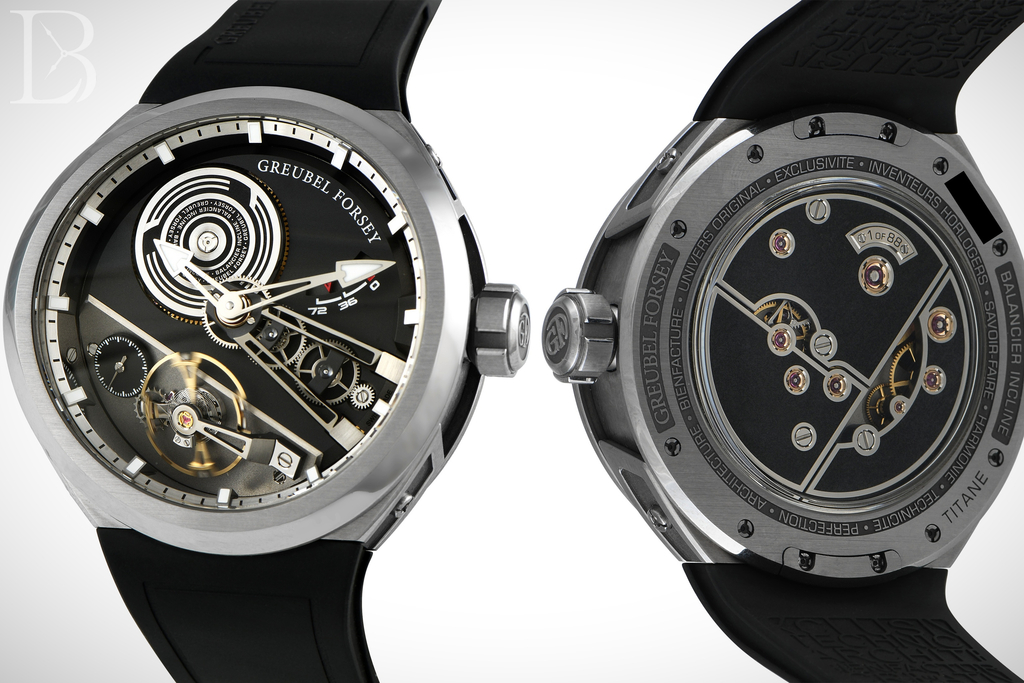
You can see our guide to Greubel Forsey watches to learn more about the brand’s many horological achievements.
The Luxury Sports Watches of F.P. Journe
F.P. Journe is one of the most hyped and most expensive watch brands in the world, but like many other ultra-luxe brands, they don’t really do luxury sports watches. But there’s one exception, and it’s the only Journe with a metal bracelet: the Linesport family.
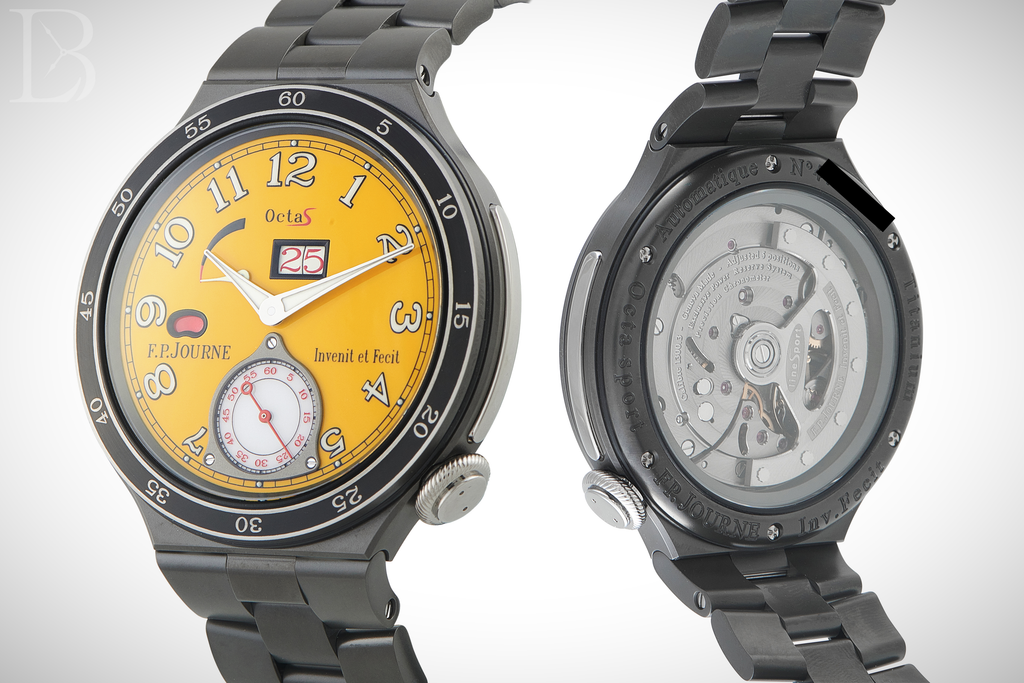
There are four main types of F.P. Journe Linesport, and they’re all 42-44mm wide:
- AR / AR2 / ARS2 — Automatique Réserve (power reserve display)
- CTS / CTS2 / CT2 — Centigraphe
- CM / CMS — Chronographe Rattrapante (split-seconds chronograph)
- CF — Chronomètre Furtif (time-only)
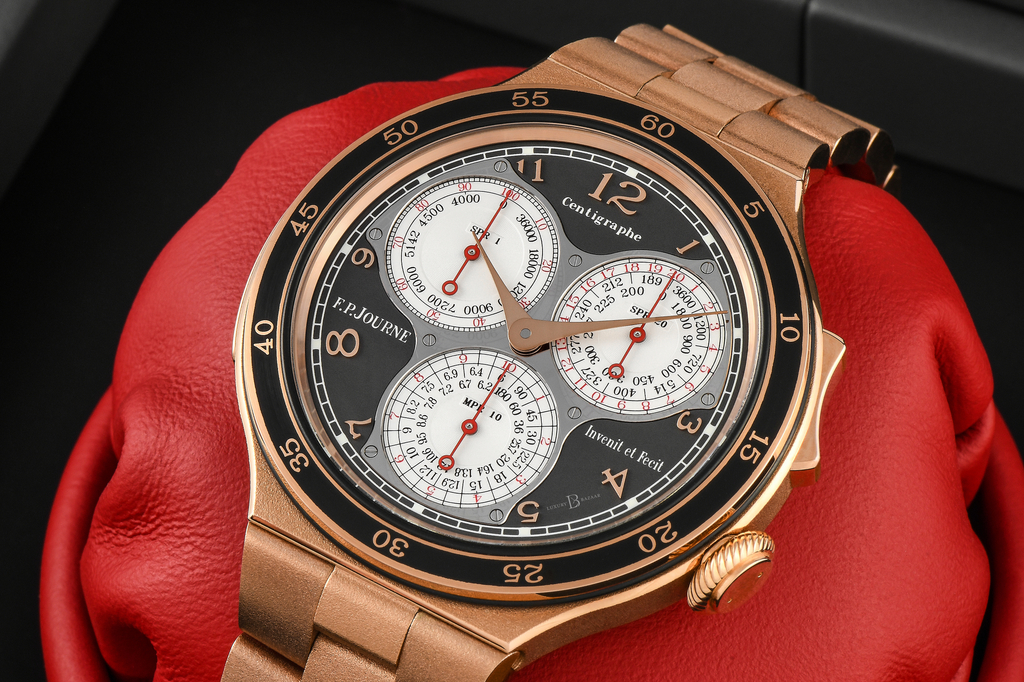
The most mechanically distinctive is the Centigraphe, a mechanical chronograph whose rocker starts and stops three timers at once: a foudroyante (flying seconds) hand that circles once per second over a 1/100 scale, another that counts 20 seconds, and another that counts 10 minutes. Cleverly, the fuodroyante hand is released directly by the escapement while the chronograph gets its energy separately from the mainspring, so using the chronograph doesn’t disrupt the balance.
The Linesport has been offered in platinum, rose gold, aluminum, tungsten carbide or titanium. You can’t just walk into an F.P. Journe boutique and buy any of them without a prayer and an application, which is why they bring such a huge premium on the secondhand market.
The King of Ultra-Expensive Luxury Sports Watches: Richard Mille
In the six-figure watch world, broadly speaking, there are classic watches with high complications like perpetual calendars and minute repeaters, and then there are more aggressive and avant-garde “hyperwatches.” The ruler of the latter segment is Richard Mille, who sold their first watch in 2001 and now commands an average new sale price of over $200,000. Even their least popular pre-owned models tend to go for $70,000 or more, with $100,000-$350,000 being the typical range for most references.
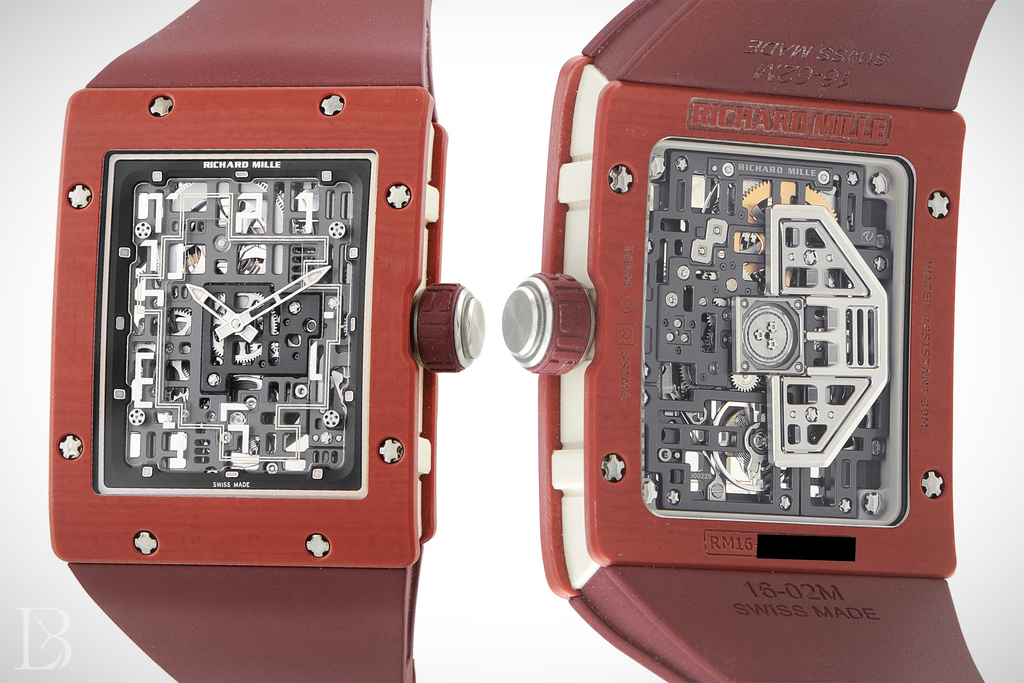
Richard Mille’s sapphire-cased watches are some of the most expensive watches in the world, with Jay-Z owning a one-of-one blue sapphire model. If you’re wondering why Richard Mille watches are so expensive, well, Richard Mille uses advanced, often skeletonized movements with serious technical pedigree. Their most ambitious movements (including advanced tourbillons and some unusual high complications) have long been developed with Audemars Piguet Renaud & Papi, one of the most renowned mechanical movement specialists on the planet.
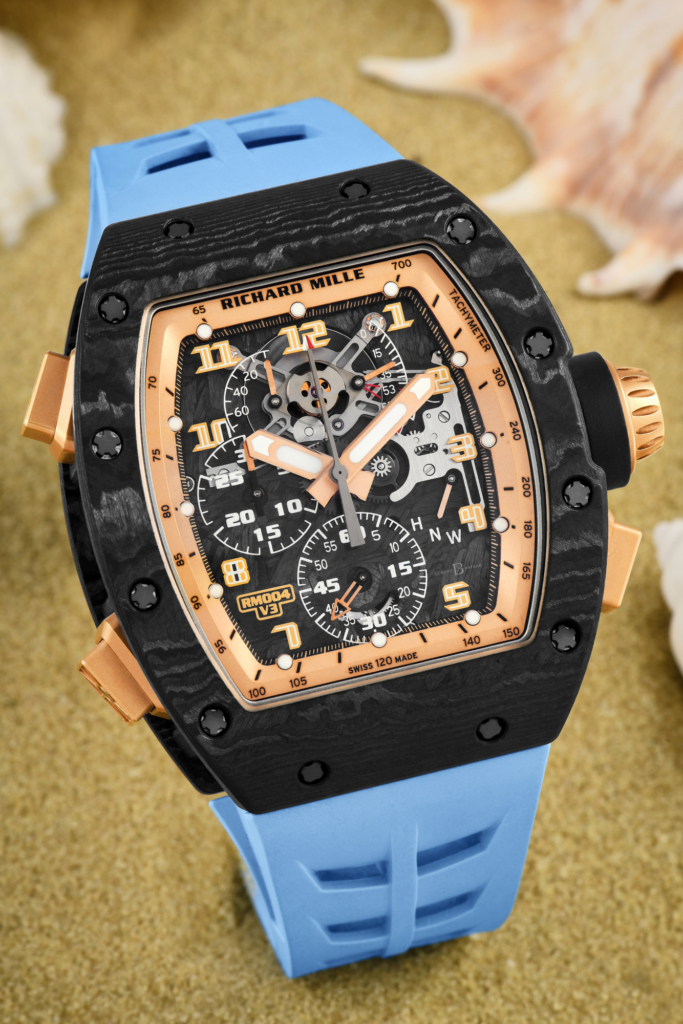
Titanium components, and unusually exposed movement architecture, add to the price. Marketing and fashionability do too, but make no mistake, there is legitimate hardcore horological innovation going on in the Richard Mille lineup, particularly in the realm of shock resistance. Some of the Bubba Watson Richard Mille watches can withstand 12,000G’s. While RM has made several rectangular and round watches, their tonneau-cased watches always seem to be their most popular. And like Urwerk, all they do is modern ultra-luxury sports watches, period. No dress watches.
More on Richard Mille:
There are new watch brands and models popping up all the time, and we certainly haven’t covered every single one. But if you’re aware of all the watches above, you should have a pretty solid understanding of the luxury sports watch market.


Leave a Reply