Chanel Watch Brands: Who Has Chanel Invested In?

Luxury houses like Louis Vuitton and Hermes have been stepping up their luxury watchmaking game in recent years, and it has been getting rightfully noticed. But another storied fashion brand has been quietly making acquisitions in the watchmaking sector since the 1990s. Chanel, who created the world’s first wristwatch with a full ceramic bracelet in 2000 (the J12), now sells almost a half-billion dollars of watches per year in addition to owning minority stakes in five other notable watch brands and a movement manufacturer. Let’s look at how Chanel is positioned as a watch company, and which other watch companies they own.
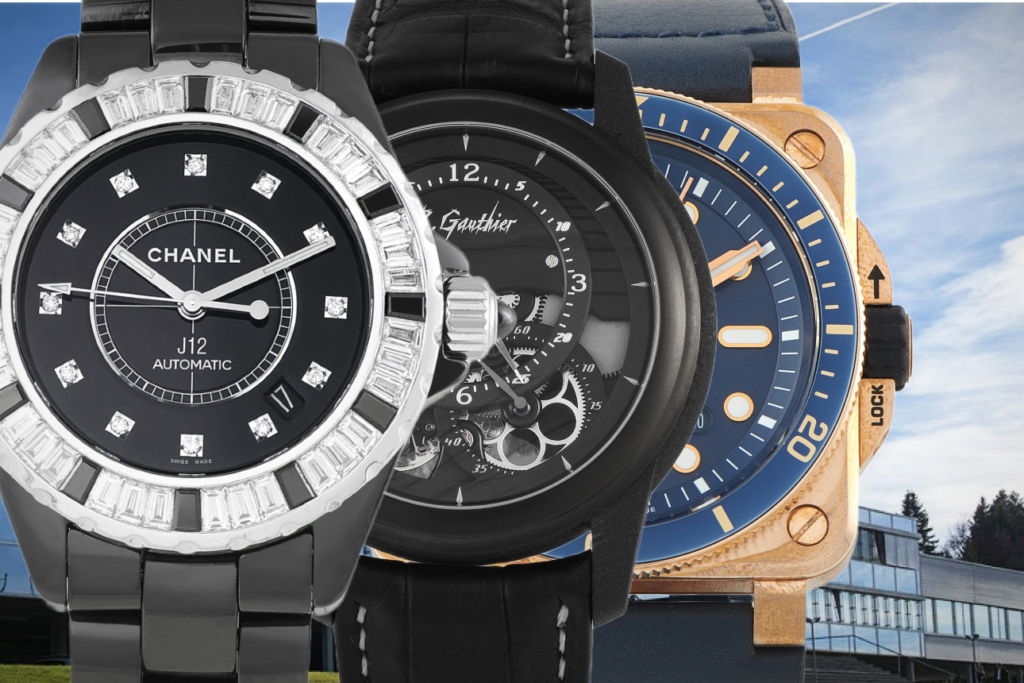
With over a billion dollars in annual jewelry sales, Chanel is #6 on the list of the top jewelry brands in the world, which probably doesn’t sound surprising. Interestingly, though, since 2024 Chanel has also been one of the top 20 luxury watch brands by sales according to Morgan Stanley/Luxeconsult. And subjectively, we rank them among the top ten luxury watch brands for women.
That success largely stemmed from Chanel’s first watch-related acquisition, and they have since made six more. Let’s go over those now:
Timeline of Chanel’s Watch Industry Acquisitions
| Year | Company | Stake Acquired | Type |
|---|---|---|---|
| 1993 | G&F Châtelain | 100% | Case, bracelet, component and jewelry manufacturer |
| 1998 | Bell & Ross | 49% (Rumored, exact amount unknown) | Watch brand |
| 2011 | Romain Gauthier | ~20% (Rumored, exact amount unknown) | Watch brand |
| 2018 | Kenissi | 20% | Movement manufacturer |
| 2018 | F.P. Journe | 20% | Watch brand |
| 2024 | MB&F | 25% | Watch brand |
| 2026 | Kross Manufacture | 30% | High-end component manufacturer |
Now let’s get into who those brands are.
G&F Châtelain
Chanel first starting making watches in 1987, releasing watches like, notably, the quartz-powered rectangular ladies’ Premiere watch with a distinctive faceted sapphire crystal. Their mechanical watchmaking journey essentially began in 1993 when they acquired G&F Châtelain, a well-known watch bracelet and case manufacturer capable of making other components and jewelry as well.

Consolidation was nothing new in the Swiss watch industry–mergers and acquisitions of countless movement makers and watch brands had been occurring for many decades. But the “buy specialist suppliers in order to vertically integrate” strategy was fairly novel at the time. Even Rolex, for instance, didn’t acquire their bracelet manufacturer (Gay Frères) until 1998.
Swiss brothers Georges and Francis Châtelain founded G&F Châtelain in the historic watchmaking hub of La Chaux‑de‑Fonds in 1947, built on their mother’s pre‑war gold‑polishing workshop. Over 50+ years they systematically added skills (gem-setting, finishing, stamping, machining, assembly, electroplating, bracelet manufacture) and acquired a stamping company, positioning themselves as a prime contractor for luxury watch products before being acquired by Chanel.
Chanel bought 100% of the company, but they kept the G&F Châtelain name–sort of. Because Chanel watches are assembled there, they now sometimes call it “Chanel Watch Manufacture,” although G&F Châtelain still exists as a legal entity and has their own website.
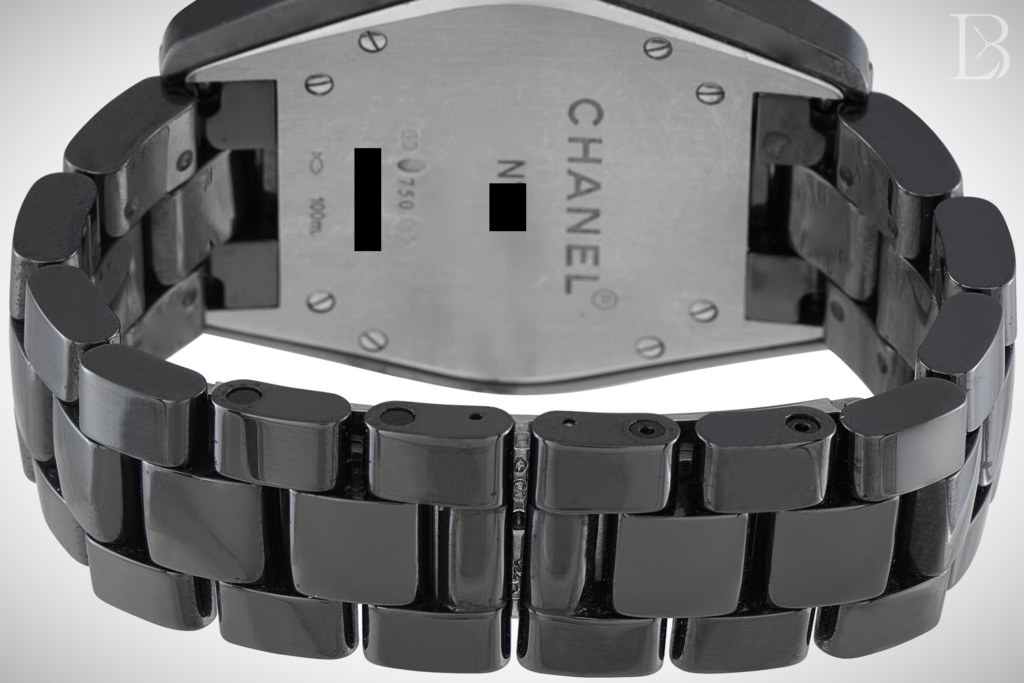
Notably, as Chanel’s bracelet manufacturer, G&F Châtelain a.k.a. Chanel Watch Manufacture is responsible for making the ceramic bracelets for the J12 line, along with numerous other parts. They also assemble the watches from the next brand in this list:
Bell & Ross
Bell & Ross watches are mostly known for their square shape and pilot’s-watch vibes. When they got their start in the 1990s, though, Bell & Ross was essentially just selling re-branded Sinn watches. But apparently Chanel liked what they saw from the brand, and purchased a significant minority stake (rumored to be as high as 49%) in 1998. Within a few years, assembly of Bell & Ross watches had moved from Frankfurt, Germany (where Sinn is) to within the G&F Châtelain facility in Switzerland.
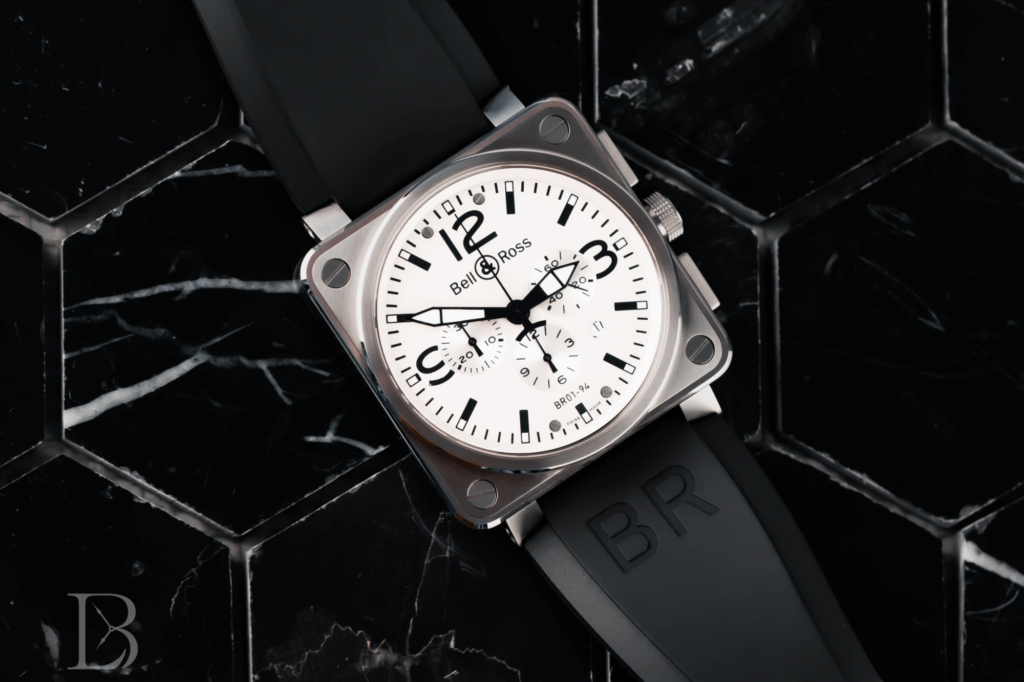
Bell & Ross is mostly known for watches in the $5,000-and-under range with mass-produced ETA or Sellita movements. Soon after Chanel bought a stake in Kenissi, though, Kenissi movements started to appear in slightly more upscale Bell & Ross models like the BR-X3 and BR-X5.
Kenissi
Tudor watches used to be assembled in Geneva at the headquarters of their sister company, Rolex. But Tudor’s own factory in Le Locle has been operational since 2022. Chanel purchased 20% of Kenissi in March of 2018, soon before construction started.
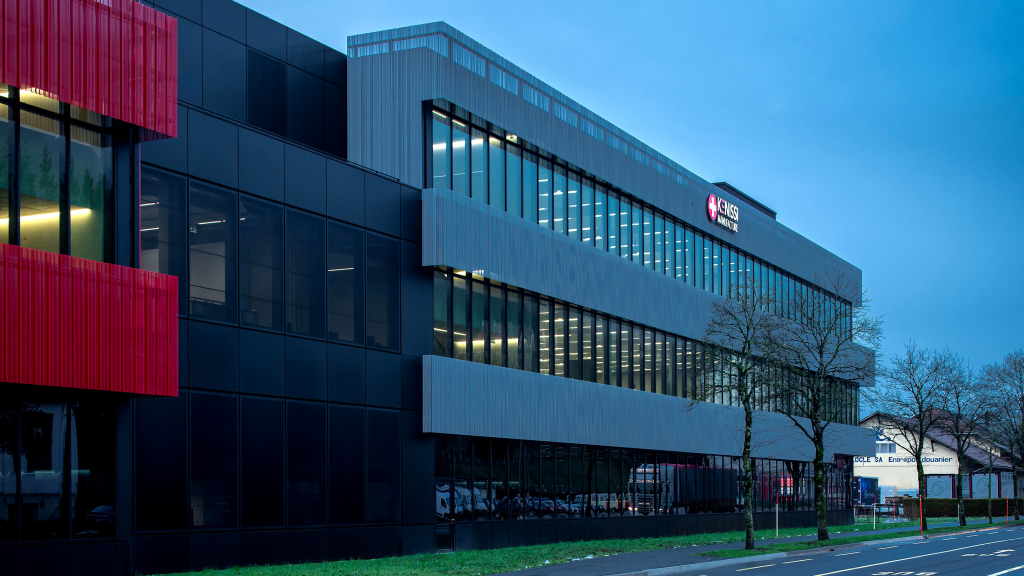
Half of the building is branded “Kenissi Manufacture,” which is essentially Tudor’s movement production arm. And because of their 20% stake in Kenissi, Chanel has secured access to their movements, and indeed the current J12 lineup uses Kenissi-based calibers.
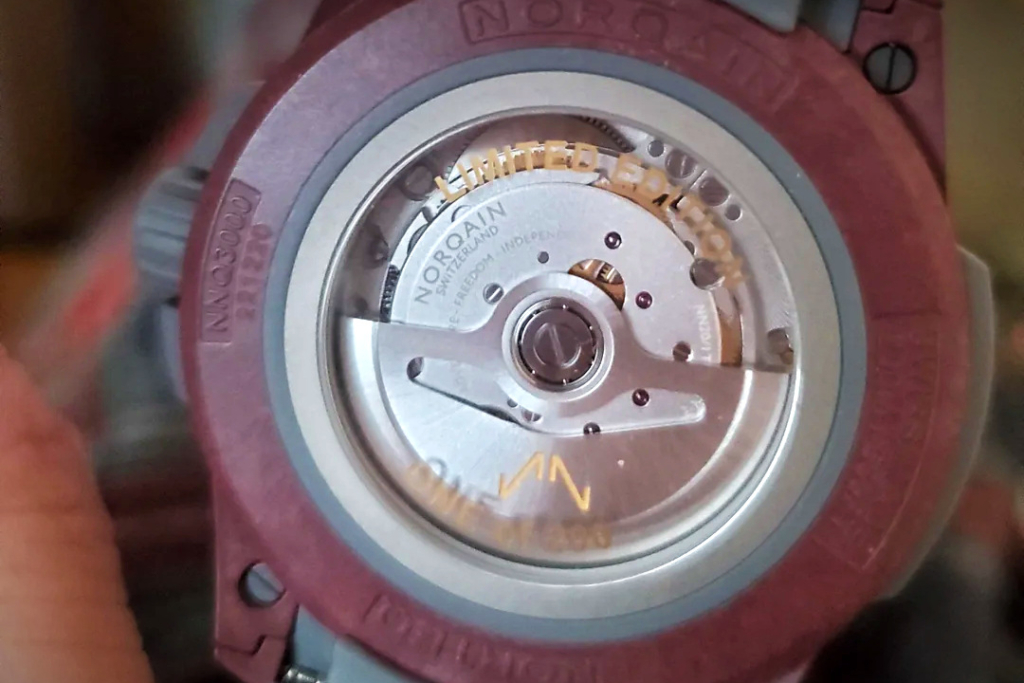
Kenissi calibers aren’t high horology on par with A. Lange & Sohne or anything, but they’re generally regarded as one step above a simple ETA/Sellita. They can be found in watches made by brands like Breitling, Fortis, Norqain, TAG Heuer and Ultramarine as well as Bell & Ross and Chanel.
Romain Gauthier
Swiss engineer Romain Gauthier, who worked for nine years at François Golay, a high‑end watch component maker, got an MBA and then founded his eponymous high‑end watch brand in 2005.
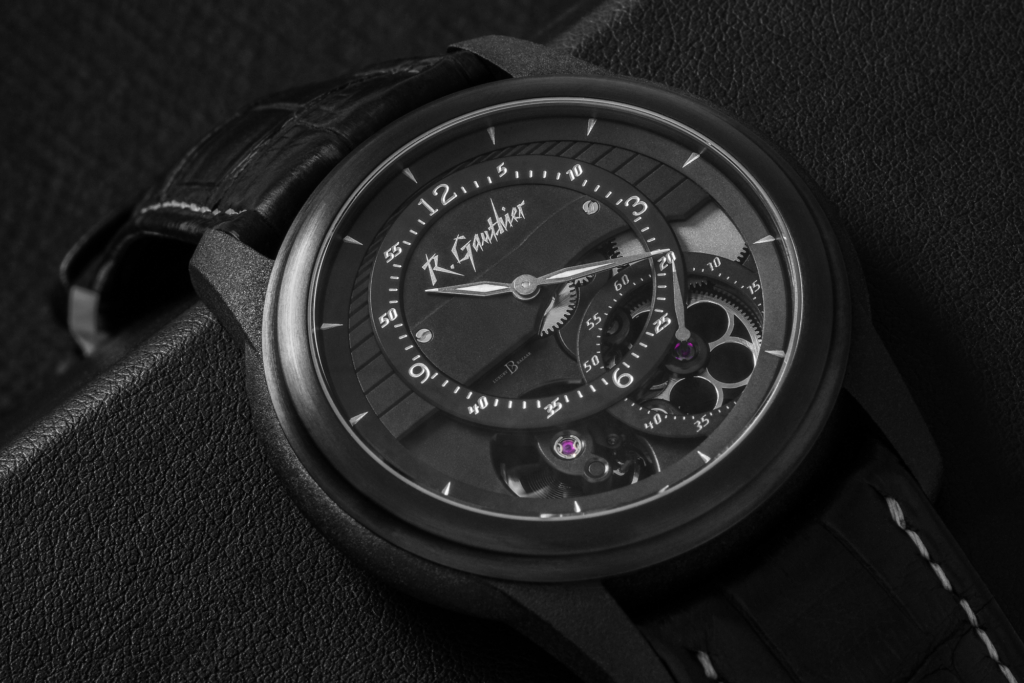
Based in Le Sentier, in Switzerland’s Vallée de Joux, their production is extremely low and focused on hand finishing. Expect to pay $40,000 or more for even the most basic pre-owned stainless steel time-only Romain Gauthier watch.
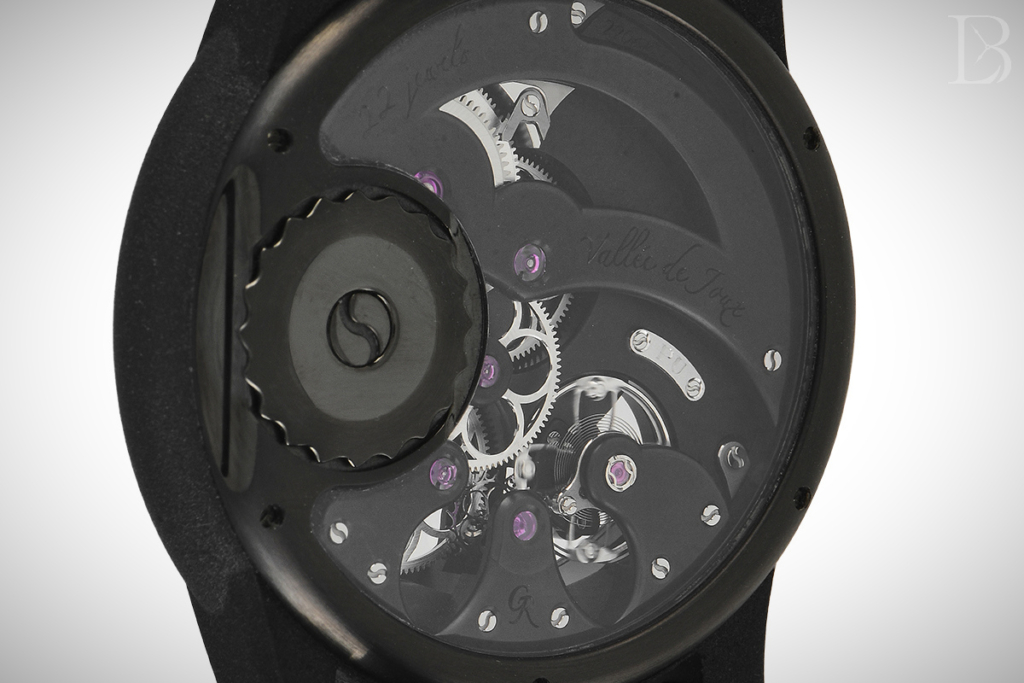
As of 2016, Romain Gauthier’s annual output was “50 to 100 watches per year” according to Time Transformed. High-end independent watch collectors almost always speak very highly of the brand, and their integrated-bracelet luxury sports watches are particularly popular.
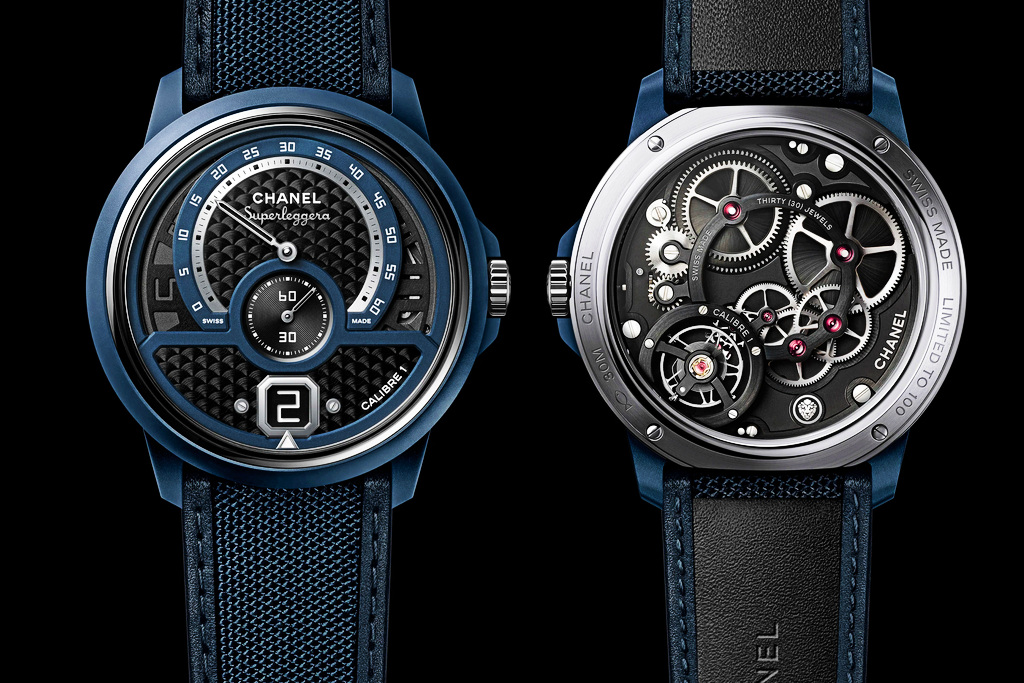
Chanel has owned a minority stake in the company (rumored to be around 20% but never confirmed) since 2011, and as with Kenissi, securing movement access for their own brand was clearly part of the equation. In fact, Chanel’s first in-house movement was the Caliber 1 jump‑hour/retrograde minutes movement that Romain Gauthier helped design. It debuted in 2016 and is still in use in the Chanel watch catalog today, alongside the Romain Gauthier-derived Calibre 5.1 tourbillon movement.
F.P. Journe
F.P. Journe is one of the most expensive watch brands in the world, but that wasn’t always the case. The brand launched in 1999, off the back of François‑Paul Journe’s prior work building complications and movements for others. The first Tourbillon Souverain and Chronomètre à Résonance won critical admiration, but it took a couple of decades for the brand to gradually grow to be as hyped as it is now. One of the earliest F.P. Journe resonance watches sold for over $13 million at auction.
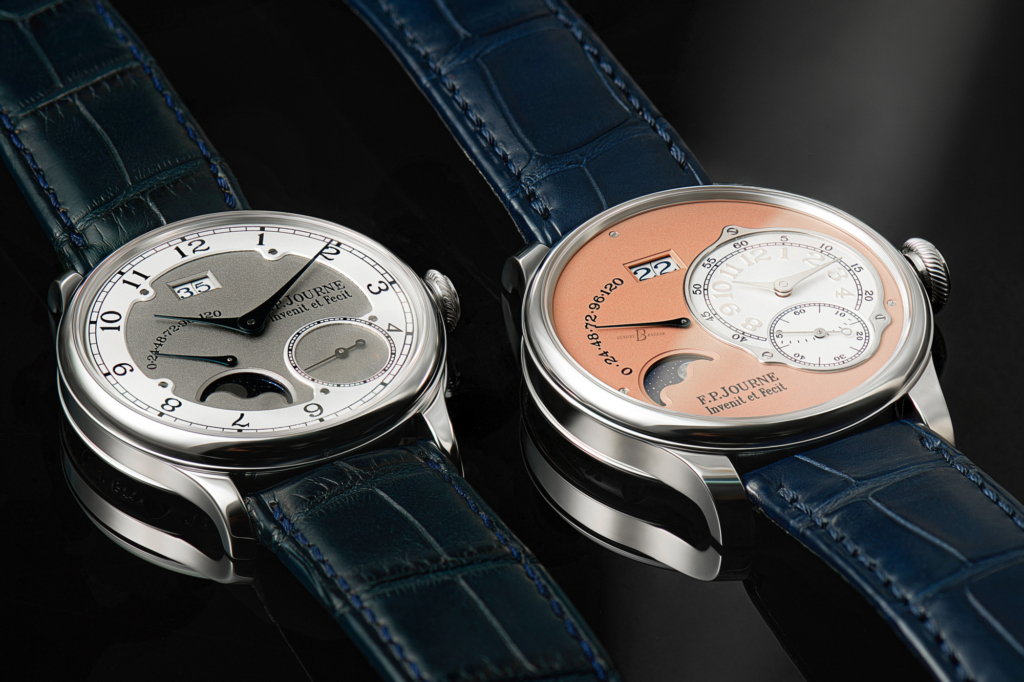
Given the massive demand and tiny output (~1,000 mechanical watches per year), the process of buying an F.P. Journe for list price makes the Rolex waitlist look downright reasonable.
In addition to resonance watches, tourbillons and a classical but distinctive design language, F.P. Journe is known for making their movements out of solid 18k gold. In 2018, Chanel acquired a 20% stake in F.P. Journe, providing capital and strategic support, but François‑Paul Journe has certainly retained control, and collectors still regard the brand as “independent.”
MB&F
Max Büsser studied micro‑technology engineering before entering the watch industry via Jaeger‑LeCoultre as a project engineer in the early 1990s. Then at Harry Winston Rare Timepieces, he became CEO and was the driving force behind the Opus series. Today he is regarded as one of the top minds in the watchmaking industry, thanks to his role as founder and creative director of MB&F–one of the leading high-end independent watch brands in the world.
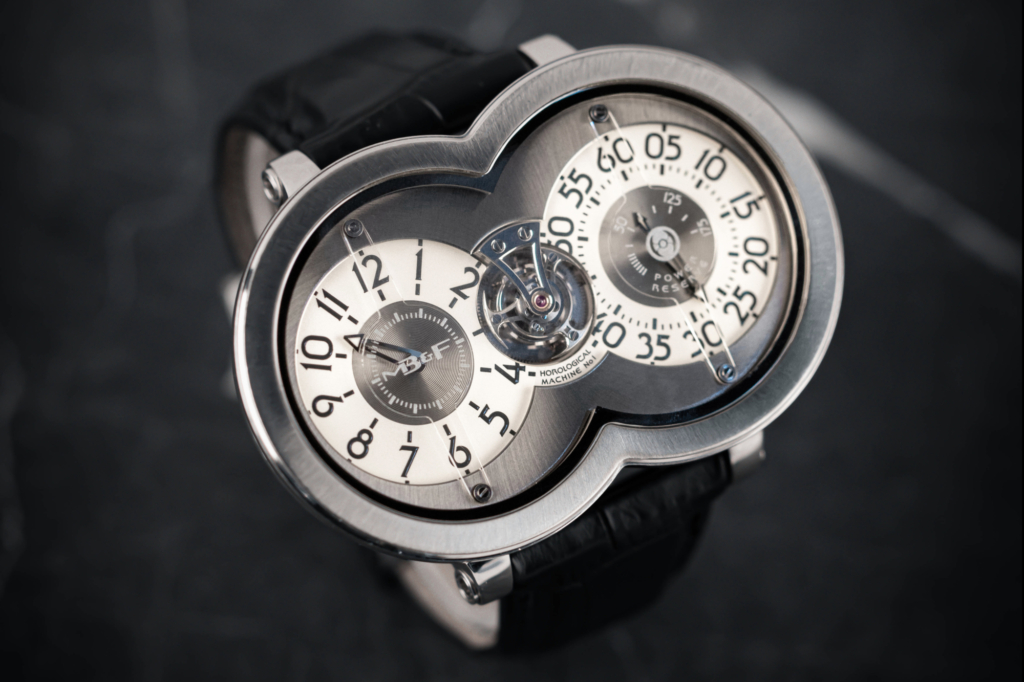
Along with Urwerk, I largely credit MB&F and their Horological Machine lineup with popularizing the aggressively-avant-garde subset of the upscale watch market.
MB&F made only 278 watches in 2014, and even today they make less than 500 watches per year. Although demand certainly exceeds that, MB&F has no plans to expand production further. “We don’t want to grow,” Büsser told 60 Minutes in December 2025.
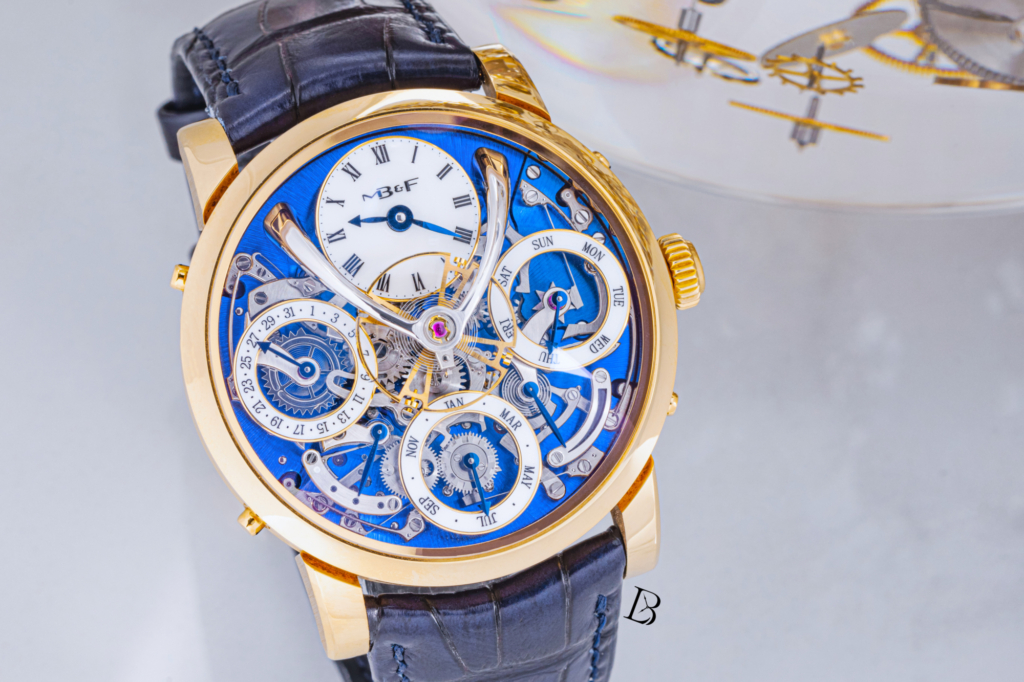
MB&F’s watches are well worth a deep dive on their own, but for the purposes of this article I’ll just say that since their founding in 2005 they’ve made all sorts of complicated watches including perpetual calendars, dual chronographs, unusual tourbillons and split escapements (meaning the balance wheel is visibly separate from the pallet fork and escape wheel). They continue to be an extremely influential brand with strong resale value. Even their least popular watches typically sell for over $60,000 and reach well into six figures.
Chanel bought 25% of MB&F in August of 2024, and although no obvious changes or releases have stemmed from that investment yet, I’m sure a Chanel x MB&F collab would sell well. Press releases about the purchase focus on the “stability” that Chanel’s minority ownership of the elite watch brand will provide.
More on High-End Independent Watchmakers:

Chanel’s Latest Watch Brand Investment: Kross Manufacture
Kross Manufacture is Marco Tedeschi’s vertically integrated Swiss atelier in Gland, established in 2020 to design, machine, decorate, finish, and assemble proprietary movements and cases in-house. In addition to making their own watches for the Marco Tedeschi brand (and previously Kross Studio, their design arm), Kross Manufacture also acts as a private-label and development supplier for select haute-horlogerie clients.
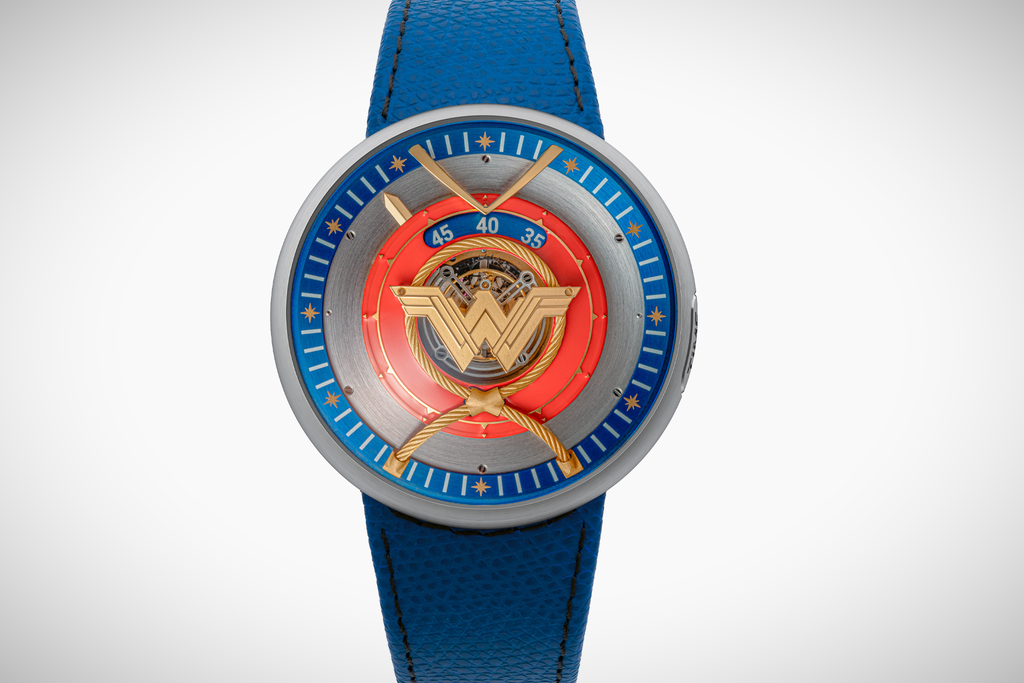
Since Chanel bought a 30% stake in early 2026, expect Chanel brands to have priority access.
Chanel’s Own Watch Brand Today
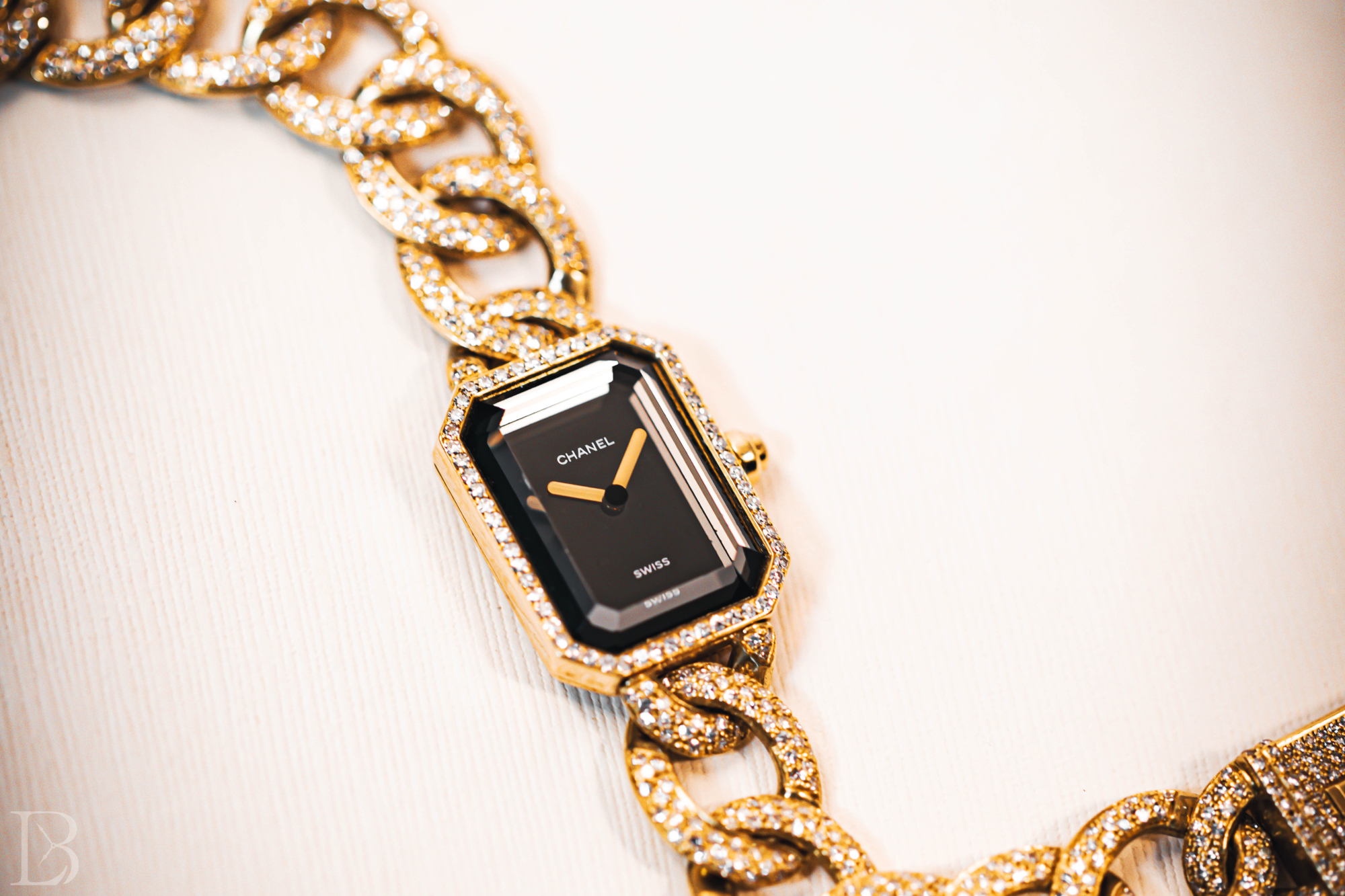
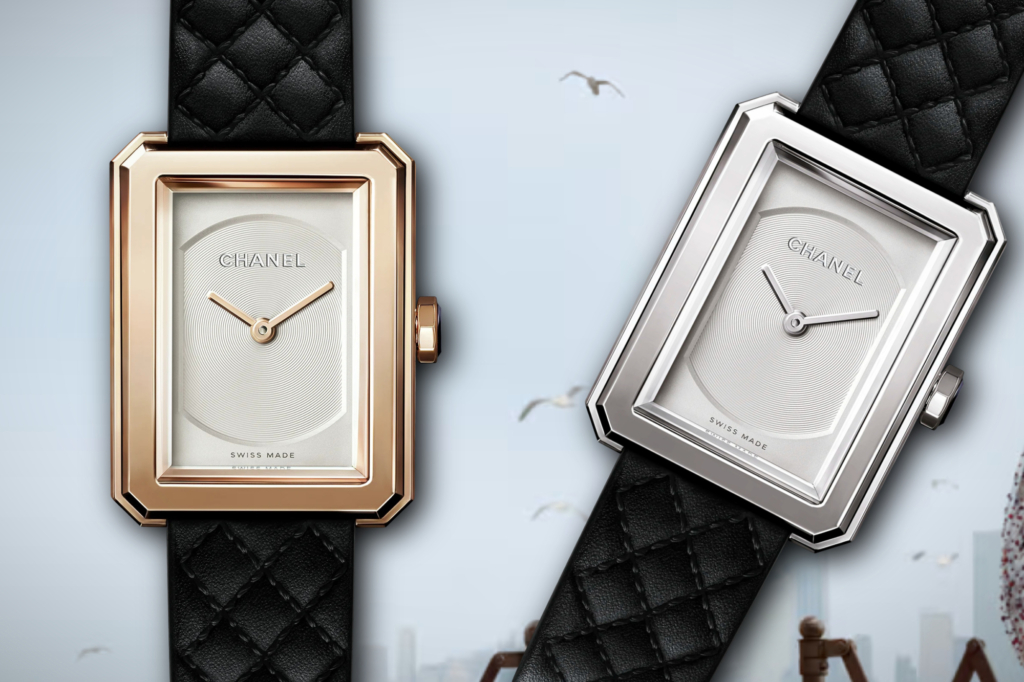
Today, the three most recognizable Chanel watch lines are the Premiere, J12, and Boyfriend. Prices for a quartz-powered stainless steel ladies’ Boyfriend model start at $4,800, which seems like a price range more appropriate for a nice mechanical movement, but the faceted-rectangle case is attractive regardless.
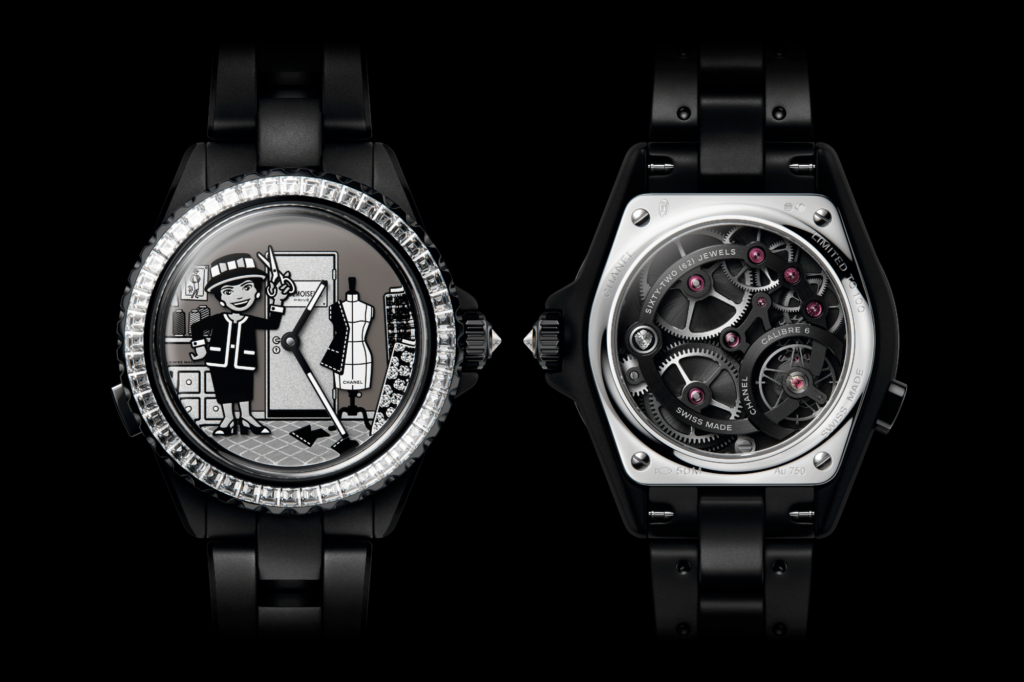
The popular J12, which was Chanel’s first unisex watch, is currently offered in blue, black or white ceramic. While time-only models use Kenissi movements, there are also skeleton, tourbillon, and even automaton movements in the lineup. Many of them, including some sapphire-case luxury watches, are heavily gem-set and well into “price on request” territory.
The Monsieur De Chanel line is Chanel’s most straightforward round-cased watch line, often powered by the aforementioned Romain Gauthier-derived movements.
Overall, Chanel’s growing watchmaker portfolio is quite impressive, and I would be unsurprised to see their own watches continue to move upscale thanks to collaborations with brands they invest in.


Leave a Reply