An Introduction to Luxury Watches

The number one reason people buy luxury watches is that they look cool. The first time I ever tried on a Rolex Submariner I was like Oooh yeah, that looks sweet and I’ve felt that way ever since. This basic emotion is, I’m convinced, the very basis of the luxury watch industry. Of course craftsmanship and history contribute to the “coolness factor” but, watches are essentially jewelry. We’re not going to tell you that owning a luxury watch “opens doors” or anything like that. But here at Luxury Bazaar we are qualified, I think, to give a high-level introduction to the world of fancy watches.
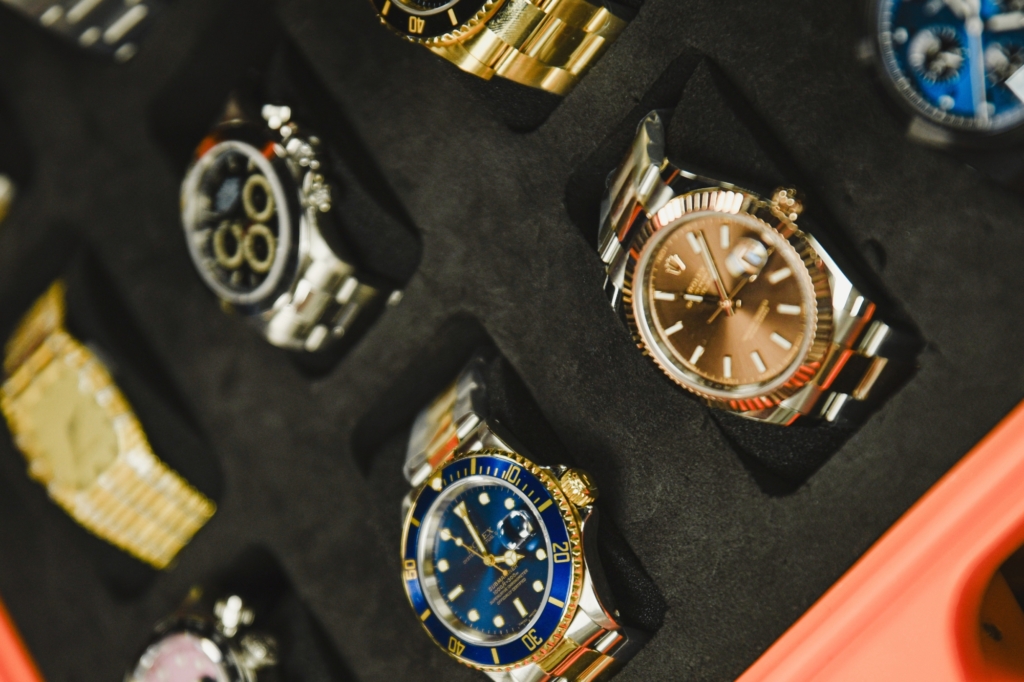
Even the wealthiest true watch enthusiasts respect brands like Seiko and Citizen, and there are some seriously cool offerings from both of those brands under $500. Any watch collector who hates on Seiko doesn’t know ball. Genuinely. The only real reason to buy a watch more expensive than that, is if you think it looks awesome on your wrist.
And if you’ve tried on high-end watches and they don’t really make you feel anything special, that’s OK; you’re normal. I’ll concisely explain the market that exists for those of us who do have the expensive-watch sickness.
Is Rolex Really Good?
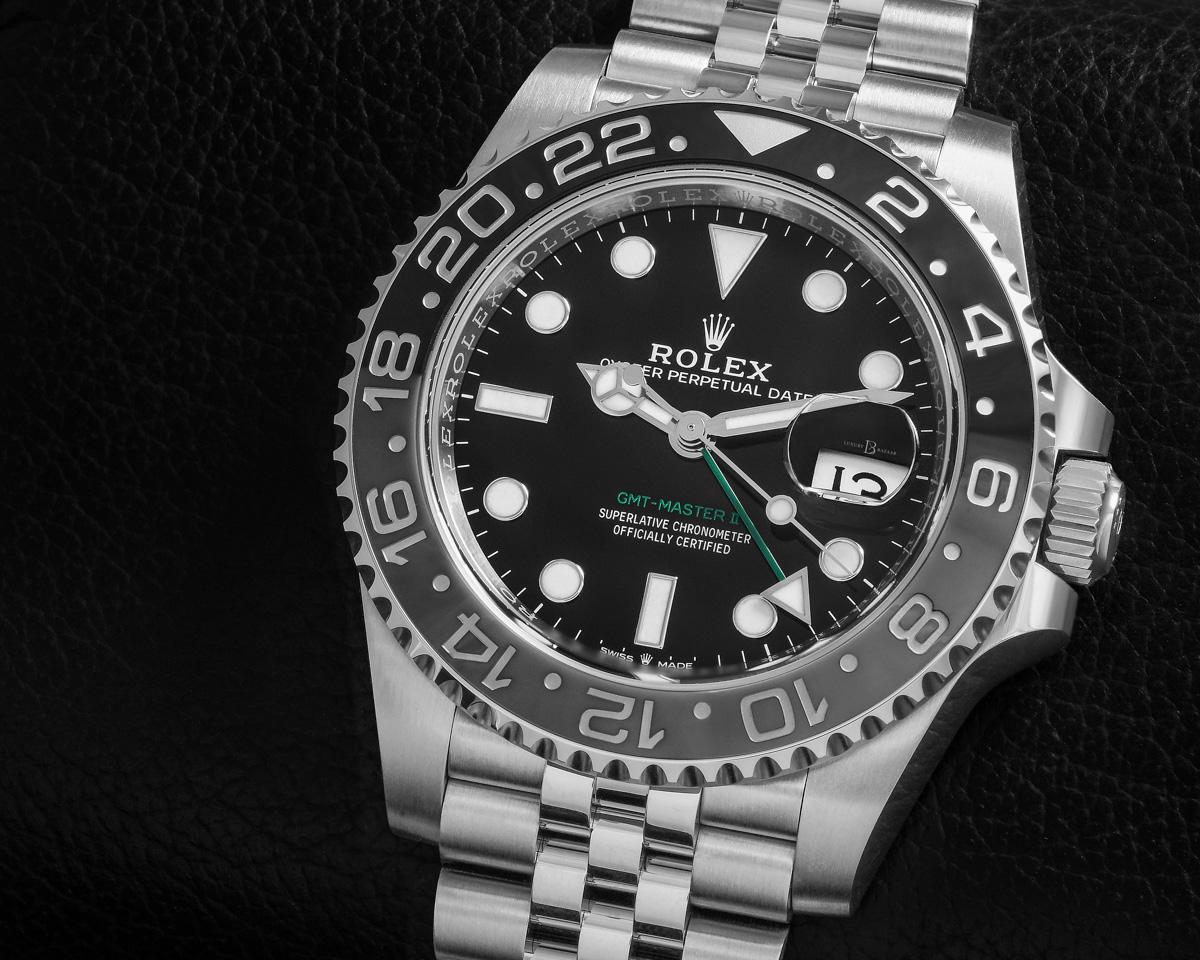
The entire framework of the luxury watch world exists within the orbit of Rolex’s gravity. They sell well over a million watches annually and generate more revenue than their closest five competitors combined. Over 35% of our revenue here at Luxury Bazaar is from Rolex alone and that’s not abnormal. But is Rolex really that good? Well, I would say yes.
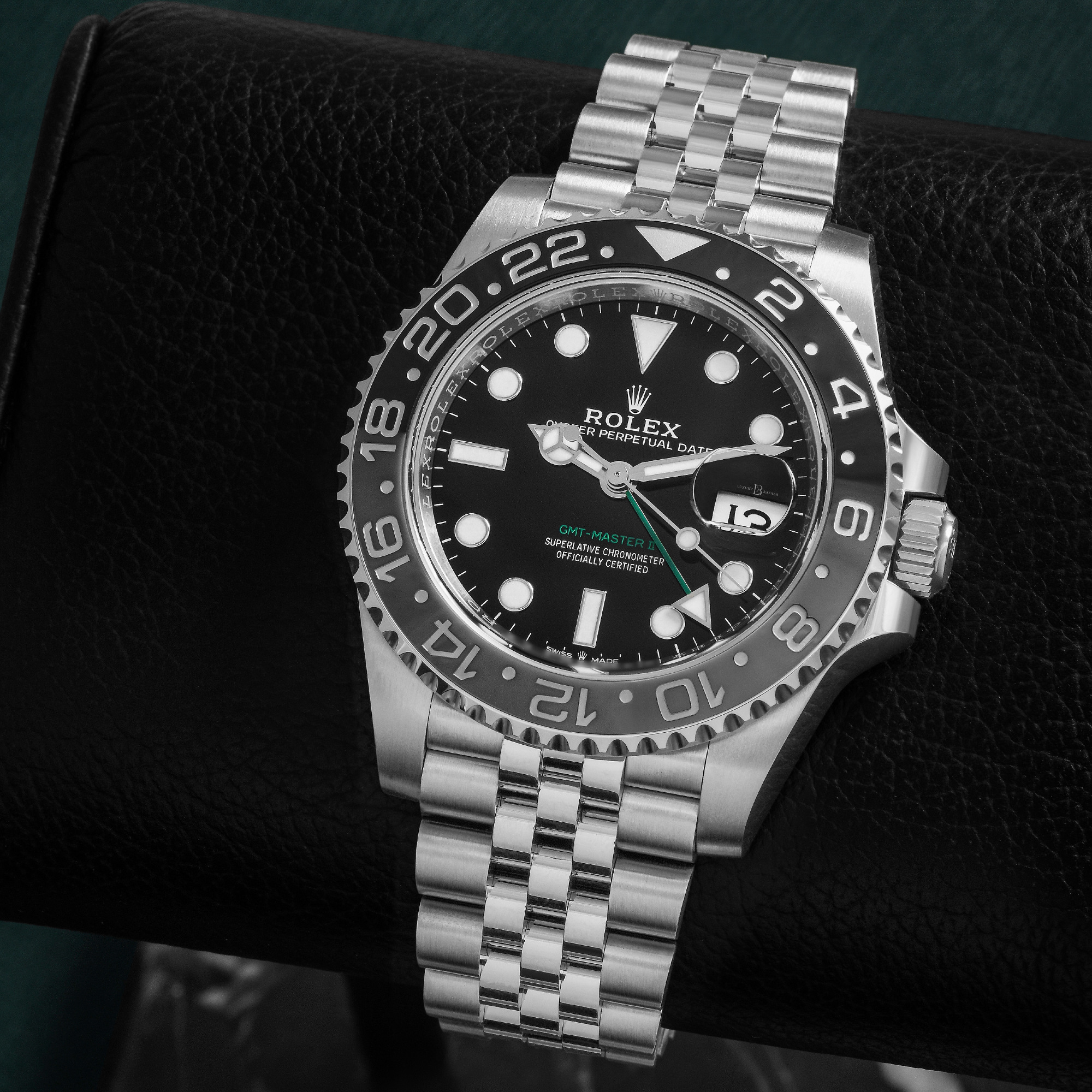
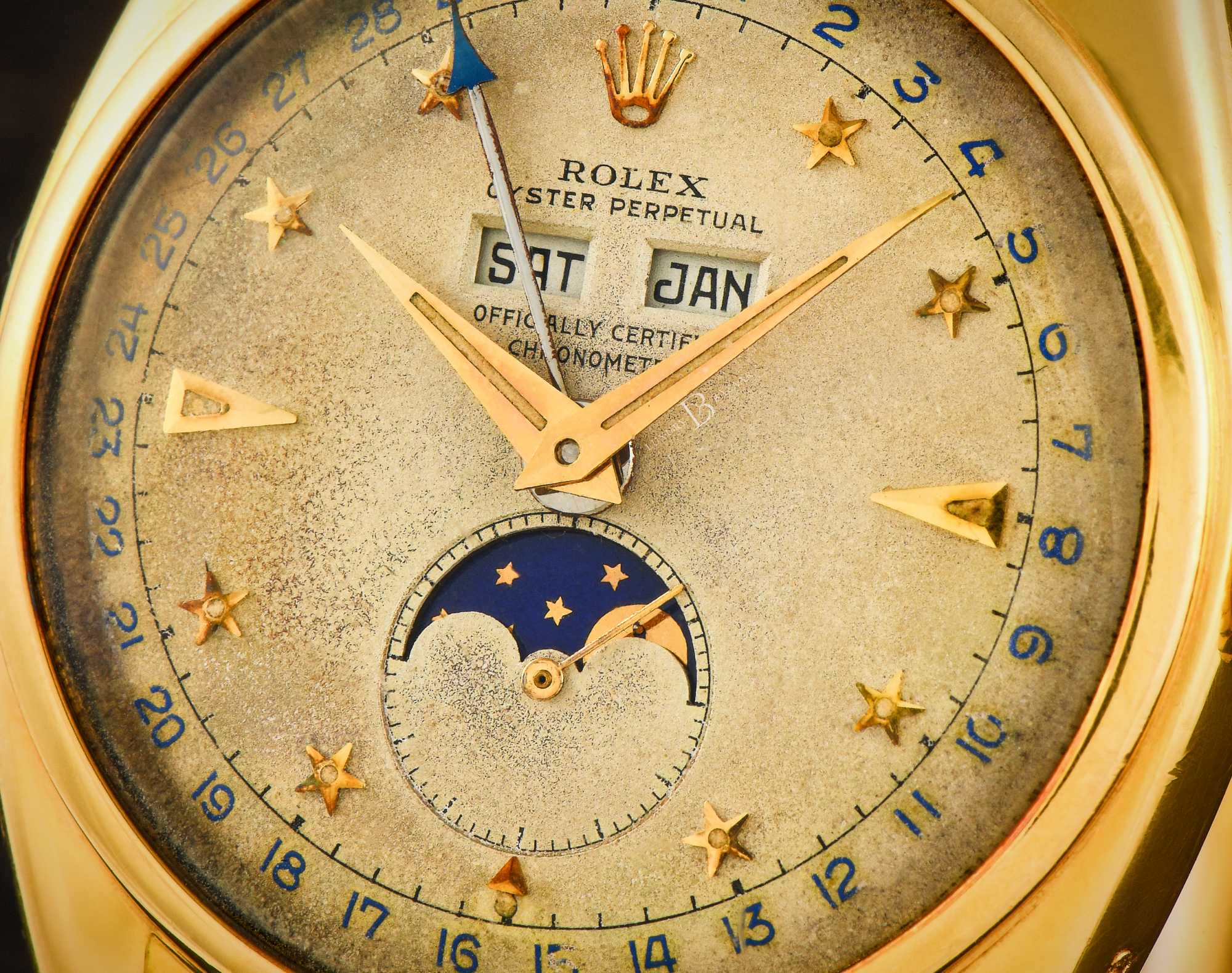
If you’ll forgive me one car analogy, Rolex is a lot more like Lexus than Bugatti. There are way more expensive options than Rolex/Lexus out there, but if you want something well-made that just works reliably, it’s tough to beat. Many of the most expensive watch brands offer far more handmade finishing and intricate complications (like minute repeaters and perpetual calendars) than Rolex. But for a watch that you can bang around, swim with, and will legitimately go 10+ years between services, Rolex is great, and their famous waterproof Oyster case was the foundation for most of that.
More Introductory Guides from Grey Market Magazine:

Rolex’s bracelets are also legitimately some of the best around (their Easy Link and Glidelock micro-adjust clasps, which allow for tool-free sizing tweaks, set the standard for the industry). And that’s a big part of why they “feel” so good on the wrist. And yes, Rolex is exceptionally good at marketing.
But anyone who says Rolex is “only marketing” is either being contrarian or obtuse. Rolex literally employs several teams of scientists at various labs including a quantum physics lab where they invented a new type of atomic clock. They file for advanced manufacturing-related patents all the time.
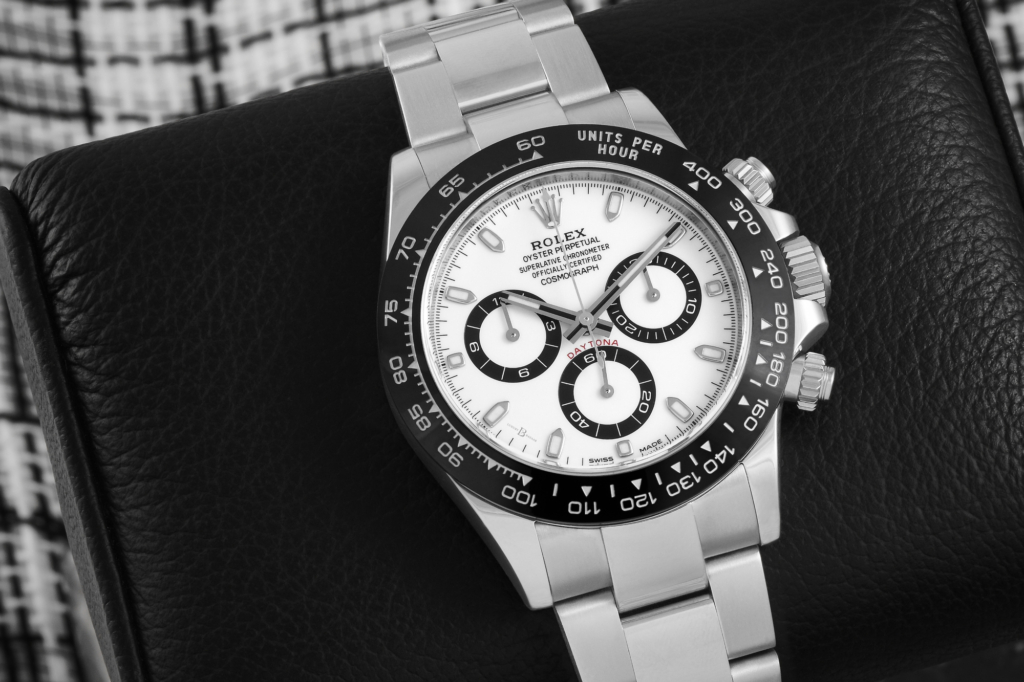
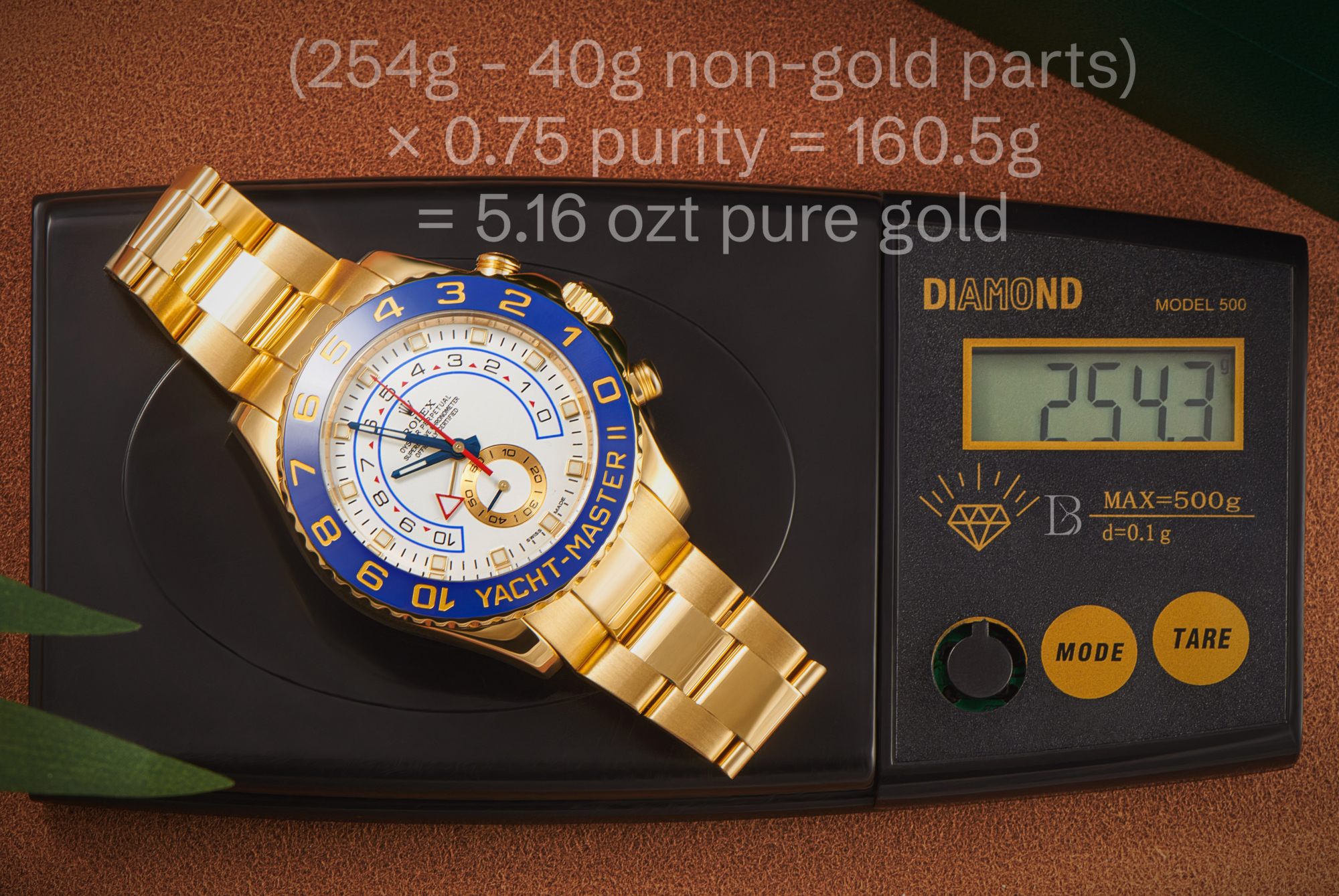
The second-generation Rolex Yacht-Master II, one of the 2026 Rolex releases, is the first watch to ever have a counterclockwise countdown timer on the same axis as regular (clockwise) hands. The Rolex Sky-Dweller, released in 2012, reinvented the annual calendar. So it’s not like Rolex doesn’t do complications at all.
And if you have at least $8,000, there are plenty of good Rolex options on the secondhand market for those who don’t want to deal with the infamous Rolex waitlist. And if you’re wondering if Rolex dealers are all just “playing games” because it’s often so difficult to buy a new Rolex, well, all the evidence I see points to the Rolex supply chain actually being pushed to its limit. Supply just can’t keep up with demand, but three more Rolex factories are currently under construction, likely to be finished around 2029.
In the meantime, there are some good values to be found from plenty of other great companies both above and below Rolex’s price point. Let’s talk about the other luxury watch brands you should know.
Other Luxury Watch Brands to Know
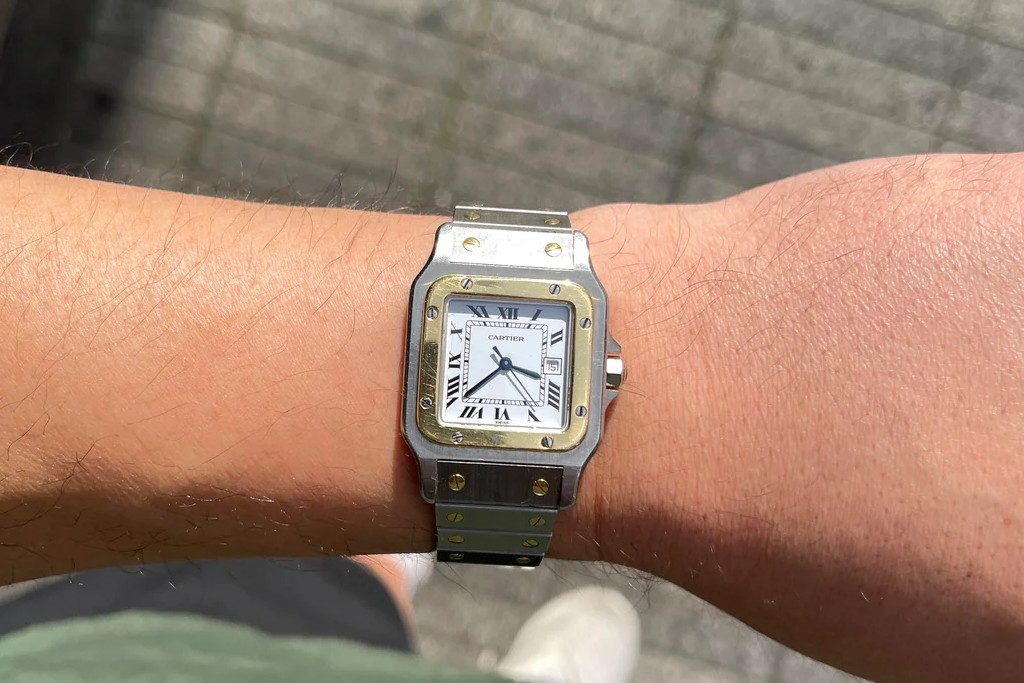
Aside from Rolex, nowadays prospective luxury watch buyers most often consider two brands in the $5,000-$10,000 range: Cartier and Omega. Cartier’s Tank and Santos are enduringly popular and distinctive designs that have enabled Cartier to dominate the luxury dress watch world.
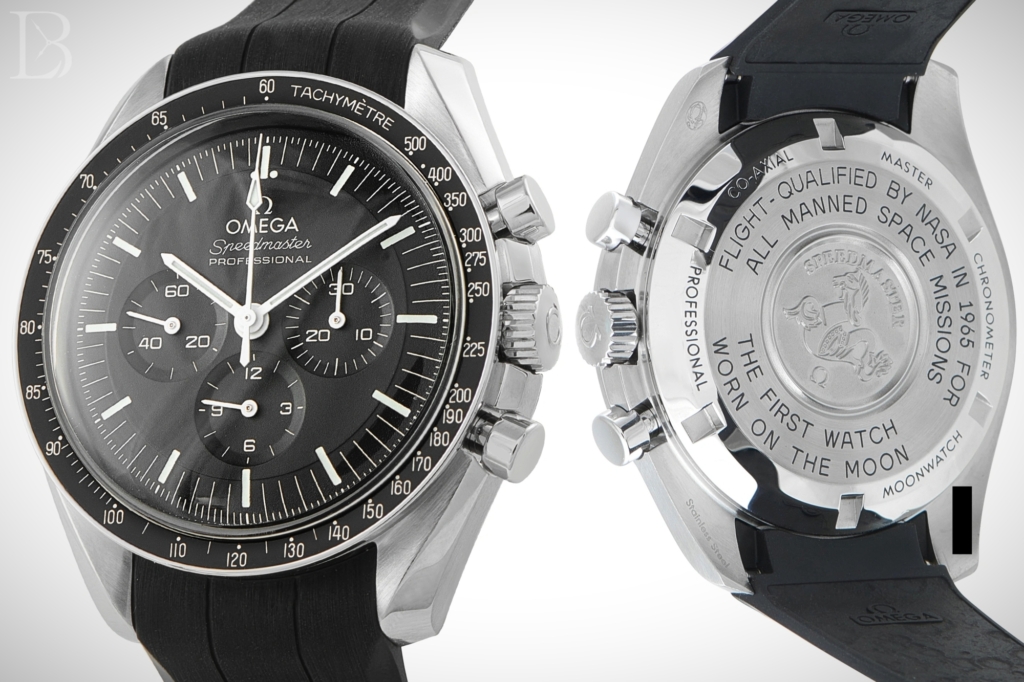
And while the Omega Speedmaster (which has many variants including the classic Moonwatch) gets much of the watch geek attention in the US, their Constellation remains very popular in Asia.
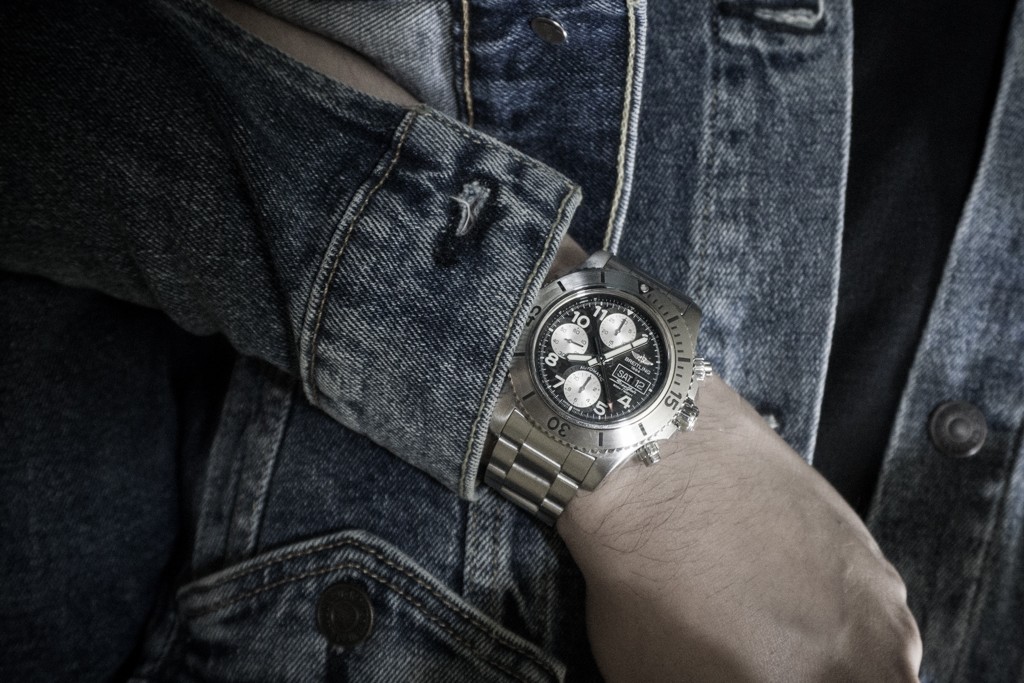
Breitling and TAG Heuer are also still highly relevant brands, and for a nice shiny watch you can get for under $3,500 used and beat on, they’re great choices.
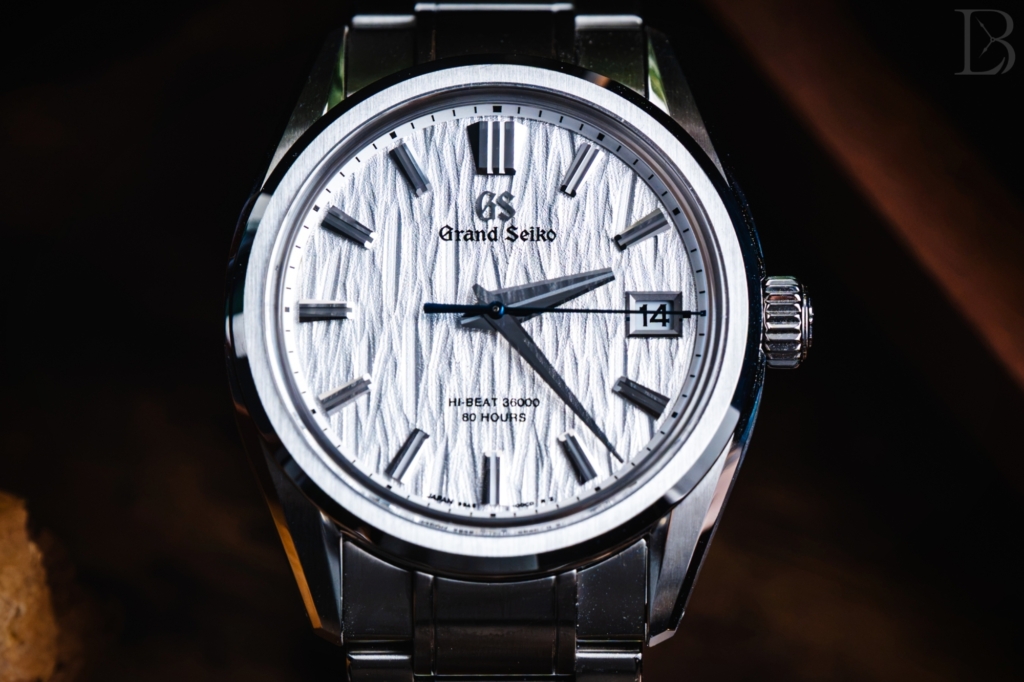
Grand Seiko (Seiko’s Rolex-priced tier of watches) is incredibly popular with watch nerds for a reason; they look better under 10x magnification than just about anything that isn’t 10x the price.
Many of the top 10 luxury watch brands are in an even higher price bracket. There are numerous watch brands, some with miniscule outputs, that are more expensive than Rolex. But there are only seven that you absolutely need to know about to understand the market.
Holy Trinity
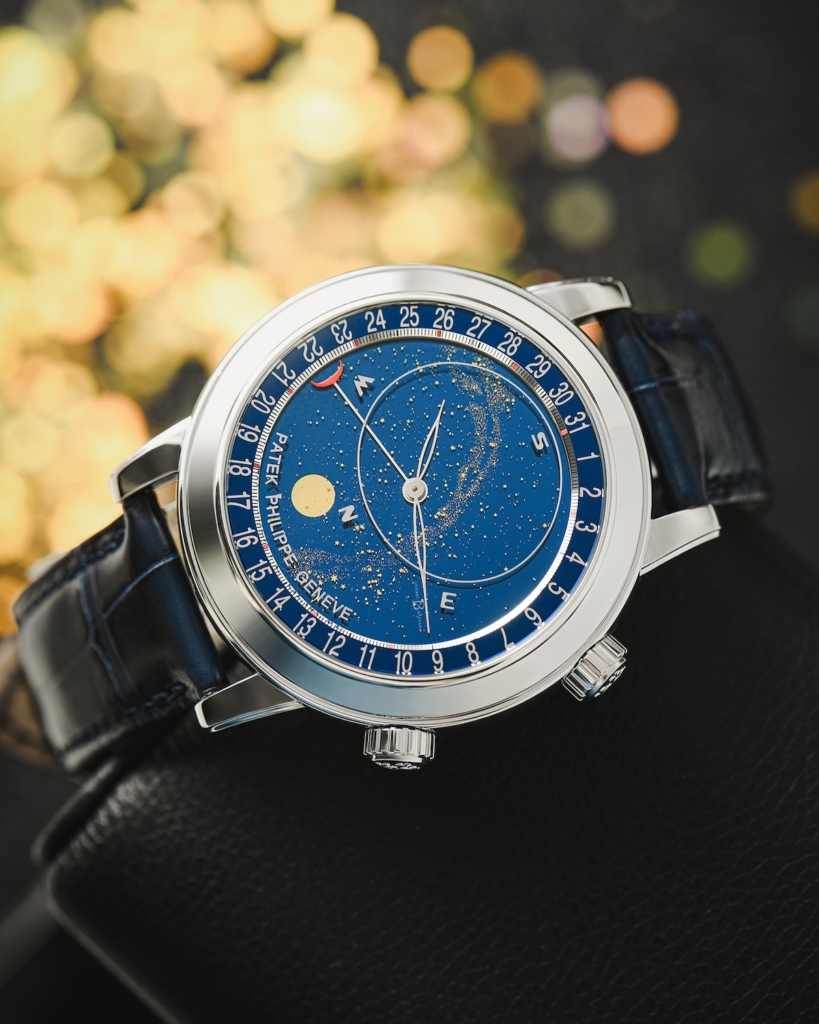
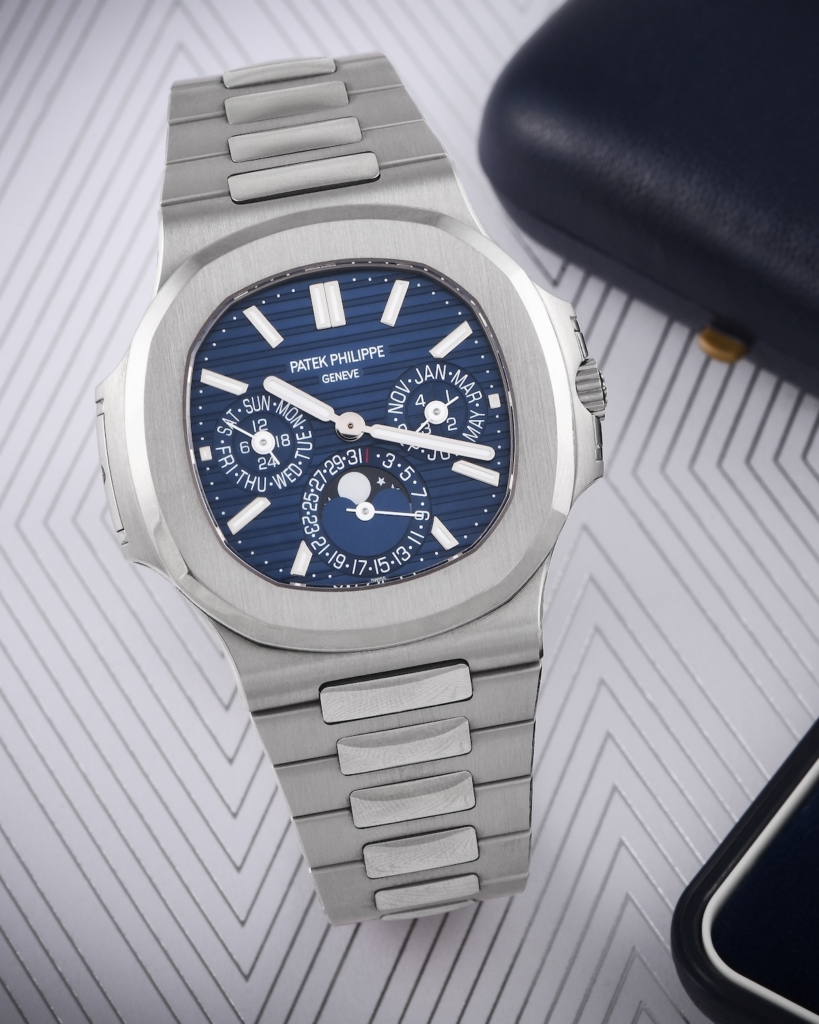
First of all, there’s the historic so-called “Holy Trinity” of Swiss watchmaking which includes Patek Philippe, Audemars Piguet, and Vacheron Constantin. Vacheron is owned by Richemont, the conglomerate who owns Cartier, but the other two are still truly independent. Patek’s most-hyped models are the Aquanaut and Nautilus (their sports watches) but their complicated dress watches are also legendary. Patek has generally been the top dog at watch auctions for decades.
Audemars Piguet’s popularity rests heavily on their octagonal Royal Oak line and its offshoots, like the Royal Oak Offshore and Royal Oak Concept.
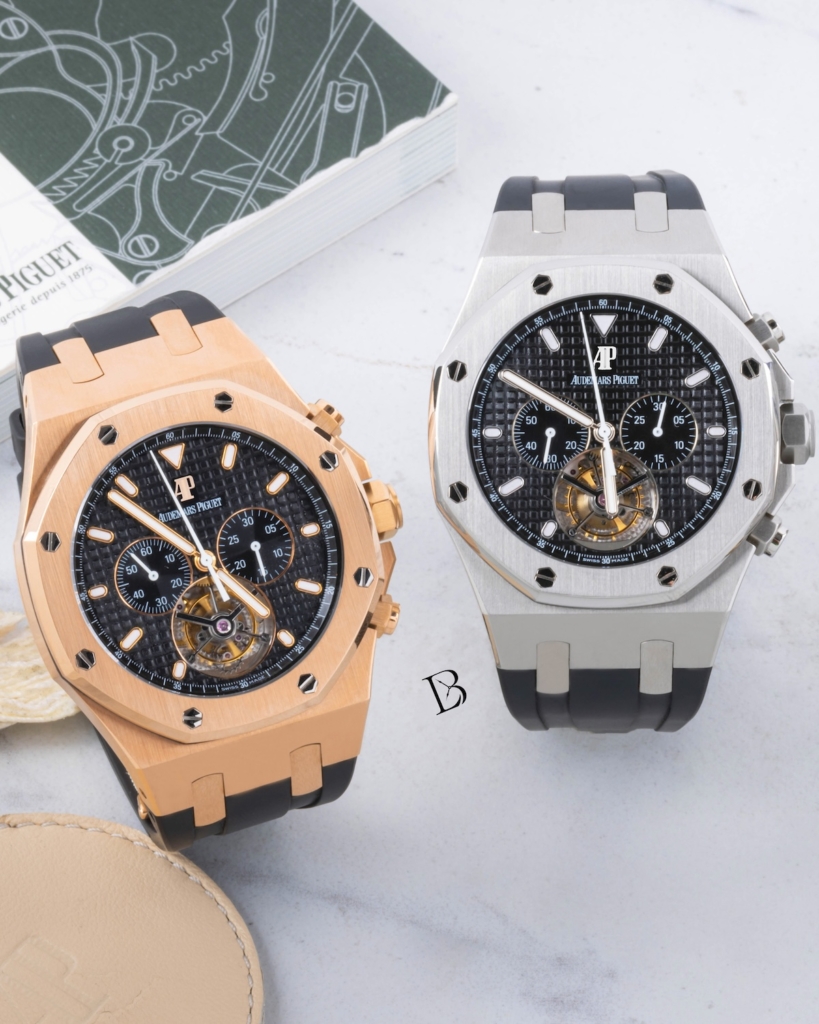
The Royal Oak was designed by Gerald Genta, the most famous watch designer of all time, and a hallowed name in the watch geek world. Genta also designed Patek’s Nautilus, the C-Case (as seen on the Universal Geneve White Shadow), the IWC Ingenieur SL, and countless others.
Vacheron isn’t quite as popular as the other two members of the trinity, but their quality is also very good and they’re getting pretty hot right now.
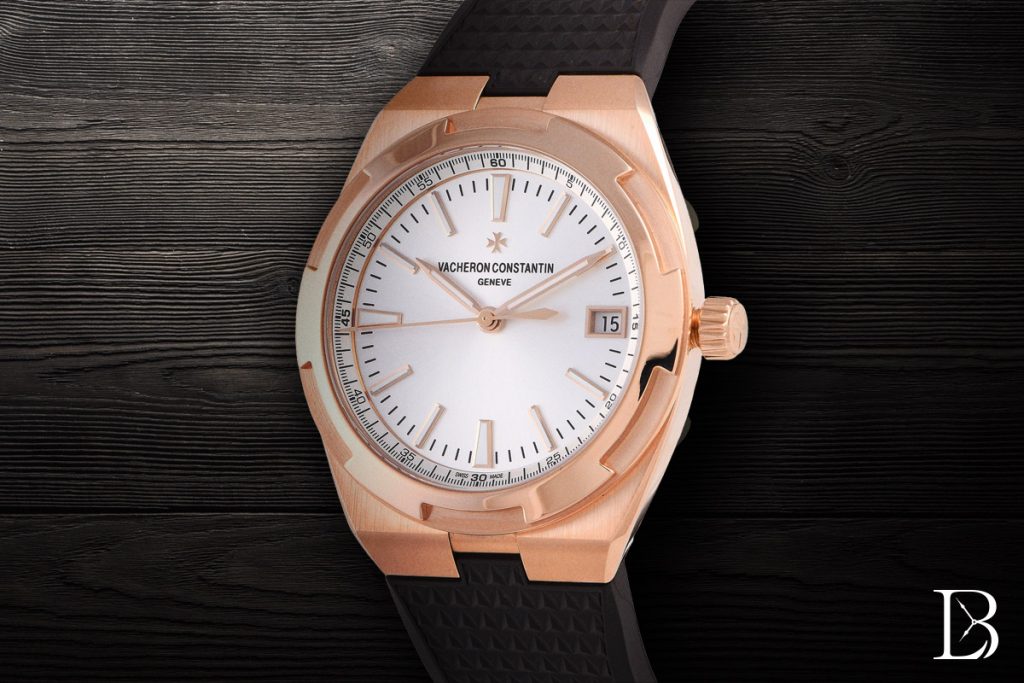
Watch nerds almost universally agree that the Vacheron Constantin Overseas is a great everyday-wear watch in the $25,000 pre-owned range. Like an increasing number of high-end watches, the current Overseas has a quick-release function hidden under the lugs, so you can swap the bracelet/strap easily without tools.
Modern Ultra-Luxe Heroes
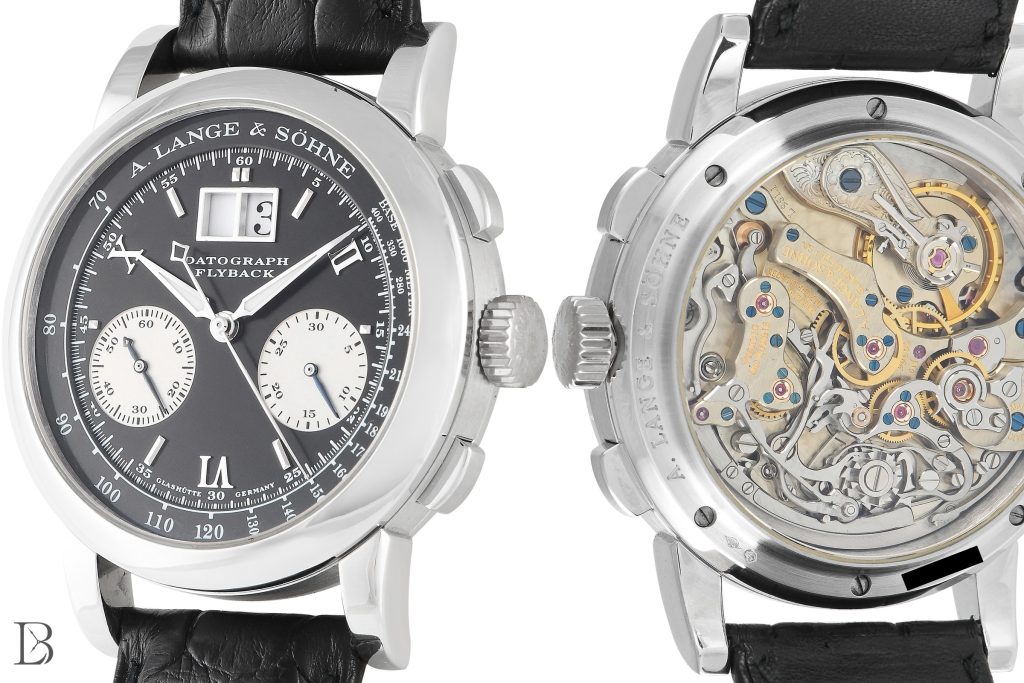
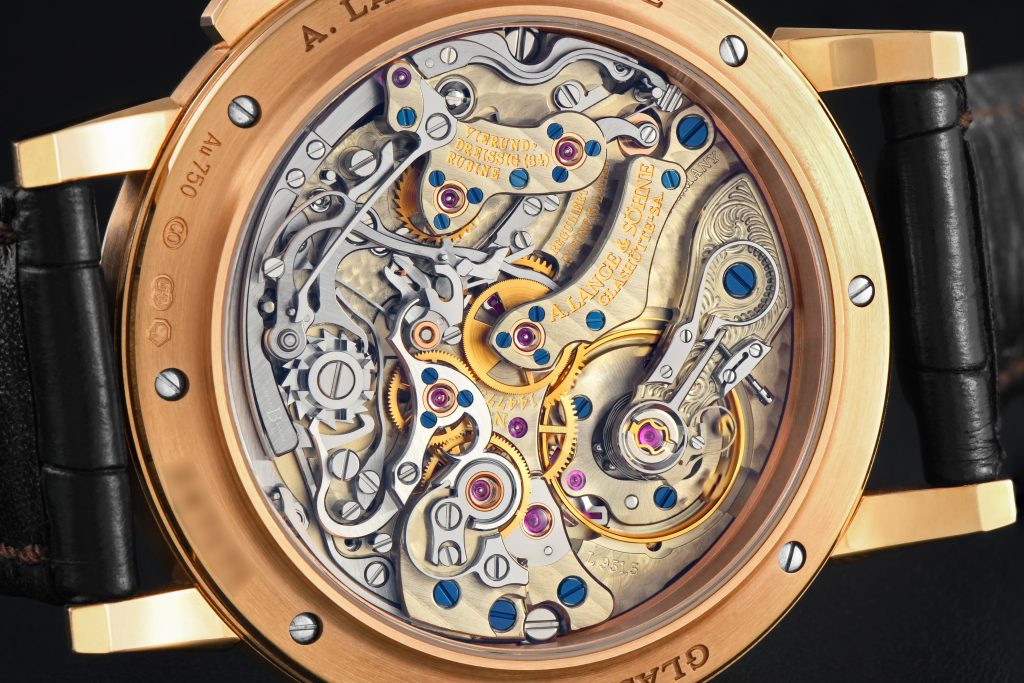
With the possible exception of a couple ultra-tiny brands like Lang & Heyne and Moritz Grossman, A. Lange & Söhne (owned by Richemont) makes the best German watches in the world. Their movement finishing is so legendary that when Lange enthusiasts share pics of their watches online, they are encouraged to “pay the Lange tax” by posting photos of the backside of the watch (with its beautiful movement visible through the exhibition caseback). Even the most basic time-only used Lange watches tend to sell for over $20,000, and that’s money well-spent in my book.
More on A. Lange & Söhne:
| ➢ | A. Lange & Söhne 2024 Releases |
| ➢ | 5 Entry-Level A. Lange & Söhne Watches |
| ➢ | The Most Expensive Watch Brands in the World |
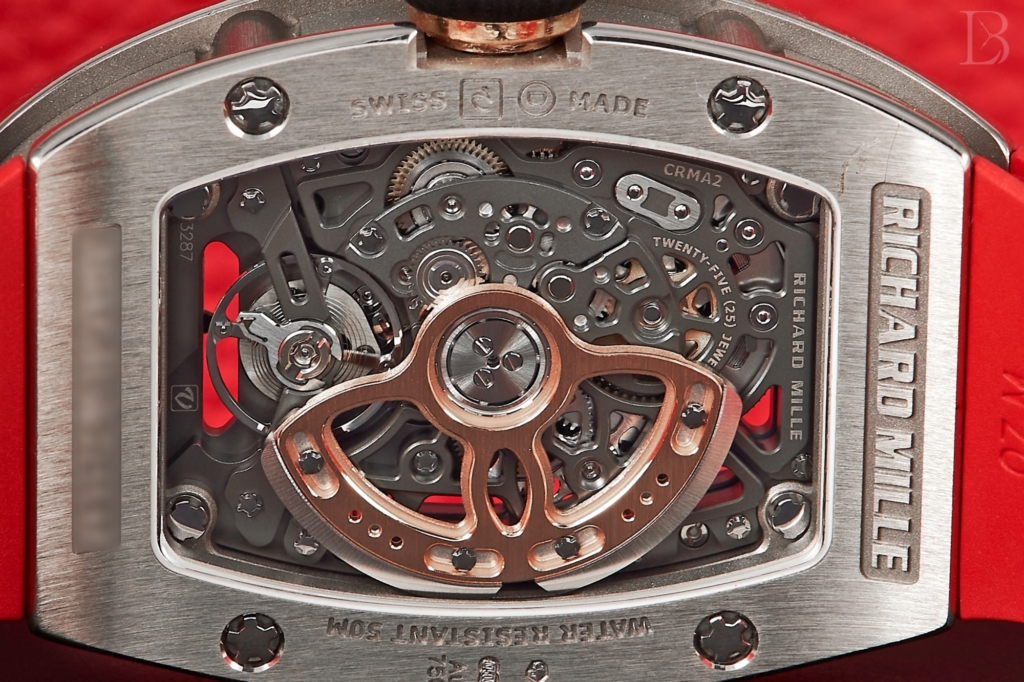
Richard Mille is by far the largest luxury watch brand that has an average retail price over $200,000. Founded in 2001, they were a pioneer in the avant-garde ultra-expensive watch space. Historically, most highly complicated exotic wristwatches were classically styled, but RM helped end that conventional wisdom.
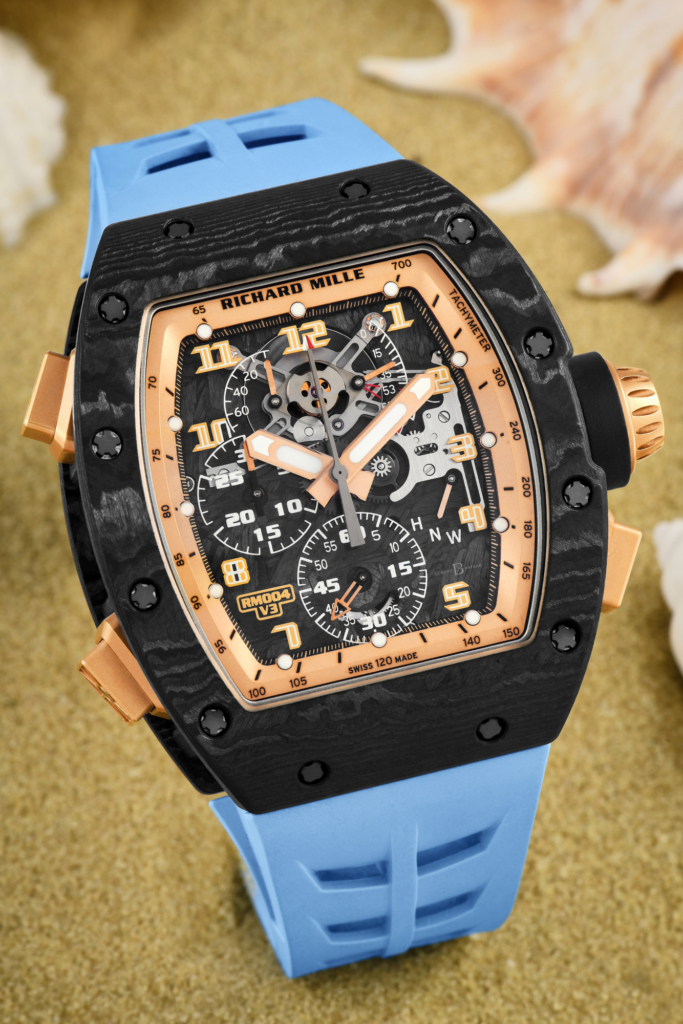
Their tonneau-cased wristwatches tend to be their most popular, and their movements (made by Renaud et Papi, the master artisans who make Audemars Piguet’s movements) are legitimately ultra-high-end and extremely shock-resistant (some of the Richard Mille Bubba Watson models can handle 10,000 G’s!). Plus some of their complications, like the golf swing force indicator on the RM038, are extremely unusual and technically complex.
More on Richard Mille:
F.P. Journe is the biggest auction darling among independent luxury watch brands at the moment, with multiple rare early examples having been sold for eight figures recently. 15 years ago, you could get a used Chronometre Bleu (F.P. Journe’s “entry-level” time-only watch) for under $20,000. Now they’re closer to $100,000. Journe’s popularity has absolutely exploded and his watches have become uniquely collectible. Interestingly, it’s one of the luxury watch brands Chanel has invested in.
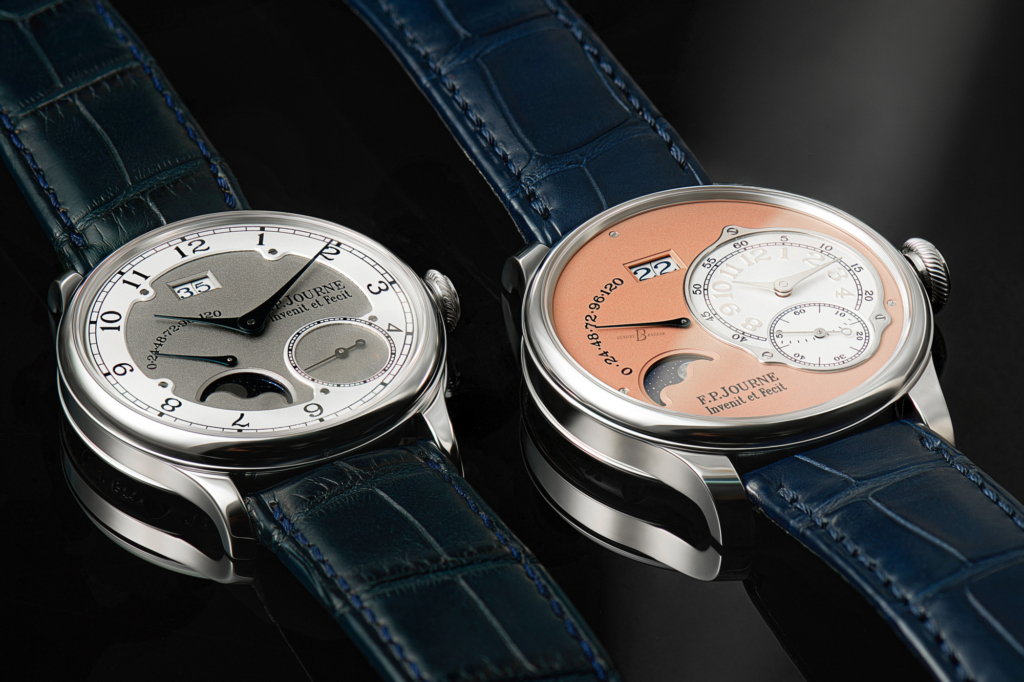
There are a ton of other small-volume high-end indie brands these days, and everyone wants to be the “next Journe” in terms of hype among the ultra-wealthy. One brand is pretty darn close: Rexhep Rexhepi.
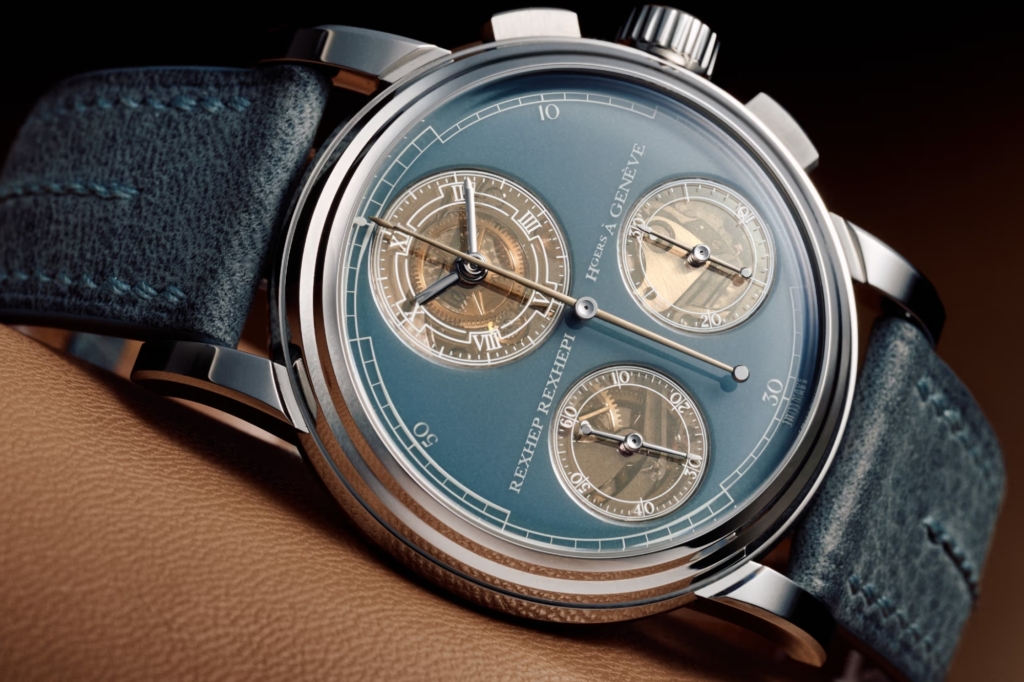
While being a fan of Journe in 2010 meant you were probably a highly knowledgeable watch nerd, nowadays it’s almost popular to take the counterpoint and say that FPJ watches “aren’t that nice” for the price. I mean, I think they’re pretty darn beautiful, although I will admit the preposterously exquisite finishing from Rexhepi (and other tiny but less-hyped brands like Kallinich Claeys) undeniably exceeds Journe’s.
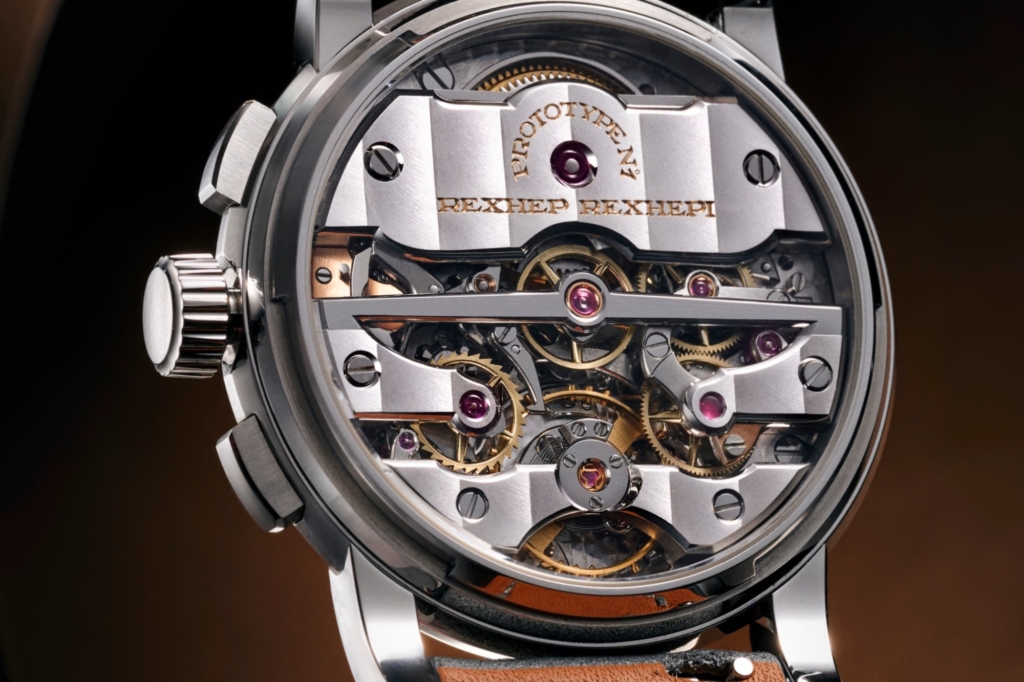
For watches like this, you’re probably filling out an “application” and waiting years and years, if you aren’t outright rejected. The Souscription model has regained popularity. Once waitlists reached 12 years for his watches, though, the legendary Kari Voutilainen stopped taking new orders altogether. That’s what the Zuckerberg tier of the watch market looks like right now.
Fashion among the elite is a fickle thing, and not all worthy ultra-exotic brands have gotten the attention they deserve. I wrote a guide to Ferdinand Berthoud watches when Luxury Bazaar got one in stock for the first time, and it took a while to sell, as $200,000+ luxury goods sometimes do. Now, FB’s sell very quickly and the same trajectory seems to be happening for David Candaux. And Vanguart has been hot ever since Michael Jordan was spotted wearing one.
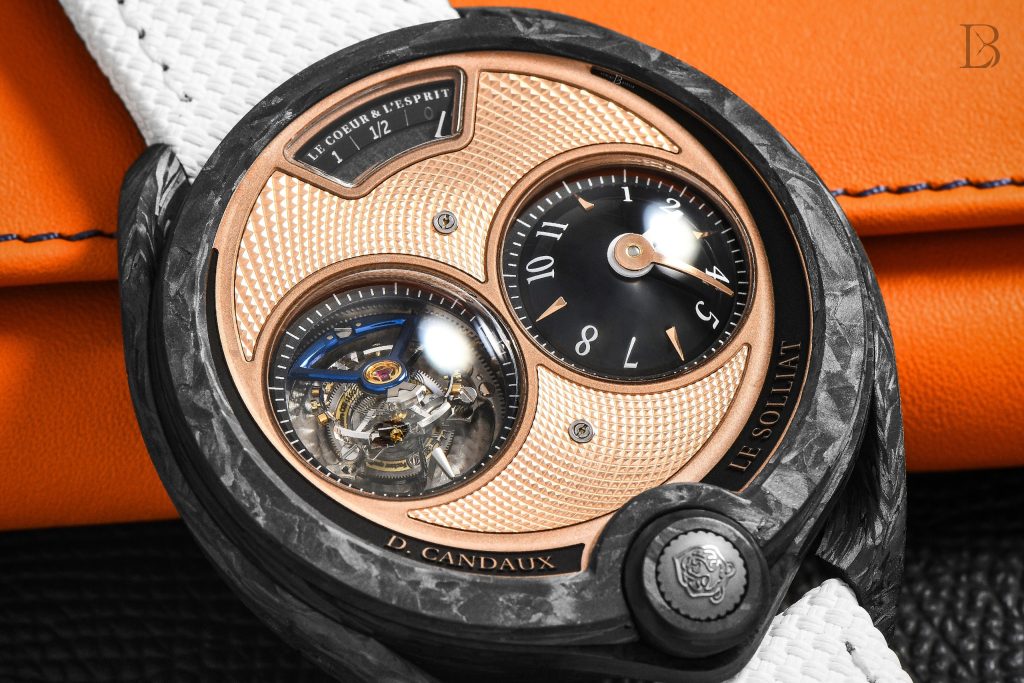
To know which brand you like, there’s no substitute for simply looking at available options, seeing what they cost, and which ones you think look cool.
More on High-End Independent Watchmakers:
What Types of Luxury Watches are Popular?
Luxury sports watches, with few exceptions, get more attention from collectors than dress watches. People want watches they can actually wear without worrying about too much. So water-resistant stainless steel watches with stainless steel bracelets or rubber straps (some might call those “GADA watches“) are enduringly popular.
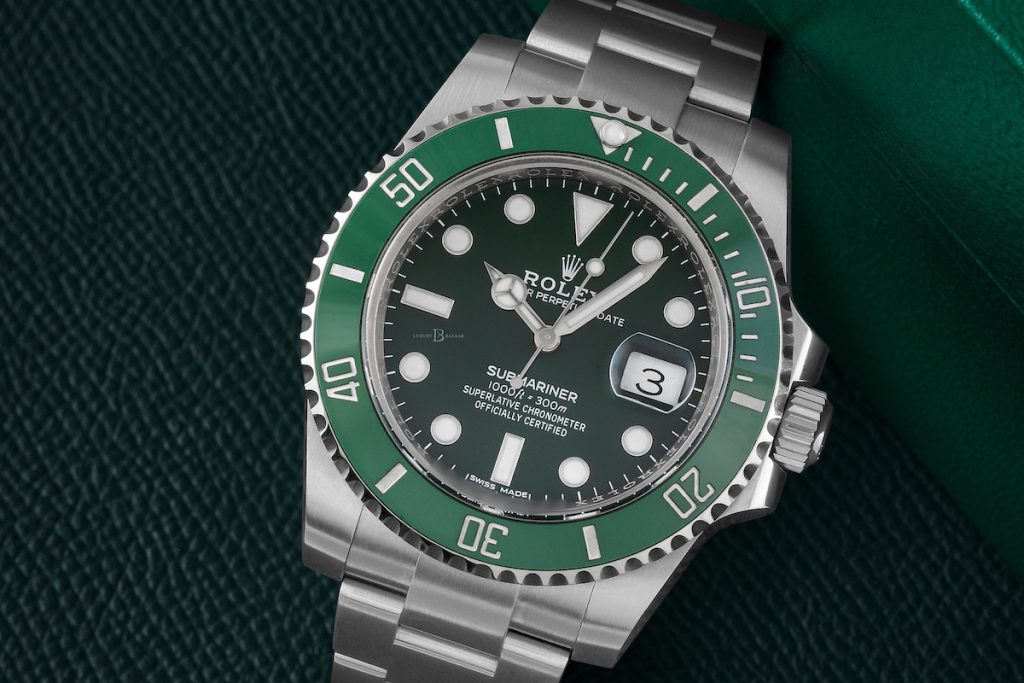
Alligator straps look great, but I wouldn’t bathe my kids while I wore one, for example.
Dive watches are always desirable, as are chronographs, and integrated-bracelet luxury watches have been hot in recent years too.
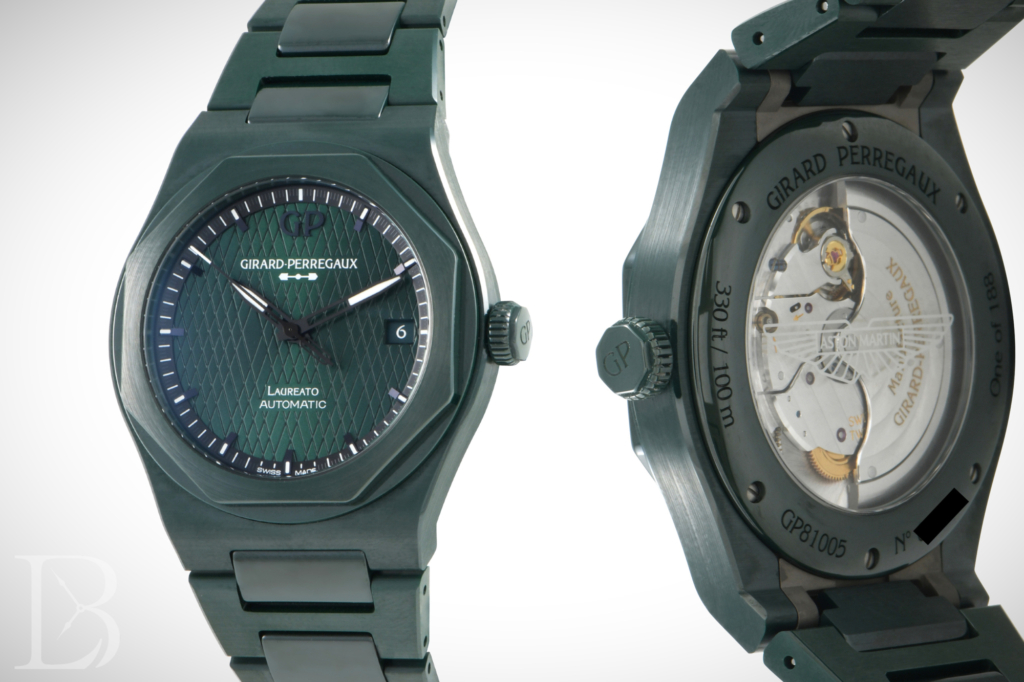
If you prefer dressier watches, though, you can generally find much greater discounts on those secondhand.
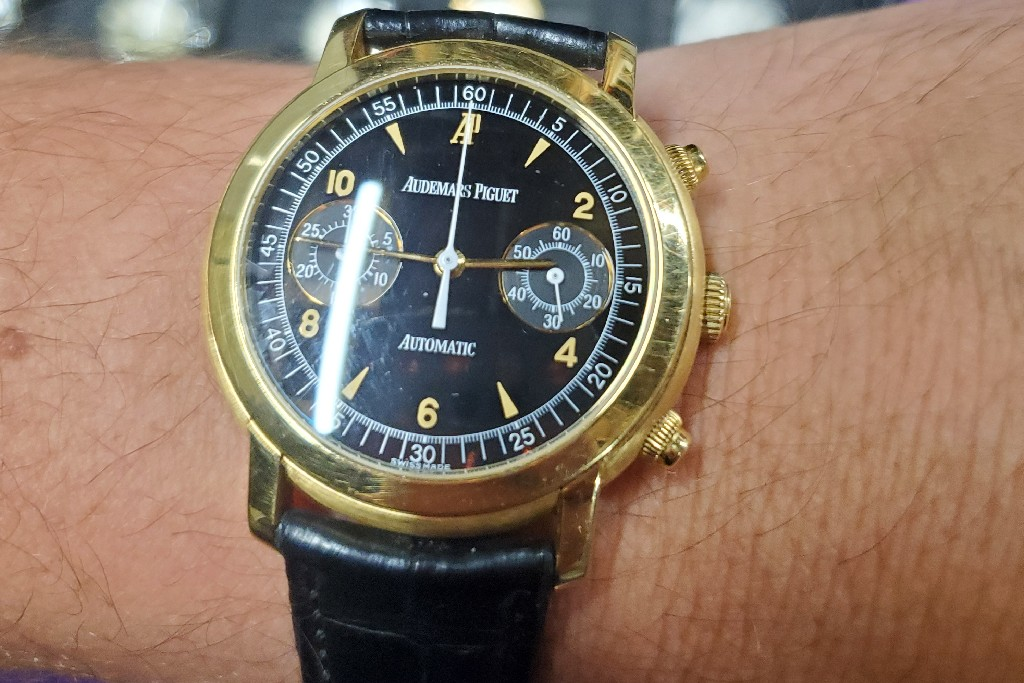
Note that many dress watches have a water resistance of “30m” which really means “barely splash-proof.” I know, it’s dumb, and I’m not going to justify it; it’s just something to be aware of. One exception: When Patek Philippe rates a watch to 30m, it actually can go 30m beneath the surface.
Are Automatic Watches Expensive?
People often associate quartz watches with being “cheap” and automatic watches (mechanical watches that self-wind themselves from movement, usually with a rotor) with being “expensive.” But there are plenty of luxury quartz watches (including the F.P. Journe Elegante, which sells for six figures secondhand) out there, and conversely, there are plenty of incredibly cheap automatic watches. Automatic Seiko movements can be purchased for under $50 and some Chinese Seagull movements are even cheaper. So not all mechanical watches are expensive and not all quartz watches are cheap.
Should I Get a Vintage Watch?
I’m a big fan of vintage watches and I would be happy to share my illness with you, but for a “first nice watch” I don’t recommend vintage. For any vintage watch purchase I mentally set aside $500+ for a full service, and even though I believe “watches are meant to be worn,” most vintage watches just aren’t as shock-resistant or water-resistant as modern ones. And, well, the secondhand market prices speak for themselves.
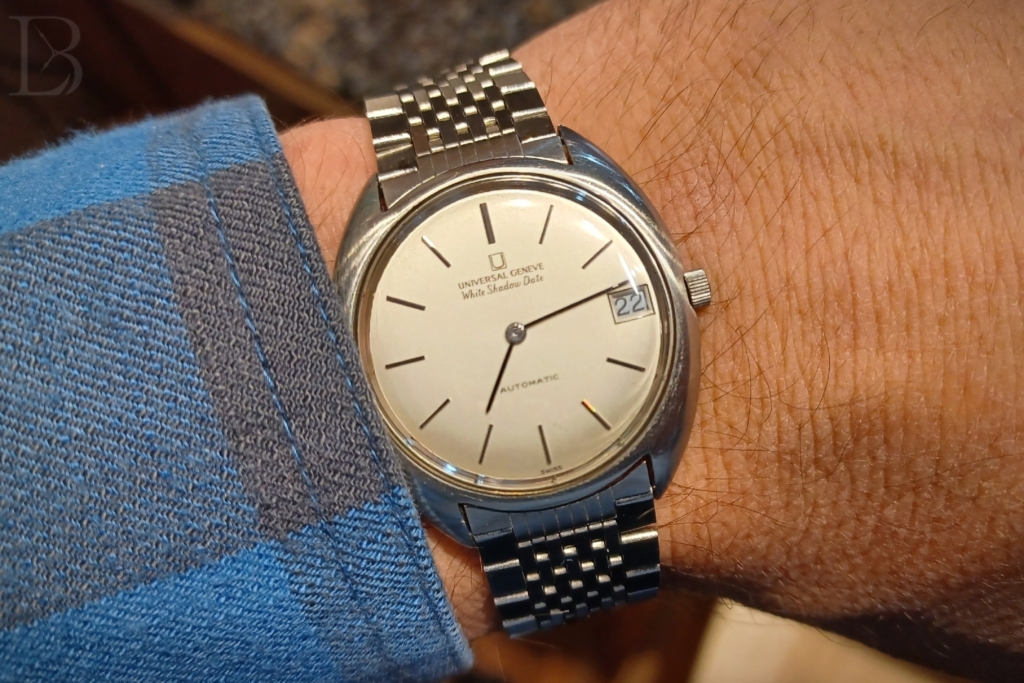
Although I think there is absolutely a lot of value to be had in the vintage luxury watch market, vintage watches are (usually) cheaper for a reason. Modern luxury watches really are incredibly nice and sometimes people think vintage equivalents, which often have things like folded-link bracelets and hollow endlinks, feel “cheap” when trying them for the first time. Others are charmed by the understated allure of vintage and never go back.
And just because I didn’t mention a brand in this article, it doesn’t mean they don’t make excellent watches; there are simply too many watch companies to cover in one article. IWC, Zenith, Ulysse Nardin…the list is endless. Deciding what you like is the fun part.


Leave a Reply