How to Open a Rolex Caseback

Opening a Rolex caseback isn’t terribly difficult, but there are a few steps involved, and you can easily leave marks if you don’t know what you’re doing. We’ll explain how to open a Rolex.
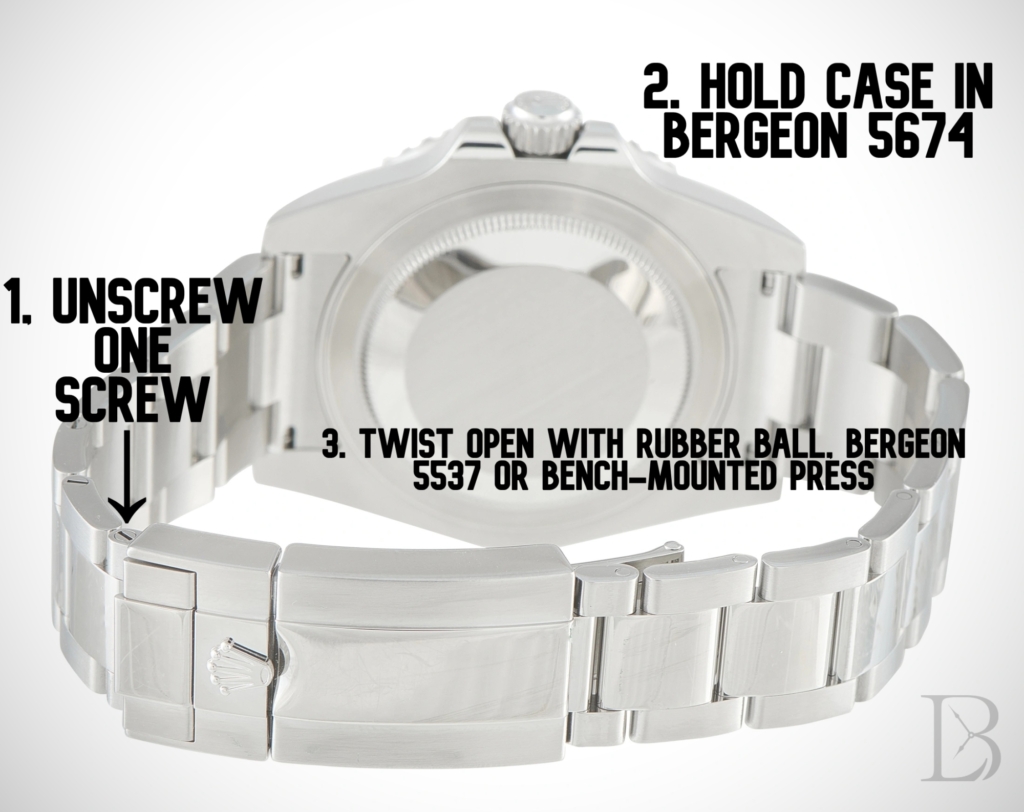
How to Open a Rolex Caseback Starts with the Bracelet
To get clear access to the caseback, we need to remove the bracelet. For men’s Rolex Oyster bracelets, you’ll need a 1.6mm flat screwdriver. For a Jubilee bracelet, use 1.4mm. And for ladies’ models you’ll want to go even smaller.
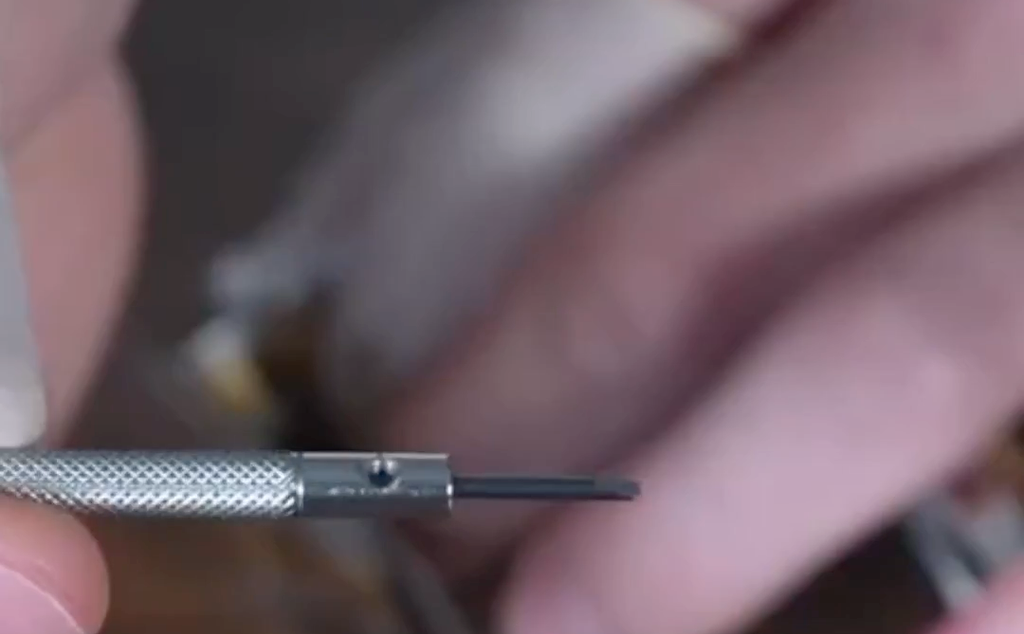
We only need to remove one screw:
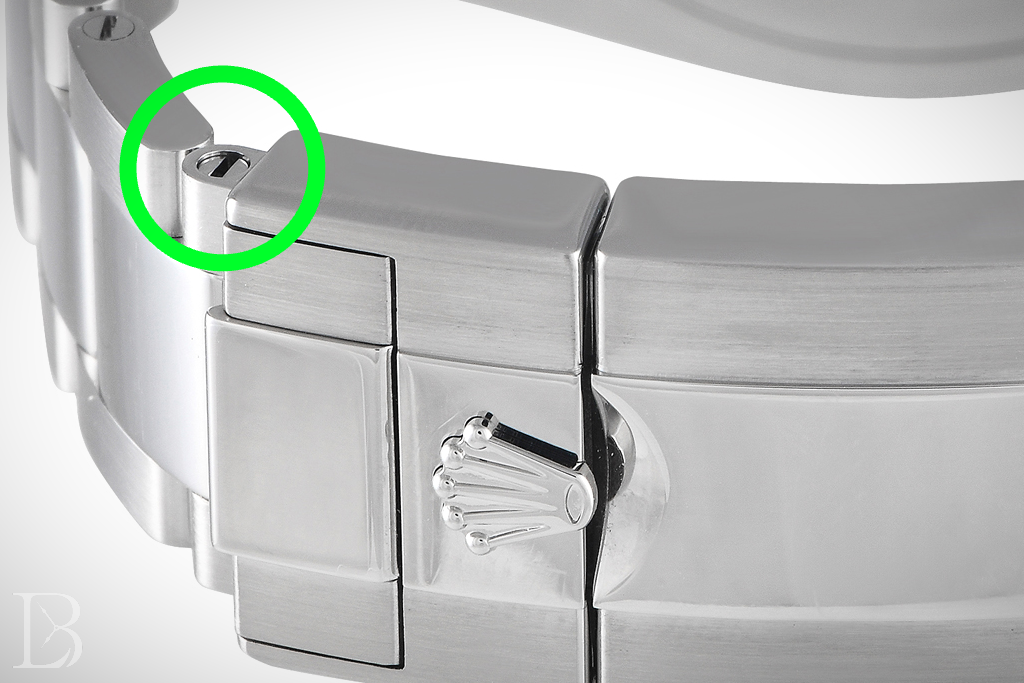
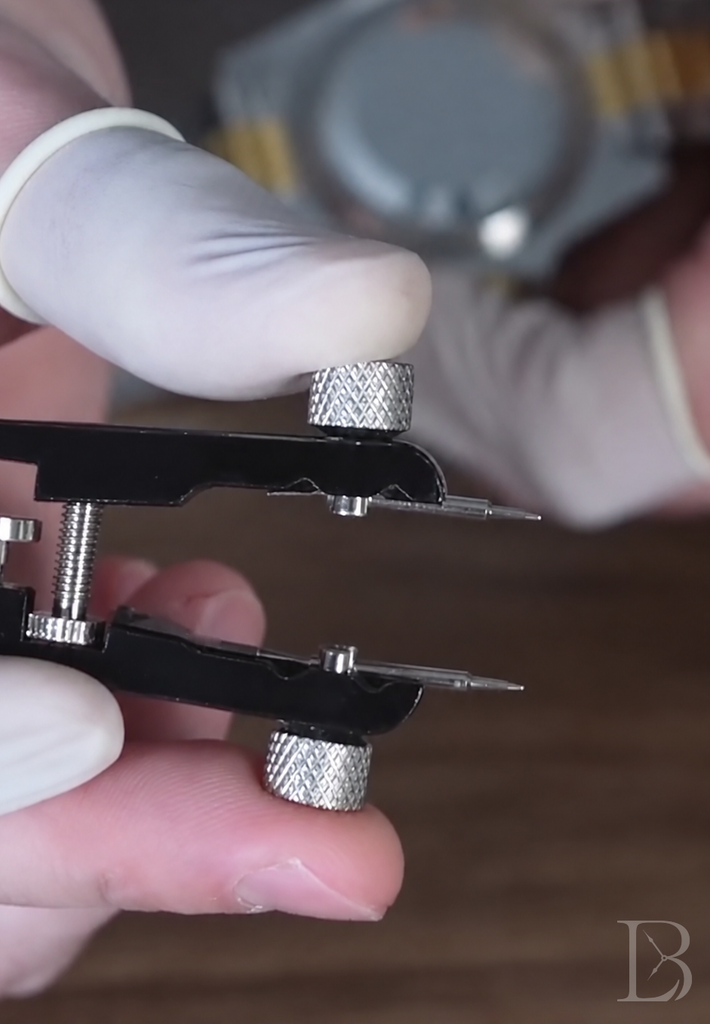
Once the bracelet has been split open, you can clearly access the springbar-holes on the underside of the endlinks and thus remove the bracelet with a springbar tool if you want. But you don’t have to remove the bracelet to open the caseback.
Secure the Case
It’s possible to open a Rolex without a case holder, but really you should be using a purpose-built vice (something like a Bergeon 5674) to hold the watch head while you open the caseback.
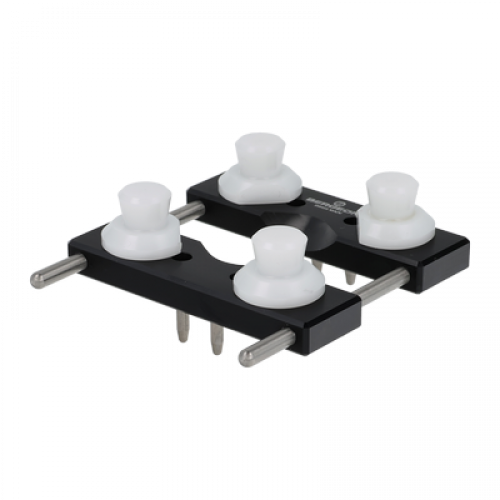
Carefully Twist it Open
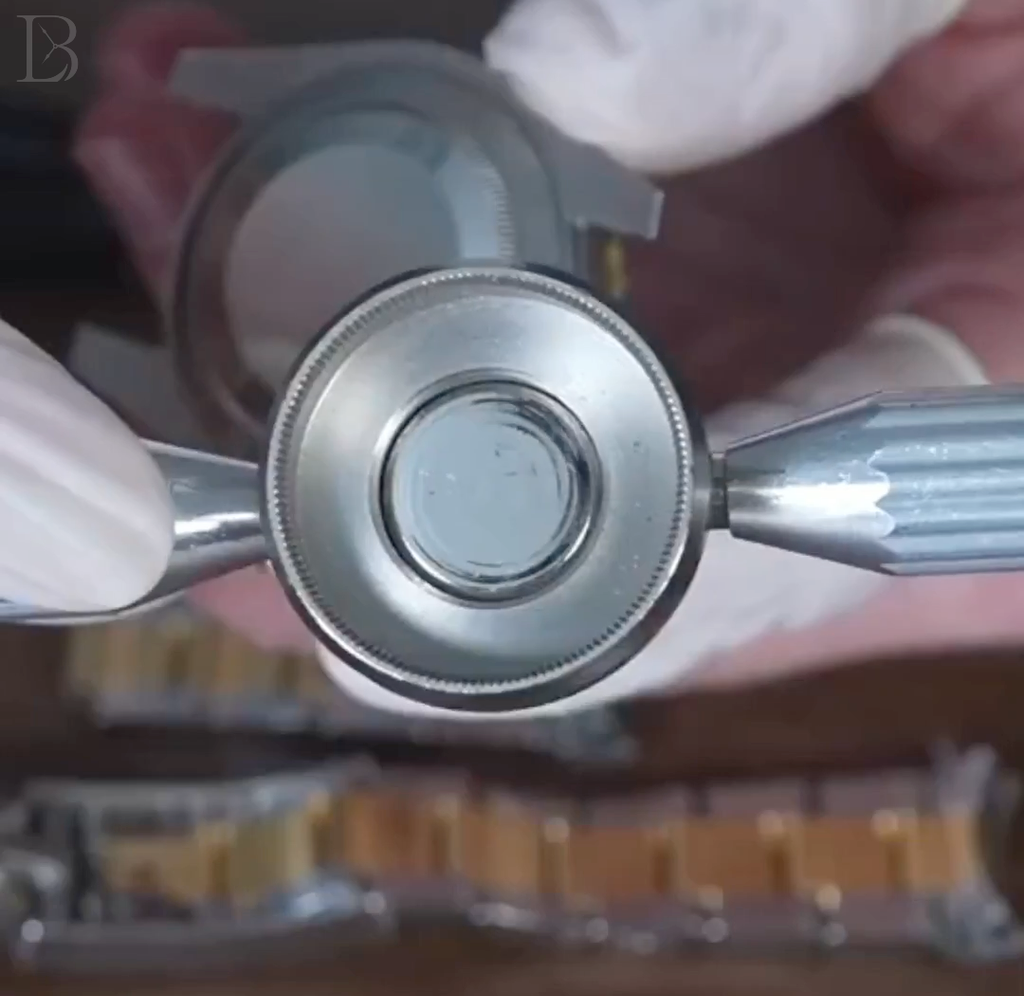
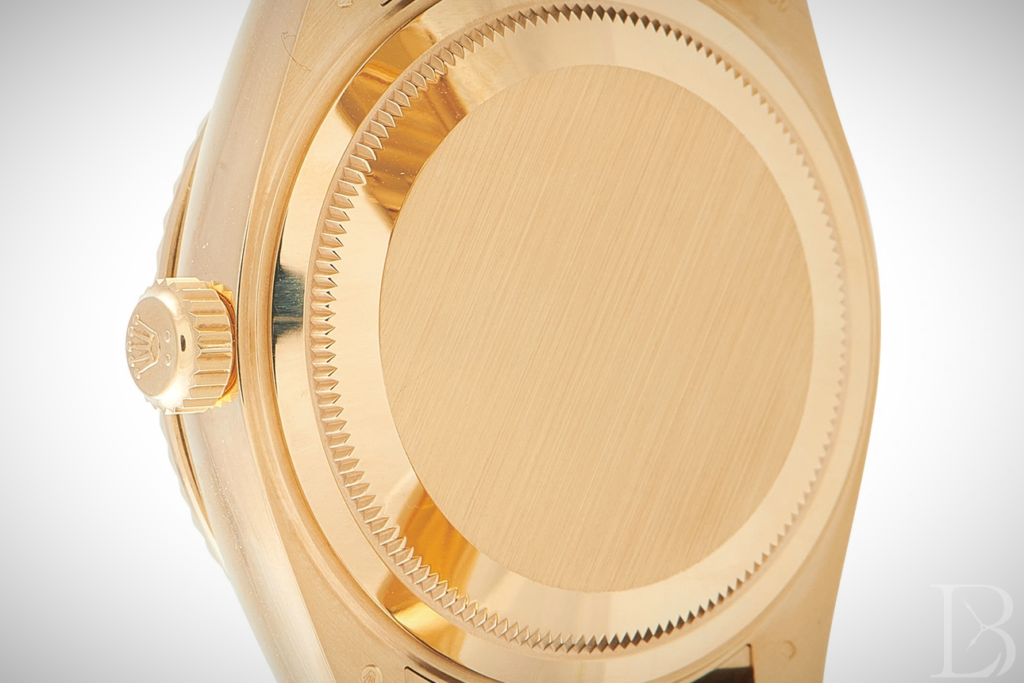
Rolex Oyster cases are a classic example of screwdown cases, so you open them by turning them counterclockwise. But you’ll need more than your fingers. There are basically three tools you can use to open a Rolex caseback, in order of least hardcore to most:
- Rubber ball – It’s true that screwdown casebacks can often be opened with a simple rubber ball, and there are now cheap ones readily available that are built for that exact purpose. But “a rubber ball will never get the same torque as the right tool,” notes Reddit user Joreck0815. “I only ever use it for convenience on steel casebacks that need to be tightened a bit more than hand-tight.”
- Handheld wrench with Rolex-pattern die – Tools like the Bergeon 5537 come with dies with inner teeth that match the fine grooves around a Rolex Oyster caseback’s perimeter. You have to use the correct size and be careful not to slip so as to avoid scratches.
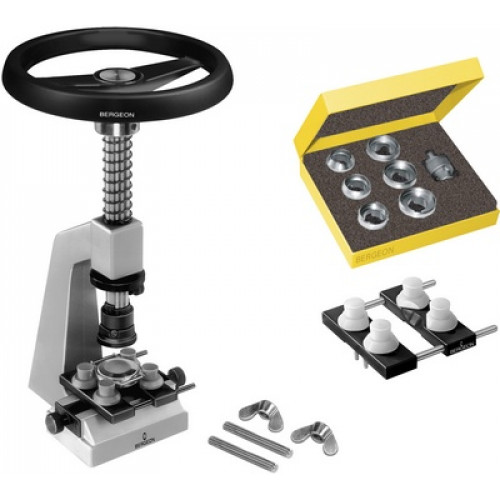
- Bench-mounted caseback opener – If you have room on your desk for a microscope-sized device, you can step up to a bench-mounted option. On tools like the Bergeon 5700, which can cost over $1,000, an adjustable case holder (like the 5674 we mentioned earlier) secures the watch on the bottom, and a spindle directly above it is fitted with the appropriate die. The large handwheel on top lets you easily and safely apply plenty of torque.
It’s like opening a jar lid; once the initial tightness has been released you can pretty much do the rest with your fingers.
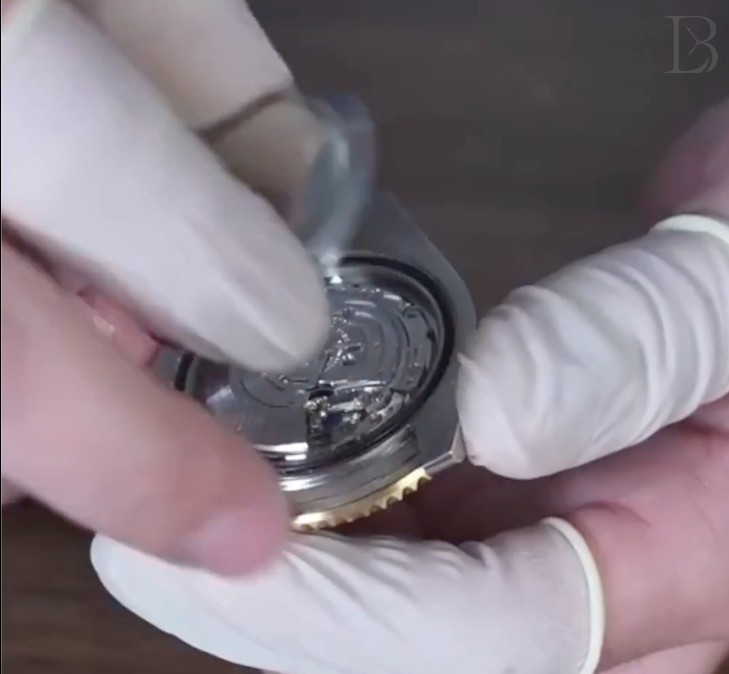
If you actually want to take the movement out, you’ll need to unscrew it and also remove the stem:
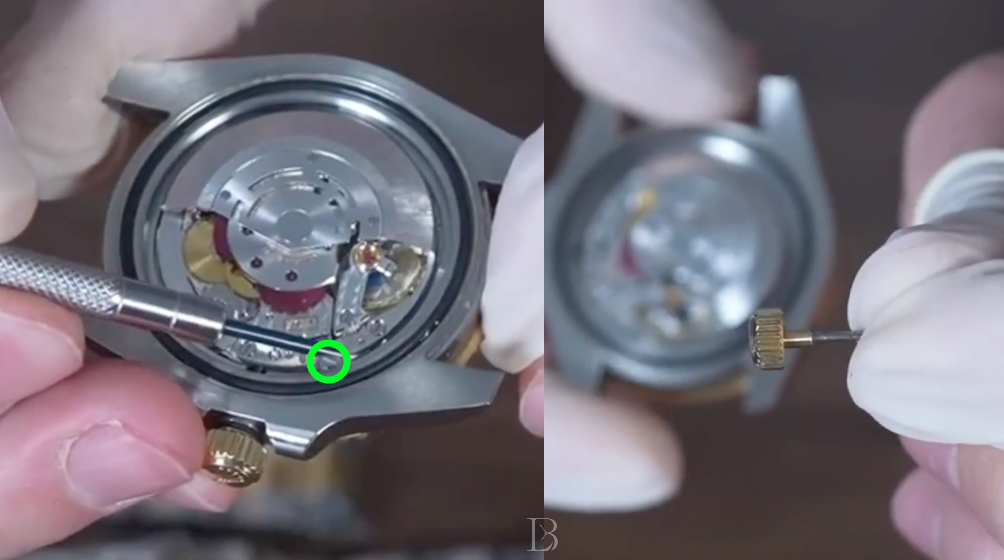
Then you can slide the movement a few degrees clockwise with a toothpick, carefully place it down and let gravity do the rest as you lift the case off.
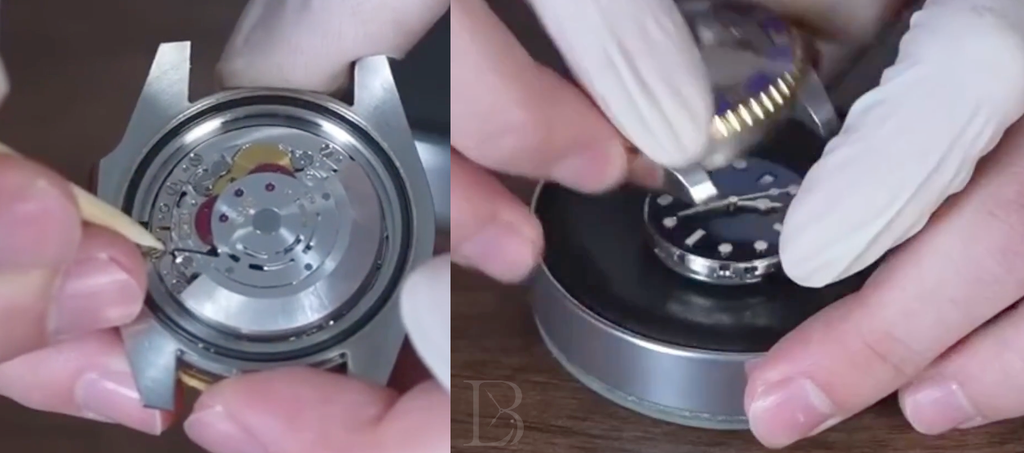
And if you want to know how to service a Rolex movement once it’s out of the case, well, people go to school for years for that. But that should just about cover how to open a Rolex caseback.
Does Opening a Rolex Caseback Void Warranty?
If Rolex can see evidence that a caseback was opened, any warranty will be void. But opening and closing a caseback properly shouldn’t leave any evidence (i.e. scratches), and watches over 5 years have no factory warranty anyway.
In general, when in doubt, I would recommend not opening your Rolex caseback at all. In most cases, it’s better left to professionals. But if you’re going to do it, do it carefully…and in a dust-free room.



Leave a Reply