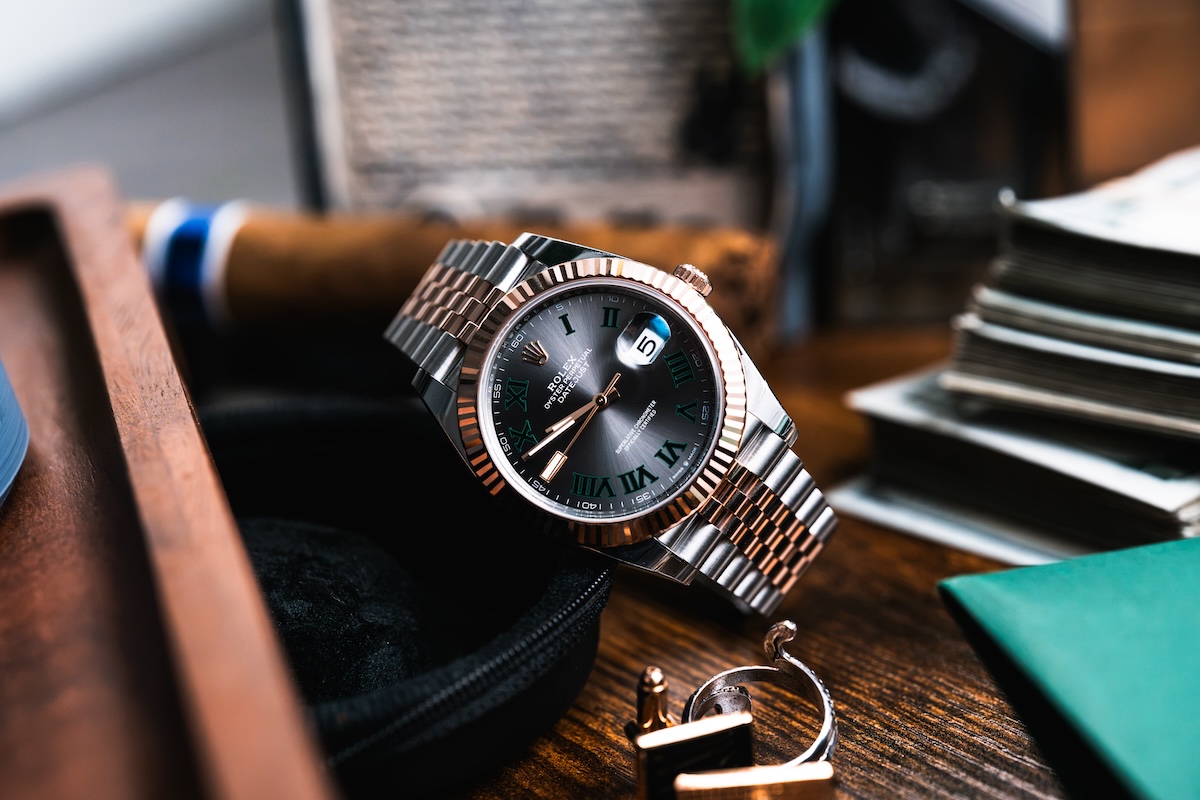
The Top 10 Luxury Watch Brands in 2026

With 2026 well underway, we’ve been treated to a stack of reports on the state of the watch industry in 2025. While things haven’t been going as well as they were during peak watch frenzy just a few years ago, there are still some brands that are doing fine — even great in some instances. Looking at the latest numbers reveals a clear hierarchy among the top luxury watch brands, and we’ll show you the top 10 luxury watch brands today based on all the best available sales data.
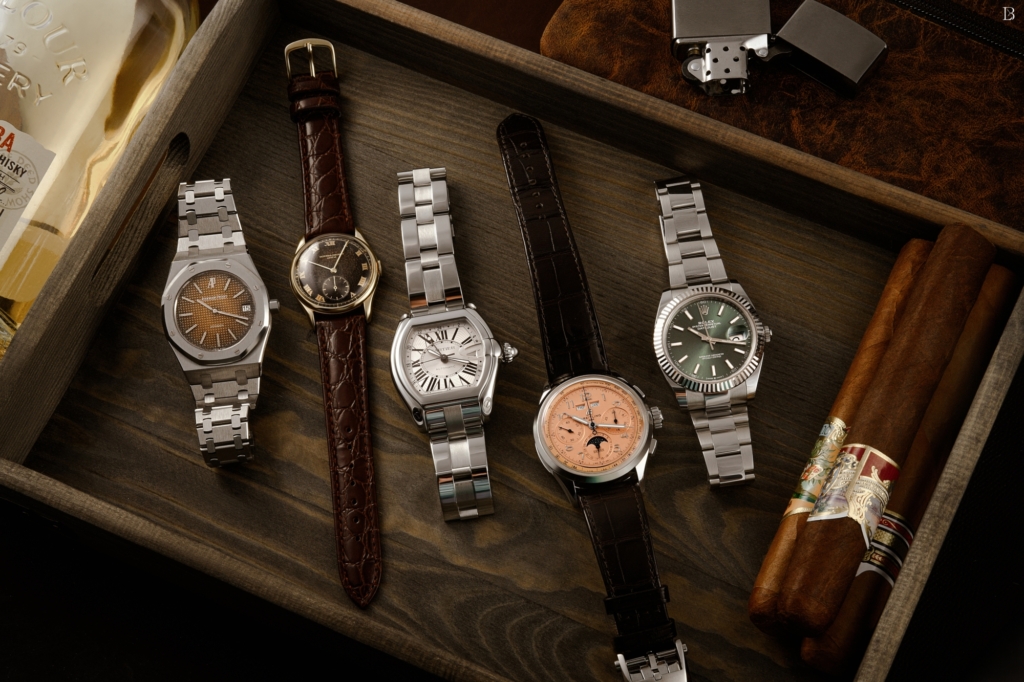
Overview of the Swiss Watch Industry
According to the Federation of the Swiss Watch Industry (FH), Switzerland exported 14.6 million watches in 2025, generating a total export value of CHF 25.55 billion. While that figure represents a slight decline from the record CHF 26.75 billion reached in 2023, it remains historically strong at about 24% higher than the industry’s pre-pandemic average. In other words, Switzerland may be exporting fewer watches than it once did, but the watches leaving the country today are worth far more on average.
This tiny nation, as reported by the news outlet SWI swissinfo, commands more than a 50% share of the global watch industry in value terms. The top 15 luxury watch brands in the world (at least) are all Swiss. And according to the Vontobel Luxury Goods Sector Report, watches priced above CHF 3,000 (about $3,860) account for roughly 80% of the total value of Swiss watch exports, highlighting how concentrated the industry has become at the high end.
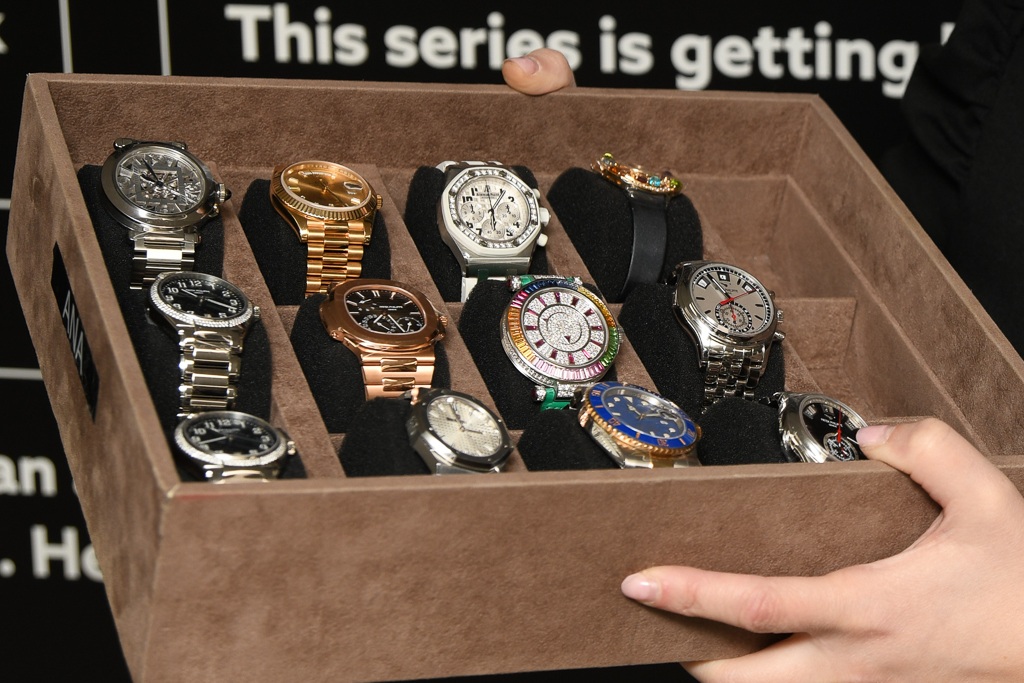
Translation: Switzerland dominates when it comes to the luxury segment of the watch market. Watch enthusiasts recognize the cachet of the Swiss-made label, and the country reigns supreme when it comes to fine timepieces.
So, if Switzerland dominates the luxury watch segment, which luxury watch brands dominate within that prestigious circle? Read on to discover the top 10 luxury watch brands, as told by the numbers.
What Are The Top 10 Luxury Watch Brands – The Numbers in Brief
To pinpoint the top 10 luxury watch brands, we didn’t want to simply rattle off the names of popular high-end watchmakers or choose our personal favorites of what we think are the best luxury watch brands. Instead, we looked at the data. Here’s a table of the top 10 luxury watch brands in the world, based on the latest 2025 industry estimates.
| Brand | Vontobel Revenue Estimate | Morgan Stanley / LuxeConsult Revenue Estimate | Morgan Stanley / LuxeConsult Estimated Units Sold | Implied Retail Market Share | Implied Average Price |
|---|---|---|---|---|---|
| Rolex | CHF 10.47B ($12.67B) | CHF 11.00B ($13.31B) | 1,150,000 | 33% | CHF 13,968 ($16,901) |
| Cartier | CHF 3.35B ($4.05B) | CHF 3.49B ($4.22B) | 695,000 | 9% | CHF 6,103 ($7,385) |
| Audemars Piguet | CHF 2.44B ($2.95B) | CHF 2.60B ($3.15B) | 53,000 | 6% | CHF 51,166 ($61,912) |
| Patek Philippe | CHF 2.35B ($2.84B) | CHF 2.50B ($3.03B) | 72,000 | 7% | CHF 47,413 ($57,370) |
| Omega | CHF 1.68B ($2.03B) | CHF 2.21B ($2.67B) | 460,000 | 6% | CHF 6,822 ($8,255) |
| Richard Mille | CHF 1.52B ($1.84B) | CHF 1.75B ($2.12B) | 5,950 | 4% | CHF 294,118 ($355,883) |
| Longines | CHF 1.07B ($1.29B) | CHF 920M ($1.11B) | 780,000 | 3% | CHF 1,923 ($2,327) |
| Vacheron Constantin | CHF 922M ($1.12B) | CHF 914M ($1.11B) | 30,000 | 3% | CHF 38,997 ($47,186) |
| Breitling | CHF 751M ($909M) | CHF 820M ($992M) | 155,000 | 2% | CHF 7,142 ($8,642) |
| TAG Heuer | — | CHF 720M ($871M) | 380,000 | 2% | CHF 2,491 ($3,014) |
The ranking draws on a combination of industry reports and market statistics, including the 2026 Morgan Stanley and LuxeConsult report on the Swiss watch industry, the Vontobel Luxury Goods Sector Report, and export figures published monthly by the Federation of the Swiss Watch Industry (FH). The most recent full-year data available at the time of writing reflects 2025 industry performance, which forms the basis for the analysis in this article.
It’s also important to note that many major watchmakers are privately owned companies that do not publicly disclose their financials. As a result, some of the figures used to compile this list are industry estimates based on analyst research and available market data rather than officially reported revenue numbers.
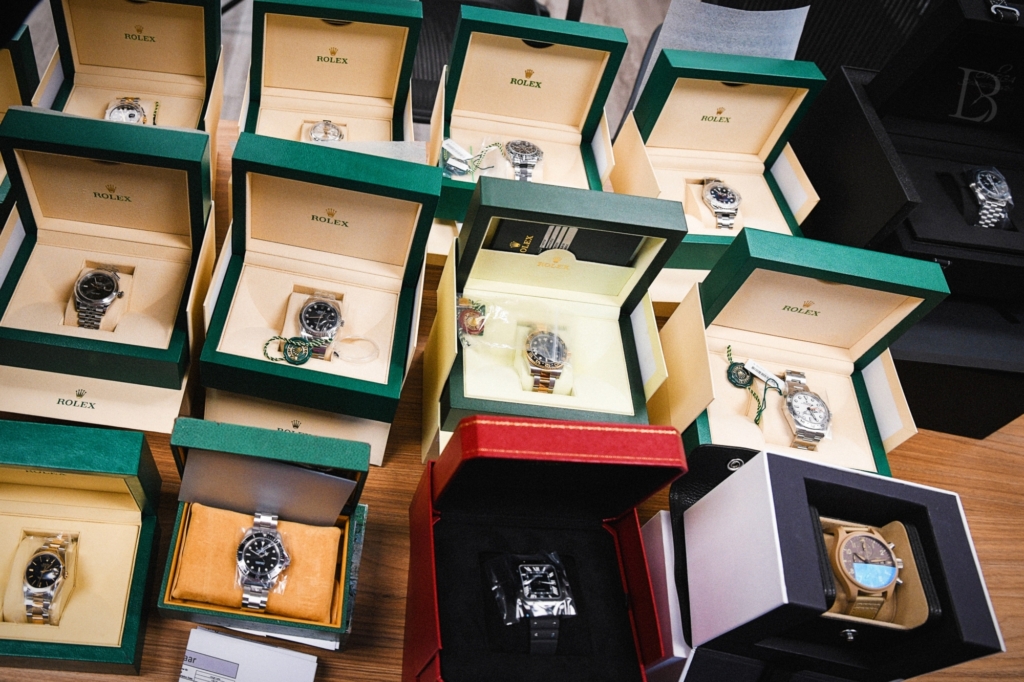
It’s also worth noting that most of these brands belong to the “billion-dollar club.” In fact, only two have yet to cross the billion-franc revenue mark. The numbers also reveal how concentrated the Swiss watch industry has become. According to Morgan Stanley and LuxeConsult estimates, the top five watch brands — Rolex, Cartier, Patek Philippe, Omega, and Audemars Piguet — account for roughly 60% of the global Swiss watch market by value, with Rolex alone responsible for about one-third.
Now that we’ve covered the numbers, let’s dig into the top ten luxury watch brands.
Rolex: The Top Luxury Watch Brand
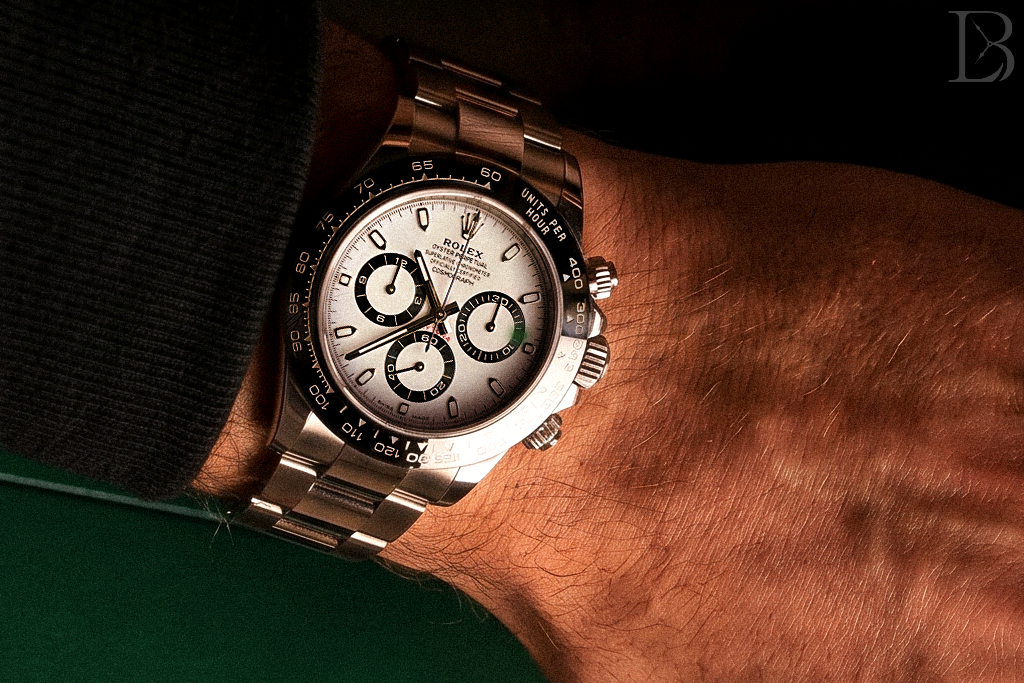
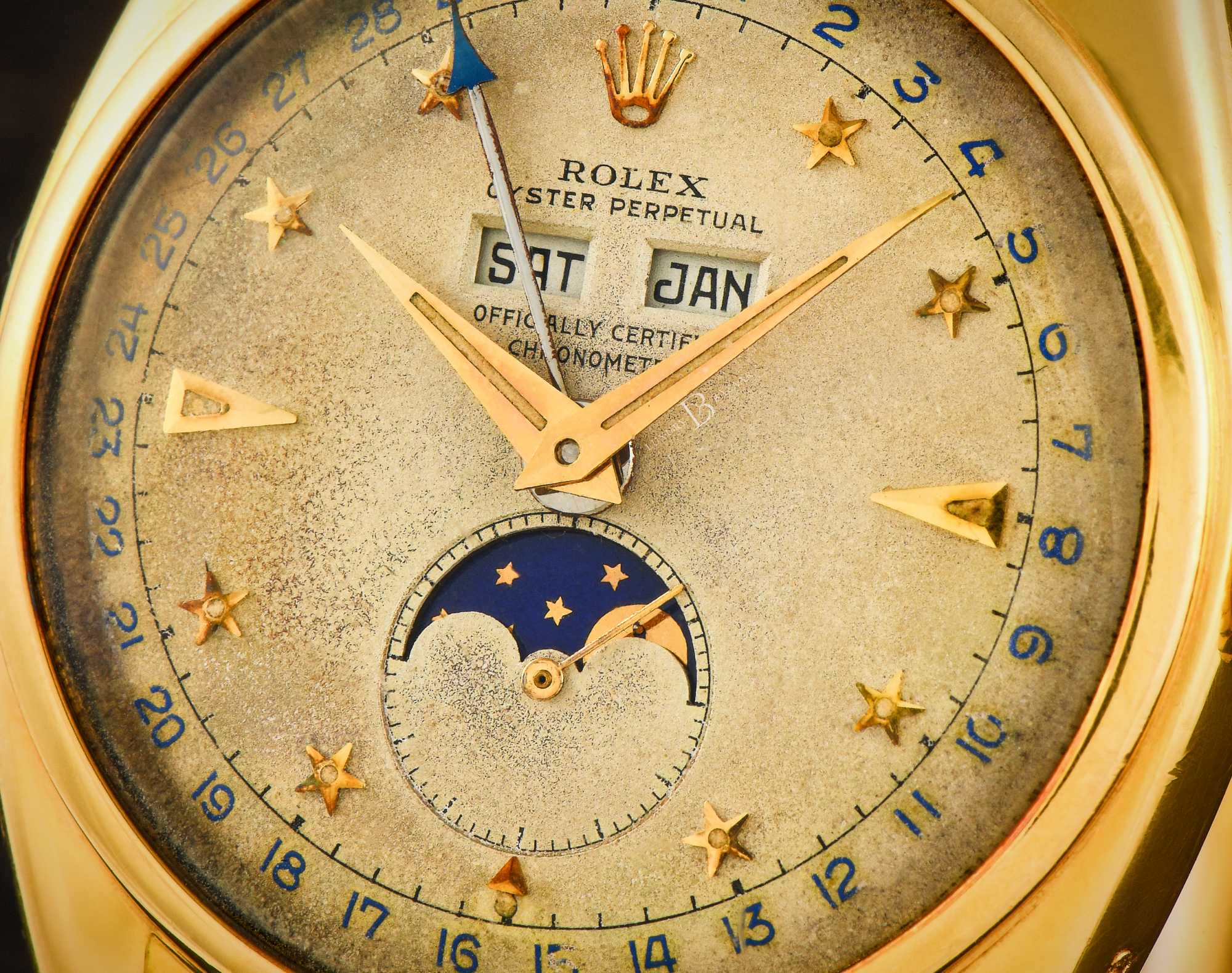
No surprises here, but the top luxury watch brand in the world — the king of kings — is Rolex, by far. In fact, Rolex alone generates more revenue than many of its closest competitors combined.
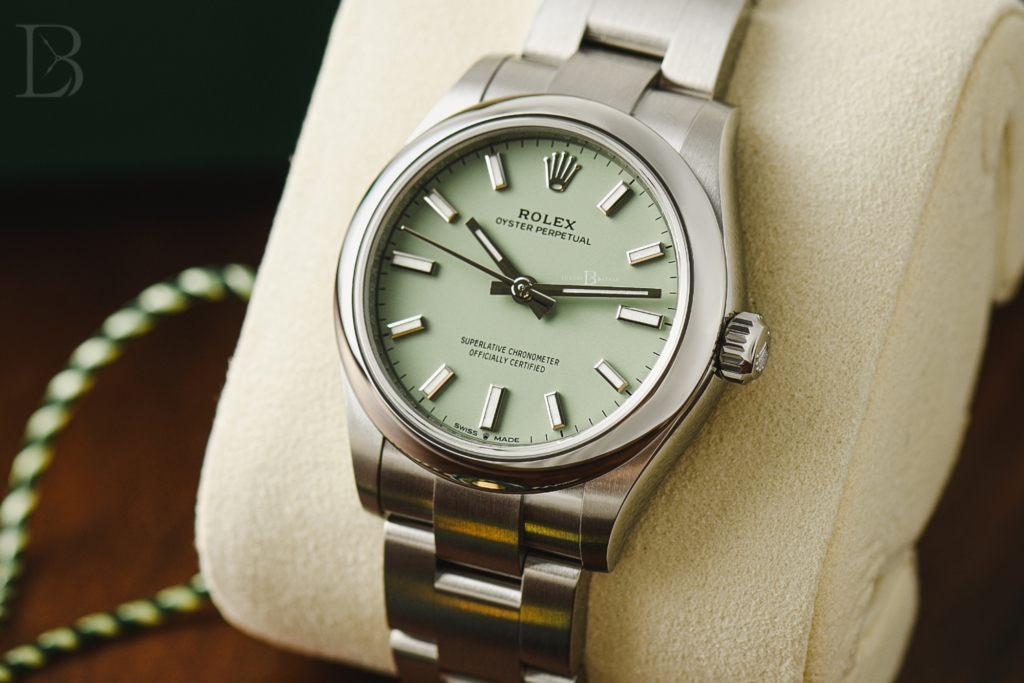
This Swiss watchmaking giant accounts for roughly 33% of the entire Swiss watch market (there are around 300 Swiss watch brands in existence) with an estimated 1.15 million watches sold in 2025 for total sales of approximately CHF 11 billion (about $13.3 billion).
The average retail price for a Rolex watch was calculated at around CHF 13,968 (about $16,900). (But let’s not forget, some of the most expensive Rolex watches are off-catalog Daytonas that retail for over $400,000.)
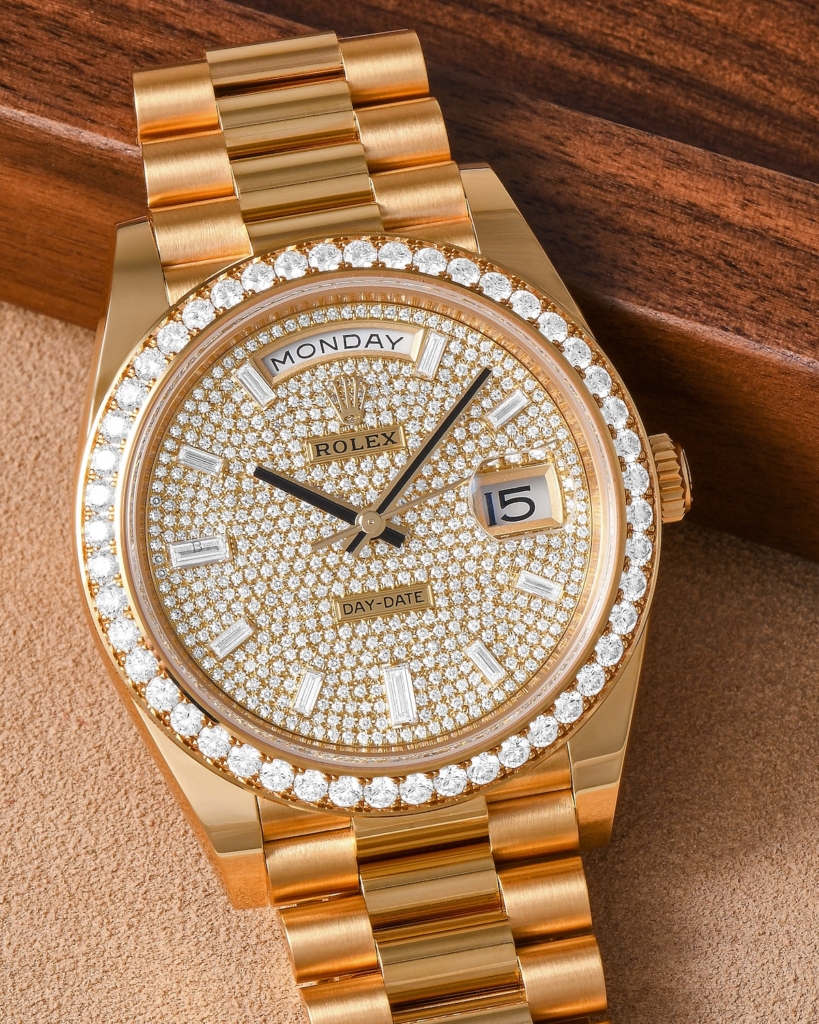
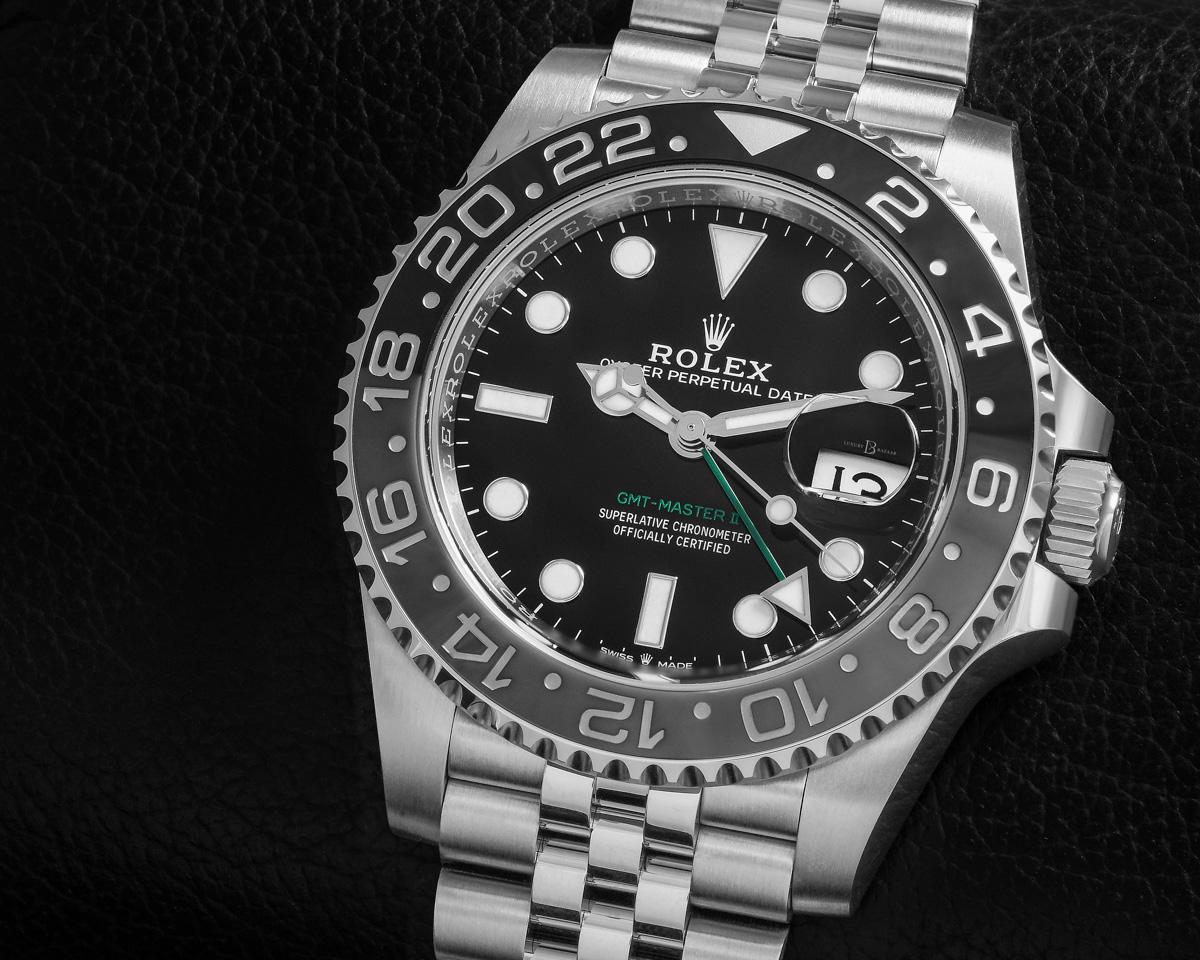
Those are some impressive numbers in the retail space, and this doesn’t even account for Rolex’s dominance in the secondary market. The brand is known for smash-hit watches such as the Day-Date, Datejust, Submariner, Daytona, GMT-Master II, and many others.
More on Rolex:

Cartier
In second place is Cartier, with roughly 9% of the Swiss watch market, with sales estimated at about CHF 3.49 billion (around $4.2 billion) in 2025. It’s estimated that Cartier sold approximately 695,000 watches in 2025, with an average retail price of around CHF 6,103 (about $7,400).
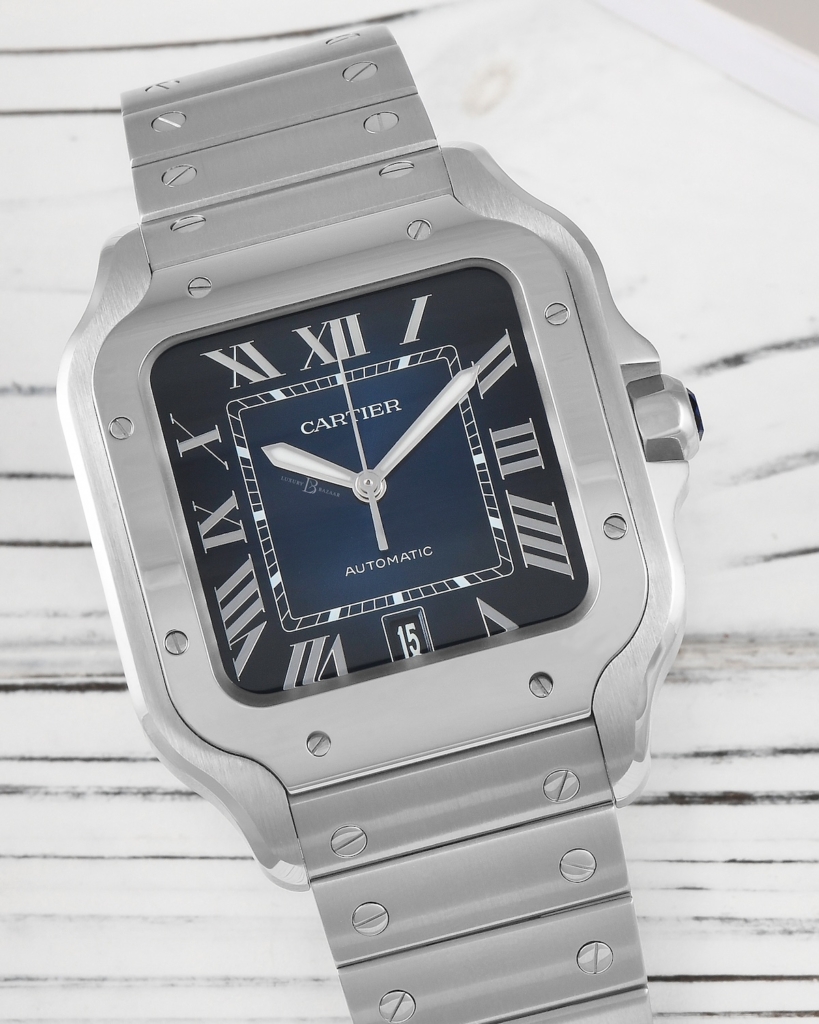
Part of Cartier’s strength in watchmaking comes from the power of its broader luxury empire. The Parisian maison is also widely regarded as one of the top jewelry brands in the world, and that global recognition helps drive demand for its timepieces as well.
While Cartier experimented with its watch offering in the mid-2000s with ultra-creative designs and highly complicated timepieces, the brand has returned to its roots in recent years by offering refreshed versions of its already iconic watches. These include the Tank, Santos, Panthère, Pasha, Ballon Bleu, and others.
Audemars Piguet
Audemars Piguet has been on an absolute tear over the last decade, climbing the charts of the luxury watch world. The brand now sits firmly in the top three luxury watch brands, overtaking Omega in the latest rankings.
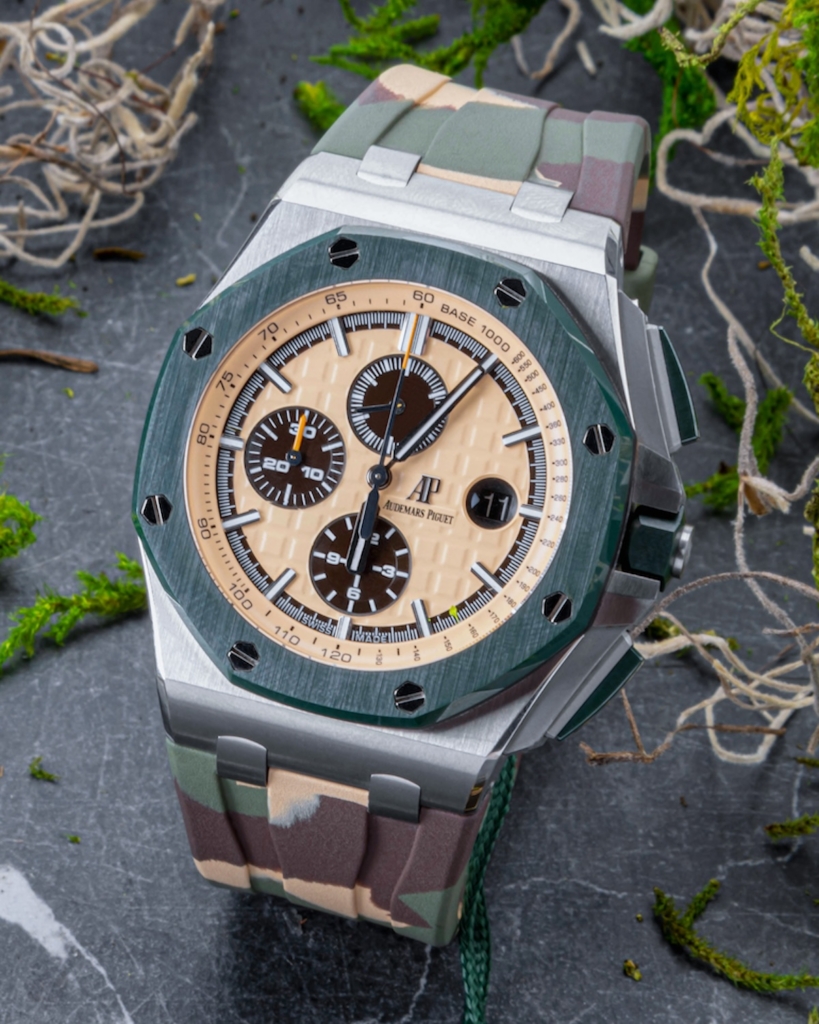
Although it’s estimated that Audemars Piguet sold only about 53,000 watches in 2025 — reflecting the brand’s strategy of producing fewer watches at significantly higher prices — the watchmaker still generated roughly CHF 2.6 billion in sales (around $3.15 billion) and captured about 6% of the Swiss watch market.
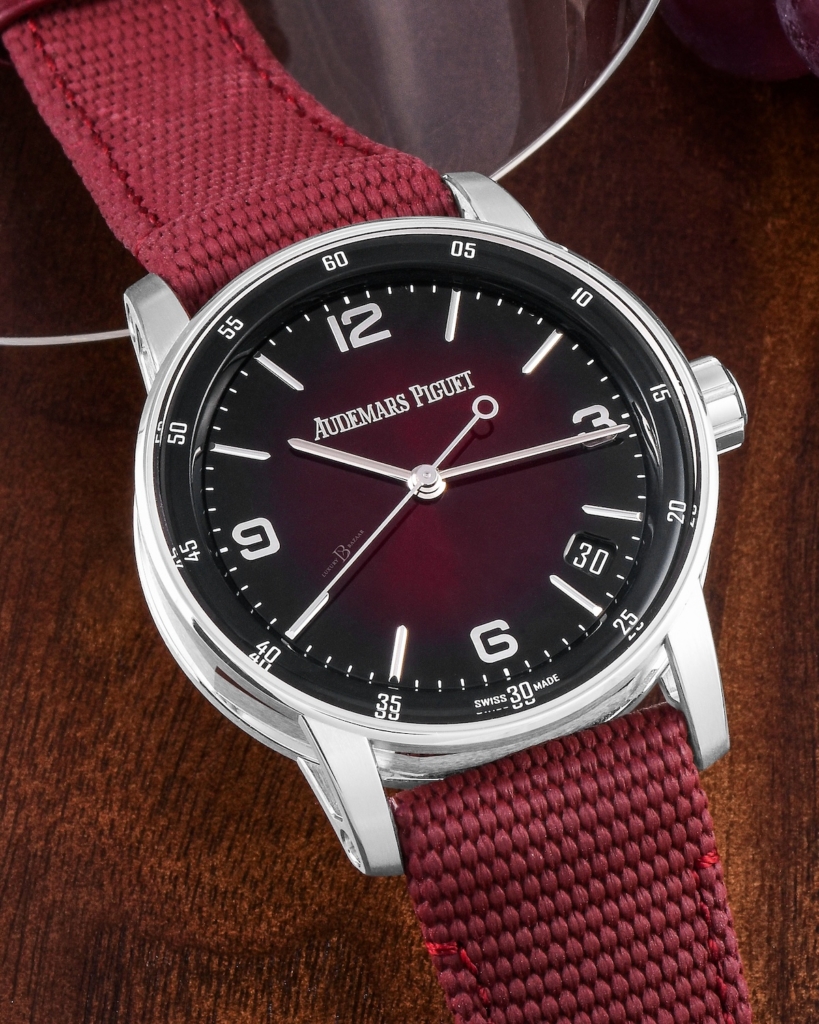
The Royal Oak remains the flagship watch collection of Audemars Piguet; there’s also the sportier Royal Oak Offshore and the relatively new Code 11.59, which, after a rocky start, is gradually finding its footing in AP’s catalog.
Patek Philippe
Numbers aside for a moment, for many watch enthusiasts, Patek Philippe would be their pick for the top luxury watch brand in the world. However, since we’re guided by numbers here, let’s break down Patek’s. In 2025, Patek Philippe, which ranked as the fourth top luxury watch brand, sold an estimated 72,000 watches, generated roughly CHF 2.5 billion in sales (about $3.0 billion), and maintained about 7% of the Swiss watch market.
The average retail price of a Patek Philippe watch was calculated at approximately CHF 47,413 (about $57,400), which is slightly lower than Audemars Piguet’s average price despite the two brands generating very similar revenues.
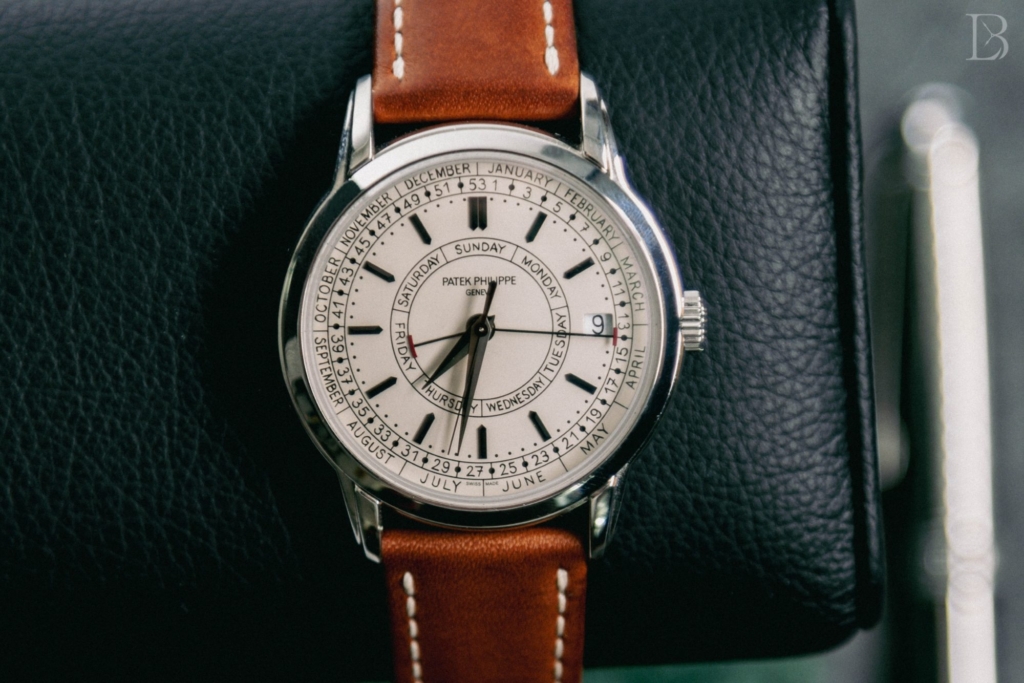
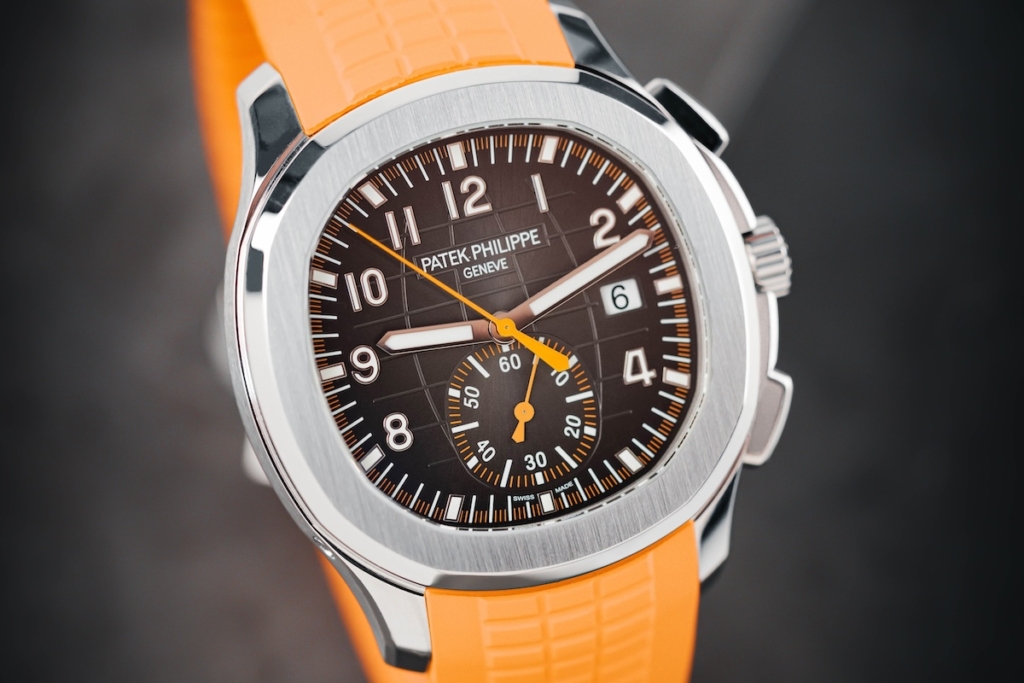
The Nautilus and Aquanaut sports watches continue to be Patek Philippe’s most hyped-up models. Yet for serious connoisseurs and collectors, it’s the brand’s grand complications that remain the most sought-after. Vintage and vintage-inspired pieces with distinctive bracelets, such as the Golden Ellipse, are also picking up steam, while the classic Calatrava always has its loyal fans. It remains to be seen whether Patek’s newest (and most divisive) collection, the Cubitus, will eventually earn more love among watch-collecting circles.
More on Patek Philippe:
Omega: Continues Its Fall
For many years, Omega occupied the second spot among the world’s top luxury watch brands. In recent years, however, the brand has gradually slipped down the rankings, first to third place behind Cartier and now to fifth place overall as Audemars Piguet and Patek Philippe have surged ahead.
The Morgan Stanley/LuxeConsult data shows Omega sold about 45,000 fewer watches year over year, helping explain the drop in the rankings. According to Vontobel, part of Omega’s slip stems from weaker demand in China, one of the brand’s key markets, which analysts say has reduced sales volumes in recent years.
Omega is estimated to have generated roughly CHF 2.21 billion in sales (about $2.67 billion) in 2025, with approximately 460,000 watches sold, accounting for around 6% of the Swiss watch market. The average Omega watch retailed for about CHF 6,822 (roughly $8,250).
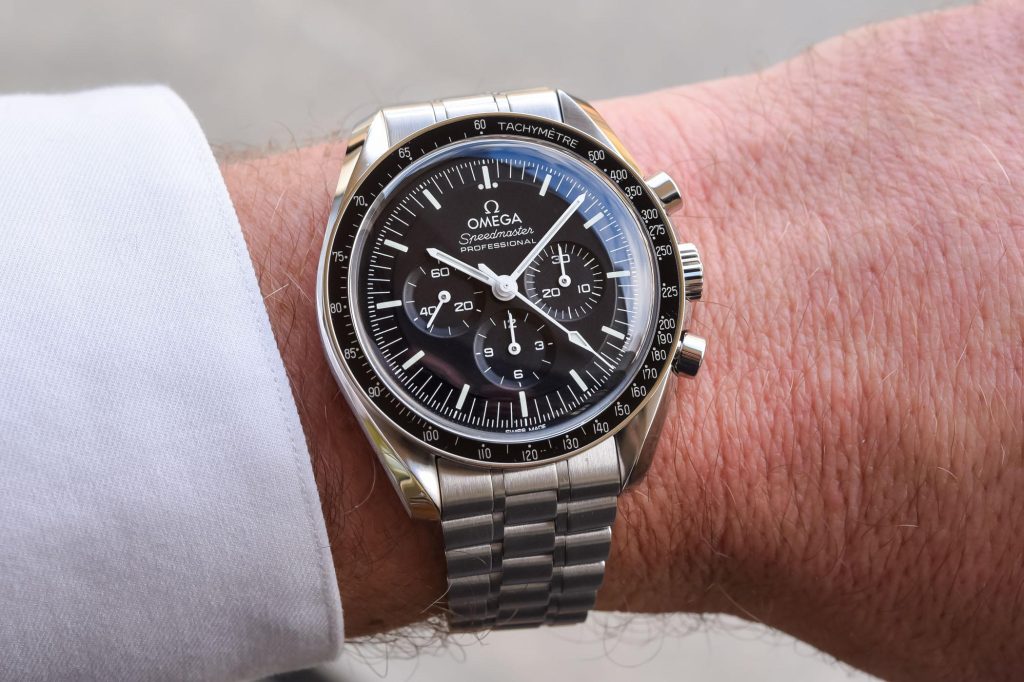
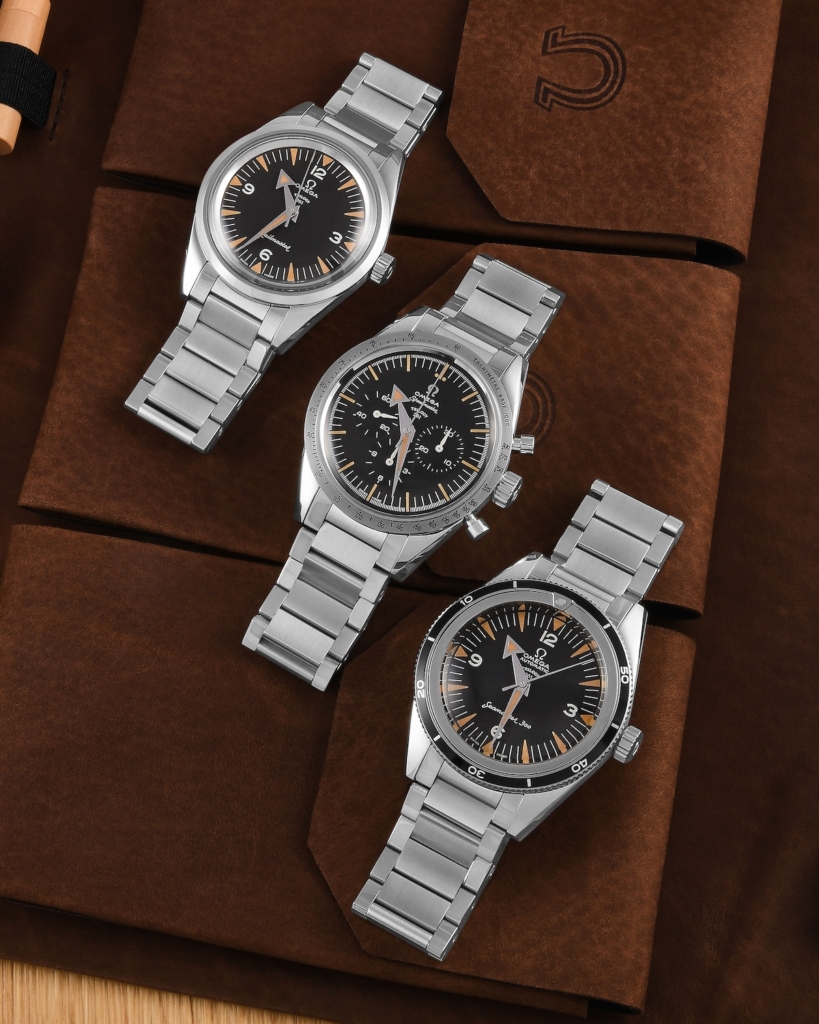
Omega’s most famous watches remain the Speedmaster and Seamaster in the American market, while the Constellation continues to be an important pillar of the brand’s lineup in other regions.
Richard Mille: The Most Expensive of the Top 10 Luxury Watch Brands
Richard Mille’s numbers are arguably the most fascinating among the top ten luxury watch brands. The brand sold the fewest watches in 2025, with only about 5,950 pieces delivered, yet Richard Mille still generated roughly CHF 1.75 billion in sales (around $2.12 billion) and captured about 4% of the Swiss watch market.
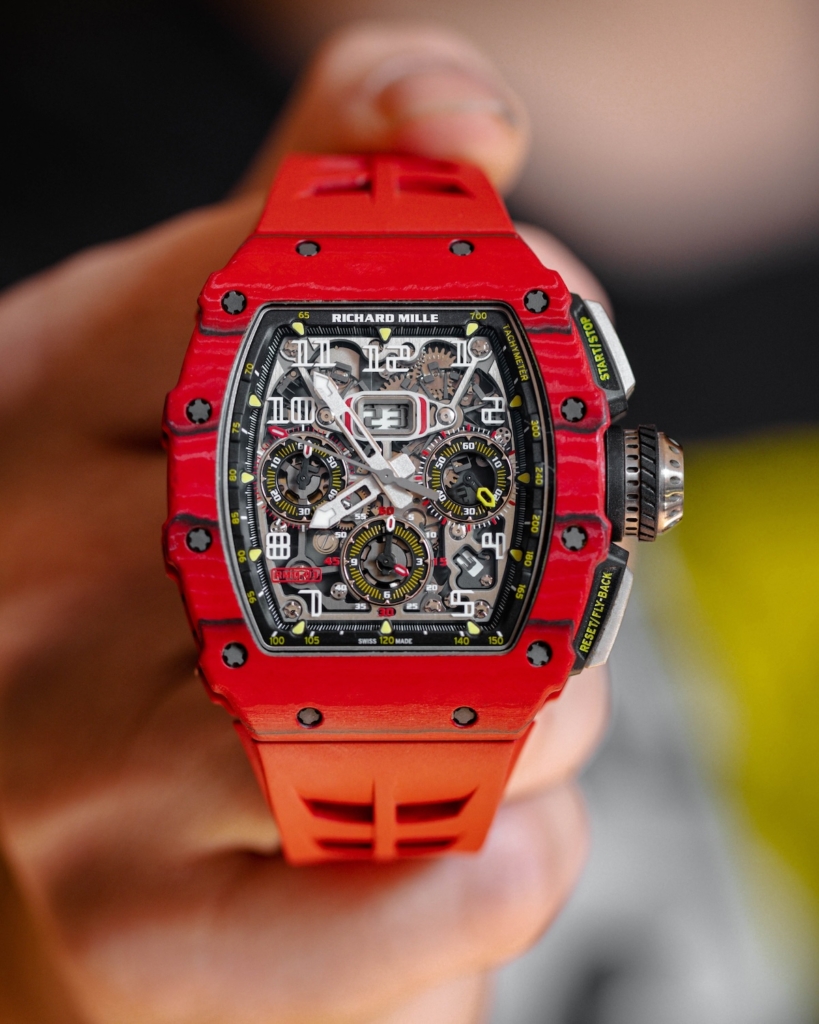
This is thanks to Richard Mille’s staggeringly high average retail price, which was calculated at approximately CHF 294,118 (about $356,000) per watch. Due to demand, gray market prices are often even higher.
Not only is Richard Mille one of the world’s top luxury watch brands in terms of sales, but RM watches are also among the most expensive timepieces on the market. While most Richard Mille models are in demand, some notable fan favorites include the RM 11, RM 67, RM 55, RM 72, and others.
Longines: The Most Affordable of the Top 10 Luxury Watch Brands
Yes, before you ask, Longines is a luxury watch brand — an entry-level luxury watch brand. For many buyers, a Longines is their first “nice Swiss watch,” often serving as a gateway to exploring more expensive timepieces. In contrast to some of the other brands that focus on ultra-low production and extremely high prices, Longines operates a high-volume luxury model, producing large numbers of relatively accessible Swiss watches.
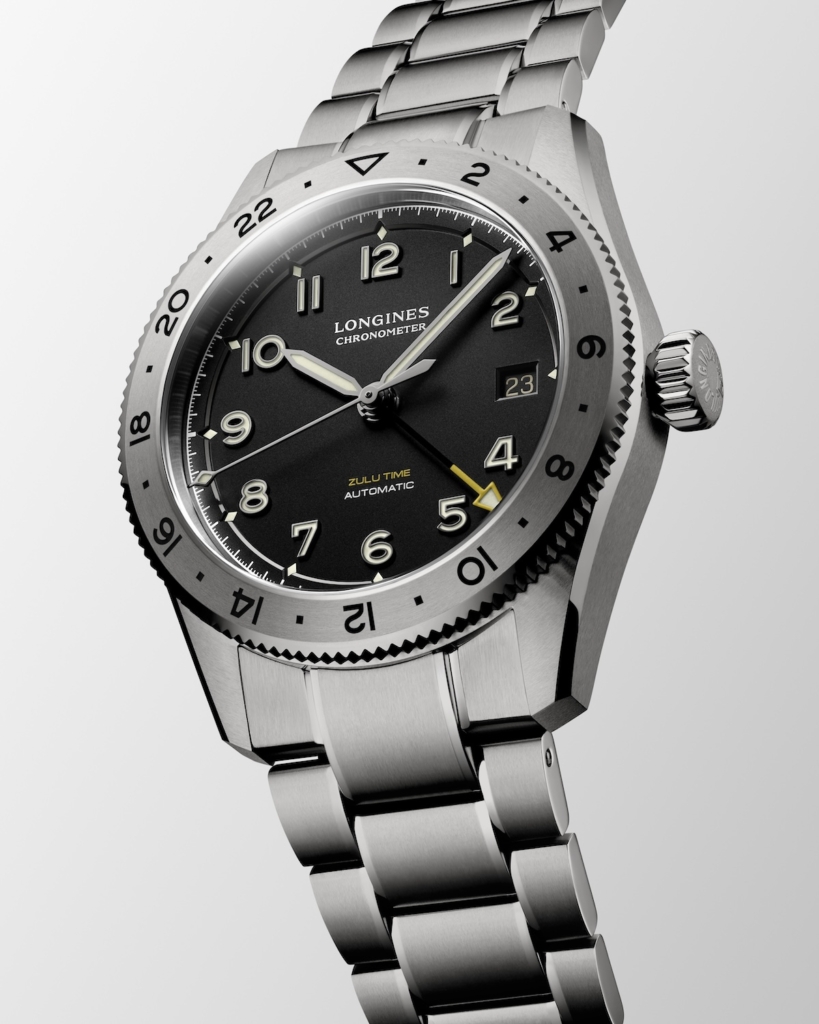
Longines’ numbers are impressive as well. In 2025, the company sold an estimated 780,000 watches, generating roughly CHF 1.07 billion in sales (about $1.29 billion) and accounting for around 3% of the Swiss watch market. The average retail price of a Longines watch was calculated at approximately CHF 1,923 (about $2,327), making it the most affordable brand among the top 10 luxury watch brands.
Interest in Longines watches has grown in the U.S. market over the last few years thanks to the popularity of models such as the HydroConquest, DolceVita, Legend Diver, Master Collection, and the brand’s expanding lineup of vintage-inspired military and aviation watches.
Vacheron Constantin
Next to its fellow Holy Trinity members, Patek Philippe and Audemars Piguet, Vacheron Constantin has always been the most low-profile. Yet the oldest continuously operating watchmaker in existence is absolutely one of the world’s top ten luxury watch brands.
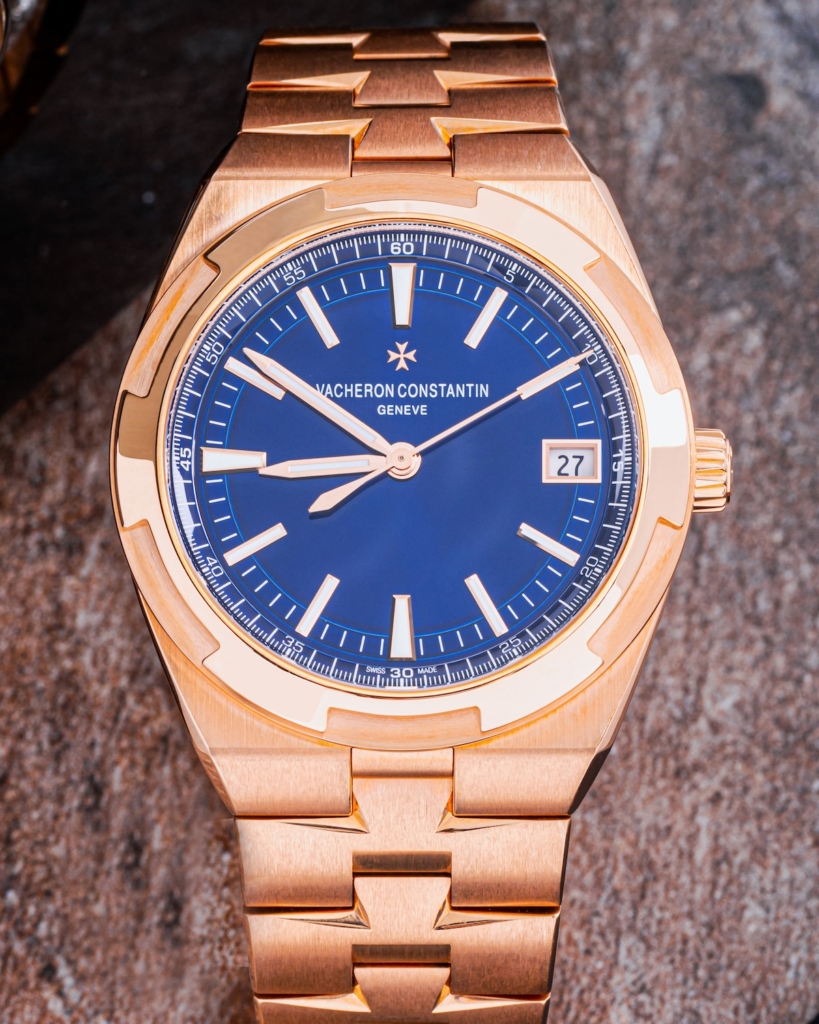
In 2025, the watchmaker sold an estimated 30,000 watches and generated roughly CHF 922 million in sales (about $1.12 billion). Its market share was around 3%, and the average retail price of a Vacheron Constantin watch was calculated at approximately CHF 38,997 (about $47,200).
The sporty Overseas is no doubt Vacheron Constantin’s hero watch collection these days, and the revival of the model that inspired it — the 222 — has proven to be a fan favorite. However, the brand also produces some of the most impressive high-complication watches and refined dress watches on the market.
More on Vacheron Constantin:
Breitling
It’s no secret that Breitling lost its way a little in the early 2000s, but ever since Georges Kern took over leadership of the company in 2017, the watch brand has been back on the right path with an assortment of enduring favorites, revamped classics, and brand-new designs.
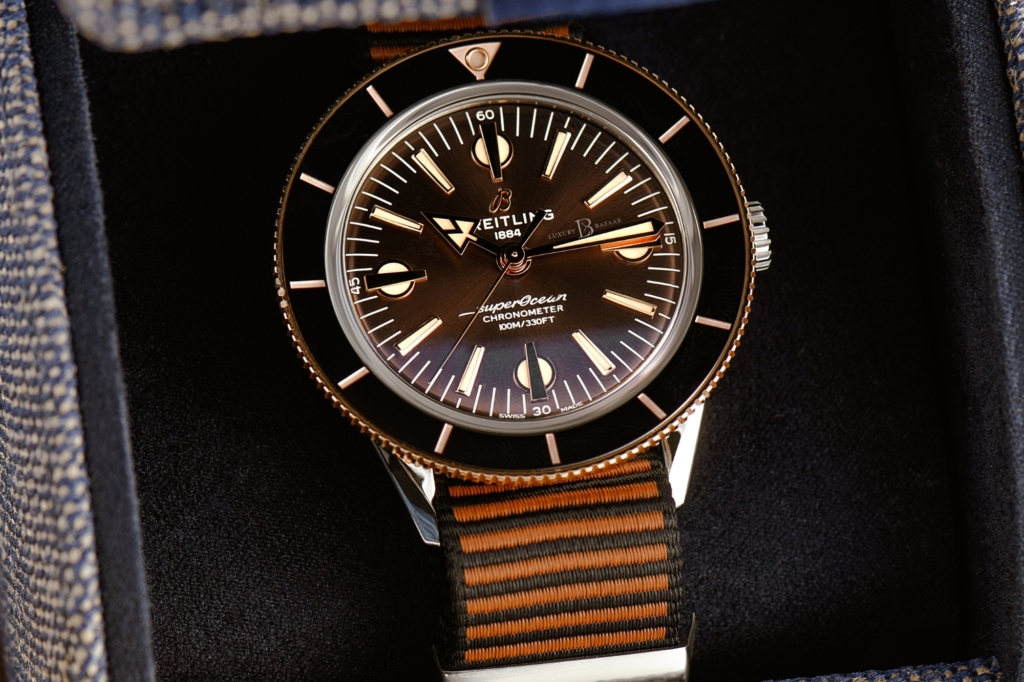
Securing its spot as one of the top 10 luxury watch brands, Breitling generated an estimated CHF 820 million in sales (about $992 million) in 2025 across roughly 155,000 watches sold, putting the brand within striking distance of the billion-dollar club.
Some of Breitling’s most notable collections include the Navitimer, Chronomat, Avenger, SuperOcean, Top Time, and Premier.
TAG Heuer
Rounding out the list of the top 10 luxury watch brands is TAG Heuer, which continues to hold the final spot in the top ten watch brands rankings.
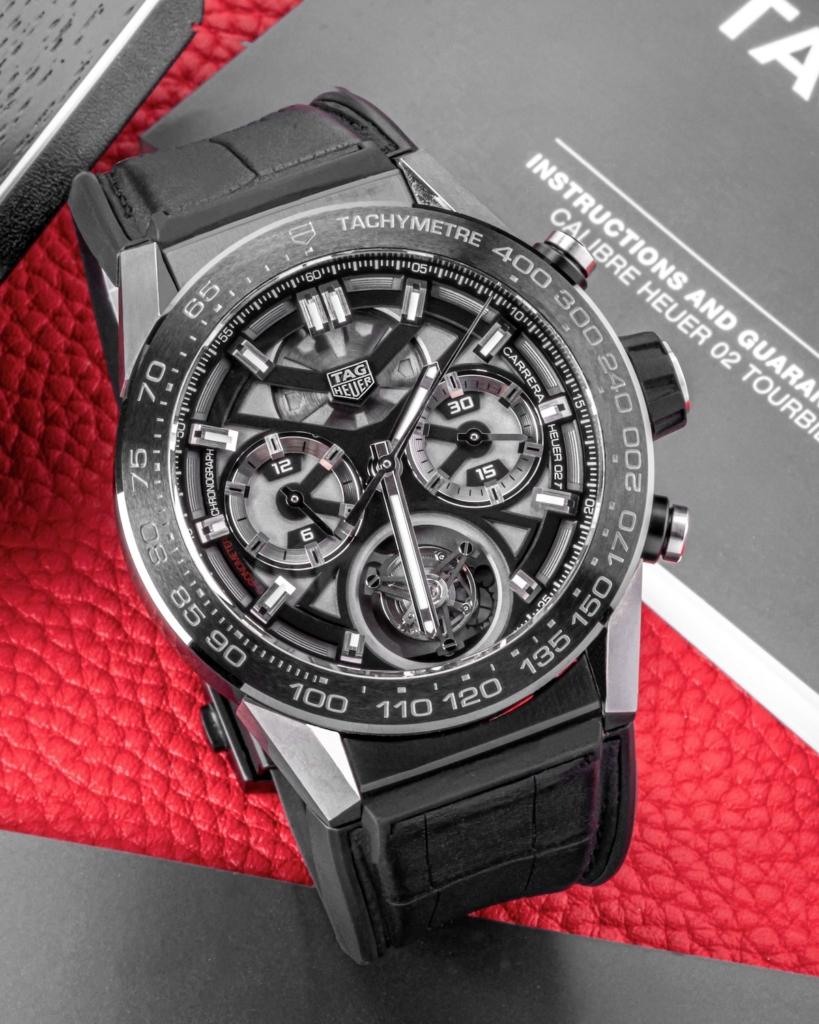
In 2025, TAG Heuer generated an estimated CHF 720 million in sales (about $871 million) while selling approximately 380,000 watches, giving the brand about 2% of the Swiss watch market. The estimated average retail price of a TAG Heuer watch was CHF 2,491 (around $3,014).
While TAG Heuer has long been a solid presence in luxury watches (particularly on the more accessible end of the spectrum) the brand has been doubling down on strong marketing campaigns, new product launches, and strategic partnerships such as Formula 1 and celebrity endorsements, and those efforts appear to be paying off. The most famous watch collections from TAG Heuer include the motorsport-inspired Carrera, Monaco, and Formula 1, as well as the dive-ready Aquaracer.
More on TAG Heuer:
| ➢ | The Best TAG Heuer Watches |
| ➢ | TAG Heuer x Kith Watches: What You Need To Know |
| ➢ | Long-Term Review: TAG Heuer Monaco Calibre 12 Final Edition |
The Next Top 5 Luxury Watch Brands
If you’re curious about how the rankings continue beyond the top 10 luxury watch brands, the numbers reveal another group of major players in the Swiss watch industry. Looking at the latest 2025 data, the next top 5 luxury watch brands still generate hundreds of millions in annual sales and produce hundreds of thousands of watches each year.

While these companies may not command the same market share as the brands in the top ten, they remain significant forces within the luxury watch market. Using the same analyst estimates and industry data referenced earlier, here’s a quick look at the next top five luxury watch brands based on the latest available figures.
| Brand | Revenue | Estimated Units Sold | Implied Retail Market Share | Implied Average Price |
|---|---|---|---|---|
| IWC | CHF 573M ($693M) | 118,000 | 2% | CHF 6,432 ($7,783) |
| Jaeger-LeCoultre | CHF 523M ($633M) | 78,000 | 1% | CHF 8,881 ($10,746) |
| Hermès | CHF 514M ($622M) | 64,000 | 1% | CHF 8,505 ($10,291) |
| Hublot | CHF 460M ($557M) | 32,000 | 1% | CHF 20,312 ($24,577) |
| Tudor | CHF 460M ($557M) | 180,000 | 2% | CHF 4,109 ($4,972) |
One interesting takeaway from this list of the next top 5 luxury watch brands is how different the business models are among these companies. Tudor sells far more watches than the others in this group (about 180,000 unit), yet its lower average price keeps overall revenue roughly in line with brands such as Hublot, which sells far fewer watches at significantly higher prices. It’s also worth noting that Tudor is a new addition to this ranking, replacing Bulgari compared to last year’s list.
Top Luxury Watch Brands That Are Not Swiss
While Switzerland leads the charge when it comes to luxury watches, there are, of course, top timepiece brands from other countries as well. Some leading names include A. Lange & Söhne and Glashũtte Original from Germany, Grand Seiko from Japan, Konstantin Chaykin from Russia, and Bremont from England. It’s important to note that these brands are different from watch companies that were founded in another country, then moved manufacturing to Switzerland — think Cartier and Breguet from France, Bulgari and Panerai from Italy, Tiffany & Co. and Harry Winston from the U.S.A. While these watch brands may have begun abroad, they all now produce Swiss-made watches with factories located in Switzerland. Let’s have a closer look at some top luxury watch brands that are produced outside of Switzerland.
A. Lange & Söhne
Arguably one of the most famous non-Swiss names in the luxury watch world, A. Lange & Söhne is proudly German — both in name and manufacturing. A. Lange & Söhne, as we know it today, was established by Walter Lange in the 1990s, after the fall of the Berlin Wall; however, the company’s roots date back to 1845 when it was founded by Walter’s great-grandfather, Ferdinand Adolph Lange, in Glashütte, Germany.
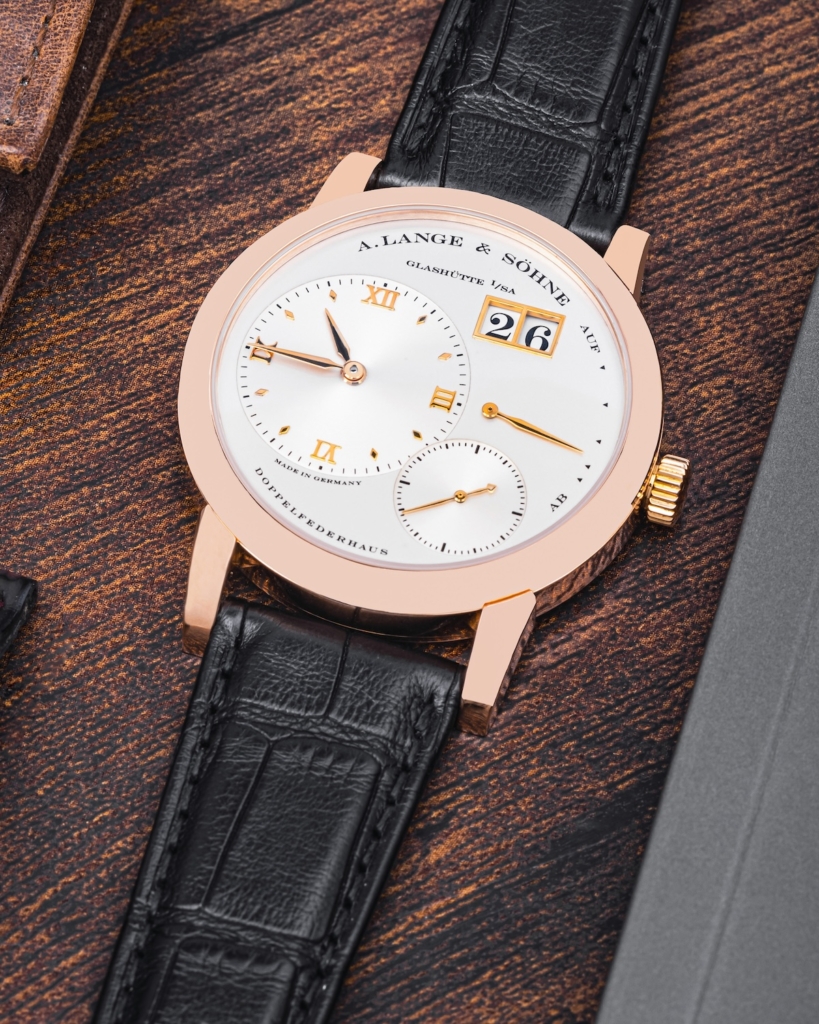
Interestingly, though A. Lange & Söhne is a German watch brand, Morgan Stanley and LuxeConsult included it in its Swiss watch report — that’s probably because the mother company, Richemont, is based in Switzerland. According to the report, Lange’s turnover in 2024 was CHF 250 million (1% market share) with sales of around 5,600 watches, resulting in an average retail price of CHF 47,277 per A. Lange & Söhne watch. The most well-known Lange models are the signature Lange 1 with an asymmetrical dial, the pared-down Saxonia, and the sporty Odysseus.
More on A. Lange & Söhne:
| ➢ | A. Lange & Söhne 2024 Releases |
| ➢ | 5 Entry-Level A. Lange & Söhne Watches |
| ➢ | The Most Expensive Watch Brands in the World |
Glashütte Original
For our next look at a top luxury watch brand not from Switzerland, we remain in Germany with Glashütte Original. The brand’s history is closely tied to Lange’s: Ferdinand Adolph Lange (the same man who founded A. Lange & Söhne) helped establish the watchmaking industry in Glashütte, Saxony, in 1845. After World War II, the region’s companies were merged into the state-run GUB, keeping German watchmaking alive through the East German period. Following reunification, the company re-emerged under the name Glashütte Original, carrying forward those Saxon traditions into the modern era.
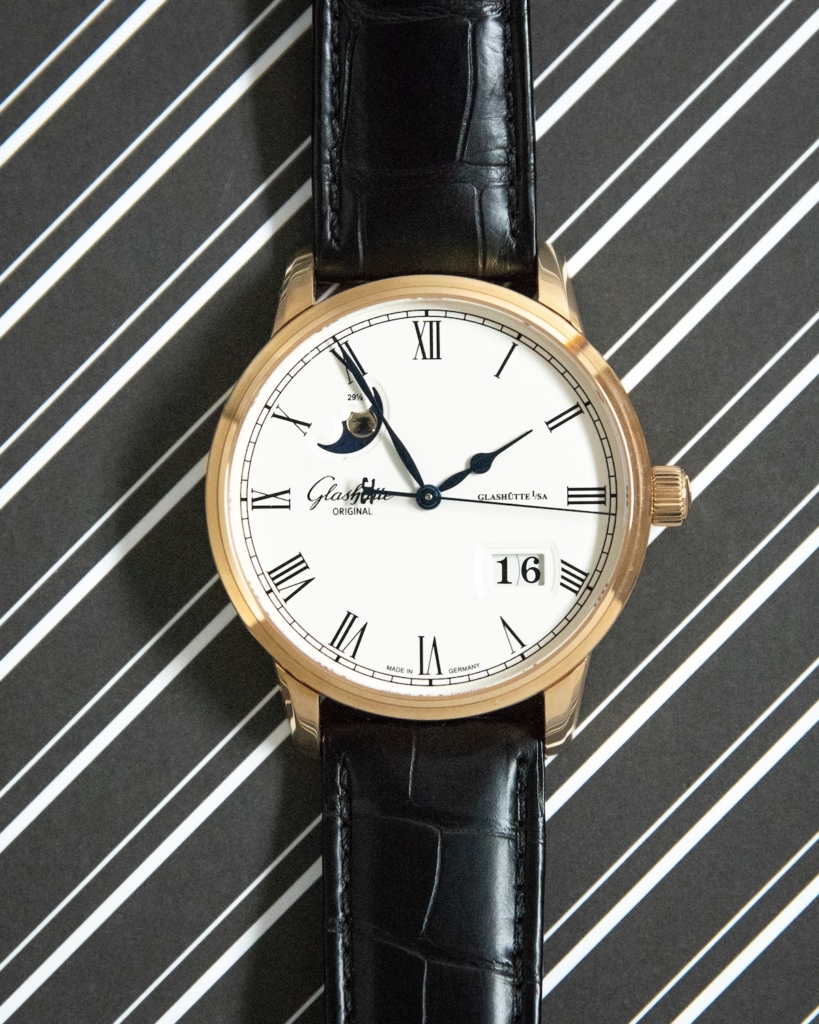
Now part of the Swiss conglomerate Swatch Group, Glashütte Original continues to make its watches in Glashütte, Germany. According to the Morgan Stanley and LuxeConsult report, Glashütte Original had a turnover of CHF 55 million in 2024 across 6,800 watches, with an average retail price of CHF 12,383. The brand’s best-known collections include the classic Senator and Pano lines, along with vintage-inspired models like the Seventies and SeaQ.
Grand Seiko
Crossing continents from Europe to Asia, we arrive in Japan with Grand Seiko, a brand that has firmly established itself as one of the world’s premier luxury watchmakers outside of Switzerland. Introduced in 1960 by Seiko to create the “ideal watch,” Grand Seiko quickly became known for its pursuit of precision, durability, and legibility. Today, operating as an independent brand since 2017, Grand Seiko continues to craft its timepieces entirely in Japan, combining cutting-edge innovation — like the Spring Drive movement — with traditional Japanese artistry most often showcased via its striking dials.
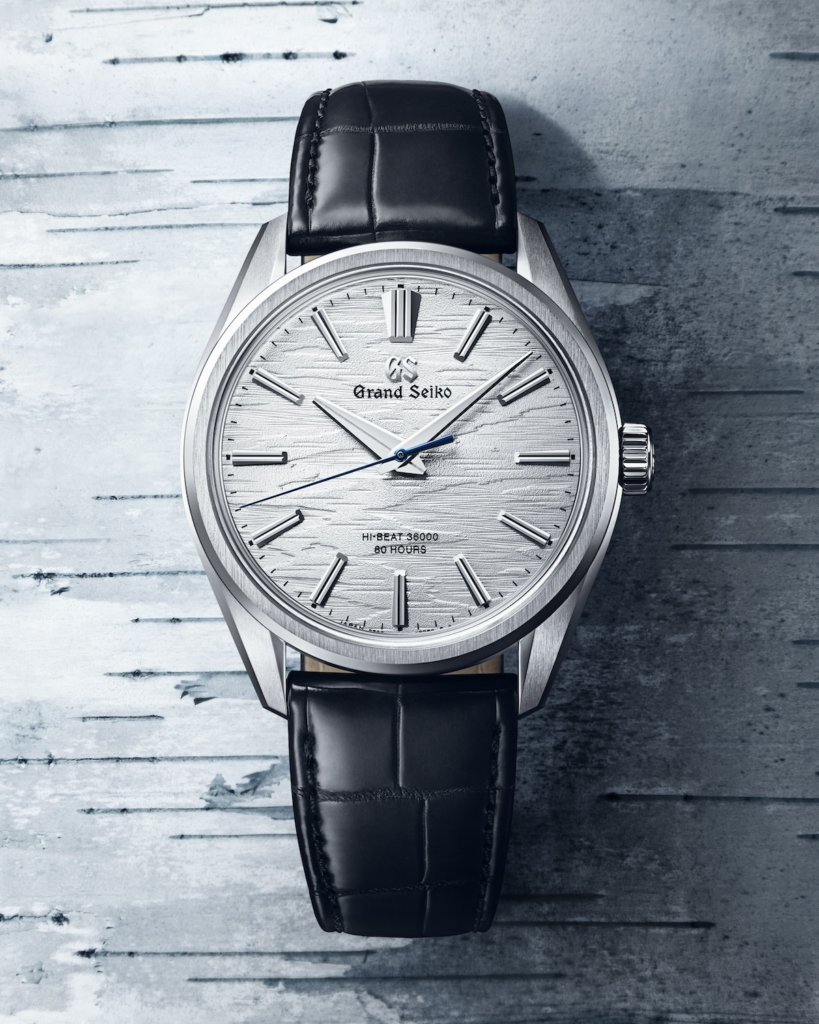
According to Seiko Group’s most recent financial results, global watch sales reached around US$1.22 billion in fiscal year 2024/25, marking an 11.7% increase year-on-year. Much of that growth came from international demand, with both Seiko and Grand Seiko sales rising by about 15% outside Japan. While Grand Seiko isn’t broken out individually in the report, it’s widely recognized as the group’s flagship luxury brand, with prices and positioning aimed squarely at competing with top Swiss makers. At retail, Grand Seiko watches are generally priced between US $5,000 and $8,000, with higher-end limited editions or models with advanced movements and finishing costing much higher.
Top Watch Brands on the Secondary Market
We’d be remiss not to mention the pre-owned watch market, given it’s a huge driver of what watches are in demand at both the retail and secondary levels. Determining the top watch brands on the secondary market isn’t as clear-cut as analyzing sales numbers and market share data for the retail market. How does one decide the best watch brands in the pre-owned space — value retention, number of listings, sales value, sales quantity? Again, pinpointing the “best” pre-owned watch brands isn’t that simple.

According to a report published by WatchCharts and Morgan Stanley in 2024 Q4, the three watch brands with the best value retention are Rolex, Patek Philippe, and Audemars Piguet as their watches continue to sell over retail prices on the secondary market. To that I say, where is Richard Mille in the report? Richard Mille watches are known to sell well above their retail prices; perhaps the report didn’t include this top watch brand because quantities are tiny compared to the “big three.”
Another alternative reason could be that pre-owned sales listings for Richard Mille are normally “price upon request,” making it impossible to gather data. Regardless, given Luxury Bazaar’s extensive experience selling Richard Mille watches on the secondary market, we can tell you that many, many RM watches have incredible value retention.

Turning our attention to another report, we looked at a Chrono24 five-year analysis of the secondary watch market, which determined that watches from “Audemars Piguet, Vacheron Constantin, and Cartier demonstrated [the] highest average value gains, with selected models more than doubling in value.” Pre-owned AP watch prices rose 64.85 %, pre-owned Vacheron watch prices rose 52.27 %, and pre-owned Cartier watches rose 39.06%. The other top watch brands in terms of pre-owned price increases included Patek Philippe (33.59 %), Omega (27.81 %), Rolex (27.59 %), Jaeger-LeCoultre (23.45%), and TAG Heuer (13.29%). IWC and Breitling’s secondary market prices remained largely unchanged over five years while IWC, Tudor, and Panerai actually decreased. Again, Richard Mille is missing from this report.

Bookmark this article to stay tuned to any market movements and changes to the top luxury watch brands.