The Truth About Hublot

You may have heard influencers and keyboard warriors hate on the Hublot watch brand extensively, but perhaps I can change your mind. Most of the Hublot hate, frankly, has zero substance behind it, and is mostly about jumping on a social media bandwagon. Hublot has repeatedly been bashed for using third-party movements, but to understand that complaint, and the truth about Hublot’s place in the watch world, we need a bit of a history lesson. Here’s the truth about Hublot.
Hublot’s History Summarized
Hublot‘s story began in 1980 when an Italian designer, Carlo Crocco, kicked off his MDM Genève brand with a yellow gold “Hublot” (porthole) watch, featuring an integrated black rubber strap. This combination of gold and rubber was a first in watchmaking, and Hublot ultimately became the name of the brand itself. But it was Jean-Claude Biver, living Swiss watch industry icon, that kicked off the “fusion era” by focusing heavily on combinations of modern materials like ceramic, carbon, and multiple proprietary gold alloys.
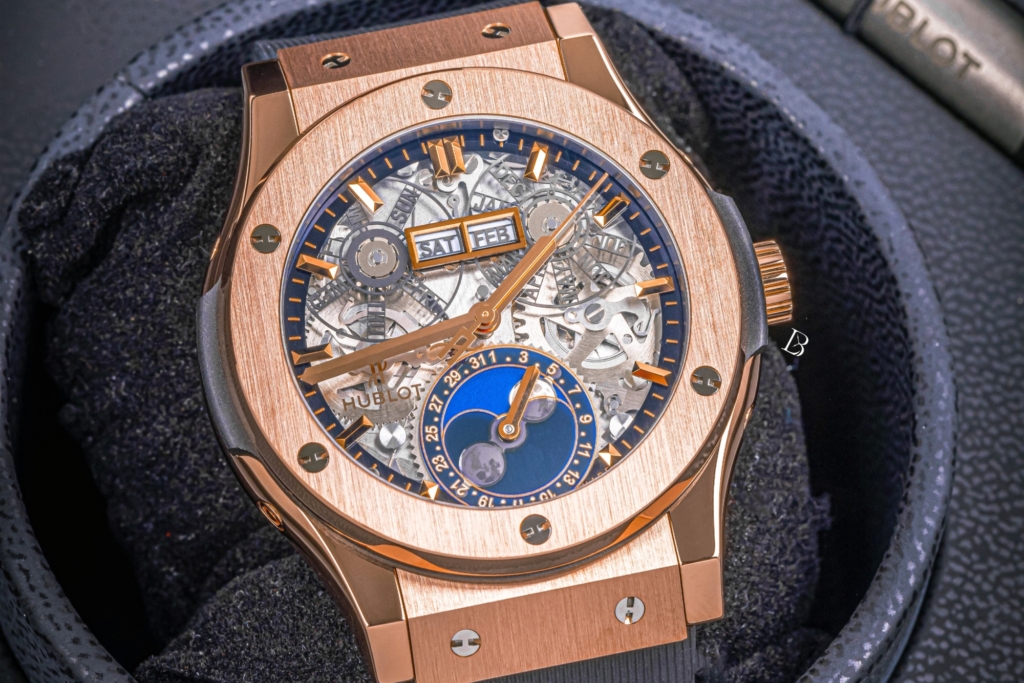
In 2005, the launch of the Big Bang made a massive splash in the watch world. As a result, by 2008, due to JCB’s efforts, revenues had more than quadrupled and arguably the most powerful luxury group in the world (LVMH) acquired the brand.
If you know the other watch brands under the LVMH umbrella today (TAG Heuer, Zenith, Bulgari, Daniel Roth and Gerald Genta), it’s safe to assume they bought Hublot for a reason. Just a little over a year after the LVMH acquisition, we were introduced to Hublot’s first in-house movement, the rock-solid UNICO flyback chronograph movement.
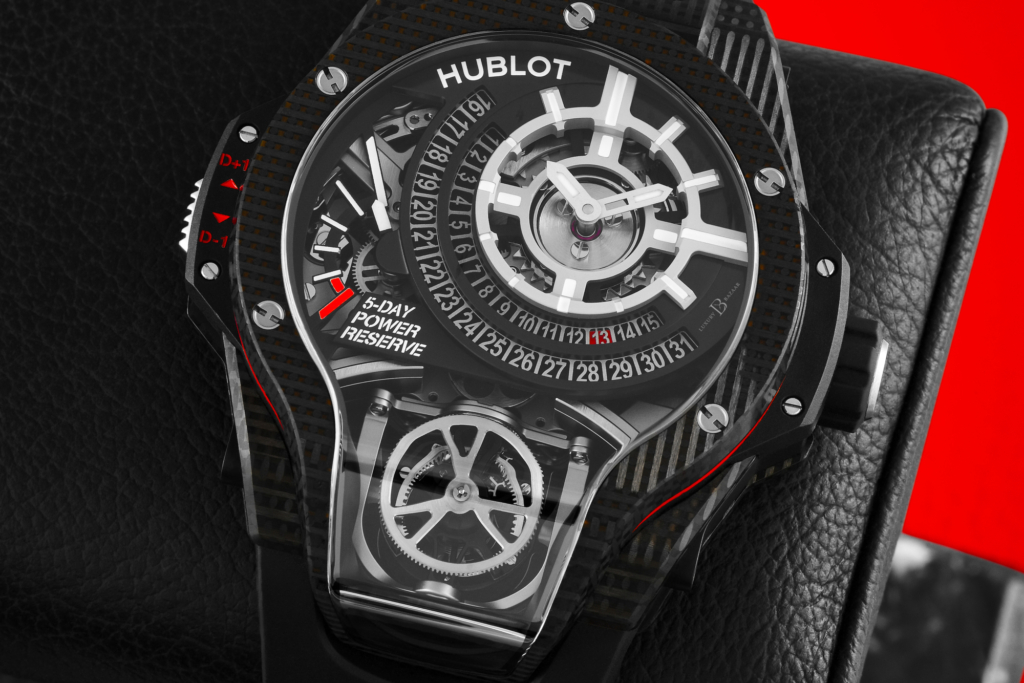
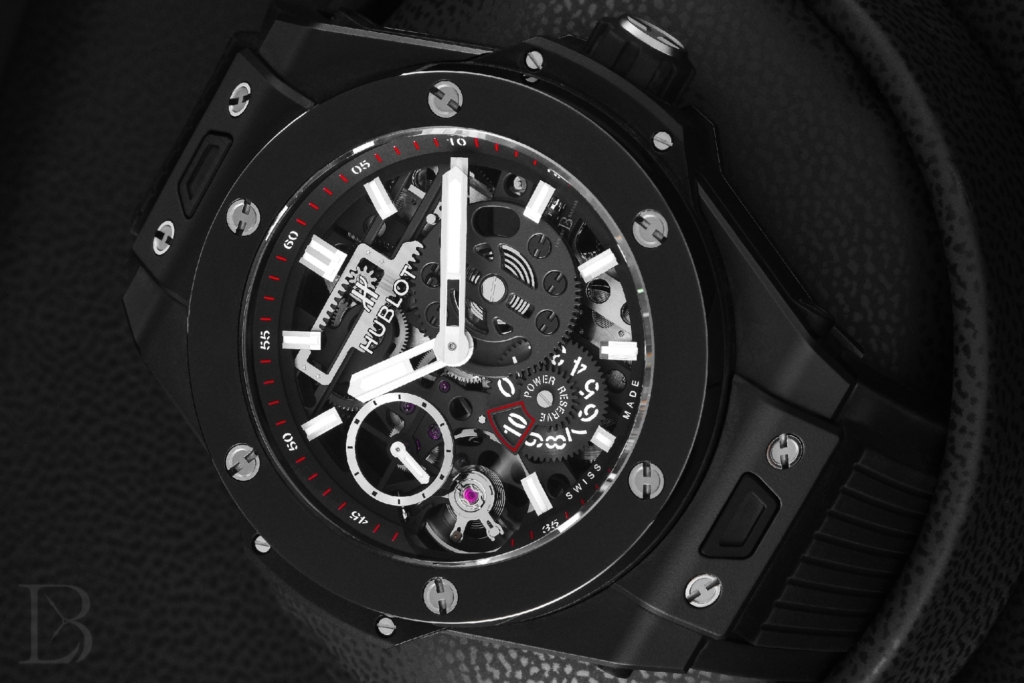
Less than two years after that, Hublot was making in-house tourbillon movements. Today, Hublot’s impressive lineup of manufacture calibers includes 14-day power reserves, tourbillons with dial-side micro-rotors, and heavily skeletonized options.
Everyone Has Used Third-Party Movements
Hublot started the same way the majority of watch brands started: with an off-the-shelf movement and a long-term goal to create their own. But let’s be clear: Sellita, ETA, and Valjoux movements–though often affordable in their least decorated forms–are not low-quality. It’s not the cost to the manufacturer that defines the quality, but the actual robustness and timekeeping of the movement.
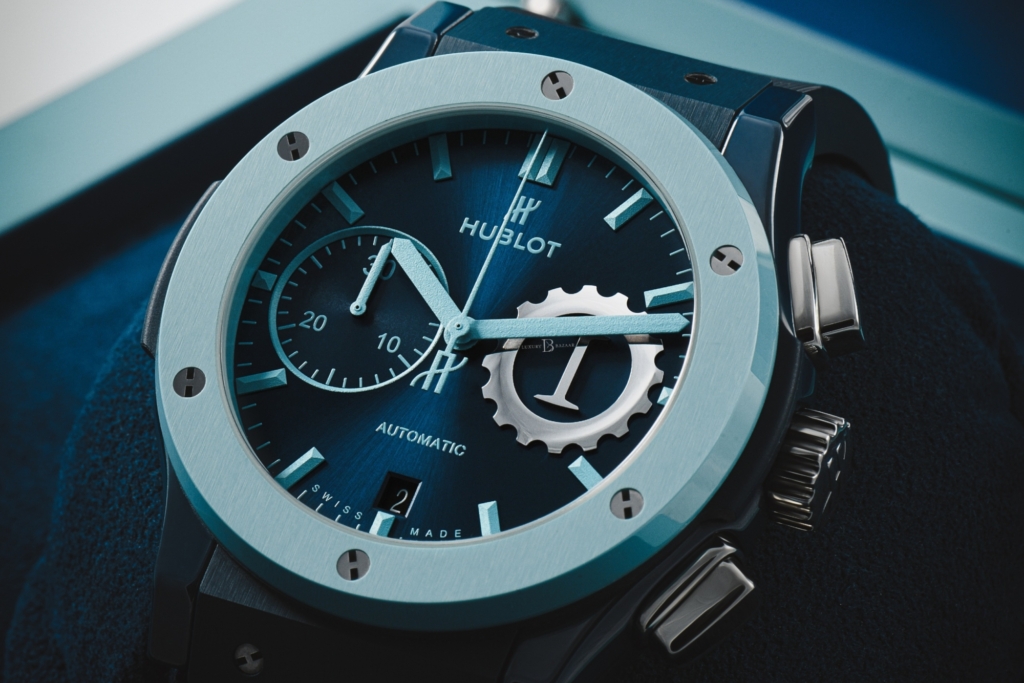
Movements from Sellita et al are often called “workhorse movements” and with good reason. Companies spend years in research and development to make sure their movements will function and last properly–and often still fail. A cheap common movement often performs better than an expensive but poorly-designed and under-tested in-house movement (as an example, Roger Dubuis had some issues with their first generation of in-house movements).
Now, the Sellita inside a Tissot is not the same as the one in an Omega or Tudor, and the price of the watch reflects that. Longines is often viewed favorably in terms of value, but they produce a million watches a year and are owned by the same company as ETA. Hublot produces only 40,000 watches a year, so they don’t have the same scale. Regardless, many Hublots with ETA movements were priced similarly to other ETA-based competitors of the day that catch far less flak for it.
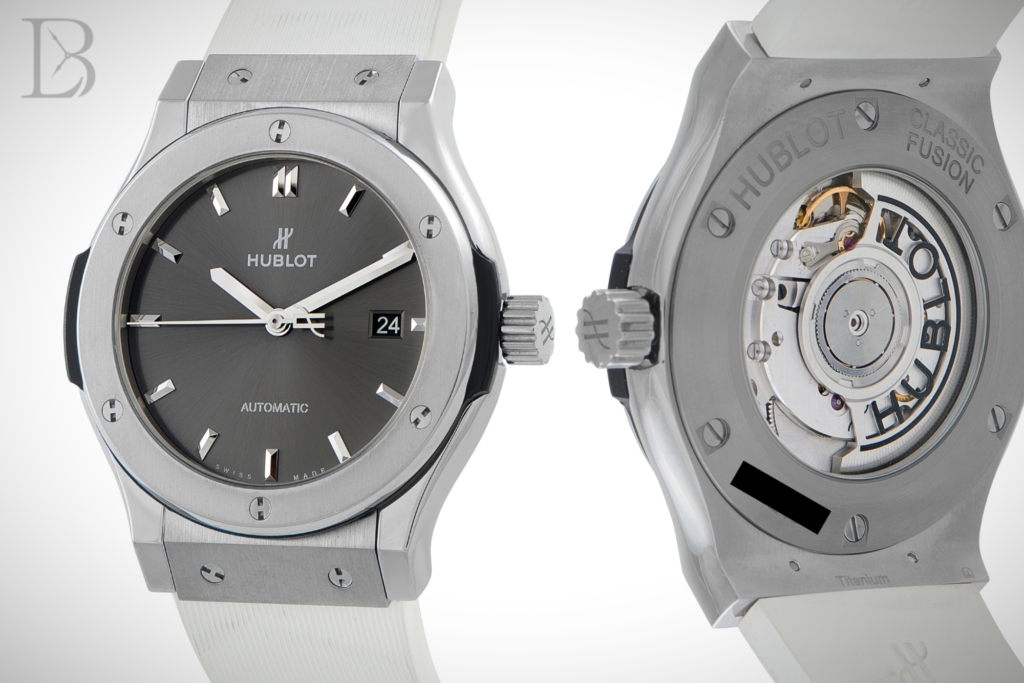
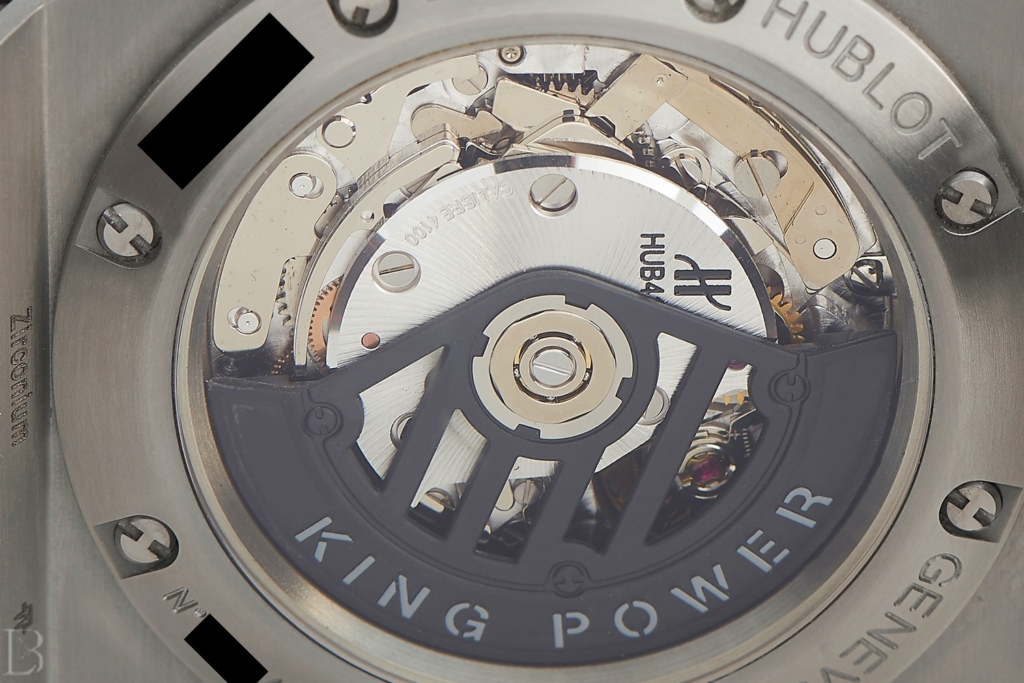
Hublot still even uses some third-party base movements in some of their less expensive models (e.g. the Classic Fusion), but these are heavily modified. They’re decorated, adjusted, and often re-engineered. There are costs associated with things like Geneva stripes, perlage, skeletonized rotors, polished and black-coated bridges, and custom date wheels.
The Audemars Piguet Royal Oak–my favorite watch from my favorite brand–originally had a Jaeger-LeCoultre 920 movement inside. That’s another one of those wonderful workhorse movements, also used in the Patek Philippe Nautilus 3700 and the Vacheron Constantin 222. If you think this movement cost more than the ETA movement, you’re sadly mistaken.
Later, AP used the Frederic Piguet caliber 1185 (essentially a Blancpain movement), and they didn’t offer an in-house automatic movement until 2012–two years after Hublot. And yet nobody seems to cry “that movement isn’t in-house!” when it comes to AP. There’s no denying that Patek Philippe has released numerous revered manufacture movements, but they actually didn’t release a fully in-house chronograph movement until 2009 with ref. 5170. And still, many collectors prefer its Lemania-based predecessor, the 5070! Go figure.
Let’s not forget that the Vacheron Constantin Overseas didn’t have an in-house movement until 2016, and even the almighty Rolex was using Zenith El Primero movements until 2000. Maybe influencers should crucify Richard Mille for selling split-seconds chronograph watches for huge price tags when there’s a Vaucher VMF 6710-based movement inside? Wholesale from Vaucher, that movement costs a mere 4,800 CHF. But I suppose bashing RM isn’t as trendy as bashing Hublot.
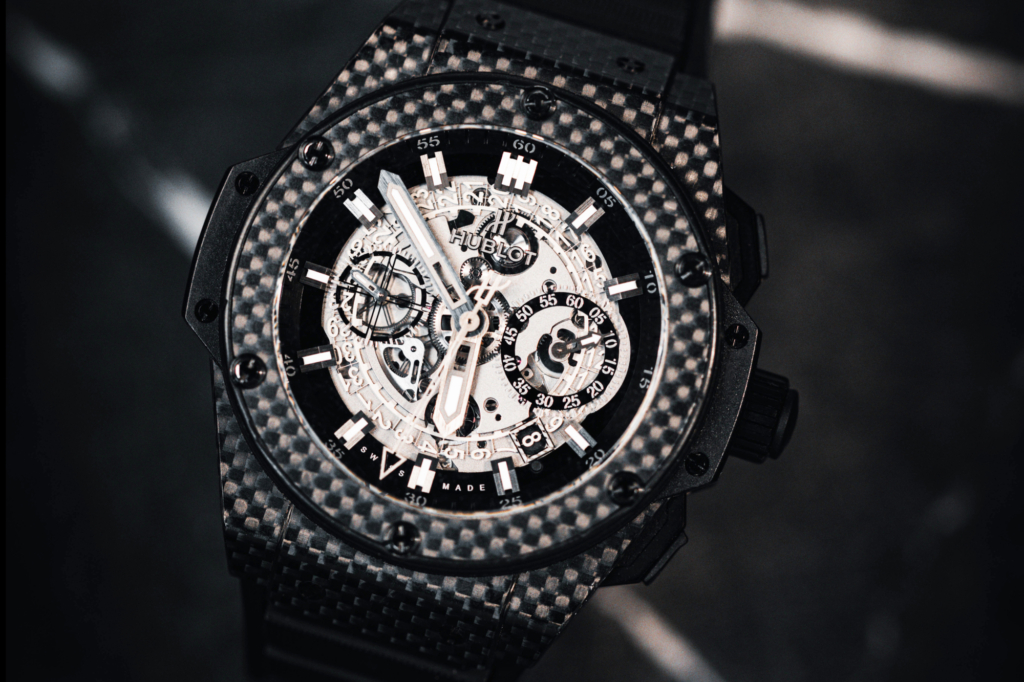
The hyper-fixation on in-house movements when considering a watch purchase is a relatively new phenomenon. In my opinion that was kicked off in 1999, when A. Lange & Söhne released the Datograph. That was the first luxury watch with a new true manufacture chronograph caliber in decades!
UNICO Movements
When it comes to in-house chronograph movements, the Hublot UNICO is a monster. This is not just a “pretty good” movement. Developing a chronograph is one of the hardest things to do in horology, and you can ask any manufacturer about that.
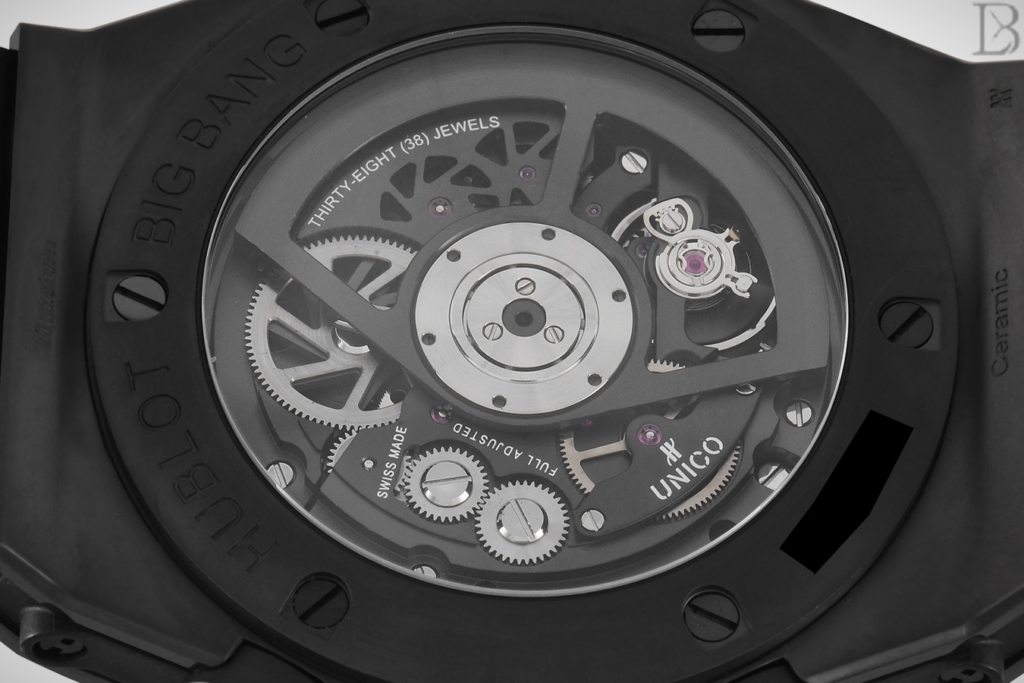
The UNICO is a groundbreaking high-performance chronograph caliber with two independent clutches and flyback functionality. Some of the gears even have LIGA teeth. LIGA is an advanced multi-step micro-manufacturing process originally developed for the semiconductor industry, and only a few other watch brands use it.
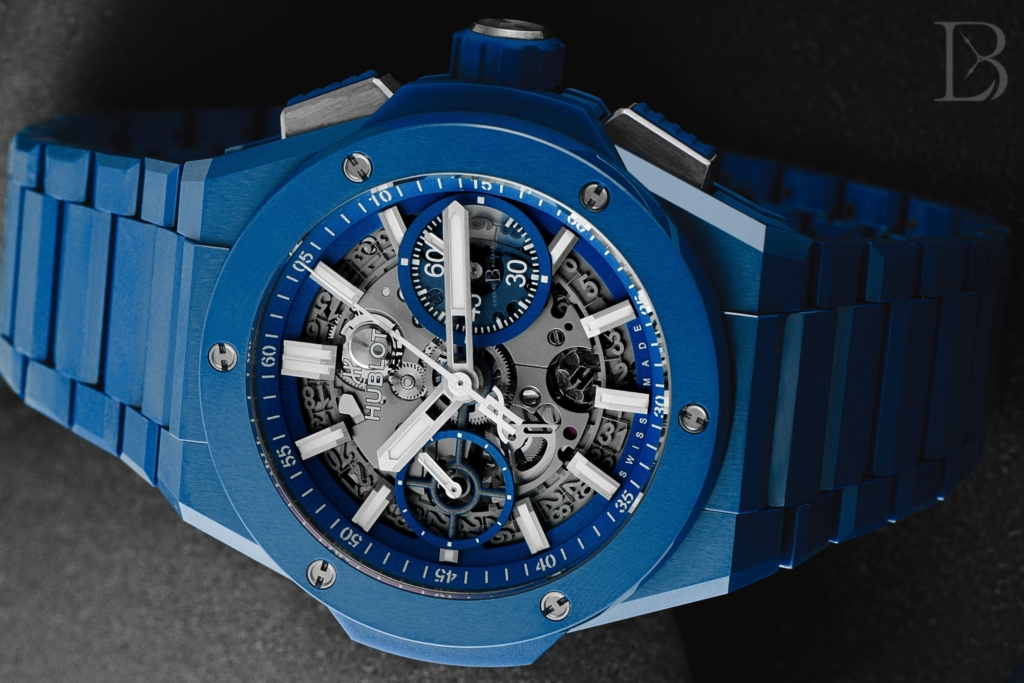
UNICO movements all have silicon escapements, and now that they’ve been out for over 15 years, we can decisively say that they’re reliable.
The Truth About Hublot’s “Fancy Cases”
You might hear haters say that the only thing that makes Hublot special is “fancy cases and marketing.” But the phrase “fancy cases” majorly understates just how innovative Hublot has been when it comes to case construction. How about the first ever modular case combining ceramic and steel?
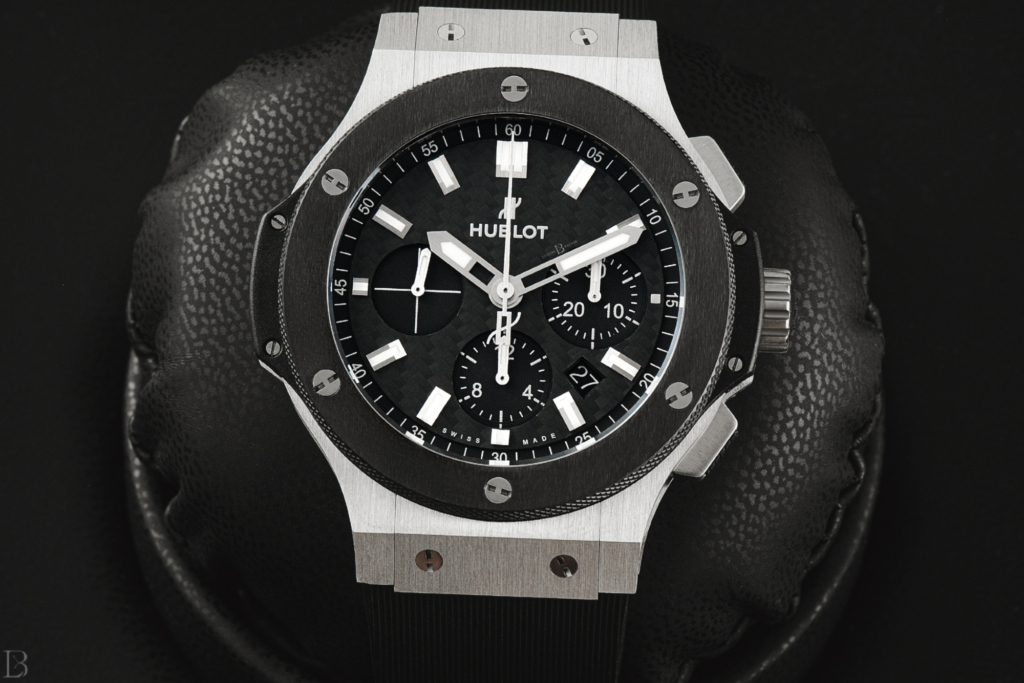
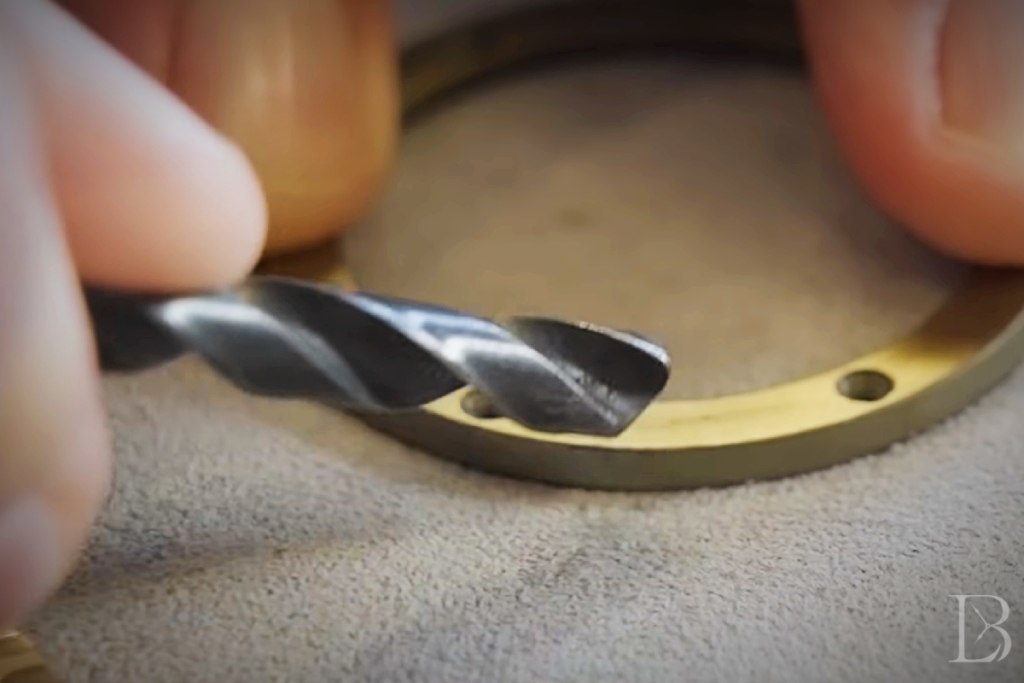
How about King Gold, which doesn’t fade, or Magic Gold–which famously doesn’t scratch? And that’s true, by the way. I actually tried scratching it with a drill bit myself while I was visiting Hublot’s lab.
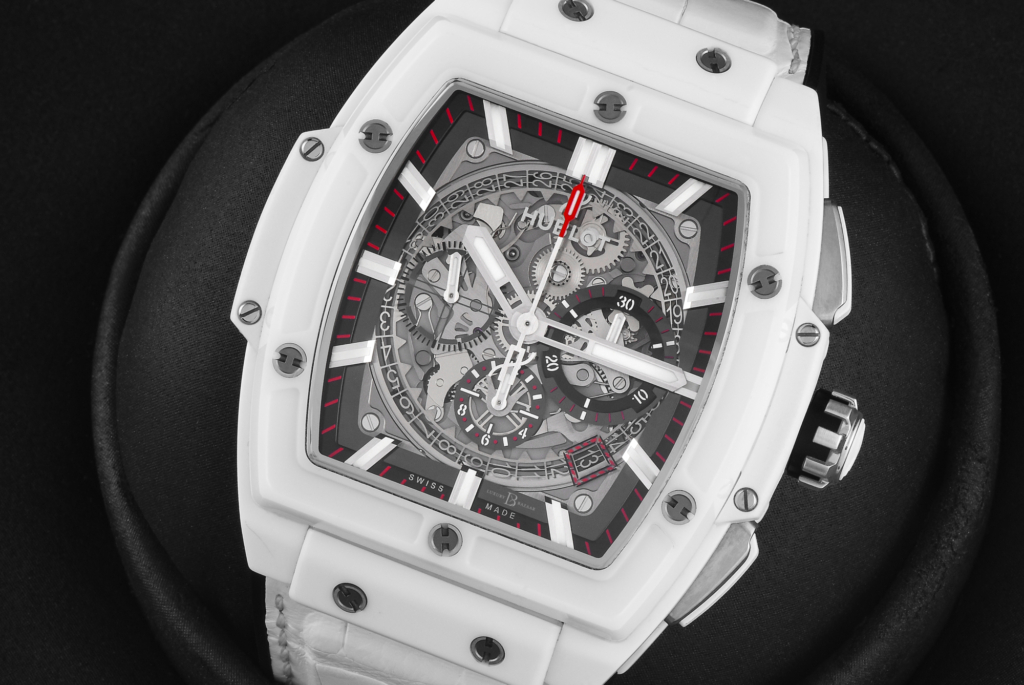
And let’s not forget that Hublot is the only company that produces sapphire case luxury watches on an industrial scale. They literally grow their own synthetic crystal, then machine each block for weeks until it’s the right shape. They make more different colors of sapphire cases, and different colors of solid ceramic cases, than anyone else.
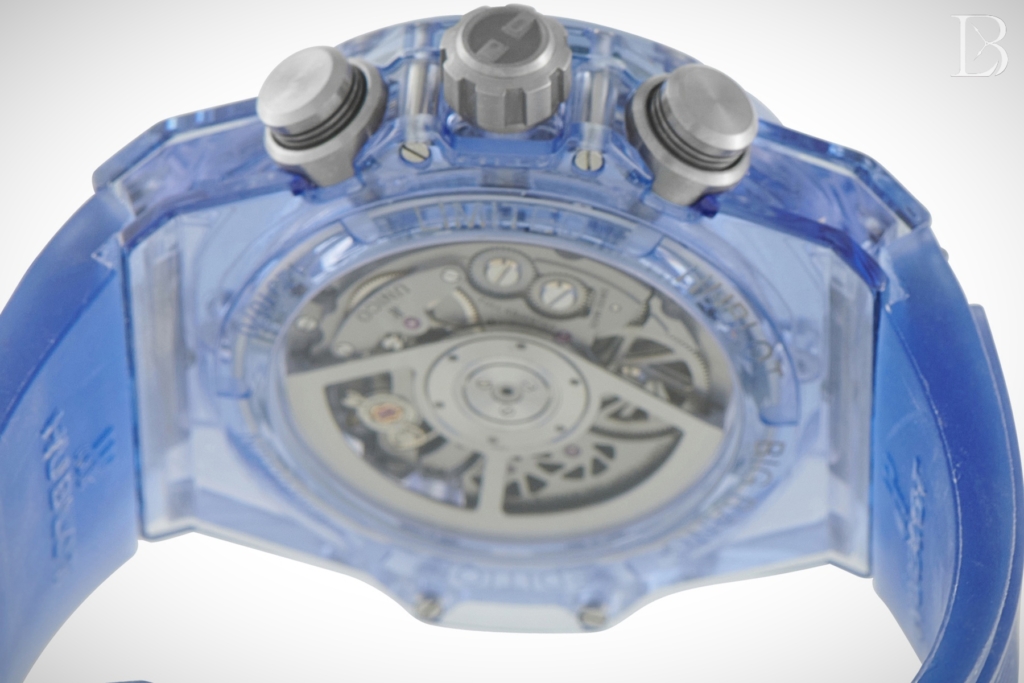
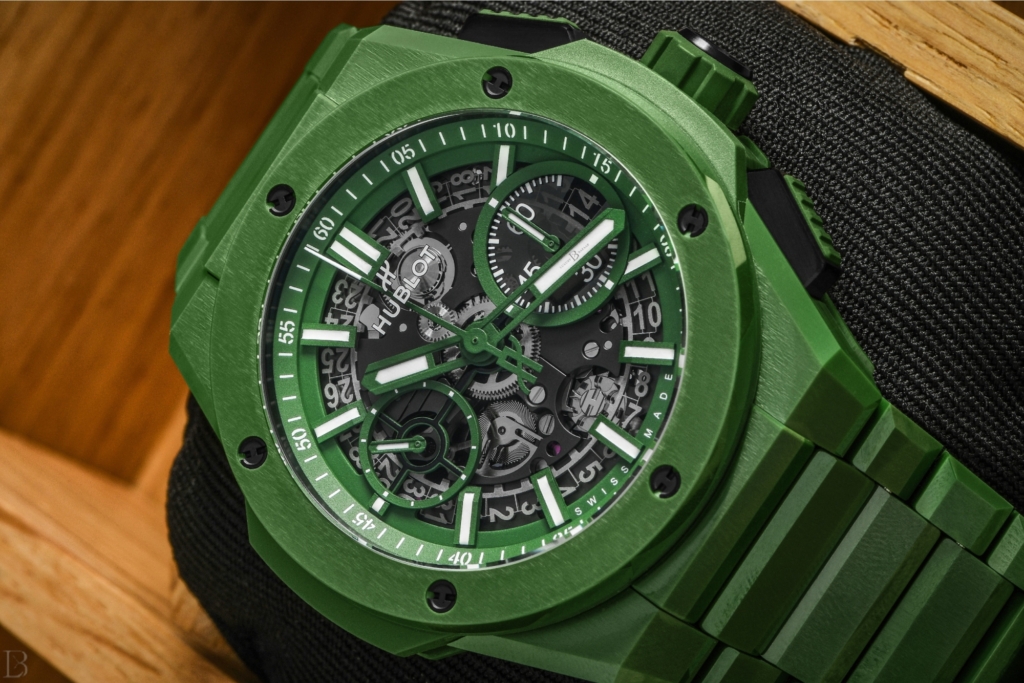
Now they also make colorful translucent cases out of SAXEM, a sapphire aluminum oxide which is actually tougher than sapphire. Hublot has even made cases out of materials like fiberglass, recycled Nespresso pods, and concrete, and today they’re at the very forefront of multicolor ceramics. These are not just watches with cool paint jobs; these are the results of years of engineering and innovation, and that costs money.
Historical Context: Hublot is a Young Brand
Hublot may not have the historical pedigree of some of their competition; that’s true. You could look at a brand like Longines, for example, and list a multitude of awards they’ve won. But they’re mostly for chronometry, and mostly from the mid-1800s and early 1900s. How much does that matter to buyers today?
Don’t get me wrong; Longines is a wonderful brand and they still sit at the #7 spot on the list of top luxury watch brands. But they have been around for 200 years. Vacheron Constantin has been around 270 years. The Big Bang has been around for 20. Hublot sits at #11 in terms of revenue, and looks to be steadily climbing. It must be that fancy marketing. Or maybe…people just like them.
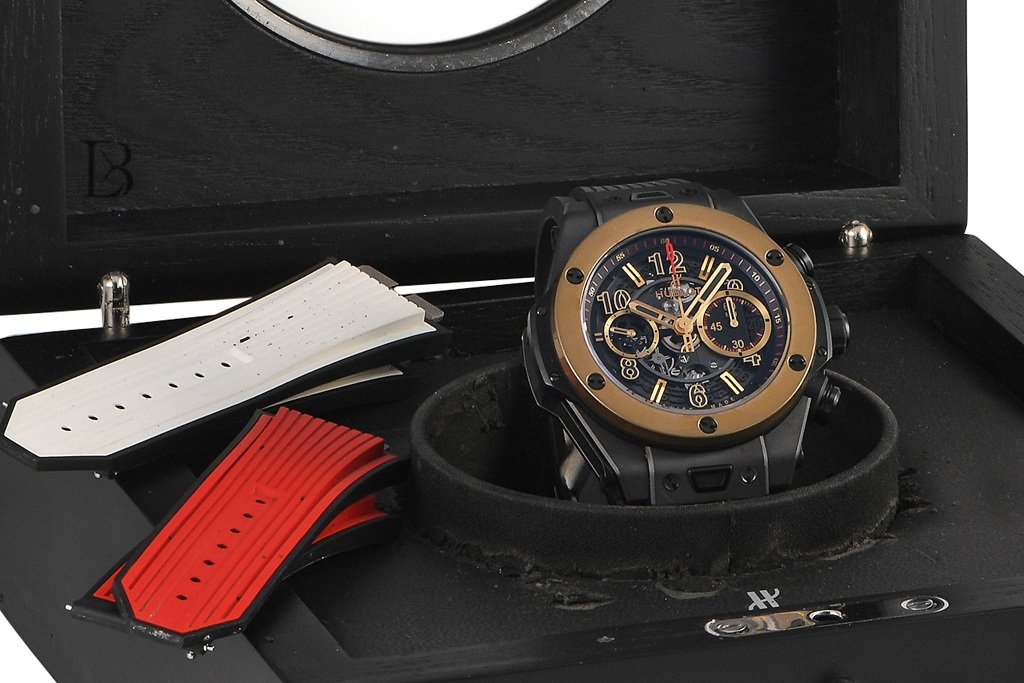
Let’s not forget there was a time when people had a lot of negative things to say about Gerald Genta and the design of the Royal Oak. Yet 50 years later he’s considered a legend, and the Royal Oak a timeless iconic design. Likewise, names of present-day industry shapers like Jean‑Claude Biver and Ricardo Guadalupe will be referred to in the future, probably long after we’re gone.
So yes, Omega did put the first watch on the moon, Blancpain made the Fifty Fathoms dive watch, and Cartier made the first men’s wristwatch, the Cartier Santos. But this was all done way before Hublot times. Meanwhile, in a short 20 years, Hublot has accomplished plenty. They haven’t been around for centuries, but who knows what they would have accomplished if they had? It sure seems like they’re off to a good start.
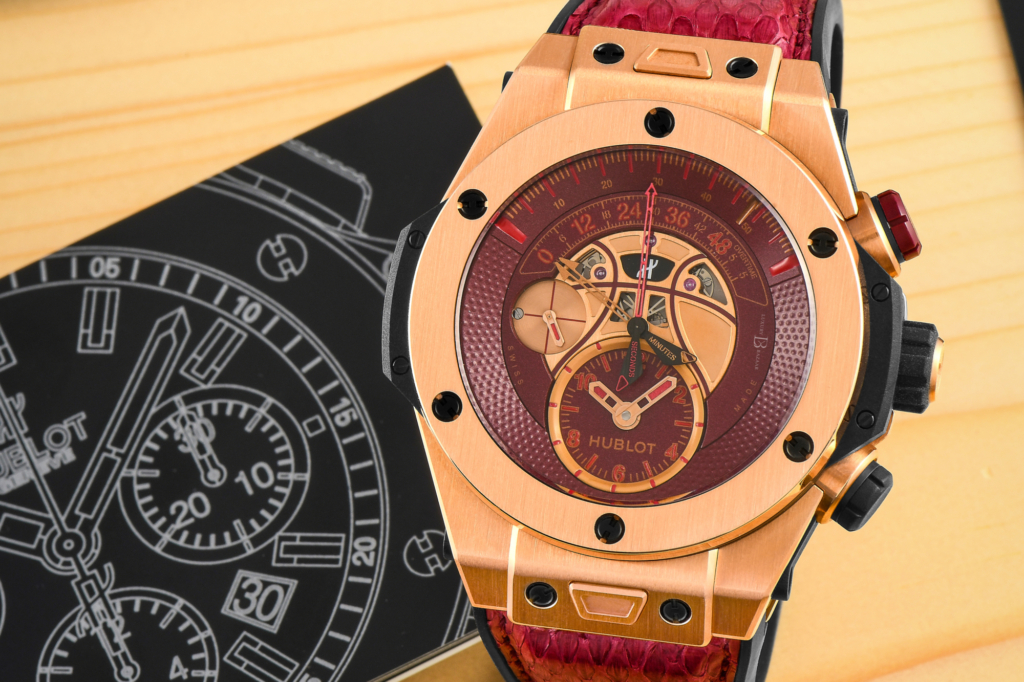
By the way, I was in the business when the Big Bang took the world by storm in 2005. Fun fact, you could not give away a Royal Oak or Overseas at that time. Everybody wanted a Hublot! Most of the people mocking Hublot today are just following the social media bandwagon in my opinion.
What You Get For the Money
When you look at the prices of some of Hublot’s upscale offerings, it’s tempting to say “you could get this Vacheron Constantin, or that Audemars Piguet for that price,” but let’s break down what you actually get for the money when it comes to Hublot.
They offer Sellita-based titanium Classic Fusion models in 42mm or 45mm at a list price of $8,300, and we’d typically sell you one for under $6,000. Are you paying a premium for the design? Sure, there are competitors like Breitling that are priced a bit lower. But it’s not like Hublot prices are way out of whack with the industry.
If you want to argue that the remaining Sellita/ETA-based watches in the Hublot catalog are overpriced, fine. But you can’t deny that Hublot has some serious horological achievements on display in today’s Big Bang lineup.
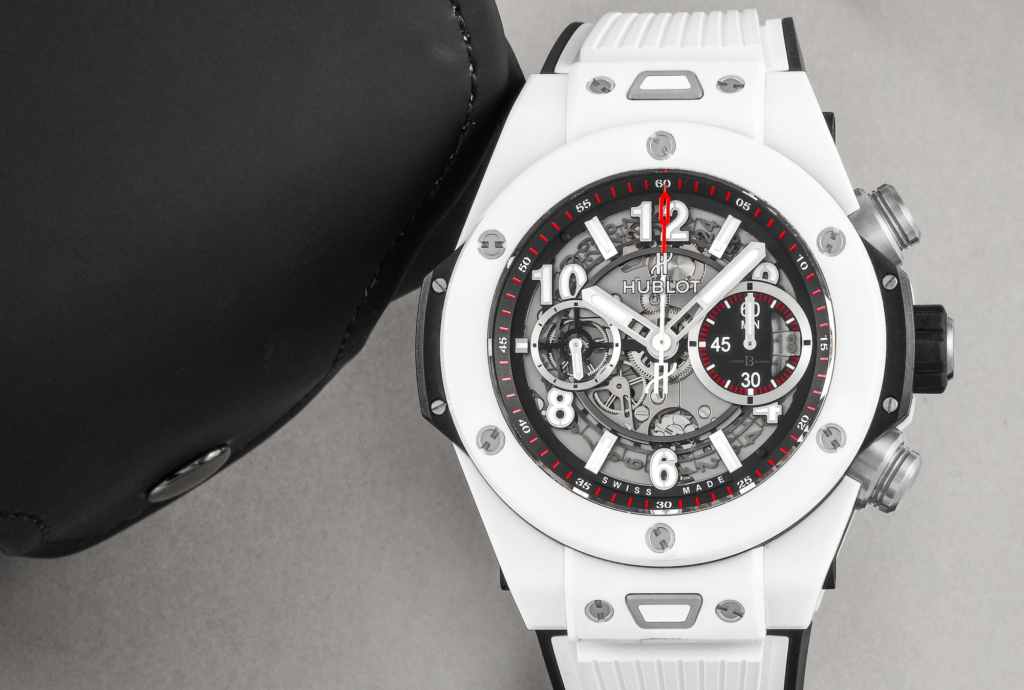
And yes, Hublots sell secondhand for much less than their MSRP in most cases–but guess what? So does pretty much every watch brand in the world outside of Rolex and F.P. Journe. And even though Rolex holds value notoriously well, keep in mind there are steel Daytonas that peaked at $60,000 now selling for under half that.
Even Patek Philippe models, aside from their sports watches, often sell at notable discounts. So why not focus on what you can get for your money in the real world? I could sell you a Hublot with an in-house skeletonized movement and a sapphire case for $40,000–less than a simple titanium AP Royal Oak Offshore in a popular color.
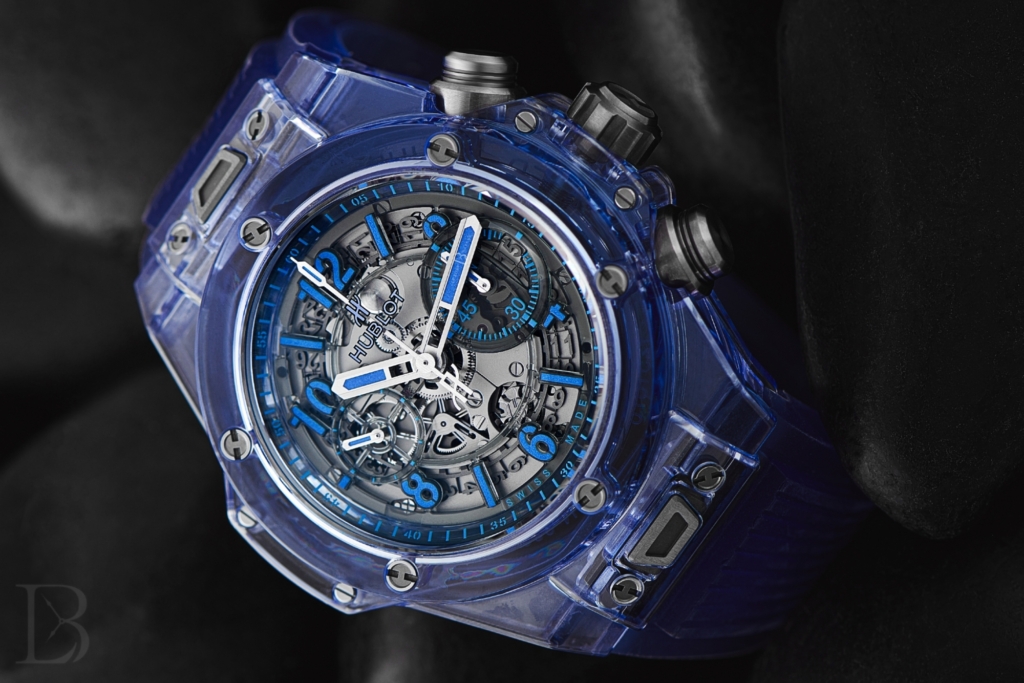
$15,000 is enough to choose from a wide variety of pre-owned Big Bangs in interesting materials, and I would say Hublot has some of the more interesting offerings on the market at that price point.
Looking at retail prices, a basic steel men’s Patek Philippe Aquanaut starts at $29,875, which is more than Hublot asks for Big Bangs with groundbreaking skeletonized movements and 10-day power reserves. And if you look at brands like Chopard and Girard-Perregaux, I think you’ll find their pricing similar to Hublot.
Final Thoughts on the Truth About Hublot
Trends come and go in the luxury watch world. Speaking from personal experience, I can tell you I remember a time when the Franck Muller Conquistador traded at list (or over) and you couldn’t give a Richard Mille away. When I’m in Bar Harbor Mall and I walk by the boutique of my favorite brand, Audemars Piguet, there’s nothing for sale. Yet when you get to the Hublot boutique in the same mall, people are in there buying watches and walking out with bags. Hublot chooses to have product readily available, so there’s no Rolex waitlist-like situation with them.
If you’re concerned about the “value retention”–which is reasonable, but shouldn’t be your main focus–you can always buy pre-owned. Sometime during the Covid watch craze, it became trendy to start thinking of watches as financial instruments. This brings me to what I’ve always been saying: A watch is not an investment, but an expensive toy. Buy what you like first and foremost, within the means you can afford. While some chase hype, investments, and trends, I have a simple mantra: buy it for the reason you want to buy it.




Leave a Reply