2026 Watch Trends: Downsized Watches

Downsizing has been one of the watch industry’s most noticeable shifts in recent years, and in 2026, it shows no signs of slowing down. After years when larger cases dominated, established watches are shrinking, midsize models are returning, and smaller options are increasingly being positioned for any wrist rather than automatically being treated as women’s watches. Of course, the trend didn’t begin this year; new watches can spend years in development, and case sizes have been creeping downward for some time. But with so many brands embracing downsized watches in 2026, it’s clear that smaller watches are no longer a niche alternative. Big watches aren’t going anywhere, but they’re certainly having to make room.
A. Lange & Söhne Saxonia Annual Calendar
For 2026, A. Lange & Söhne downsized the Saxonia Annual Calendar from 38.5mm to 36mm, a significant reduction for a watch packing an annual calendar and moon-phase complication. I’ve always found 36mm to be a great size for a wide range of wrists, so I welcome the shrinkification of this classic complication.
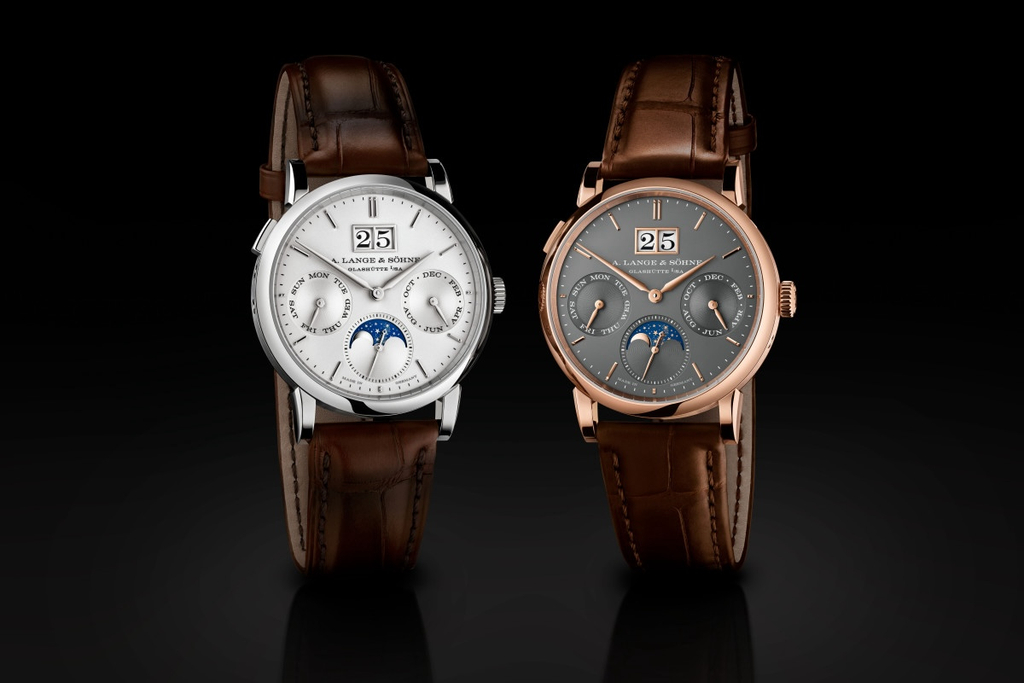
The downsizing comes with a broader update to the watch, including the new automatic Caliber L207.1, which offers a 60-hour power reserve. The familiar annual calendar layout remains, with Lange’s outsize date at 12 o’clock, day and month displays at 9 and 3 o’clock, respectively, and a moon-phase display combined with the small seconds at 6 o’clock. The 36mm Saxonia Annual Calendar is available in white gold with an argenté dial or pink gold with a gray dial.
Tudor Black Bay Chrono 39 Bumblebee
Tudor took more than a couple of millimeters off the Black Bay Chrono for 2026. The new Black Bay Chrono 39 shrinks the existing model’s 41mm diameter to 39mm, but perhaps more importantly, reduces its 14.4mm thickness to 13.1mm. The 41mm Black Bay Chrono hasn’t gone anywhere, either; Tudor is simply giving buyers another size option. Like its big brother Rolex, Tudor has long made an effort to offer similar watches in different sizes, and I applaud the continued expansion of those choices. More size options are always a good thing.
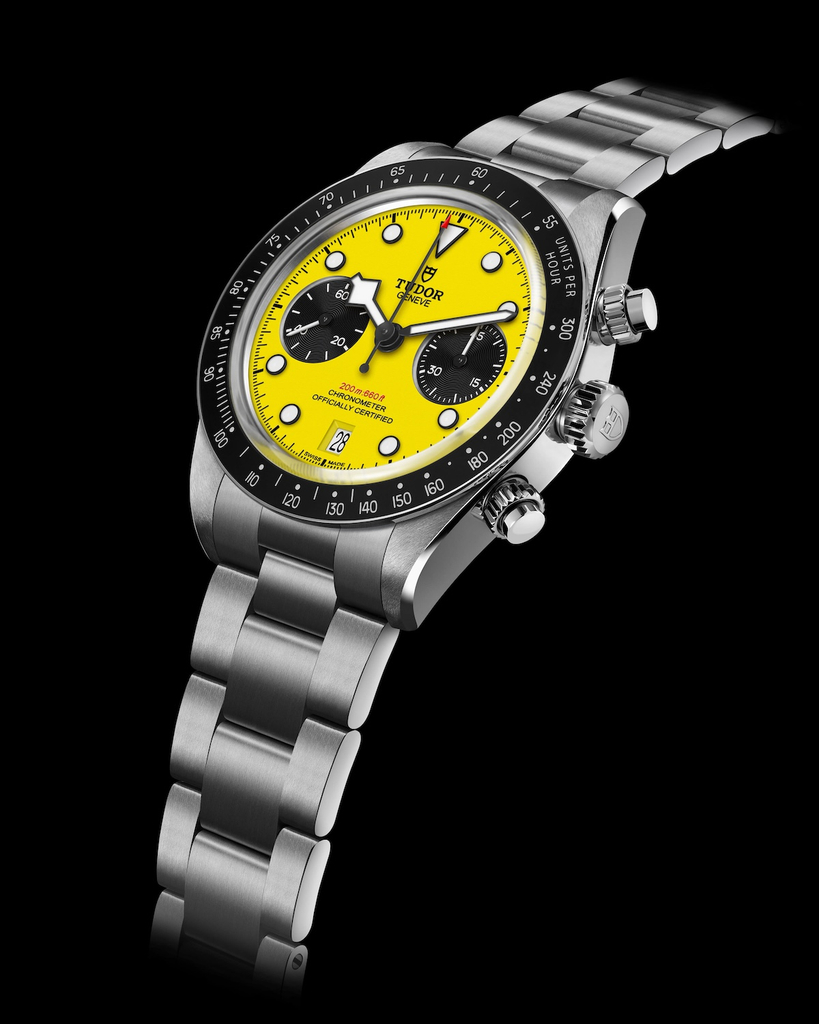
Nicknamed the “Bumblebee,” the debut version pairs its new steel case with a bright yellow dial and contrasting black subdials, plus a black aluminum tachymeter bezel and new three-link bracelet with Tudor’s T-fit clasp.
Inside is the same COSC-certified Caliber MT5813 found in the 41mm Black Bay Chrono, complete with a column wheel, vertical clutch, and approximately 70 hours of power reserve. Yellow is a banger of a color to kick things off, and I’m already looking forward to seeing what other dial options Tudor has in store for the Chrono 39.
More on Tudor:

H. Moser & Cie. Streamliner Two Hands
H. Moser & Cie. took the downsizing trend considerably further with the Streamliner Two Hands, introducing 34mm and 28mm versions of a collection previously dominated by 39mm and 40mm cases. I’ve always loved the Streamliner’s fluid case and integrated bracelet, so I’ve been particularly eager to get the new smaller versions on my wrist. I’m curious to see how well that distinctive Streamliner silhouette translates at this scale.
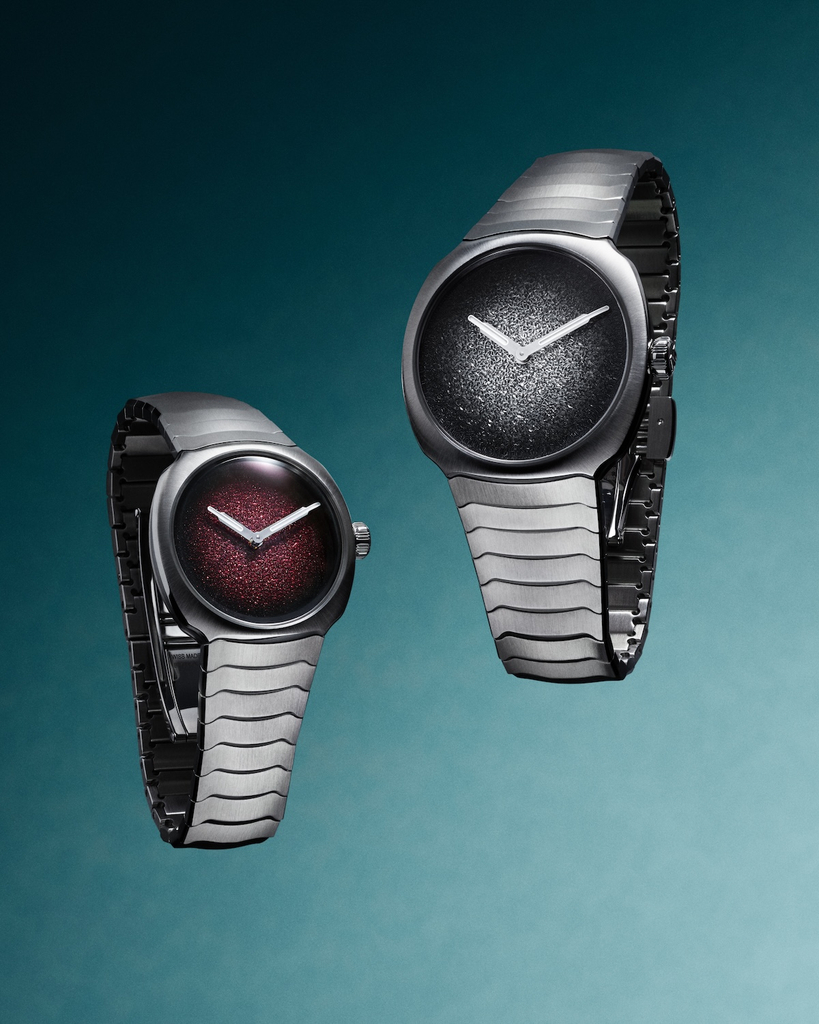
Both models strip the display down to hours and minutes, with index-free, manually engraved frosted fumé dials in Silver for the 34mm and Burgundy for the 28mm. Importantly, Moser didn’t use the smaller dimensions as an excuse to switch to quartz: both get automatic manufacture movements with at least 60 hours of power reserve, along with redesigned integrated steel bracelets and 120 meters of water resistance. The 28mm version also goes by the Mini Streamliner, and frankly, anything with the word “mini” in its name gets my immediate attention (looking at you, Miss Royal Oak Mini).
Jaeger-LeCoultre Reverso
Jaeger-LeCoultre isn’t being coy about the downsizing trend. For 2026, the brand has introduced a range of smaller Reversos, explicitly citing a renewed interest in compact proportions. The Reverso Tribute Duoface Small Seconds, for example, drops from 47 × 28.3mm to 42.9 × 25.5mm in its new “medium” size, bringing its proportions closer to the original Duoface models introduced in 1994.
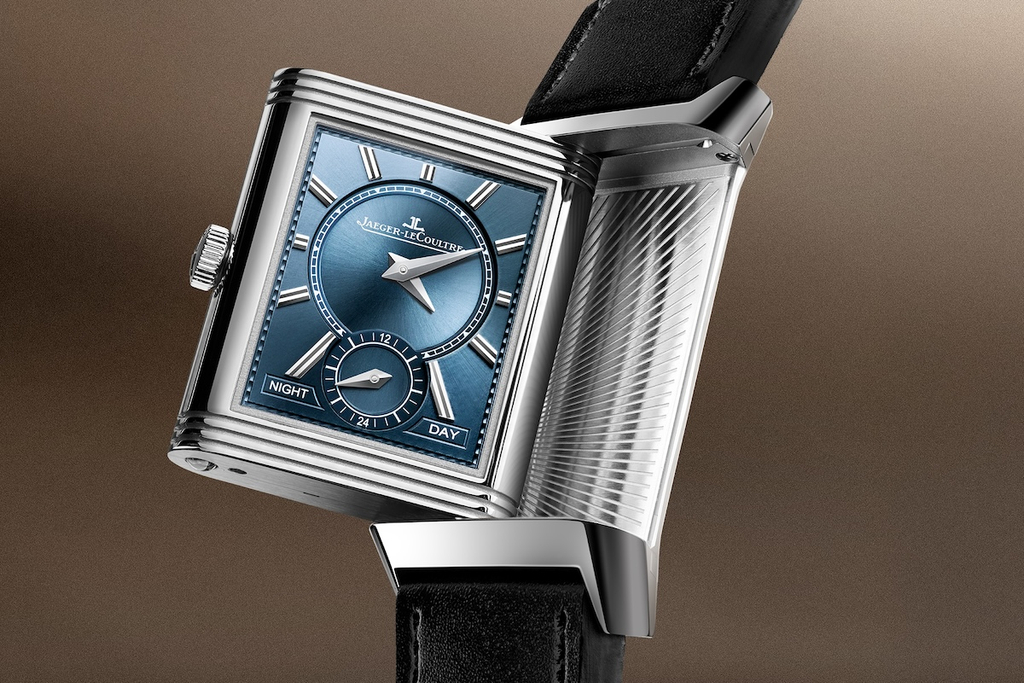
It’s joined by the Reverso Classic Small Monoface at 35.78 × 21mm and the Reverso Classic Small Duetto at 34.2 × 21mm, both powered by newly updated manual-winding movements with increased 50-hour power reserves. At the smallest end is the 32.5 × 16.3mm Reverso Classic Monoface “Origin,” which debuted in 2025 and gains a new diamond-set version this year. The releases make it pretty clear that smaller proportions aren’t a one-off experiment for the Reverso.
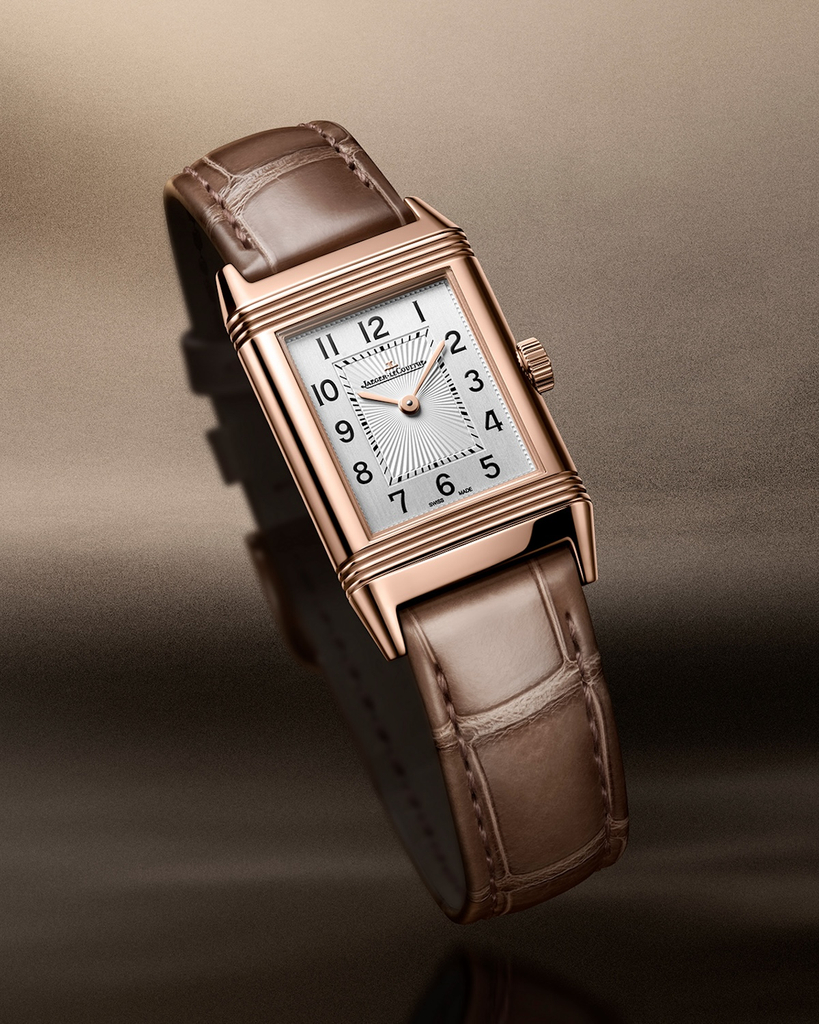
The return to more classic proportions is a particularly good move for the Reverso, in my opinion. Square and rectangular watches almost always wear larger than their dimensions suggest, and I find the Reverso looks less awkward at more traditional sizes. After years of Grande (and bulky Squadra) versions, it’s refreshing to see this classic Art Deco design returning to its elegantly compact roots.
Ulysse Nardin Freak X
The smaller dimensions are only part of the new-gen Freak X’s overhaul. Ulysse Nardin reengineered the watch around the new automatic Caliber UN-232, allowing the Freak X to shrink from 43mm to 41mm, with the lug-to-lug measurement dropping from 49.6mm to 47.3mm. The case itself is also slightly slimmer. While 41mm is by no means small, the downsizing should make the once-43mm Freak X easier to wear for a broader range of wrists.
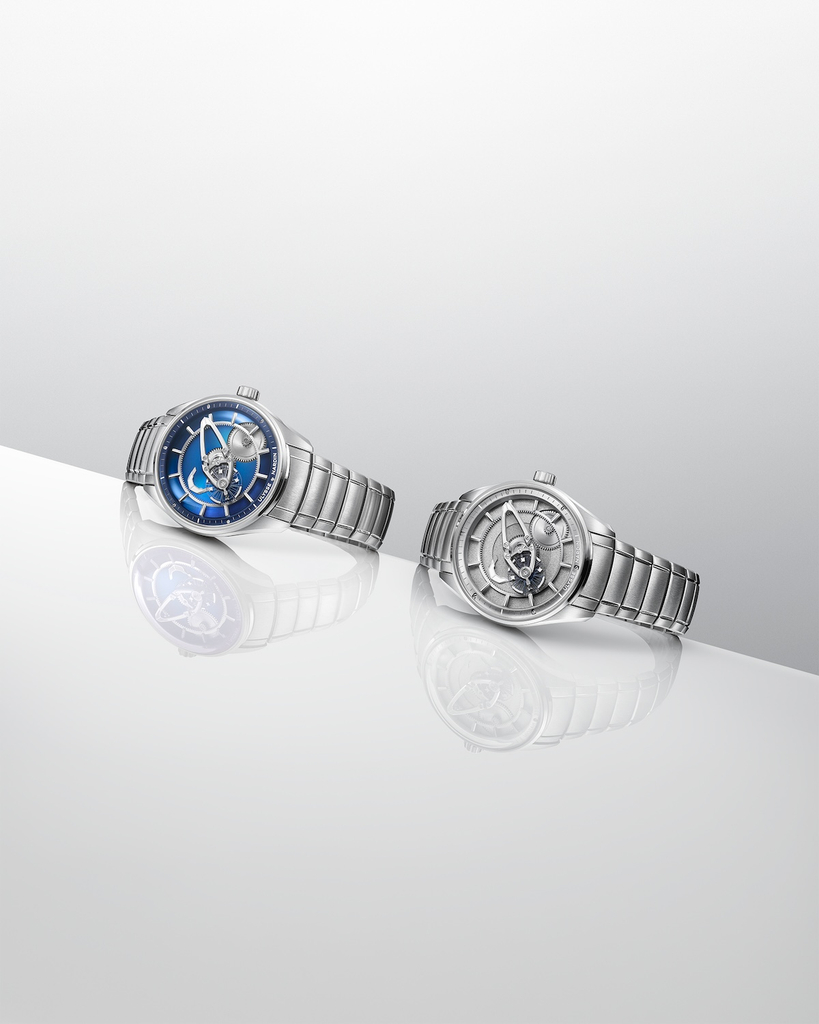
The new movement retains the Freak’s signature flying carousel display but introduces a rose gold micro-rotor, DIAMonSIL escapement, and 72-hour power reserve. The redesigned case also doubles water resistance from 50 to 100 meters and adds a screw-down crown, new glassbox sapphire crystal, and interchangeable strap system. Available in steel with gray or blue displays and rose gold with black, the smaller, second generation Freak X arguably packs more watch into less watch.
Santos de Cartier Chronograph
Cartier has given the Santos de Cartier Chronograph a substantial size reduction for 2026, replacing the previous Extra Large proportions with a new Large model. The case drops from 43.3mm to 39.8mm wide and from 51.4mm to 47.5mm long, while thickness falls from 12.5mm to 11.6mm. That’s a meaningful reduction for a watch that was previously available exclusively in a decidedly oversized format. The square Santos de Cartier has always been a big boy on the wrist, so downsizing the chronograph version will undoubtedly translate into an easier watch to wear.

The smaller case of the Santos Chronograph is part of a broader redesign that replaces the previous model’s unconventional single pusher at 9 o’clock with traditional chronograph pushers at 2 and 4 o’clock. Cartier has also reworked the three-register dial, although the automatic Caliber 1904-CH MC remains, along with 100 meters of water resistance and the Santos’ QuickSwitch and SmartLink systems. The new Large is available in steel, two-tone steel and yellow gold, or full yellow gold.
Bulgari Octo Finissimo 37
After more than a decade at 40mm, the Bulgari Octo Finissimo is shrinking to 37mm for 2026. But reducing such an exceptionally thin watch isn’t as simple as making the case smaller. Bulgari developed the new automatic Caliber BVF 100 specifically for the 37mm format, reducing the movement’s overall volume by 20% while still delivering a 72-hour power reserve. The resulting watch measures just 6.45mm thick. The new Octo Finissimo 37 is offered in titanium and 18k yellow gold.
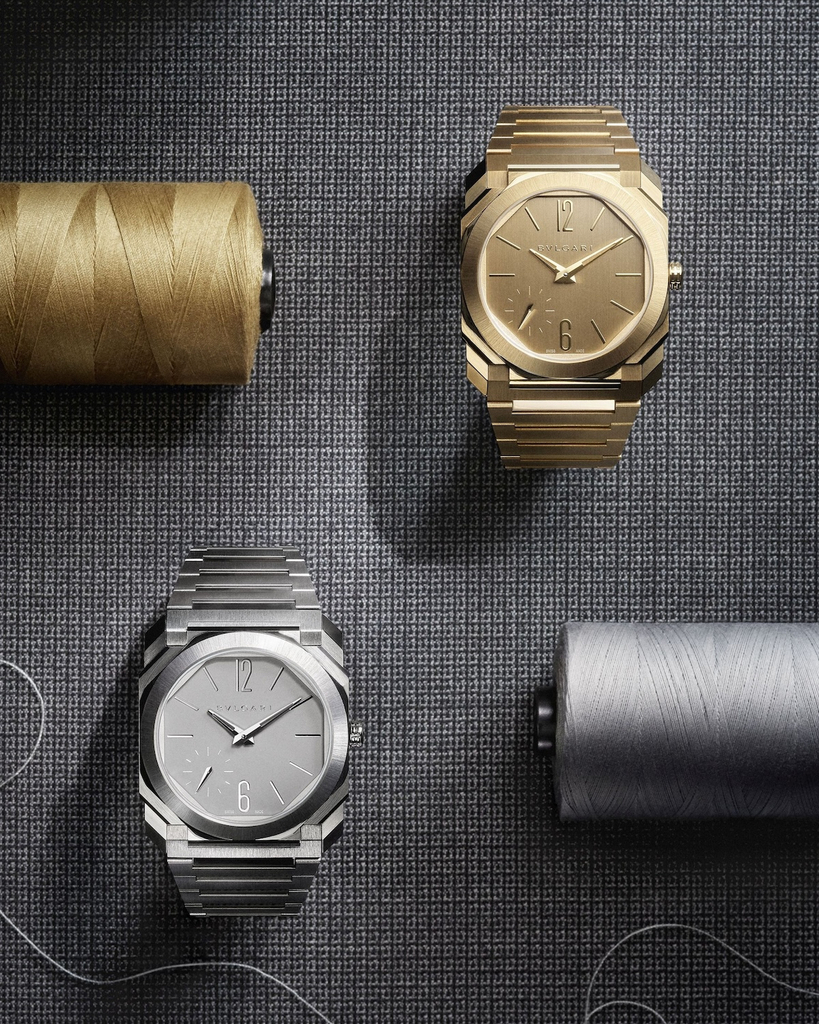
Bulgari isn’t positioning 37mm as a women’s version, either, instead describing the new proportions as suited to “any wrist.” I had the chance to try the 37mm Octo Finissimo on, and she’s a beauty. To me, the smaller case actually feels more proportional to the ultra-thinness of the watch. Previous versions always looked and felt a little too wide for me, but this one just works.
Omega Speedmaster 38
The Speedmaster 38 itself isn’t new, but what Omega has done with the collection this year says plenty about the shift toward smaller watches. Seven new references retain the existing 38mm case but move away from some of the more feminine details that previously defined the collection.
The oval subdials are gone in favor of traditional round registers, the dial text has been reduced, and the watches gain thicker Moonwatch-style bezels and new five-link bracelets. Omega itself says the changes bring the Speedmaster 38 closer to the design codes of the Moonwatch.
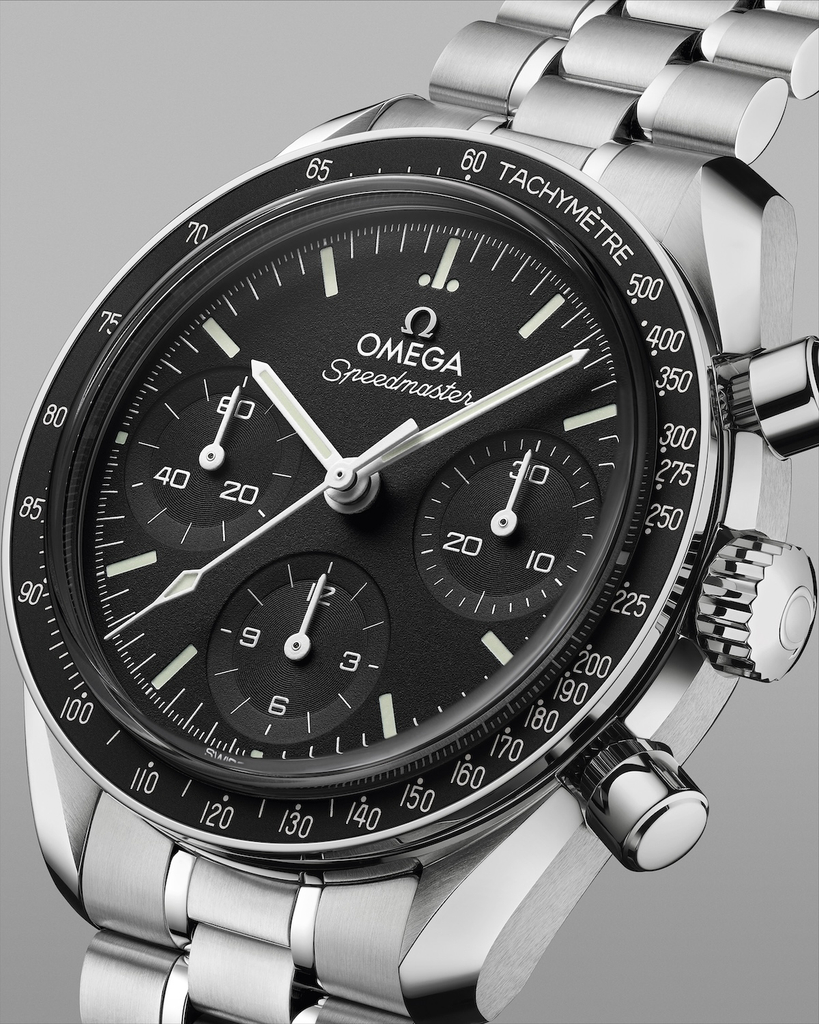
The black-dial version takes that idea furthest, even dropping the date for a cleaner, more traditional Speedmaster layout. The result feels less like a smaller Speedmaster aimed specifically at women and more like a compact Speedmaster for anyone who wants one. In some ways, it also brings Omega back to the idea behind the old Speedmaster Reduced: a smaller automatic alternative to the 42mm Moonwatch.
More on the Omega Speedmaster:
Patek Philippe Brings Back the Midsize
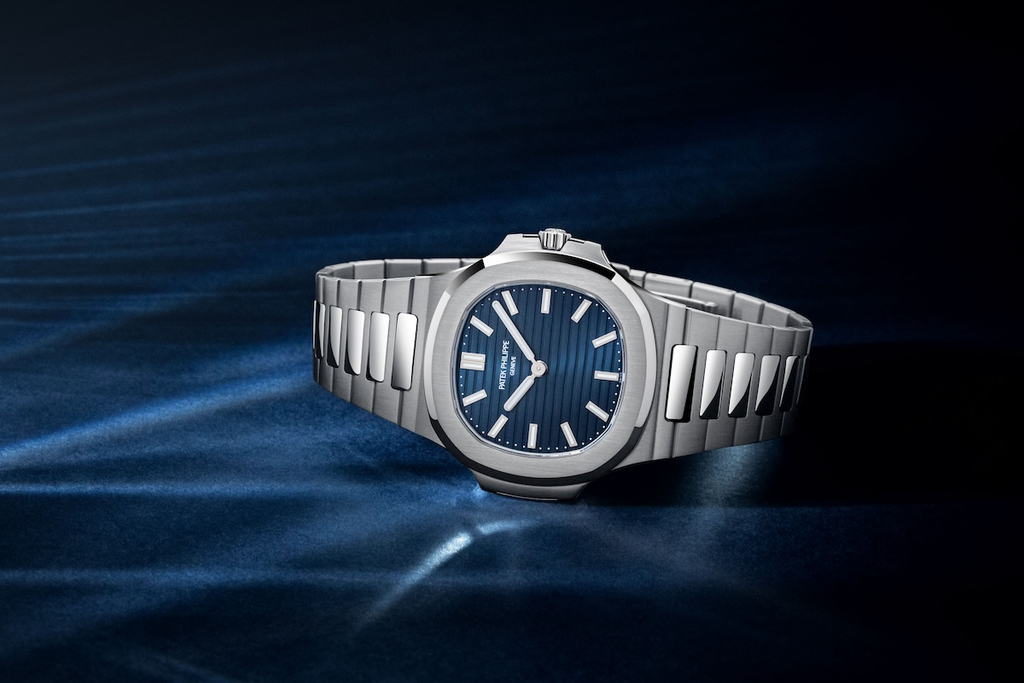
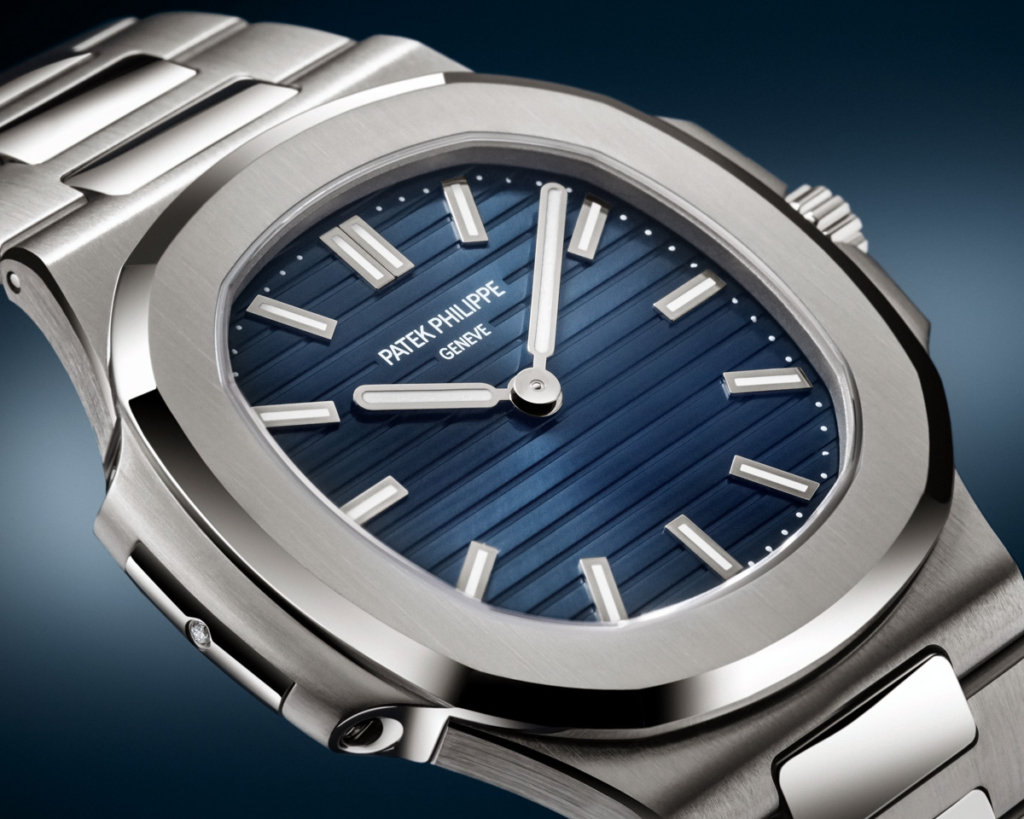
For 2026, Patek Philippe isn’t simply making one watch smaller; it’s bringing back midsize proportions across two of its best-known designs. Celebrating the Nautilus’s 50th anniversary, the new-for-2026 ref. 5610/1P measures 38mm across and just 6.9mm thick, with Patek itself describing the platinum limited edition as marking the return of a medium size first introduced in the 1980s.
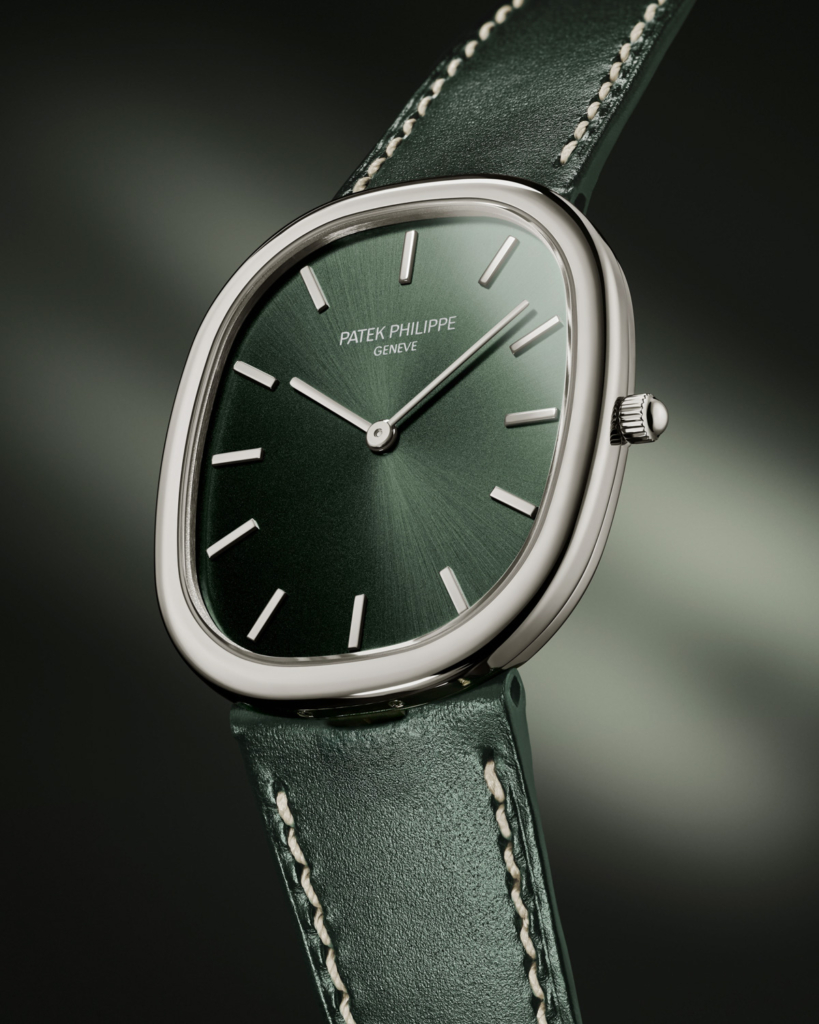
The Golden Ellipse follows a similar path with the return of the medium-size ref. 3738. Measuring 31.1 × 35.6mm, the new white gold model sits alongside the larger 34.5 × 39.5mm Golden Ellipse and comes with an olive-green dial and ultra-thin automatic Caliber 240. The brand is essentially reaching back into its own history to revive sizes that had fallen out of fashion during the era of bigger watches—and I’m happy for it.
The Appeal of Smaller Watches
If 2026’s releases tell us anything, it’s that downsizing no longer means compromise. Complications are fitting into smaller cases, chronographs are shedding millimeters, and midsize watches are being revived or repositioned for anyone who wants to wear them.
There’s also something appealing about seeing certain watches return closer to the proportions in which they were originally conceived. Plenty of classic designs grew considerably during the bigger-is-better years, and somewhere along the way, some lost a little of the elegance that came with their more compact dimensions. Bigger isn’t inherently better, and neither is smaller; sometimes, it’s simply a matter of getting the proportions right.
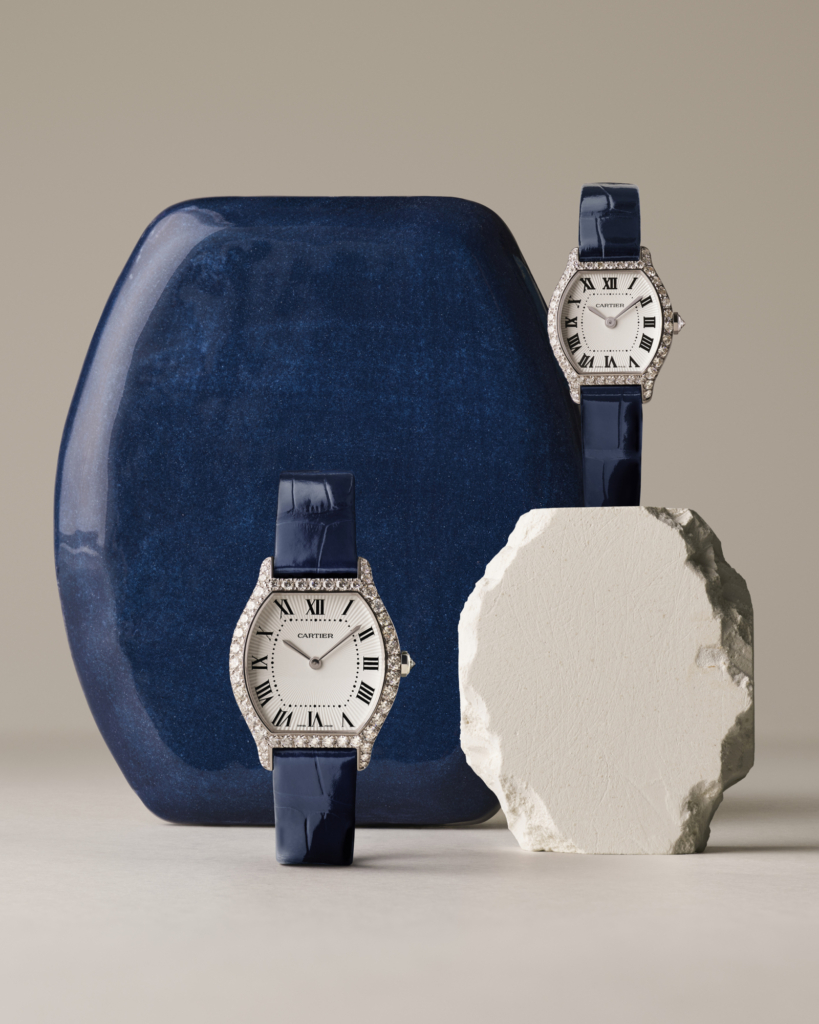
As a card-carrying member of the tiny wrist club, I’m particularly happy about this downsized watches trend. Smaller case sizes open up a whole new range of watches that I might previously have admired but never seriously considered wearing, and I’m sure I’m not alone. Better yet, brands aren’t necessarily abandoning larger models to make this happen; in many cases, they’re simply giving us more choice. After decades of watches getting progressively bigger, it’s nice to see the industry remember that sometimes, less really is more.


Leave a Reply