What’s Up With Rolex’s Low Amplitude Issues?

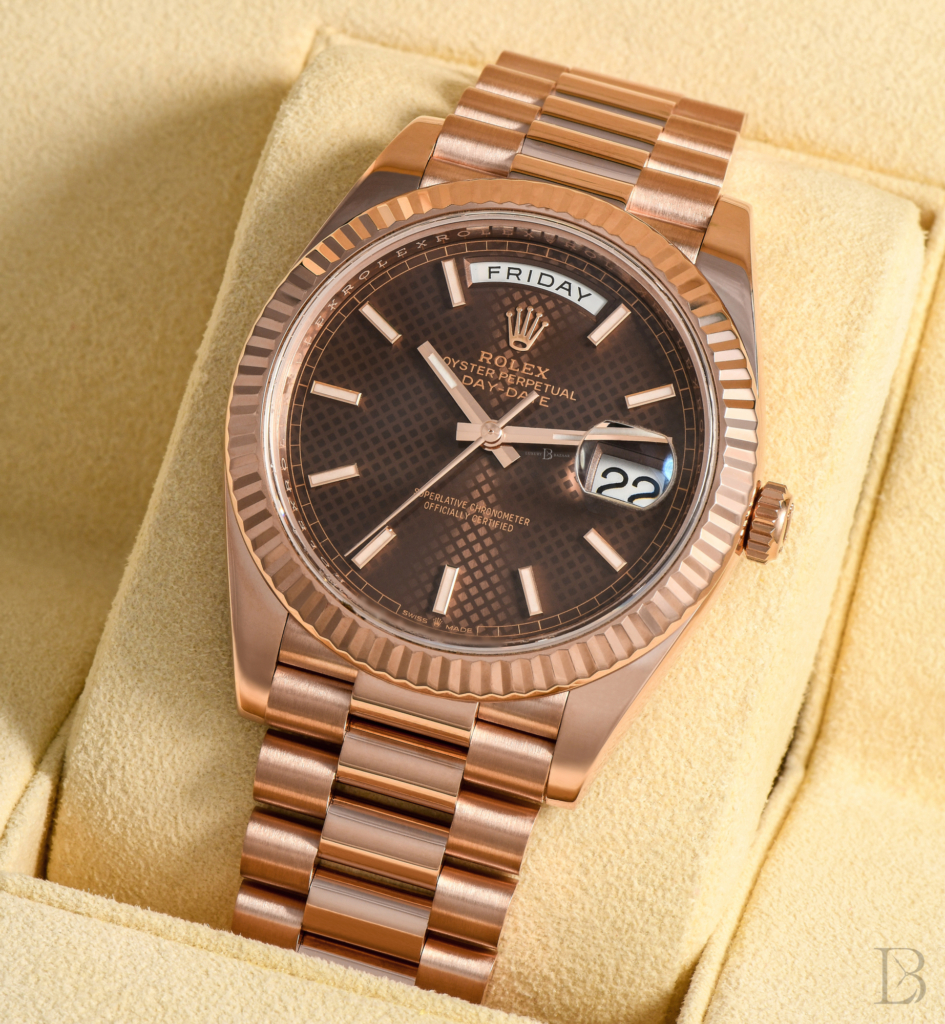
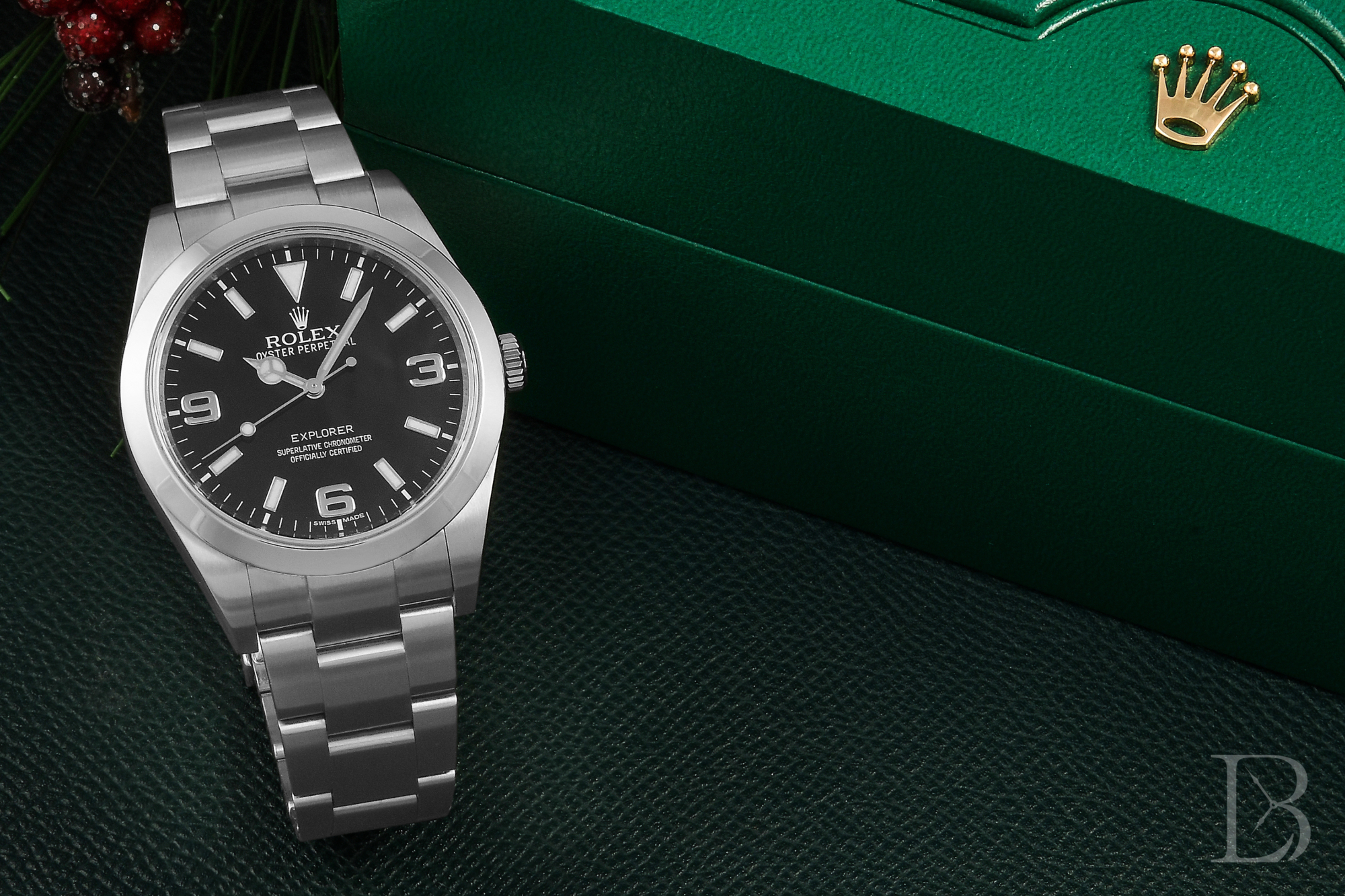
In 2015, Rolex unveiled their 32xx family of movements, the first of which was the caliber 3255 powering the Day-Date 40. 32xx movements slowly replaced the older 31xx movements throughout the Rolex lineup, and reports of low movement amplitude became surprisingly prevalent. Some people view the Rolex 32xx low amplitude issues as a major misstep by Rolex, while others consider it to be a complete nothing-burger. As with many contentious issues, I believe, the truth is somewhere in the middle.
How Common are Rolex 32xx Amplitude Issues?
An infamous poll on the Rolex Forums, started in 2021, showed over 30% of respondents reporting low amplitude on their 32xx Rolex movements. But users with problems are likely overrepresented by the very nature of the thread, and the complaints seem to have become sparser in recent times. And even for watches that do have amplitude issues, most of their owners may never notice, because they still usually keep time within ±10 seconds per day (although Rolex’s superlative chronometer standard means they’re supposed to be within ±2 seconds per day).
Has Rolex Issued a Fix?
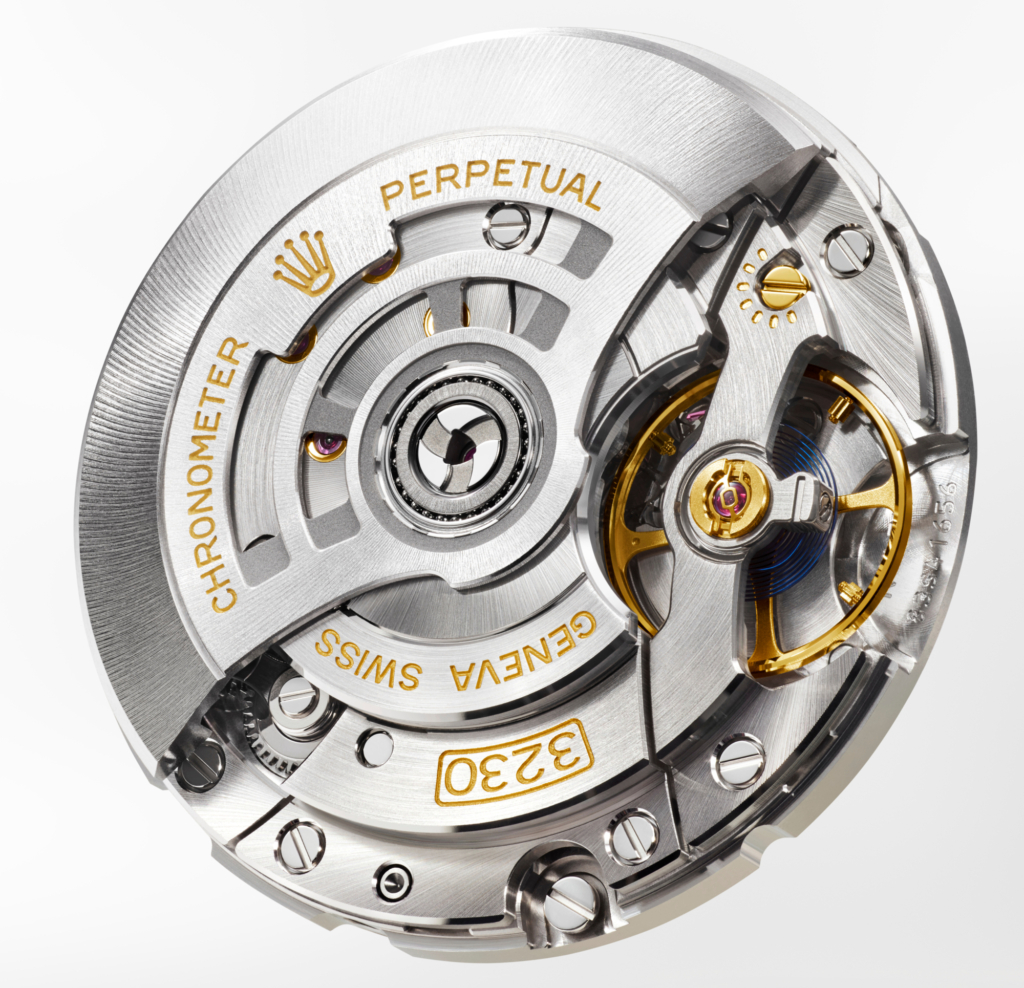
Whether or not the Rolex 32xx amplitude issues have been truly fixed is often debated. When Rolex makes revisions, they’re quiet about it. We know that Rolex did their first “fix” around 2022, which resulted in a rotor with more ball bearings, although watchmakers tend to be in agreement that it wasn’t a true/complete fix of the core problem.
Some feel that Rolex simply stretched their power reserve aspirations a few hours too far (power reserve and robust amplitude are basically mechanically competing goals).
I’ve also heard rumors of a “second fix” in 2024 which was more successful, and that could be plausible based on the apparent decreased amount of chatter about the issue, but we can’t confirm it.
Regardless of how many times Rolex has in fact revised the 32xx calibers, if you’re having issues with yours, Rolex should happily take care of it under warranty (unless it’s over 5 years old, in which case you’ll have to pay) and give it all the updates it needs.
And of course all the watches sold by Luxury Bazaar are checked to be running well and we stand behind them with our own warranty. So, honestly, the low amplitude stuff is not something I would worry too much about, nor is it anything that would discourage me from getting a Rolex with a 32xx inside.
What is Amplitude?
Amplitude is the number of degrees that the balance wheel in a watch is swinging back and forth. An amplitude of 200° means the balance wheel swings 200° from center each way (so end-to-end it’s a 400° swing). So, amplitude can show how efficiently a movement is delivering energy to its balance wheel, and it can be a useful indicator of a watch’s overall mechanical health.
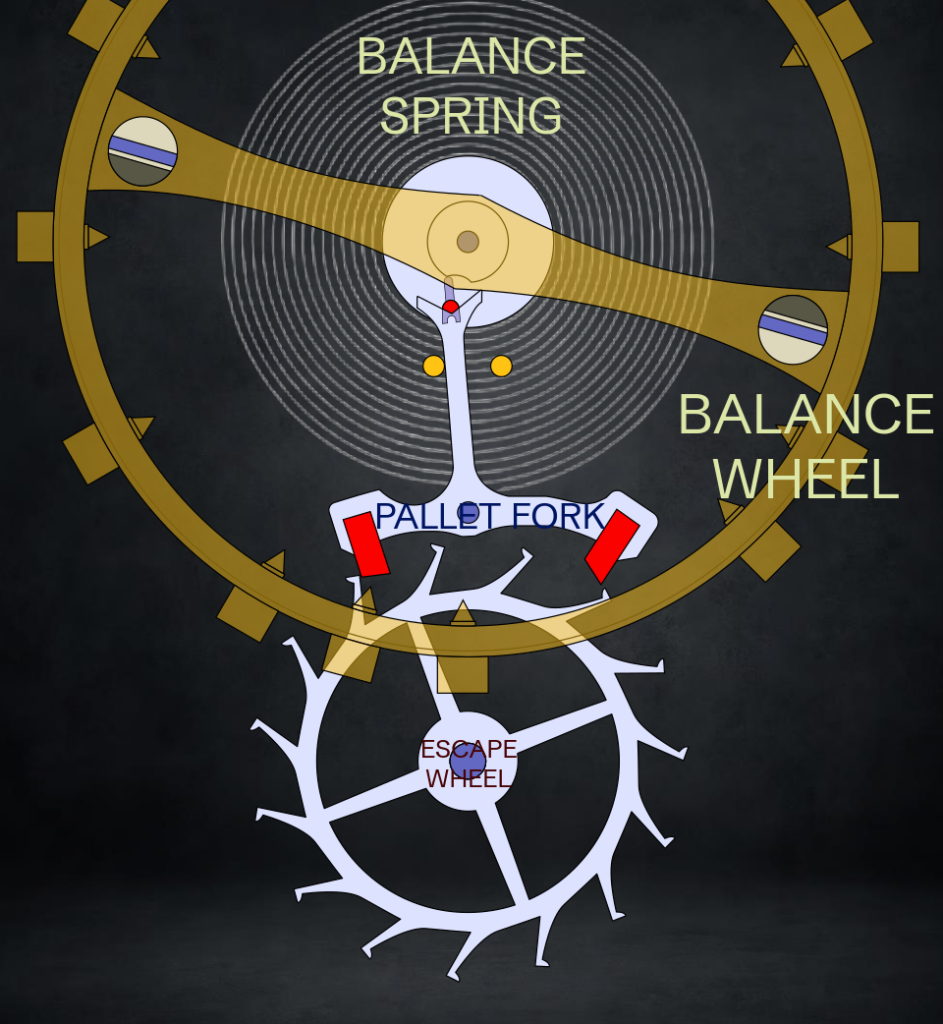
A mechanical watch stores its energy in its mainspring, then transmits it through its gear train to the escapement. The escapement (usually a Swiss lever escapement) effectively meters the energy into timed impulses, i.e. “units of time.” Without an escapement, the mainspring would simply unwind and release all its energy at once. But the escapement has no way to measure how long a second is without a regulating organ (balance wheel + balance spring).
In an upright pendulum clock, gravity pulls a displaced pendulum bob back towards the center. In a typical mechanical watch, the balance wheel acts as a “circular mini-pendulum” and the balance spring provides the restoring force that gravity would provide in a pendulum. The wheel’s moment of inertia and the spring’s stiffness (rather than gravity and pendulum length) set the natural frequency. So, in short, “how strongly your mini-pendulum is swinging” is a reasonable fundamental understanding of amplitude.
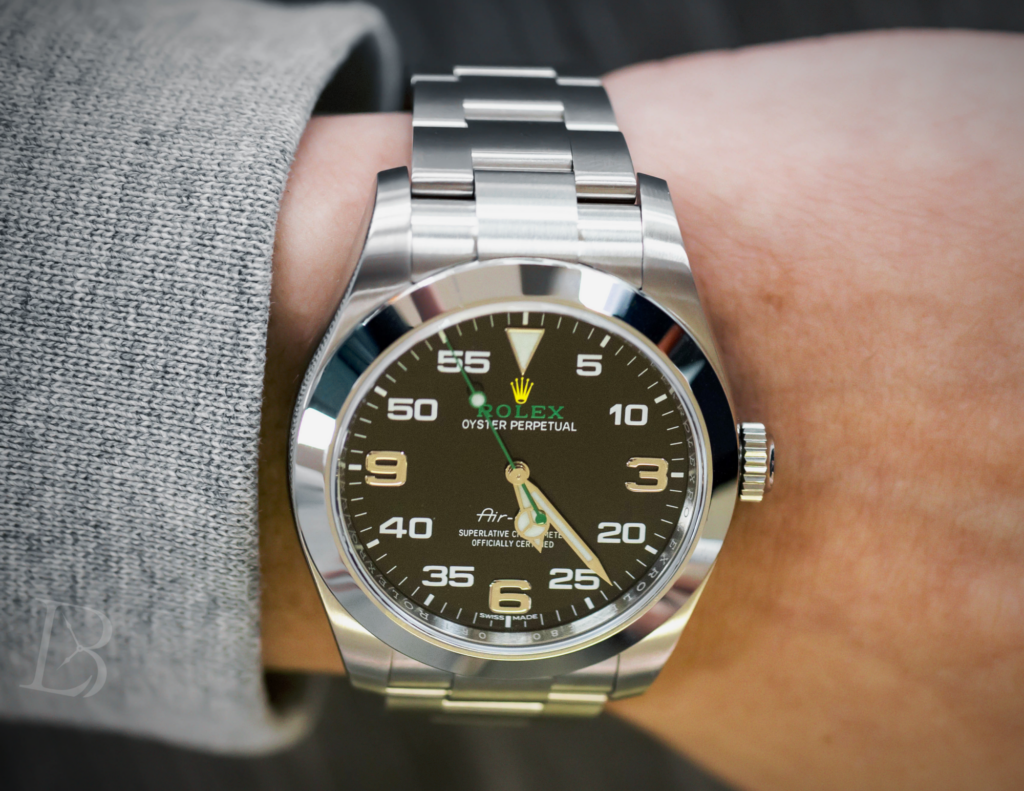
But when it comes to amplitude, a higher number isn’t always better. Different movements are engineered to have different amplitudes, and 32xx calibers should stay between 200°-310° after 24 hours, according to Rolex documentation. The problem is, many reportedly fall below 200°.
Are the Rolex Amplitude Issues Exclusive to the 32xx Calibers?
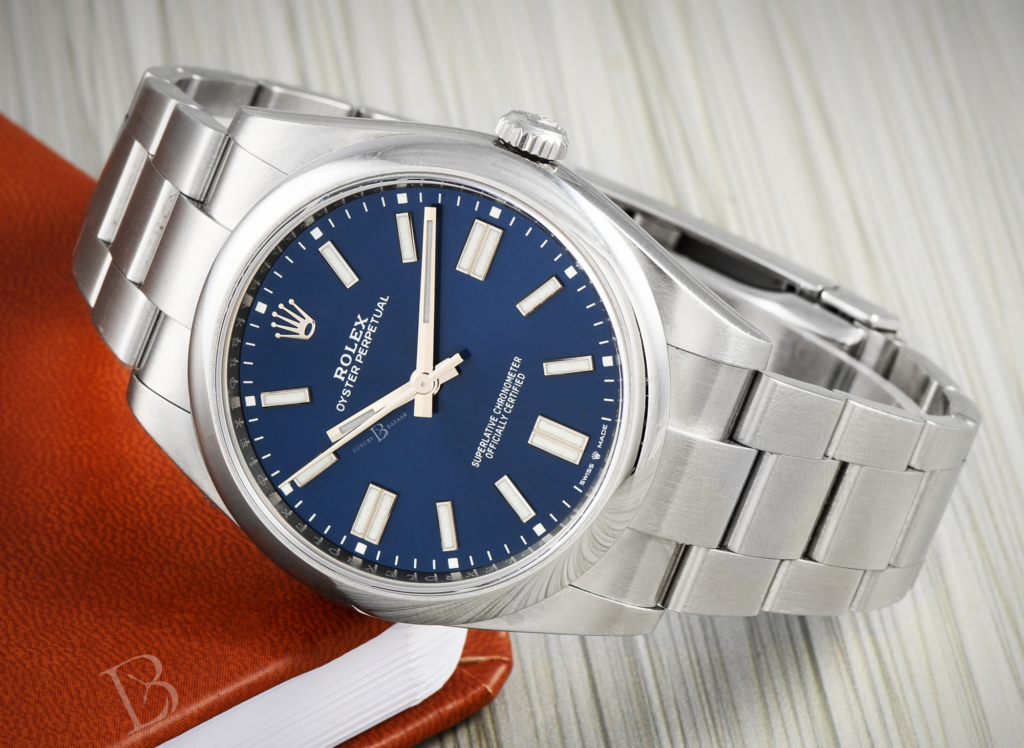
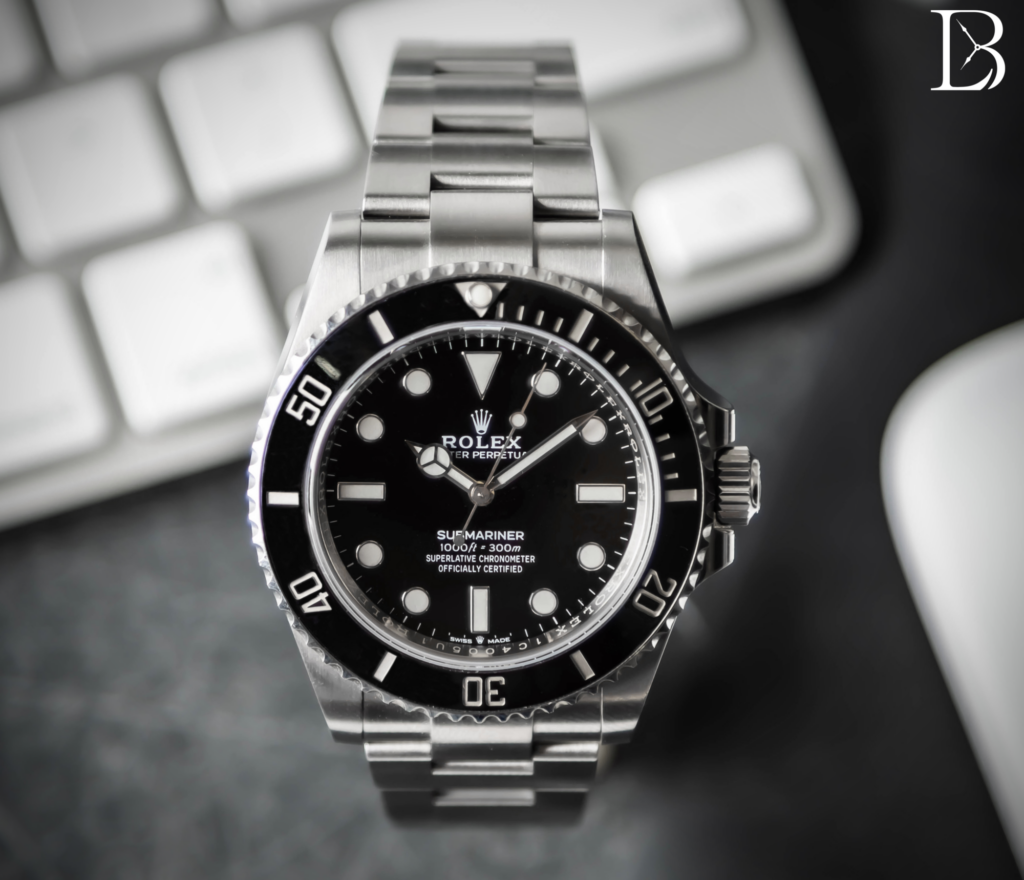
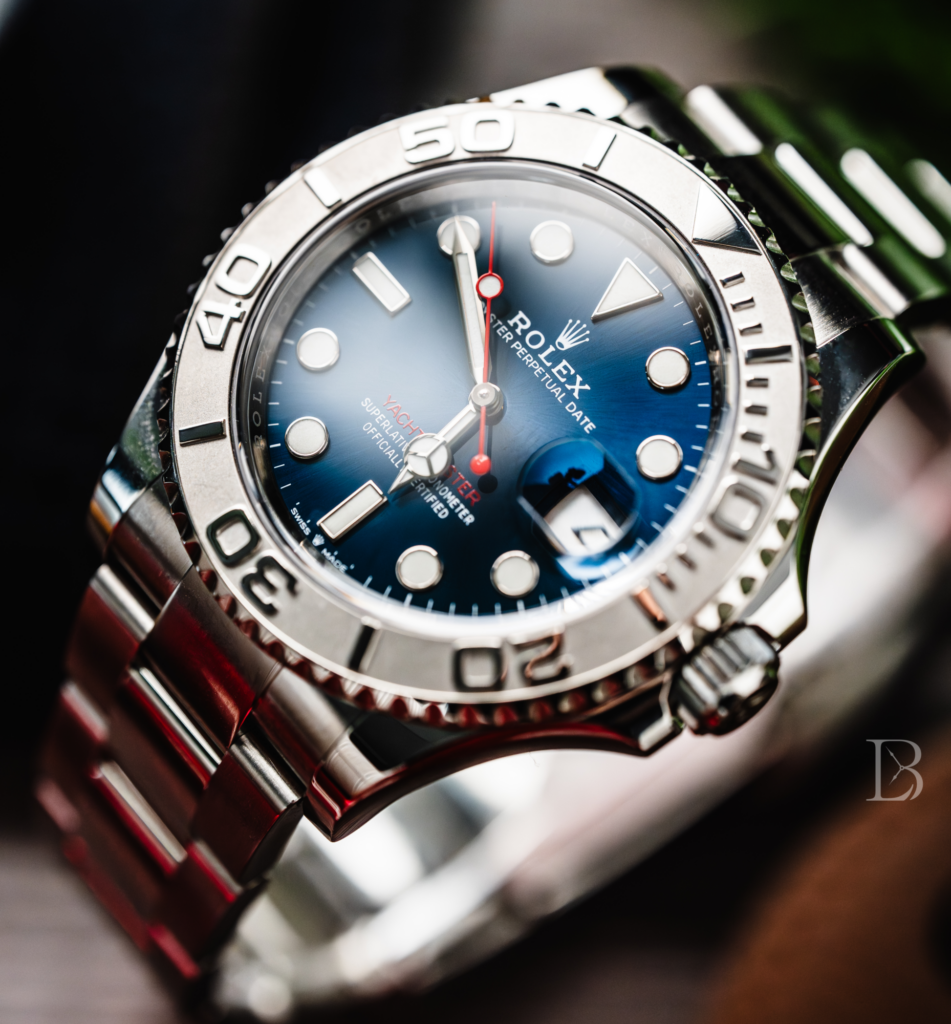
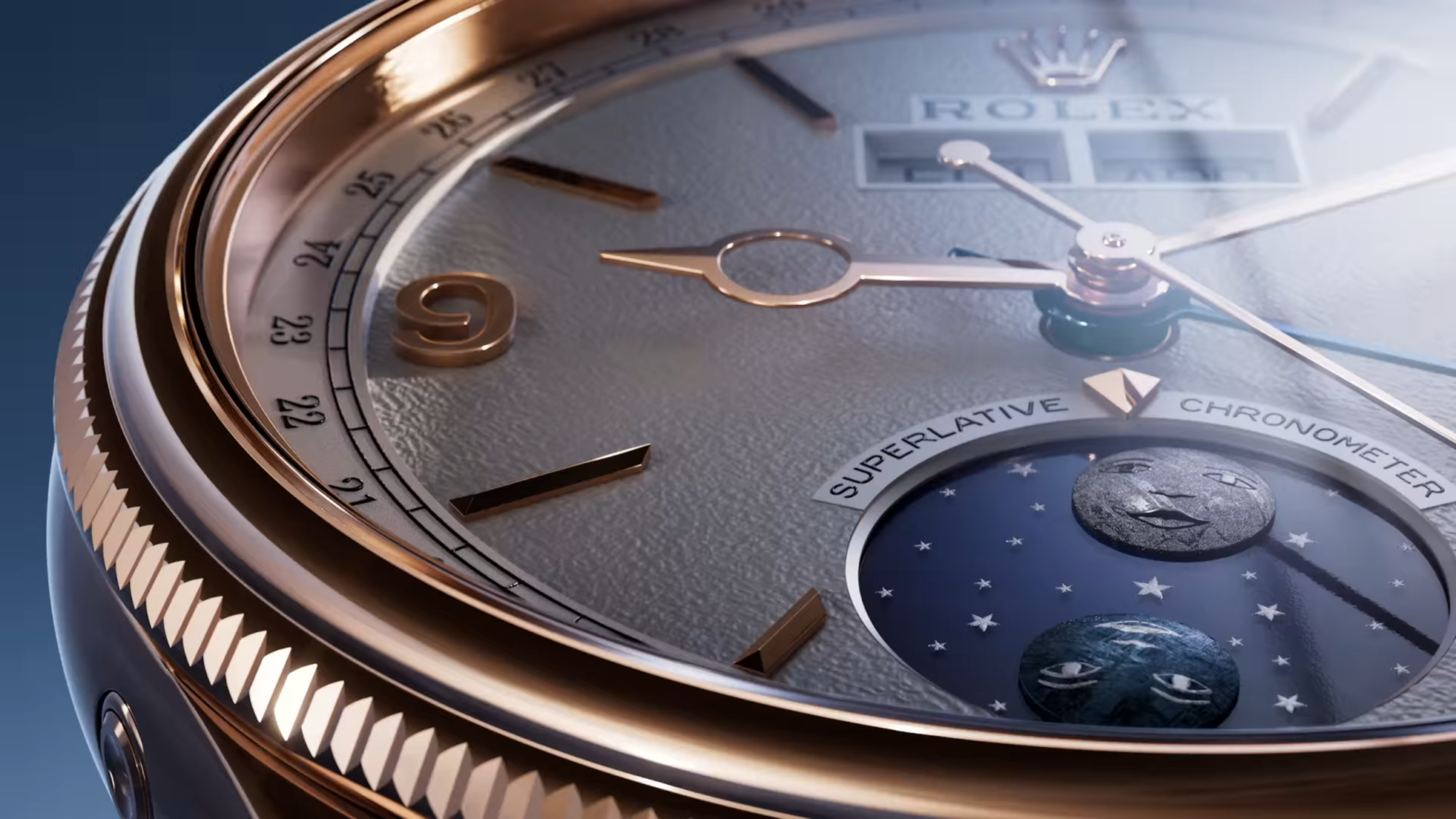
Yes, the low amplitude issues seem to only be a problem with Rolex 32xx calibers, so models with 22xx ladies’ movements (anything under 36mm, plus the Yacht-Master 37) are unaffected. The Rolex Daytona and Sky-Dweller also seem to be unaffected. As far as we know the 71xx calibers seem fine as well (Perpetual 1908, Perpetual Padellone and Land-Dweller).
What Next?
Ultimately, the low amplitude issues of the 32xx are (or at the very least, were) a very real thing. But, no mechanical watch movement is perfect in every way. I don’t think the 32xx family of movements is an utter embarrassment or anything like that, because it did herald a new higher standard of timekeeping–the ±2 seconds per day standard is the most precise in the industry for an entire watch catalog.
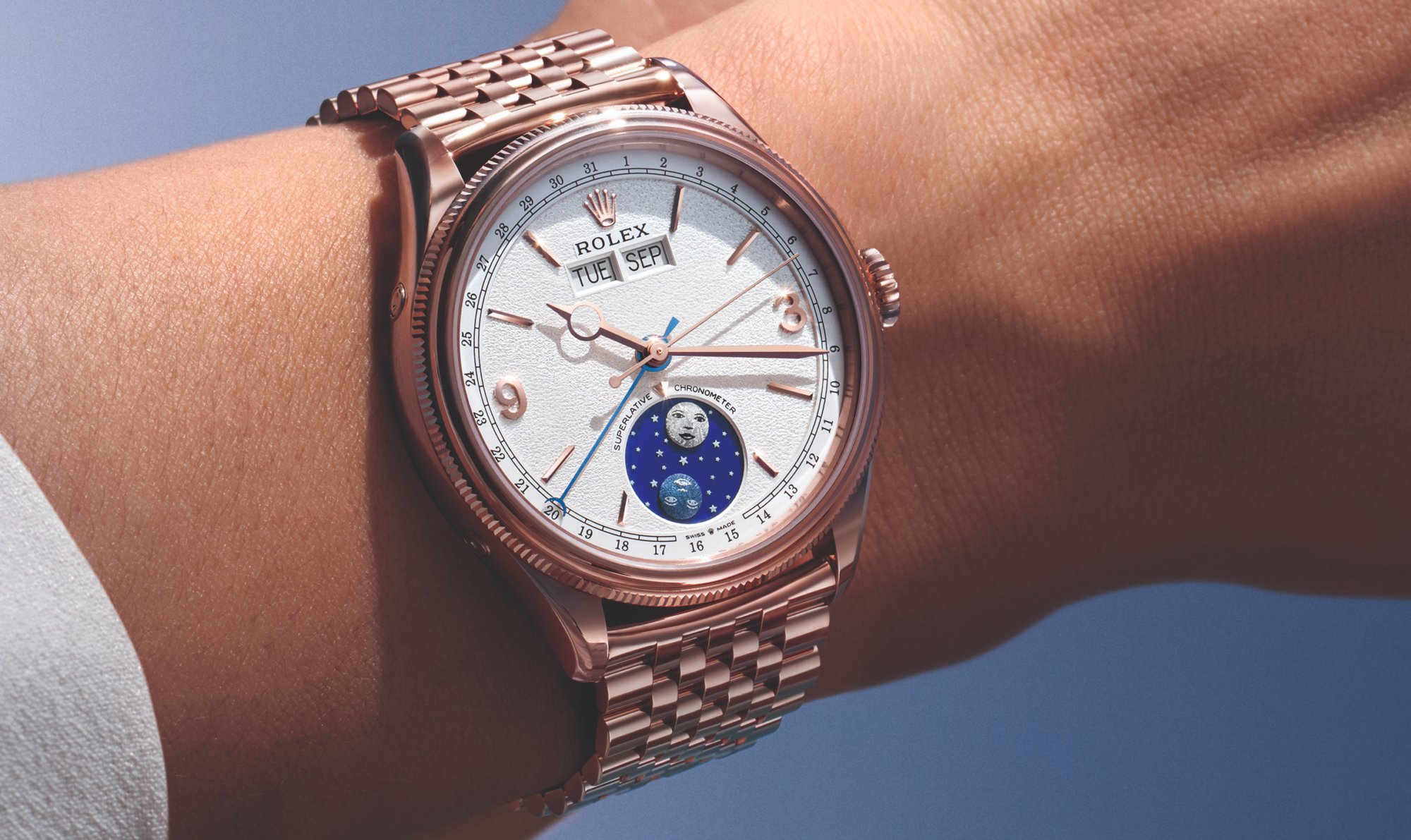
But I also don’t think that the 32xx lineup will have a 35-year run like its predecessor did. The brand’s two newest models–the Rolex Perpetual Padellone and the Land-Dweller–both sport the impressive dual-indirect-impulse Dynapulse escapement, and I expect upcoming new models to follow that trend.



Leave a Reply