The Rolex “Low Mag Cyclops” Debacle of 2014

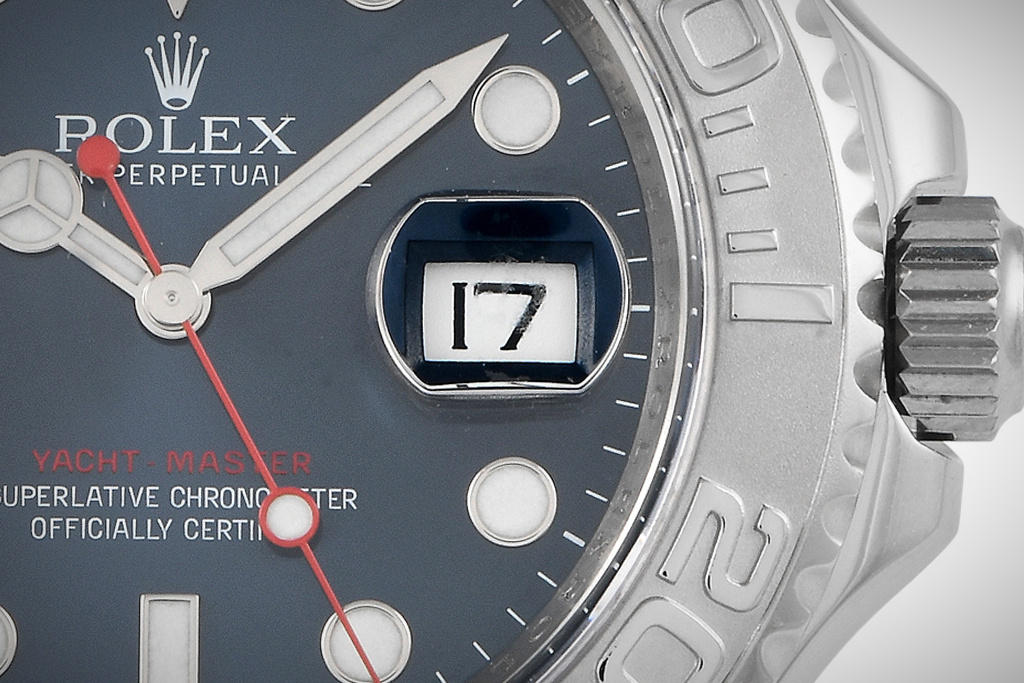
Rolex makes well over a million watches per year while (usually) maintaining exceptionally tight quality control standards. Plenty of even-pricier watch brands offer more intricate finishing, but when it comes to fundamental quality and reliability issues, I would say Rolex is objectively excellent. That’s why it’s notable that, in 2014, Rolex sold a huge number of sports watches with cyclops magnifiers that barely magnified the date at all. Here’s a quick breakdown of the Rolex low mag cyclops saga.
What Rolex Models are Affected by the Low Mag Cyclops?
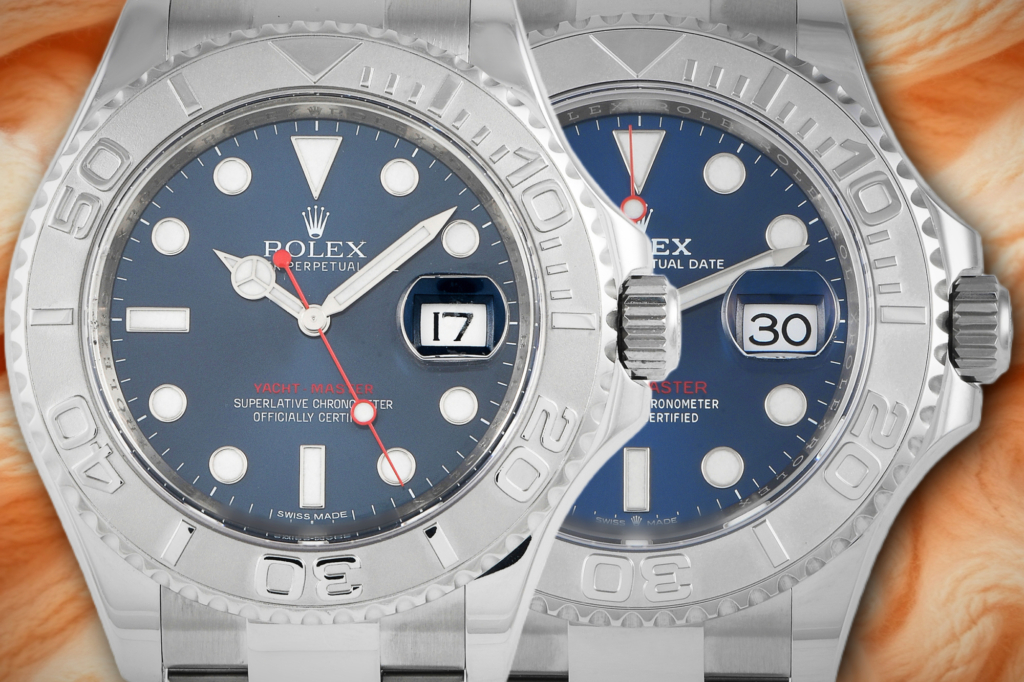
Rolex’s “low mag cyclops” woes peaked in 2014, with some perhaps made as early as 2013 or as late as 2015. It seemed to only affect certain batches of watches with a diameter of 40-42mm like the Submariner Date, Yacht-Master 40, Explorer II, Sky-Dweller and GMT-Master II. I estimate that as many as 1 in 3 Rolex sports watches with a date had the low mag issue during the problem period.
Did Rolex Publicly Acknowledge the Low Mag Issue?
Rolex has never issued a statement about the low mag cyclops fiasco, but they definitely know about it. The issue was so widespread that in late 2014, Rolex removed all mentions of 2.5x magnification from their website–a long-standard Rolex spec.
Will Rolex Replace Them?
Yes, if you have a 2014ish Rolex with an under-magnified date, any Rolex Service Center should be willing to give you a new one free of charge.
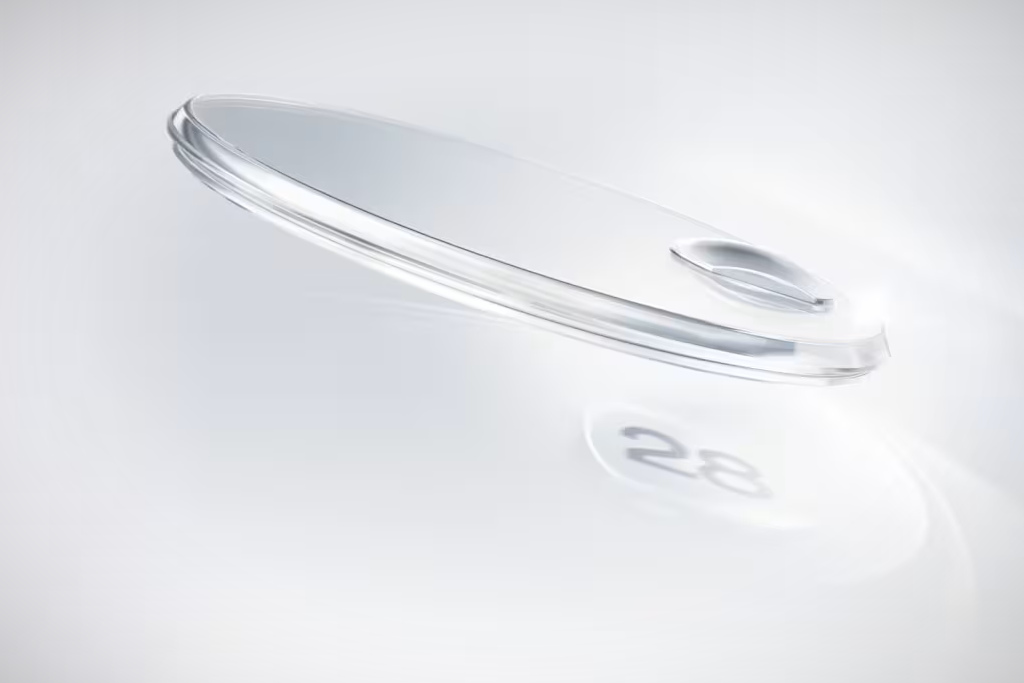
While the Rolex supply chain is notoriously vertically integrated, sapphire crystals are one of the few parts they don’t make from scratch themselves. I don’t know if there was an issue with a supplier in 2014 or if Rolex was just having issues on their end, but the low mag cyclops saga was certainly unexpected from a brand like them.
Final Thoughts on the Rolex Low Mag Cyclops
It’s difficult to manufacture over a million watches annually while maintaining very high standards, so little quirks are bound to pop up every now and again. I am a bit surprised at the volume of watches affected by this issue, though, especially because low magnification has long been regarded as one of the ways to spot a fake Rolex.
While some defects can cause Rolex watches to become collectible, like white paint that fades to an appealing cream, I don’t expect anyone to ever pay a premium for a Rolex with a low mag cyclops. But if you have one, hey, that’s neat. And it’s easy to get a proper 2.5x cyclops anytime you want.
More on Rolex:






Leave a Reply