Rolex’s Use of Anti-Reflective Coating Explained

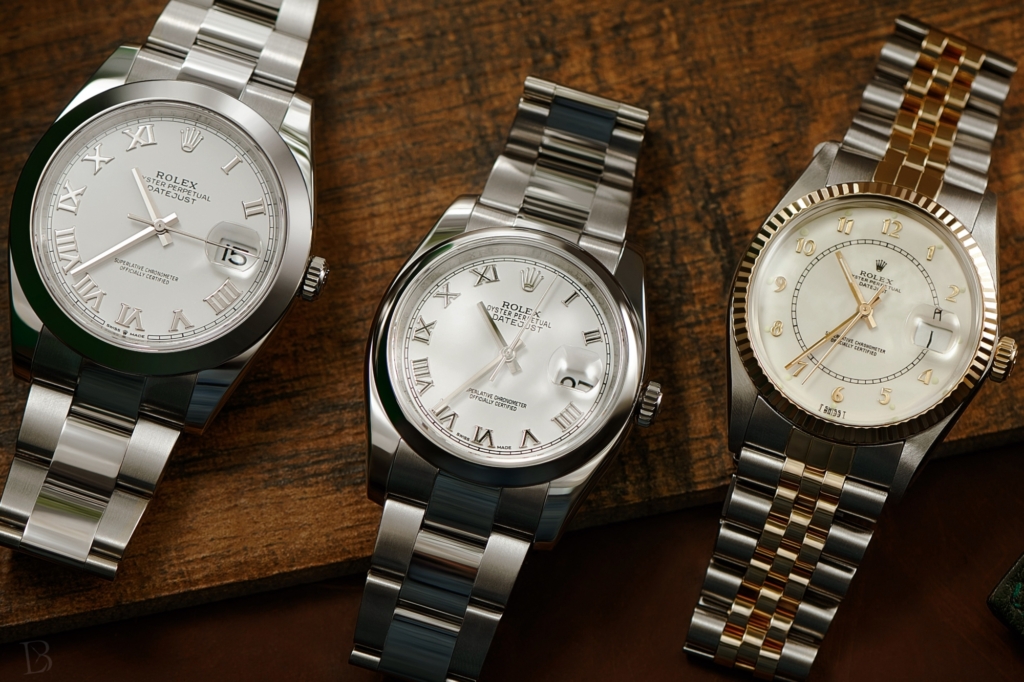
Before 2005, Rolex never used anti-reflective (AR) coating on their watch crystals at all. AR coating is useful for cutting down on glare and improving legibility, but it can easily get scratched if it’s applied to the top of a crystal. That’s why Rolex mostly uses AR coating on the underside. We’ve put together this guide to clearly explain Rolex’s use of AR coating over time.
What is AR Coating?
Anti-reflective coating as we know it was pioneered by Alexander Smakula in the 1930s. When light hits glass, most of it passes through but some is reflected back (glare). When a transparent layer is added on top of that, most light still passes through, but some will reflect off the coating while some will reflect off the glass itself.
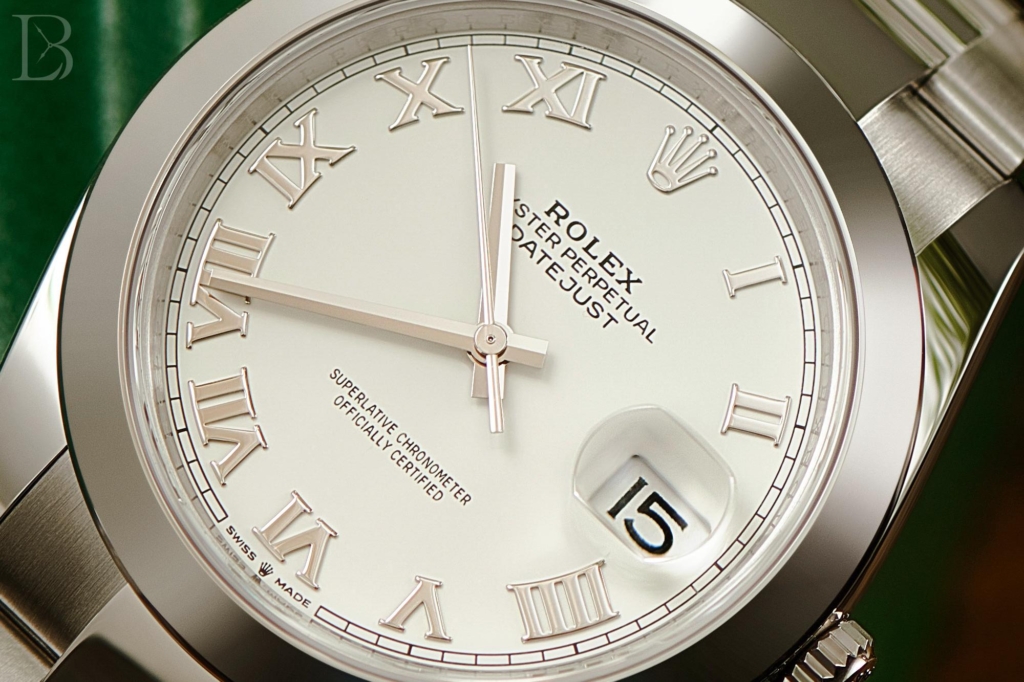
Anti-reflective coating has a very specific thickness and refractive index that makes those two “layers” of reflection effectively cancel each other out. Picture a five-foot wave meeting a five-foot trough–they will roughly zero out. The same principle applies to waves of light.
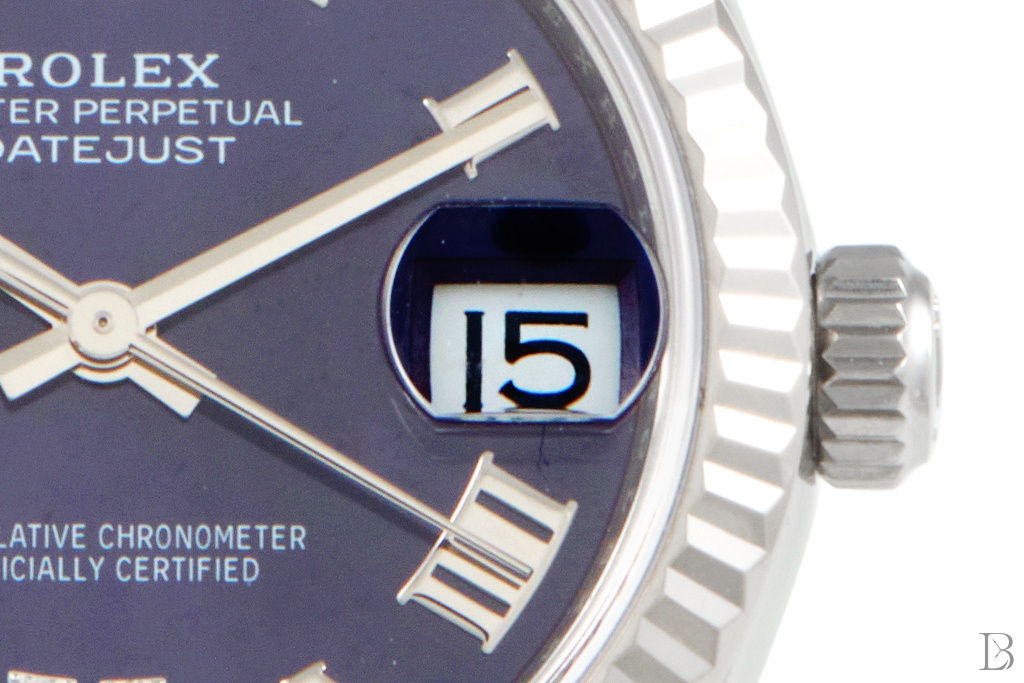
AR coating wasn’t really necessary when watches still all had acrylic crystals. Plastic crystals just aren’t that reflective. But sapphire crystals are, which is why AR coating started to get popular on luxury watches in the late 20th century.
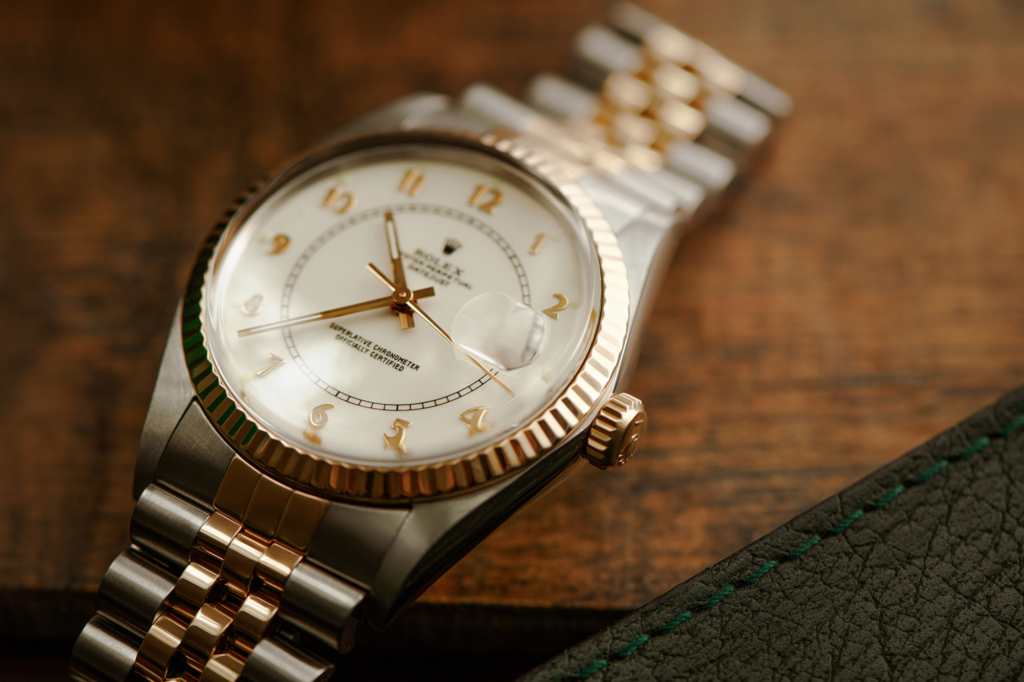
When anti-reflective film gets scratched (which it often does), it tends to get a rainbowy “oily puddle” look. So I can see why Rolex, with their constant focus on durability, was hesitant to jump on the AR bandwagon.
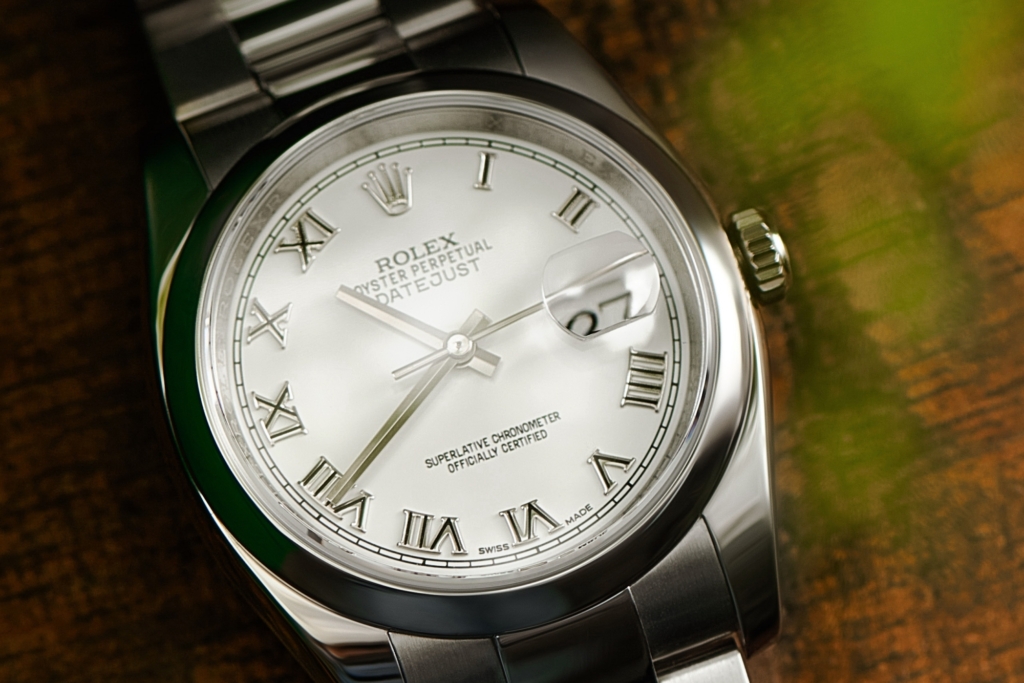
Now let’s break down the timeline of Rolex’s anti-reflective rollout, which spanned nearly two decades.
Rolex AR Coating Timeline
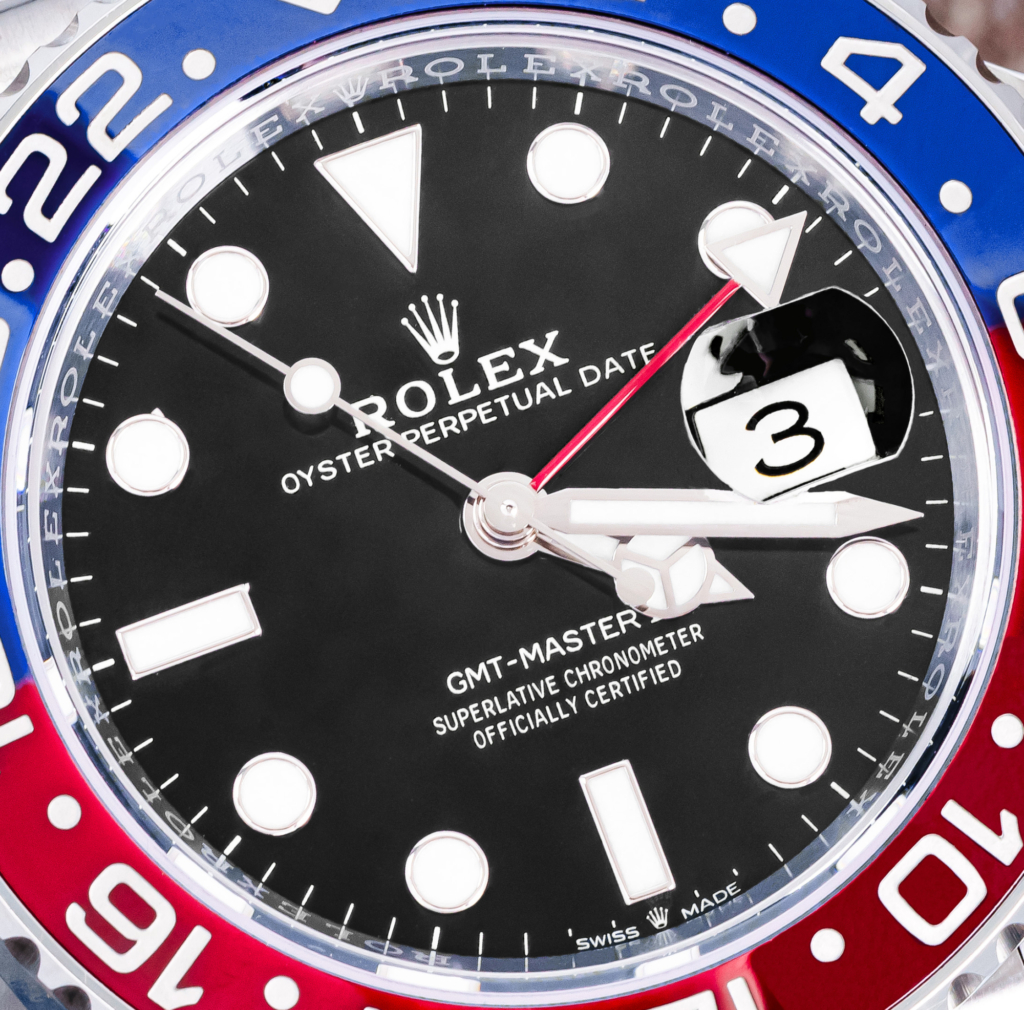
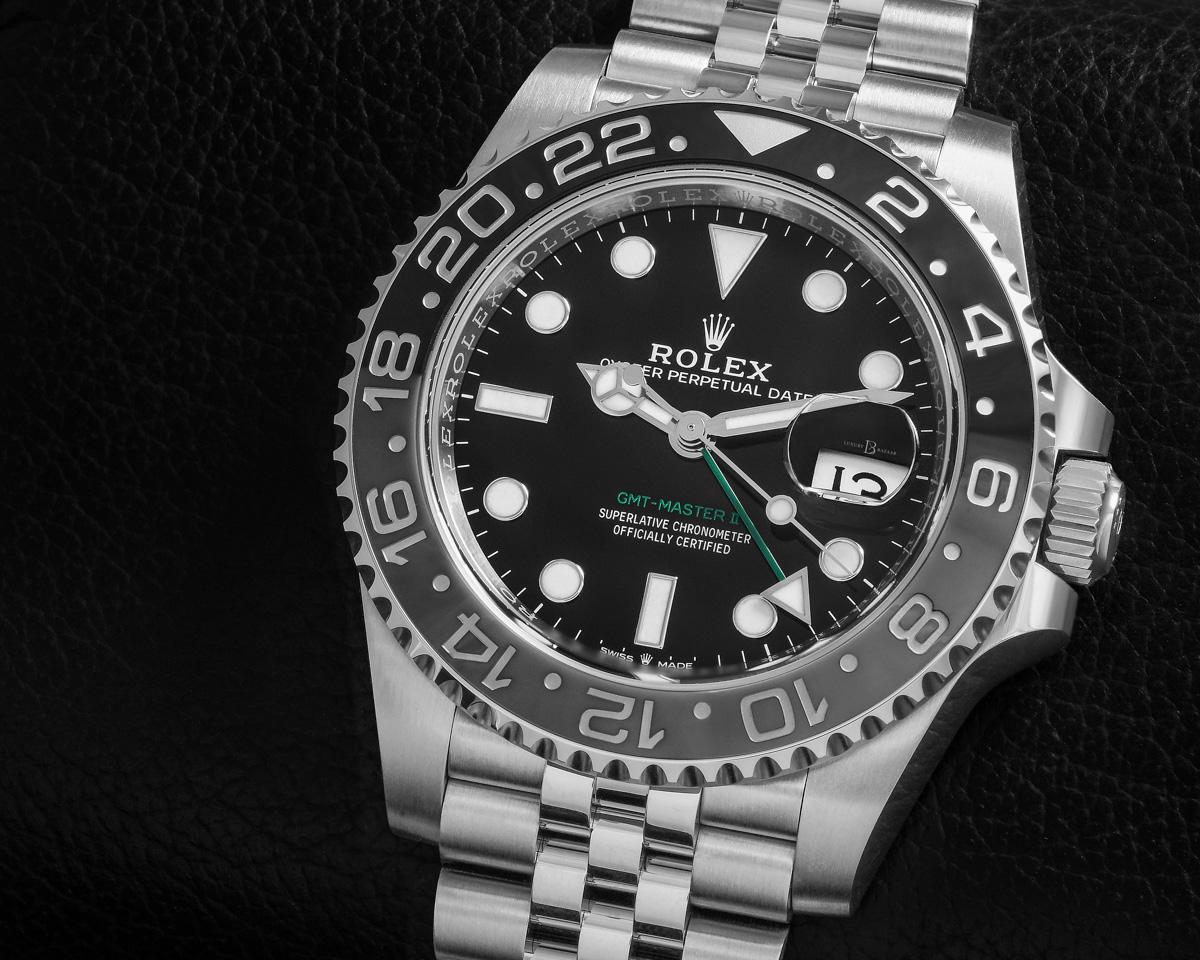
2005: Rolex adds two layers of anti-reflective coating to the cyclops of the solid gold GMT-Master II ref. 116718. The cyclops, which is AR-coated on top, is actually a separate piece of sapphire that gets glued on. A cyclops-sized piece of AR coating also goes on the underside of the main crystal right where the cyclops goes. A technical Rolex document from 2005 specifically advises their employees to “Be careful not to scratch the coating.”
2006-2010: Rolex rolls out the double AR coating to the cyclops of all other date models.
~2009: Rolex quietly begins adding AR coating to the full underside of Daytona crystals.
2017: Cellini models (and later its replacement, the 1908 Perpetual) start to get AR coating on both the top and bottom of their crystals.
2020: New Oyster Perpetual and Submariner models debut with full underside AR.
2021-2023: Underside AR coating rolled out to remaining Oyster models.
Does My Rolex Have AR Coating?
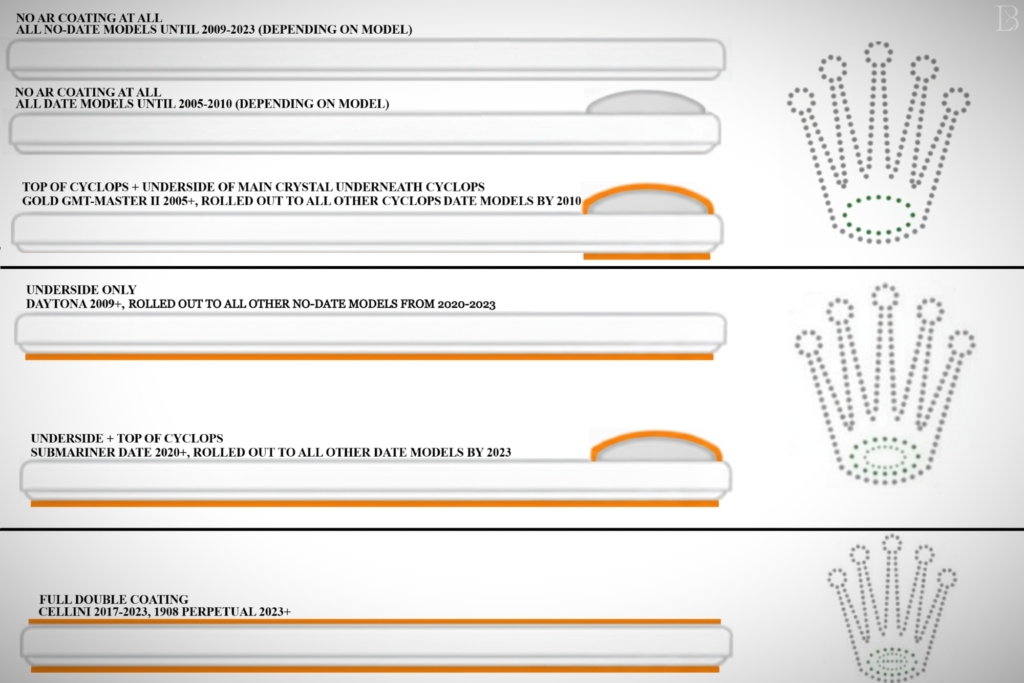
You can check if your Rolex has AR coating by looking at its laser-etched coronet (LEC). Sometimes the LEC is hard to see, but if you have a Rolex made from about 2002 or newer and you shine a flashlight directly down at the 6 o’clock marker, you should see a pointillated coronet outline. The markings inside the oval of the coronet will tell you if you have anti-reflective coating underneath the entire crystal, on both sides of the entire crystal, or not. Rolexes with AR only on the cyclops got the same LEC as the no-AR-at-all models. This image explains it all:
What’s With the Blue Tint?
You may notice some slight blue tint on some Rolexes in certain lighting conditions, and that’s normal. No AR coating is perfectly neutral across all wavelengths, and broadband AR coating (designed to reduce as much visible reflection as possible) is often optimized more to suppress the yellow-green region (which is particularly visible to the human eye) than the blue‑violet region.
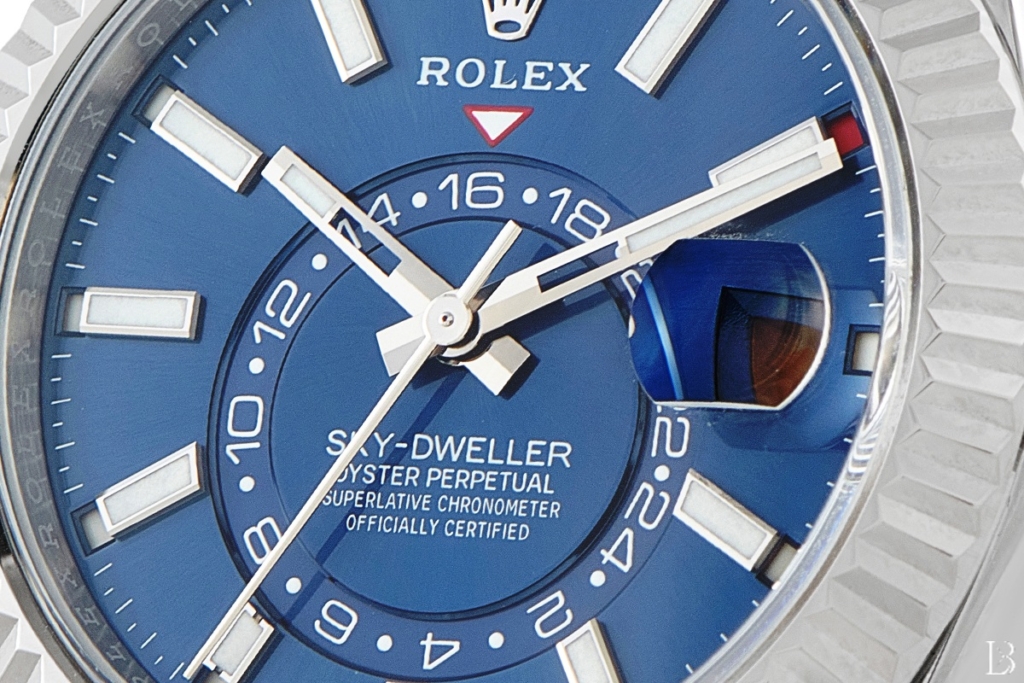
Your AR coating may even look slightly brownish, or you may not notice any tint in your Rolex’s AR coating at all, and that’s OK too. There seems to be some slight variance. Although Rolex’s supply chain is very vertically integrated, sapphire crystals are one of the only parts they don’t make from scratch themselves.
I never hear collectors talk about “pre-AR coating” Rolexes but I suspect that distinction will become inevitable in the decades to come. For now, I don’t expect Rolex to add anti-reflective coating to the top of any of their watches other than the 1908 Perpetual. The underside-only AR coating seems to have a good balance of flashiness, legibility and durability that fits the Rolex Oyster.



Leave a Reply