How the 99 Days of 39% Tariffs Affected the Swiss Watch World

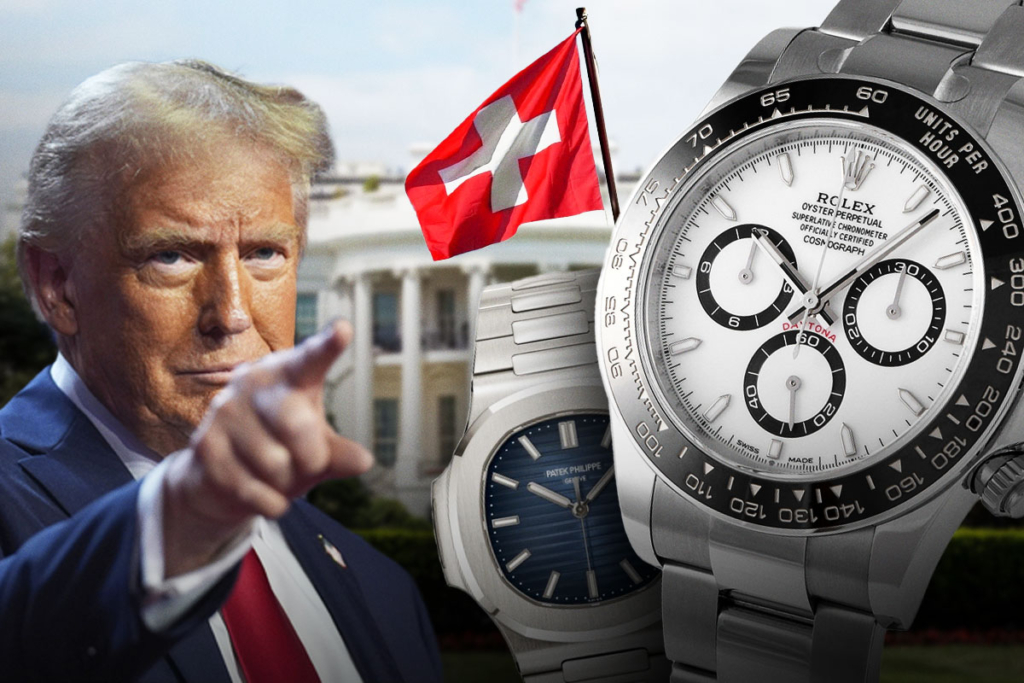
On April 2, the Trump Administration announced some sweeping new tariffs on goods imported into the United States. In addition to a 10% baseline tariff on imported goods, higher “reciprocal tariffs” were set to begin April 9 for countries with large trade surpluses with the United States. Switzerland is very much one of those countries, which is why the executive order signed by President Trump was set to impose a 31% tariff on Swiss goods imported to the USA–but that was increased and a 39% tariff on Swiss goods took effect August 7, 2025. Fortunately, by November 14, a deal was reached to lower that number to 15%. That deal wasn’t fully formalized until December 10, but anyone who paid the 39% tariff after November 14 is eligible for a refund. Let’s look back at the “39% Trump tariff saga” from the perspective of the watch industry.
How Did This All Start?
The beginning of all this controversy began with Donald Trump signing an executive order in April called “Regulating Imports with a Reciprocal Tariff to Rectify Trade Practices that Contribute to Large and Persistent Annual United States Goods Trade Deficits.” It marked the beginning of massive (and unexpected) tariff hikes for numerous countries. You can read it here.
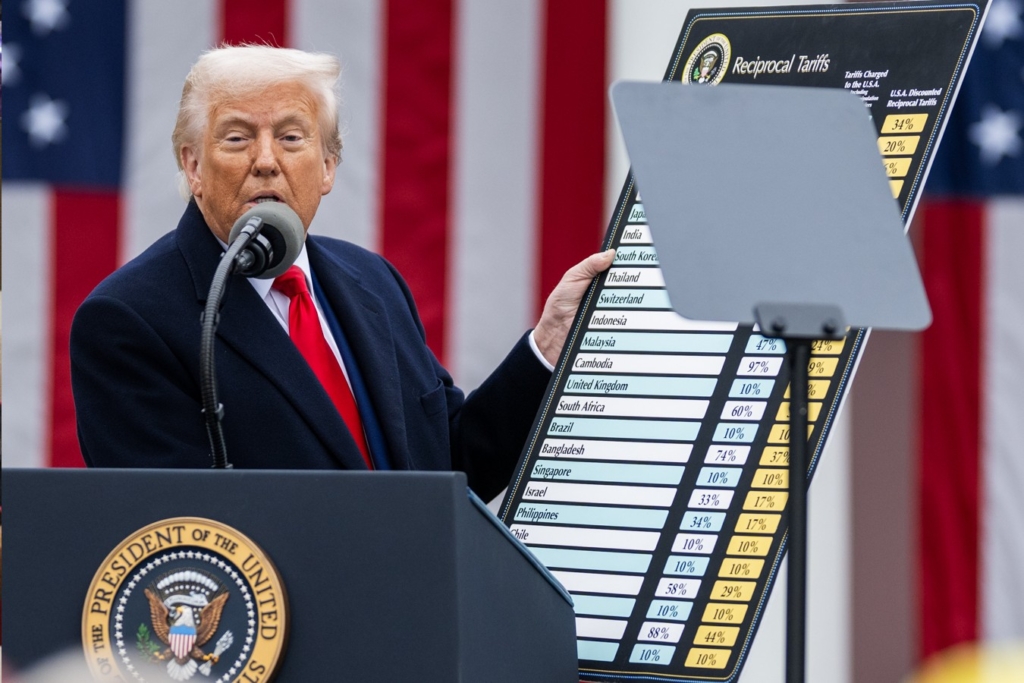
Trump presented a chart with tariffs charged on American goods by various countries, and Switzerland showed “61%” but on the whole, Switzerland’s tariffs on US goods are mostly low aside from animal and dairy products. Some math sleuths on Reddit figured out that the percentages shown on the board actually reflected trade deficits rather than tariffs. So, really this was all about trade deficits–namely, Trump wanted countries like Switzerland to buy more American goods. And ultimately, it looks like Trump’s negotiations will lead to Switzerland buying more American meat (I’ll expound on that in a minute).
Did a Court Strike the Tariffs Down?
This Swiss tariff decrease from 39% to 15% seems to have been the result of negotiations, rather than a court order. But it’s worth mentioning that on August 29, 2025, a U.S. federal appeals court ruled that most of the then-new Trump-imposed global tariffs, including the 39% tariff on Swiss imports, were illegal under U.S. law. The court allowed the tariffs to remain in effect temporarily while the Trump administration appealed to the Supreme Court. Then, on November 5, the Supreme Court heard a landmark consolidated case examining whether the president has the authority under the International Emergency Economic Powers Act (IEEPA) to impose such sweeping tariffs independently of Congress.
The case combined two major challenges (Trump v. V.O.S. Selections, Inc. and Learning Resources, Inc. v. Trump) both brought by businesses affected by the tariffs. Plaintiffs argued that IEEPA does not actually permit the executive branch to set tariffs, a power traditionally reserved for Congress. The Supreme Court’s decision in this joint hearing has not yet been handed down, but it will likely have major ramifications for US trade policy. It’s possible the decision could cause the tariffs to be rolled back even lower than 15%, but I’m not counting on it.
When Were the 39% Trump Tariffs in Effect?
The 39% tariff on all Swiss goods coming into the USA took effect at 12:01 AM EDT on August 7, 2025. The reduction to 15% was announced on December 10, retroactive to November 14.
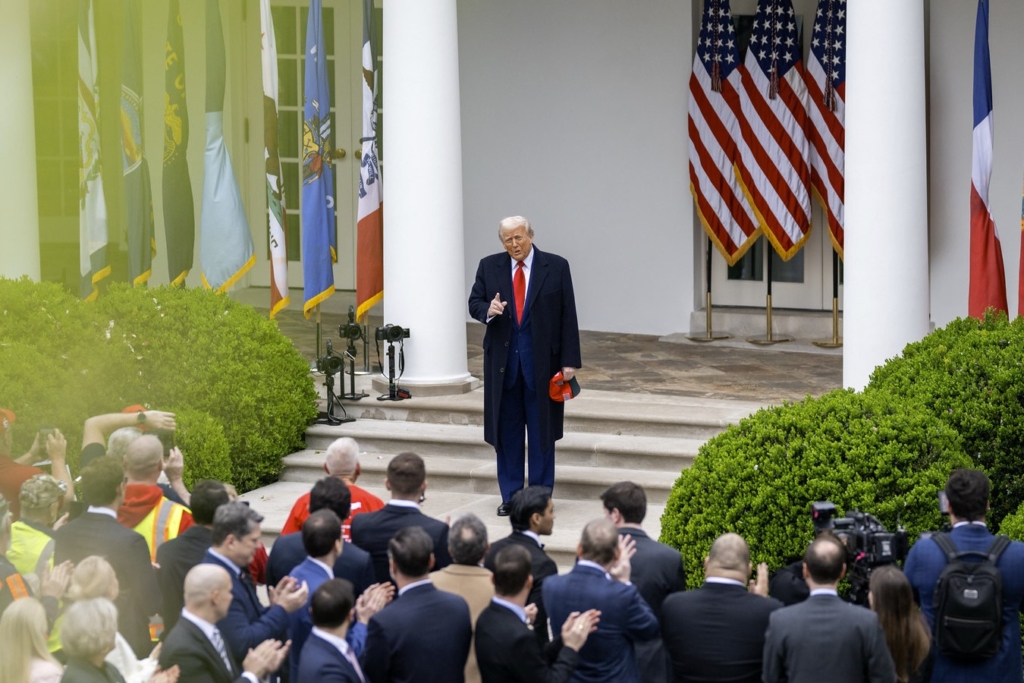
Earlier in the year, the 10% baseline tariffs had begun at 12:01AM Eastern Time on April 5, and before that it was basically negligible. If tariffs had simply gone straight from 0% to 15% we’d probably all be mad about the significant hike, but now the general sentiment is “sweet, only 15%!” Times can change quickly.
Can I Get a Refund?
If you paid the 39% Trump tariff on a Swiss good imported between November 14-December 10, you should be eligible for a refund to effectively reduce it to 15%. There’s a form on CBP.gov that you can fill out, but in reality you should probably just be asking your courier (like FedEx) about it. Just be patient with them if their customer service reps are swamped about this.
And unfortunately, if you paid the higher tariff rate between August 7-November 13, you’re unlikely to get anything back.
Why Punish Switzerland?
I suspect Trump’s seemingly-punitive 39% tariff rate for Switzerland was mostly based on two factors: Switzerland not buying “enough” American products (the US is a major arms exporter and as a neutral country, Switzerland doesn’t buy many), and high Swiss tariffs on American meat and dairy products. According to Export.gov, in 2016 Switzerland was charging tariffs of well over 100% for meat and dairy products on average, despite their mostly-negligible tariffs on other goods.
As part of the deal to reduce tariffs on Swiss goods entering the US from 39% to 15%, the Trump Administration negotiated that 500 tons of American beef, 1,000 tons of bison, and 1,500 tons of poultry per year will be exempted from Swiss tariffs moving forward. Whitehouse.gov originally said that the tariffs were designed to be in place “until such a time as President Trump determines that the threat posed by the trade deficit and underlying nonreciprocal treatment is satisfied, resolved, or mitigated.” So, I guess the administration feels that threat has now indeed been mitigated. During his first term, Trump had also negotiated agreements with others countries that included promises to increase US purchases, so it’s a consistent sticking point for him.
Who Pays the Tariffs?
Tariffs are paid by the entity that imports the goods. So, with the current tariffs in place, an importer like Rolex USA has to pay 15% of the declared value–not the retail value to the end consumer. The declared value of bulk imports is at wholesale rates. But for retail orders shipped directly to an American consumer from Switzerland, the consumer would be responsible for the full tariff calculated at the full retail value.
Companies like FedEx and DHL act as customs brokers by default on most express shipments, submitting the paperwork and paying any assessed duties and taxes to customs so the parcel clears quickly. So for international watch-buying purposes, you generally won’t need to worry about dealing with the government yourself–just pay the courier what they bill you.
How Much Did the Trump Tariffs Increase US Watch Prices?
It’s up to the importer what to charge their customers; it’s their choice how much of the tariff to “eat” if any. It was always expected that Trump’s increased tariffs would largely be passed on to the consumer, but most people didn’t expect the 39% tariff to last forever. And watch brands didn’t all handle it the same way.
American participants in the M.A.D.2 raffle, for example, were all emailed and offered a chance to cancel their spot because of the tariffs if they wished. A. Lange & Sohne took the opposite approach and in mid-2025 offered some of their US-based customers to prepay for their orders at then-current prices, essentially betting (correctly) that tariffs over 30% wouldn’t last long.
There was a second round of 2025 Rolex price increases in the US in response to the tariffs, but it was very small. Other brands have hiked prices for some of their watches by 20% or so, which doesn’t seem sustainable in the current market, and in fact Patek Philippe has already decreased their prices from the 39%-tariff-saga levels.
More on Rolex:

How Did This Affect Grey Dealers Like Luxury Bazaar?
Well, secondhand watch dealers like Luxury Bazaar buy goods for current market wholesale rates, and sell them for current market retail rates. When Swiss watch prices to go up, we have to pay more to get watches and also charge more. Some people thought there might be a bit of a flurry to snap up used watches before anticipated price increases took effect, but we didn’t see any sudden tornado of demand for luxury goods during the Trump Swiss tariff saga.
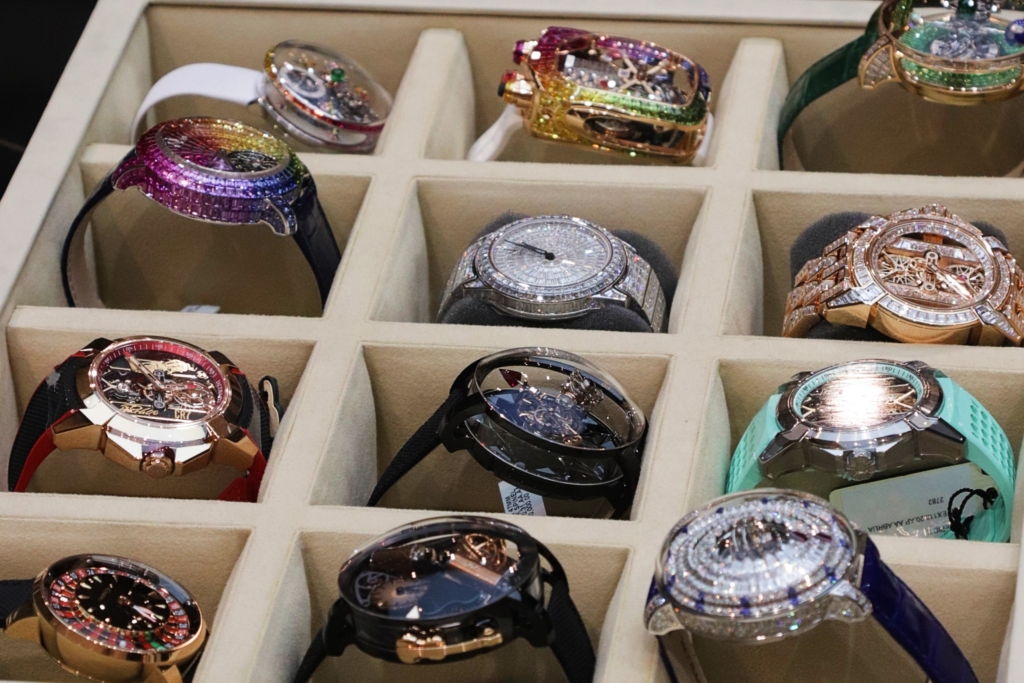
But US-based grey dealers with inflated prices will have to be a bit more price competitive with international dealers than they had been during the 39% tariff period, I expect. Tariffs are based on country of origin, so even if you’re buying an old Swiss watch from a Japanese seller, for instance, you’d be responsible for the current tariff rate on Swiss goods. And the 39% figure definitely made some American collectors question major overseas purchases for a while.
But ultimately, whether the market price goes up or down, grey dealers are always trying to do the same thing: sell their inventory as soon as possible and make the margin they need to make. Despite all the hubbub about Veblen goods, high prices–even of luxury goods–generally aren’t good for demand. Massive price hikes are not good news for us.
What are the Tariffs on Japan and Germany?
Japan and Germany, the two biggest non-Swiss luxury watch exporters, are facing the same 15% tariffs. So, don’t expect any relative difference in demand for Grand Seiko or A. Lange & Söhne watches.
Switzerland Chose Diplomacy Over Retaliation
Karin Maria Keller-Sutter, who has been President of Switzerland since 2019, called the initial Trump tariffs “incomprehensible,” noting their longstanding commitment to free trade. She made an unsuccessful last-ditch in-person effort in Washington, D.C. to negotiate lower tariffs on August 7, 2025, and according to Bloomberg she returned to Switzerland without even meeting with Trump himself. But despite that, Reuters reported that the Swiss government made no plans to economically retaliate.

Rolex invited Donald Trump to the 2025 US Open men’s singles final as their guest on Sunday, September 7, 2025, in the brand’s suite at Arthur Ashe Stadium in New York. The brand then presented him with a gold‑tone Rolex desk clock during a White House visit by a Swiss business delegation on November 4, 2025. And within ten days, the agreement to reduce the tariffs on Swiss goods was reached. So, uh, thanks Rolex!


Leave a Reply