Rolex Cyclops Lens: History, Magnification, and Models

The Rolex Cyclops is the small magnifying lens positioned above the date window on many of the brand’s watches. First introduced on the Datejust in 1953, the distinctive bubble has since become a fixture on popular models such as the Submariner Date and GMT-Master II. It’s a practical invention with an interesting history, although its unusual appearance has divided watch enthusiasts for decades. So where did the Rolex Cyclops come from, how does it work, and why do some models have one while others don’t?
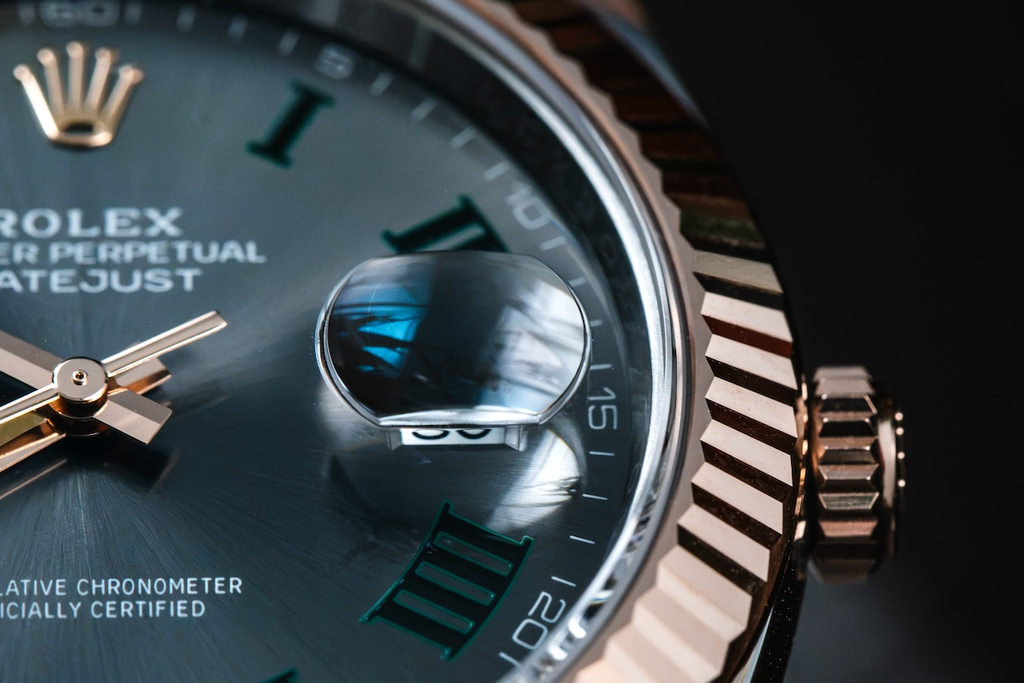
What is the Rolex Cyclops?
Named after the one-eyed giants of Greek mythology, the Cyclops is a convex lens that magnifies the date by 2.5 times, making the numerals easier to read. Its raised, bubble-like shape is immediately apparent on the crystal, and the Cyclops has become a familiar feature of Rolex watches with date displays.
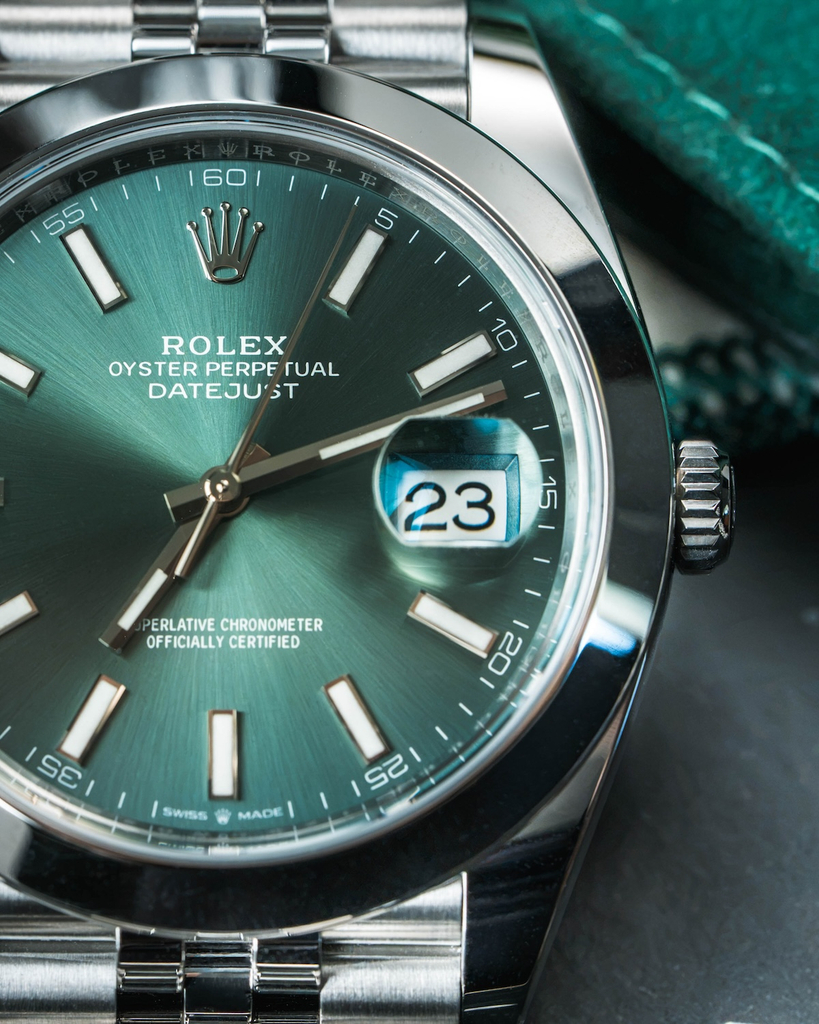
The History of the Rolex Cyclops
One popular story about the origins of the Rolex Cyclops involves Hans Wilsdorf, his second wife, Betty Wilsdorf-Mettler, and a fortunate accident. According to the oft-repeated tale, Betty had difficulty reading the small date display on her watch, prompting the Rolex founder to look for a solution.
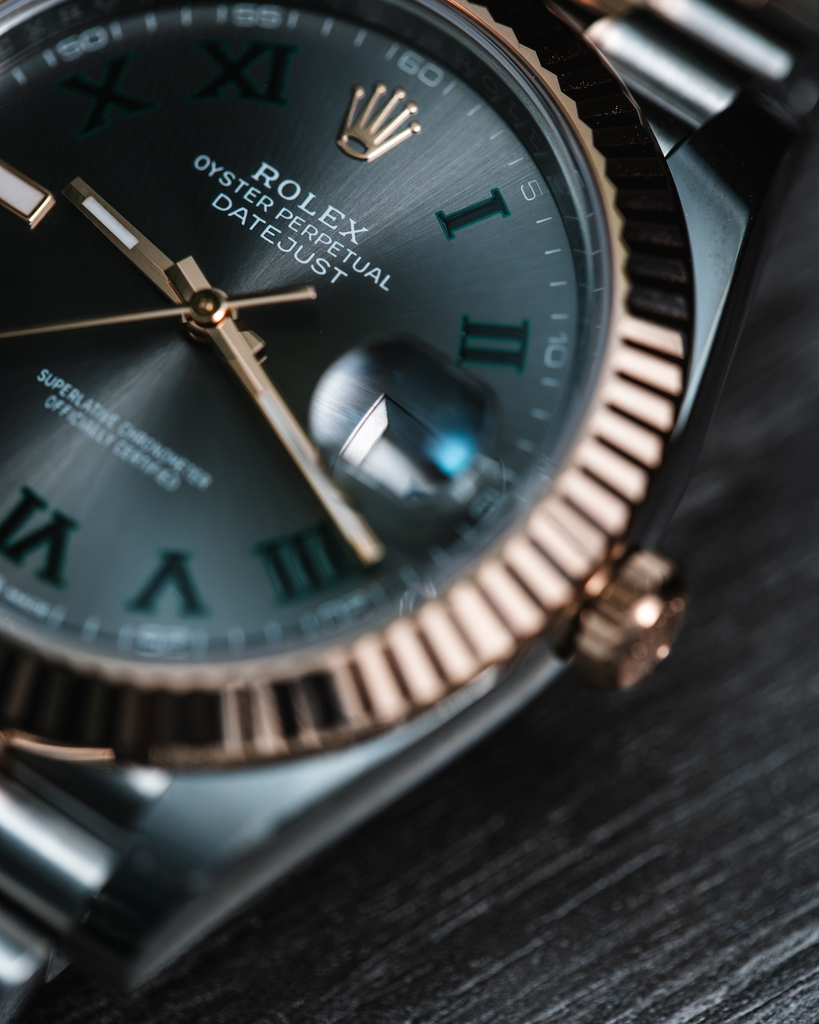
Inspiration supposedly struck one morning when a drop of water landed on the crystal of Wilsdorf’s Datejust, directly above the date window. Seeing how the droplet magnified the numeral beneath it, he realized that a small lens could accomplish the same thing. It’s a charming story, although it’s unclear if Rolex has ever publicly confirmed it.
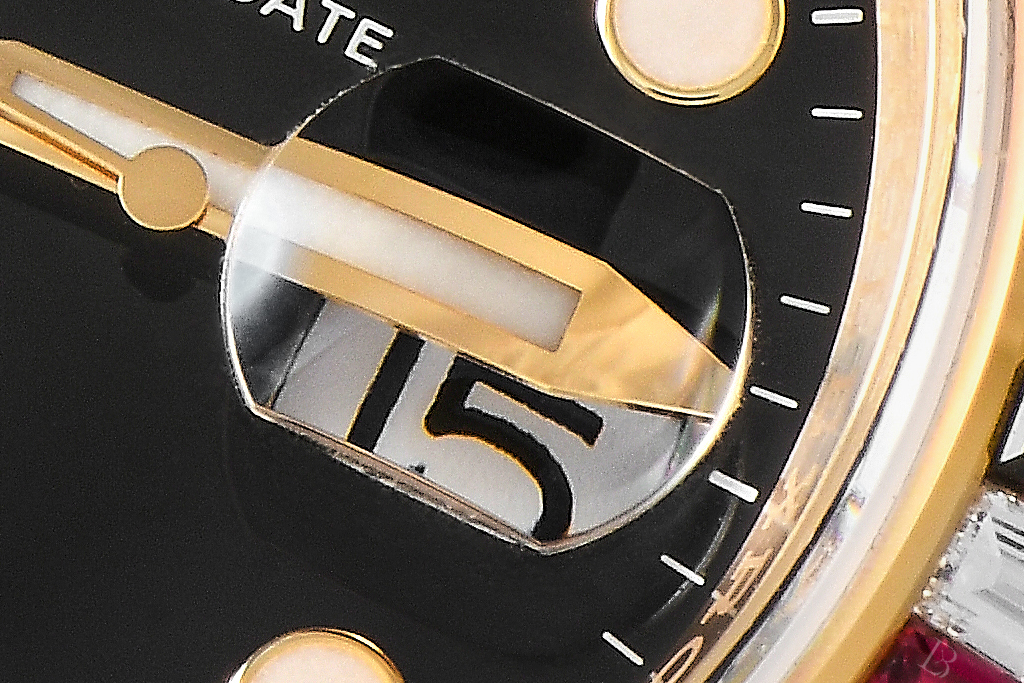
What is certain is that the Datejust, originally introduced in 1945 without a magnifier, became the first Rolex watch equipped with a Cyclops lens in 1953. Rolex had filed a Swiss patent application for the invention in 1952, and Hans Wilsdorf was enthusiastic about its potential.
In a February 1953 letter, he wrote, “I am convinced that the new tropical case with the new crystal, and the optical magnification, will give us something new.” The Cyclops soon caught the attention of competing watchmakers. In 1955, Rolex issued a warning that its magnifying lens was protected by patents in Switzerland and abroad, and that the company would take legal action against anyone copying it.
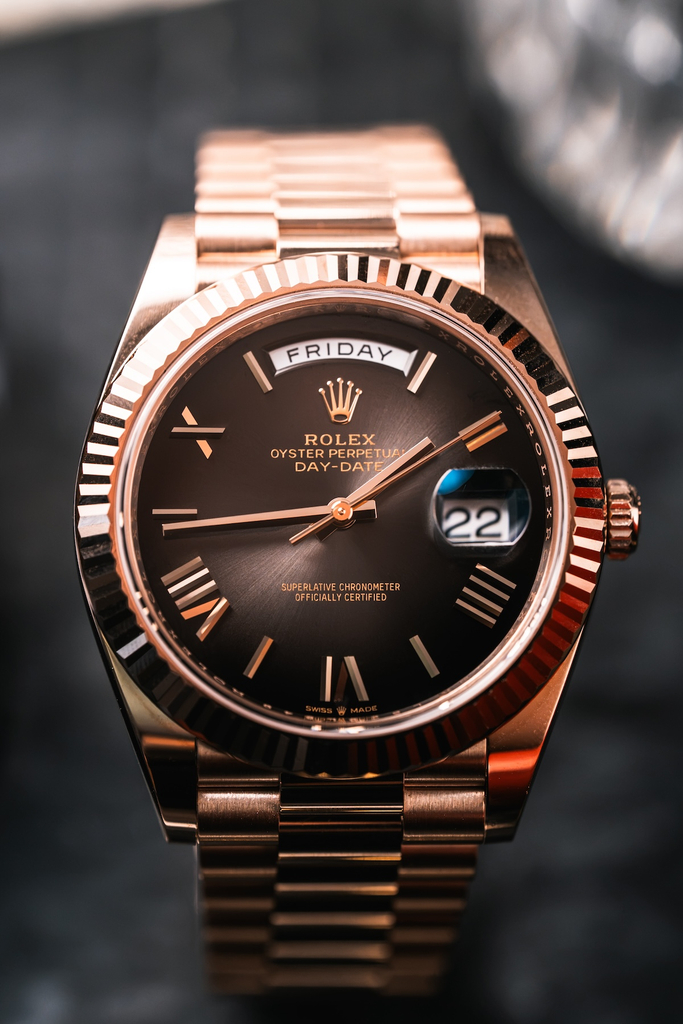
The Cyclops subsequently spread to the brand’s other collections and, over the following decades, became a hallmark design detail on Rolex watches with date displays. Interestingly, the Cyclops wasn’t always standard on early GMT-Master watches. On the original ref. 6542, the magnifying lens reportedly cost extra. Even the later ref. 1675 was available with a regular crystal without the Cyclops, an uncommon option that continued into the early 1970s.
How Does the Rolex Cyclops Work?
The Cyclops is essentially a miniature magnifying glass, with its curved surface enlarging the date displayed beneath it. Although the principle is straightforward, Rolex has changed the way the lens is manufactured over the years.
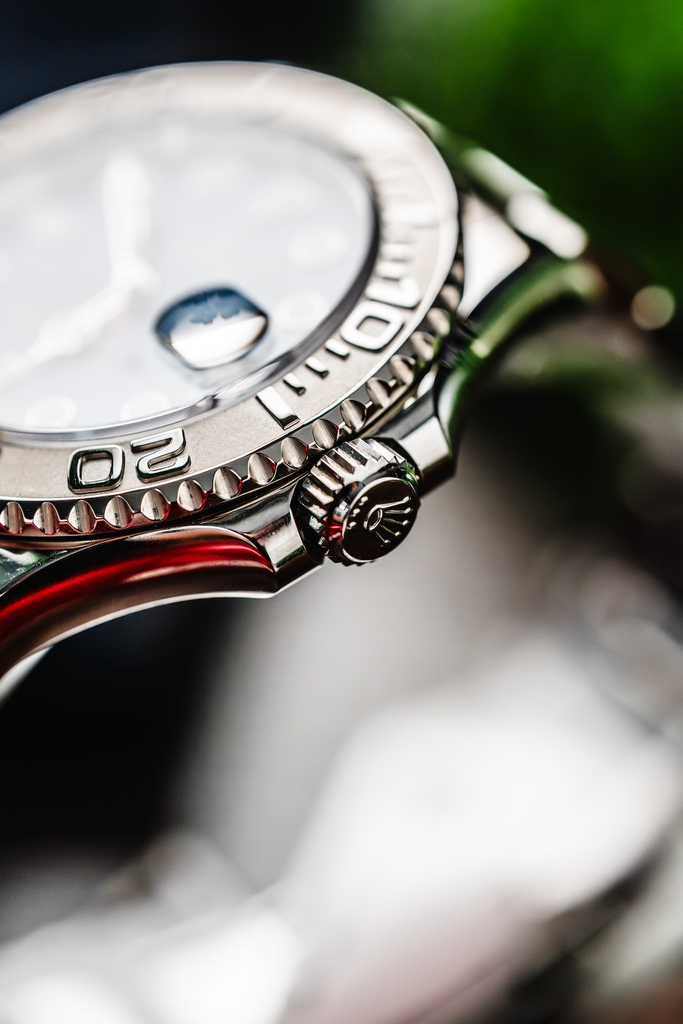
The original Cyclops was formed together with the watch crystal from a single piece of Plexiglas, a transparent acrylic material. As Rolex began introducing sapphire crystals in the 1970s, the construction changed. The Cyclops was made separately in sapphire and bonded to the exterior of the crystal. Ref. 1530 and 1630 were the first Rolex models to be given a sapphire cyclops.
Today’s Rolex Cyclops lenses also have a double anti-reflective coating to minimize reflections. Sapphire is considerably more scratch-resistant than acrylic, which is particularly useful for a lens that protrudes above the surface of the crystal.
Which Rolex Watches Have a Cyclops Lens?
Most Rolex watches with a date display feature a Cyclops lens, including the Datejust, Day-Date, GMT-Master II, Explorer II, Submariner Date, Yacht-Master, and Sky-Dweller. The Sea-Dweller also has one, although that wasn’t always the case.
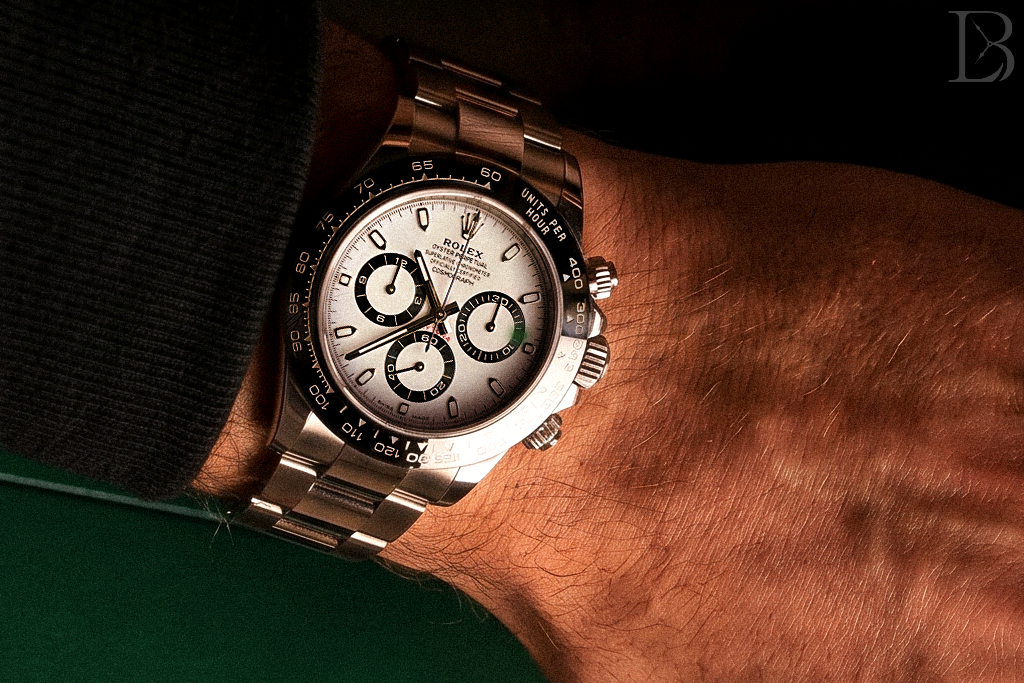
The Deepsea is the only current Rolex watch with a Cyclops-free date display. Naturally, Rolex watches without date windows, such as the Daytona, Explorer, Oyster Perpetual, Milgauss, and no-date Submariner, have no need for a Cyclops lens.
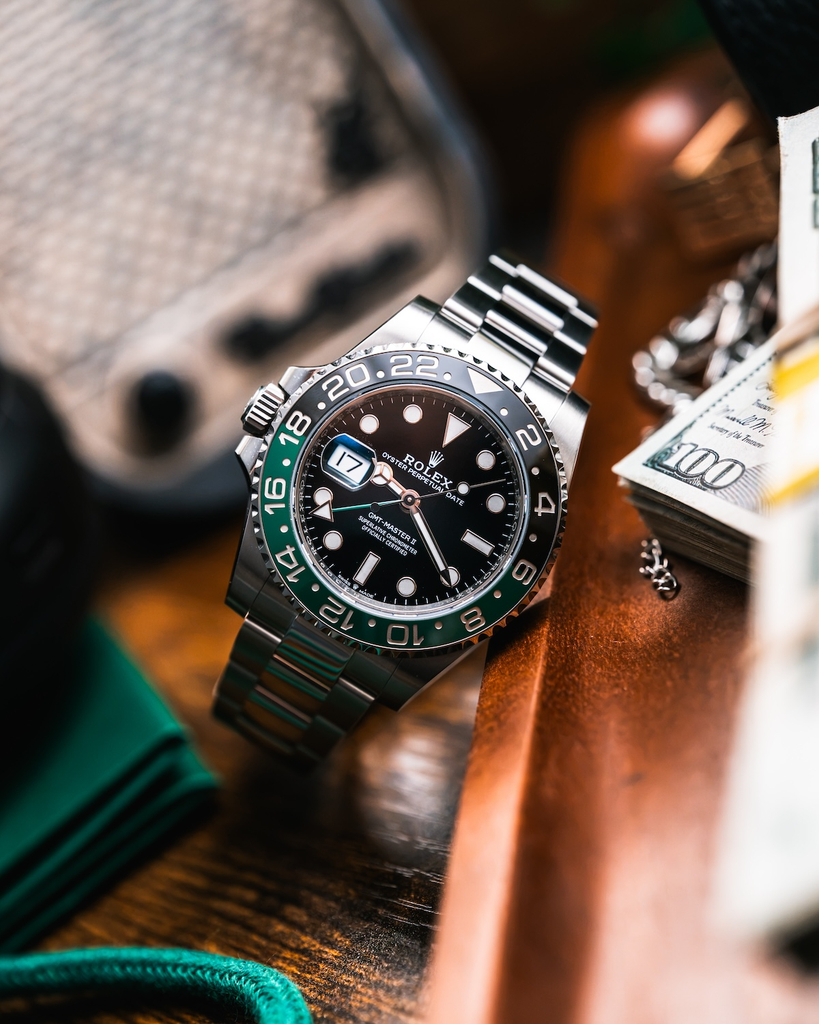
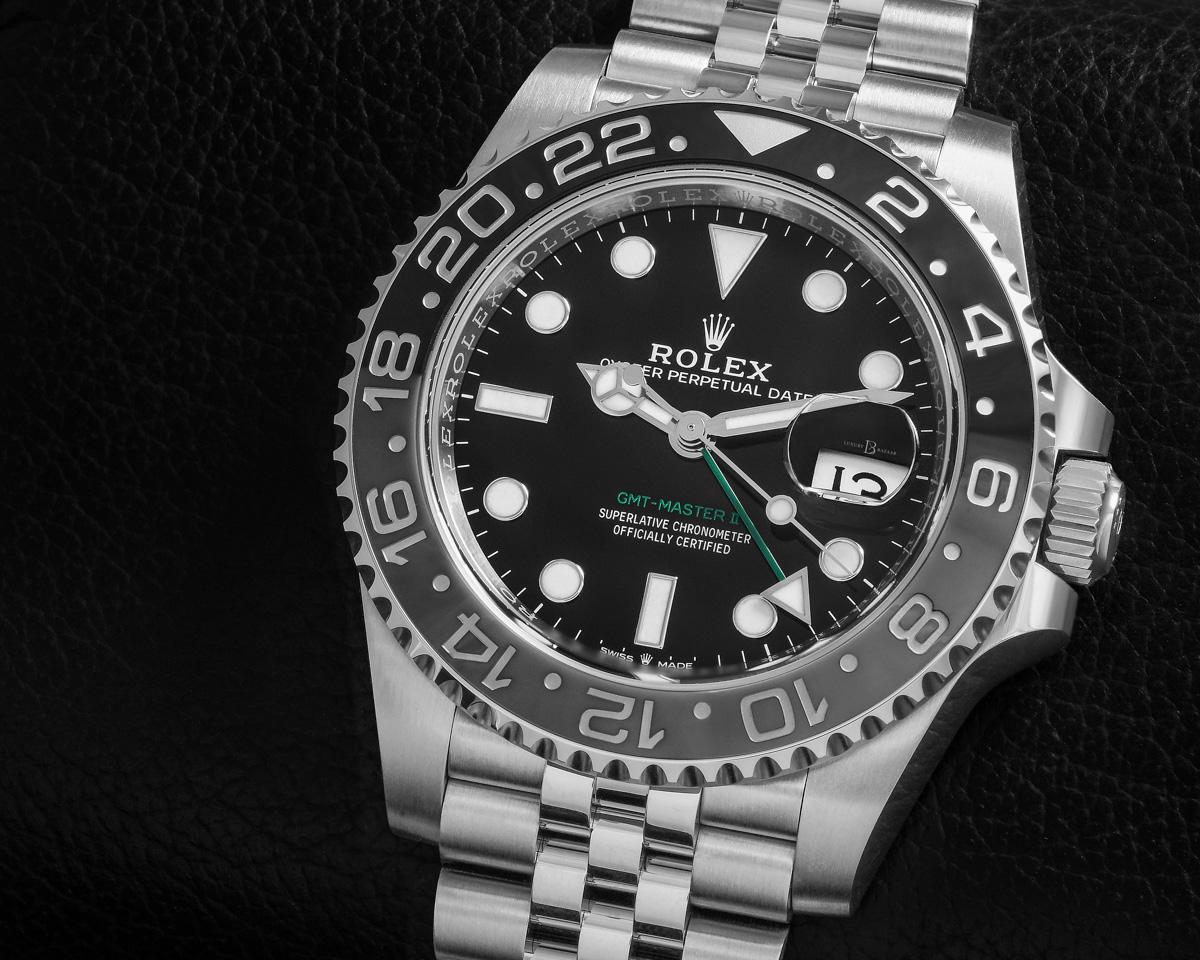
There’s even a Rolex with the Cyclops on the opposite side of the dial. The GMT-Master II ref. 126720VTNR, nicknamed the Sprite, was designed with left-handed wearers in mind, so its winding crown and date window are positioned at 9 o’clock instead of the usual 3 o’clock. Naturally, the Cyclops sits above the moved date window.
| Rolex Collection | Cyclops Lens |
|---|---|
| Air-King | No |
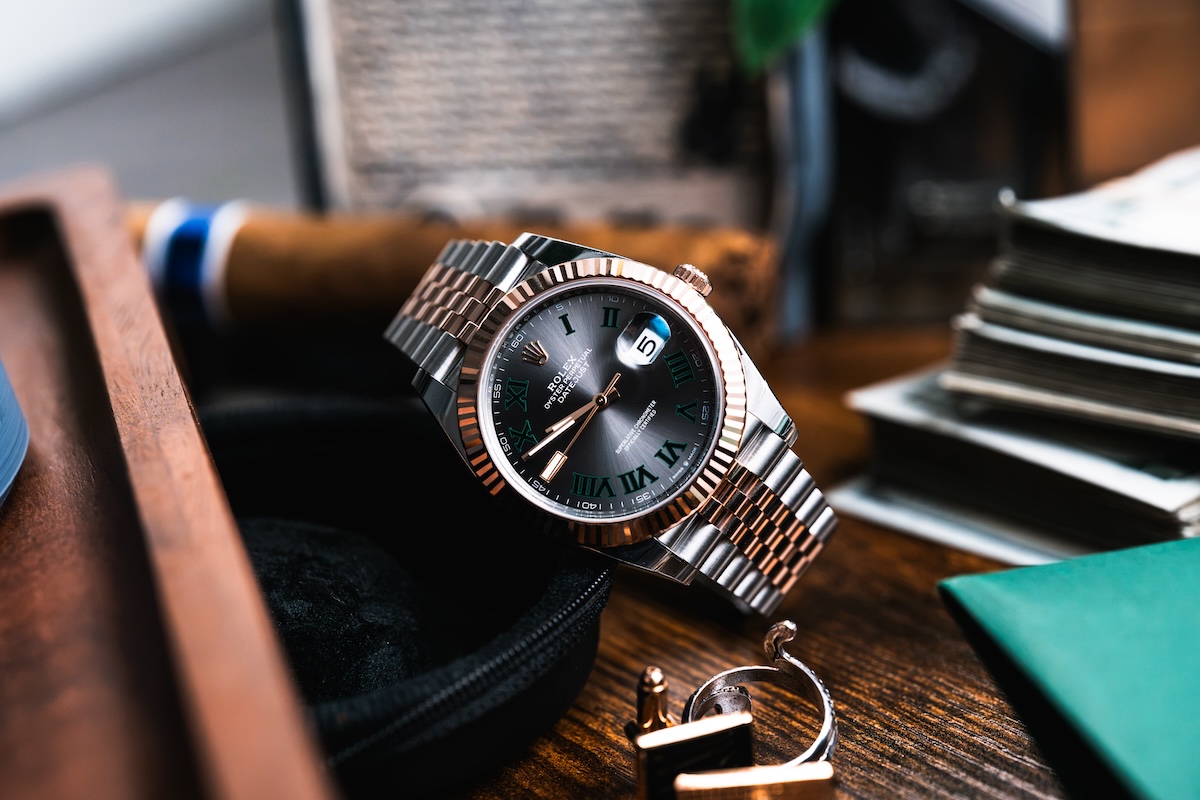
| Datejust | Yes |
| Daytona | No |
| Day-Date | Yes |
| Deepsea | No |
| Deepsea Challenge | No |
| Explorer | No |
| Explorer II | Yes |
| GMT-Master / GMT-Master II | Yes |
| Lady-Datejust | Yes |
| Land-Dweller | Yes |
| Milgauss (discontinued) | No |
| Oyster Perpetual | No |
| Oyster Perpetual Date (discontinued) | Yes |
| Oysterquartz (discontinued) | Yes |
| Pearlmaster (discontinued) | Yes |
| Perpetual 1908 | No |
| Perpetual Padellone | No |
| Sea-Dweller (since 2017) | Yes |
| Sky-Dweller | Yes |
| Submariner (no-date) | No |
| Submariner Date | Yes |
| Turn-O-Graph (discontinued) | Yes |
| Yacht-Master | Yes |
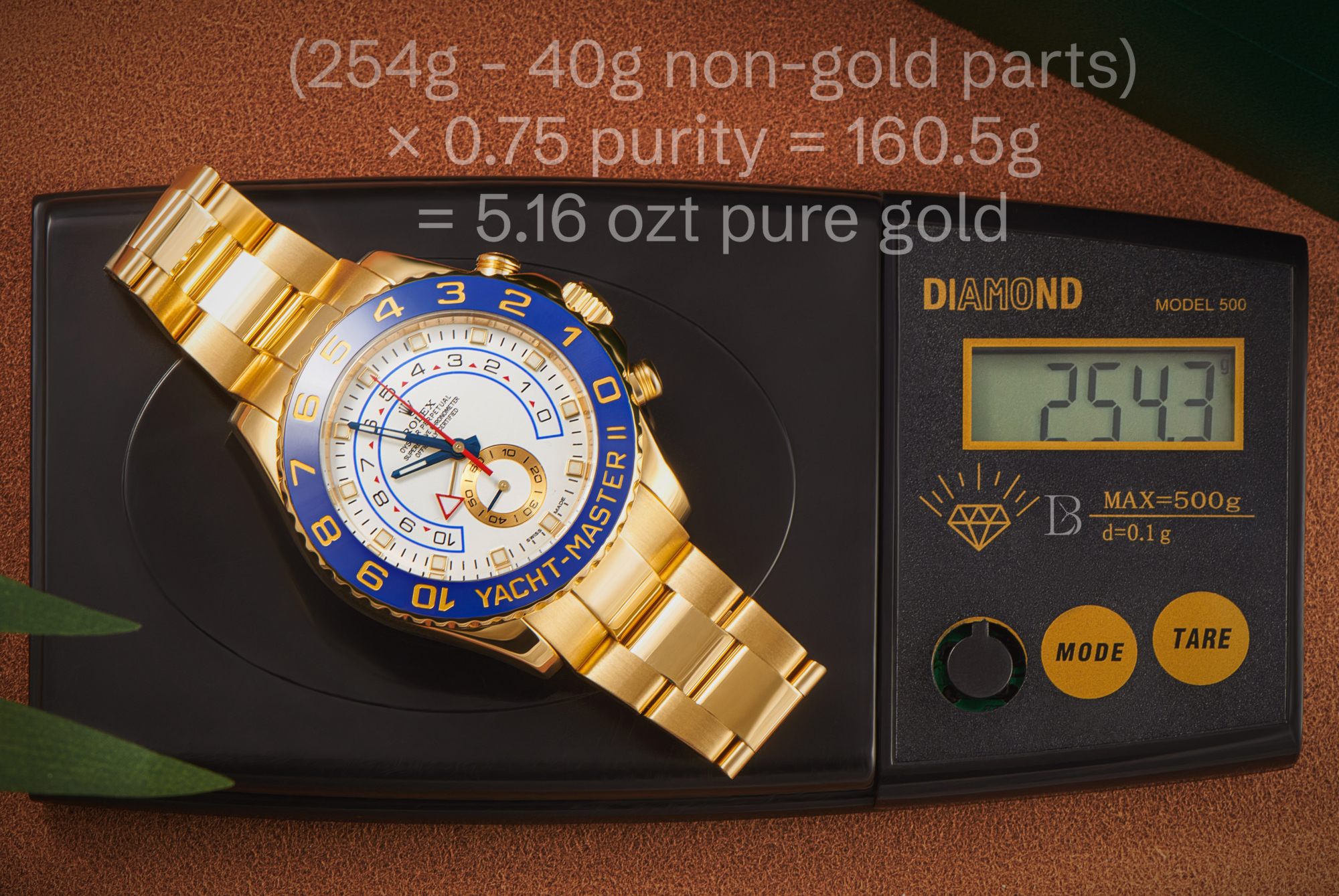
| Yacht-Master II | No |
Why Did Rolex Leave the Cyclops Off the Sea-Dweller and Deepsea?
The Sea-Dweller was a notable exception for decades. Introduced in 1967 as a professional diving watch, it had a date display but no Cyclops lens.
This changed in 2017, when Rolex unveiled the 43mm Sea-Dweller ref. 126600 for the collection’s 50th anniversary, complete with a Cyclops for the first time.
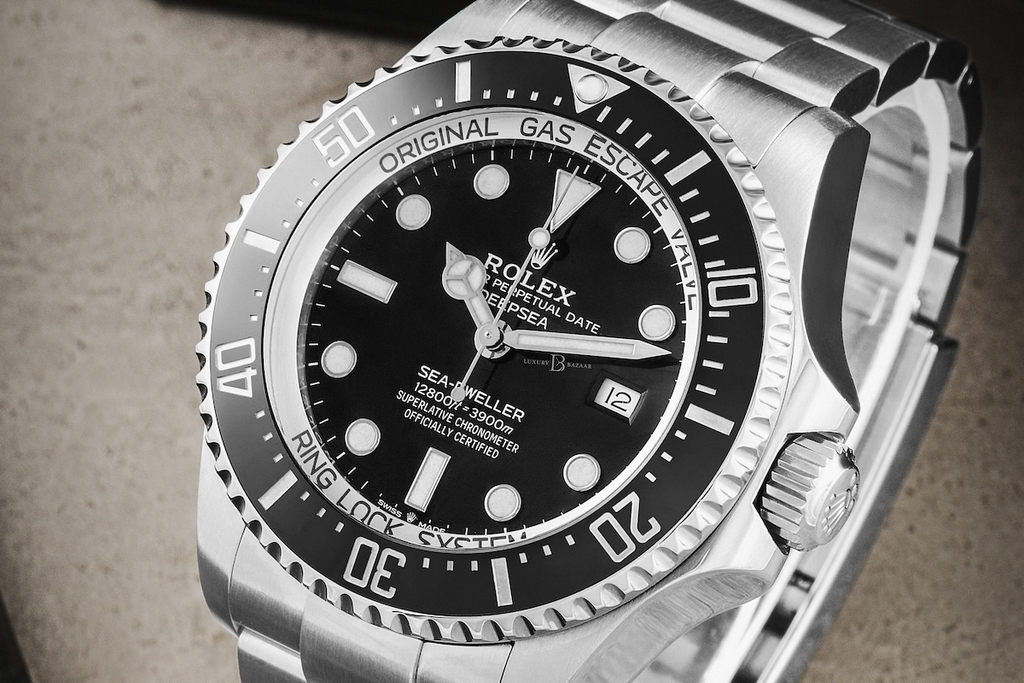
The Rolex Deepsea, meanwhile, remains an exception, with a date window but no Cyclops lens. Built to withstand extreme underwater pressures, the Deepsea features an exceptionally thick sapphire crystal as part of its Ringlock System. That construction presents potential challenges for a magnifying lens, both in terms of how securely it could remain attached under pressure and how accurately it would magnify the date through such thick glass. Rolex acknowledges that the absence of a Cyclops is due to technical reasons but, in typical Rolex fashion, offers no further explanation.
Identifying a Fake
The Cyclops is one of several details worth examining when checking the authenticity of a Rolex watch. On a genuine example, the lens should be properly aligned with the date window and provide approximately 2.5× magnification, with the numeral appearing clear and easy to read. Poor alignment, weak magnification, or distorted numerals can be warning signs, particularly when compared with a known genuine example of the same reference.
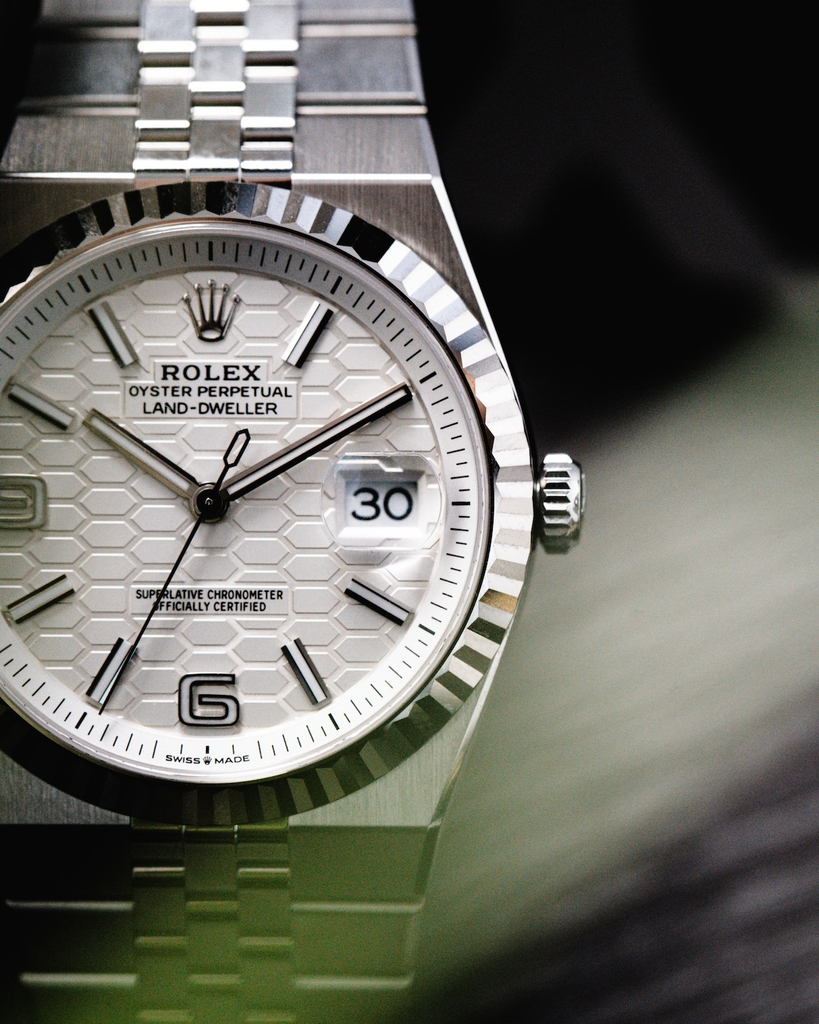
However, the Cyclops alone cannot determine whether a Rolex is authentic. Counterfeit watches have become increasingly sophisticated, and some reproductions have convincing magnifying lenses. Conversely, genuine Rolex watches may have replacement crystals or other service-related differences that affect how the Cyclops appears. Even the angle of a photograph can make the magnification look different. Plus there was the 2014 low-mag Cyclops debacle.
In short, the Cyclops is best considered alongside other details, including the dial, case, movement, and reference-specific specifications, rather than treated as a foolproof test when figuring out how to spot a fake Rolex.
The Look is Polarizing
For all its practical benefits, the Cyclops has long divided Rolex enthusiasts. Some appreciate the larger date display and consider the magnifying bubble an essential part of the Rolex look. Others find it distracting, arguing that it interrupts the clean lines of the crystal and draws too much attention to the date window. Some collectors simply prefer the appearance of a watch without a Cyclops, even if it makes the date harder to read.
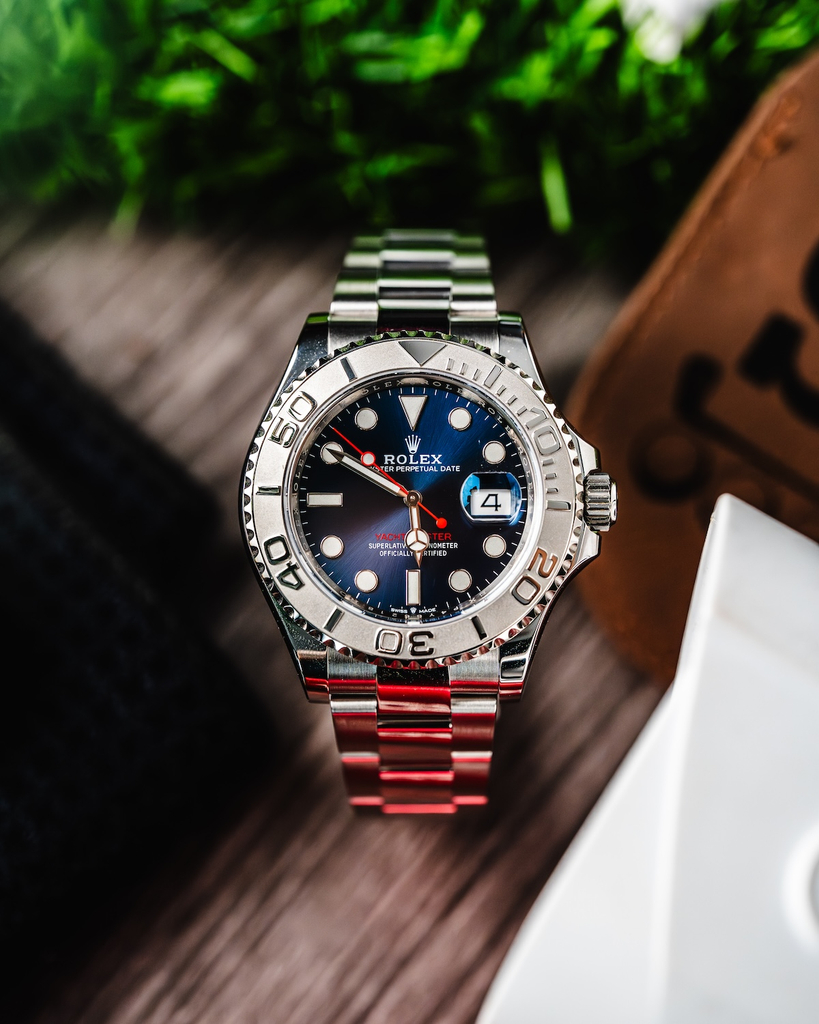
Personally, I’m a fan. My eyesight isn’t great, so I appreciate being able to see the date quickly without squinting. I also happen to enjoy the tactile sensation of running my finger across the sapphire crystal and feeling that little bump where the Cyclops sits. It’s a small detail, but one I’ve always liked.
Love it or hate it, the Cyclops has been part of Rolex watchmaking for more than 70 years. What began as a practical solution to a small date display has become one of the brand’s most recognizable design details.
More Rolex Collector’s Guides:




Leave a Reply